Artwork
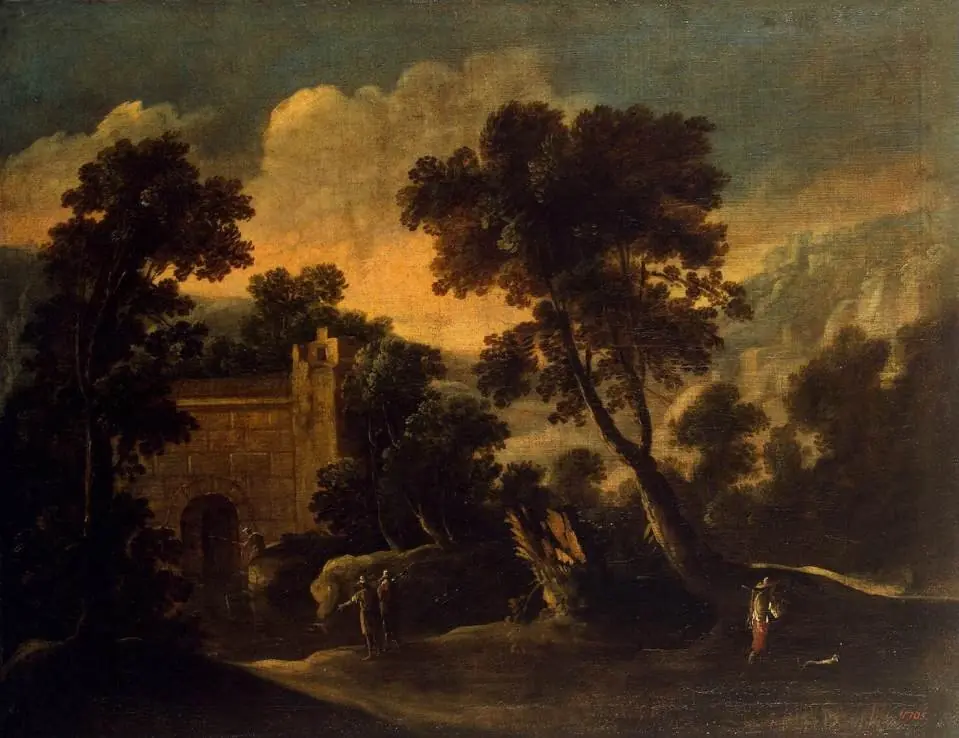
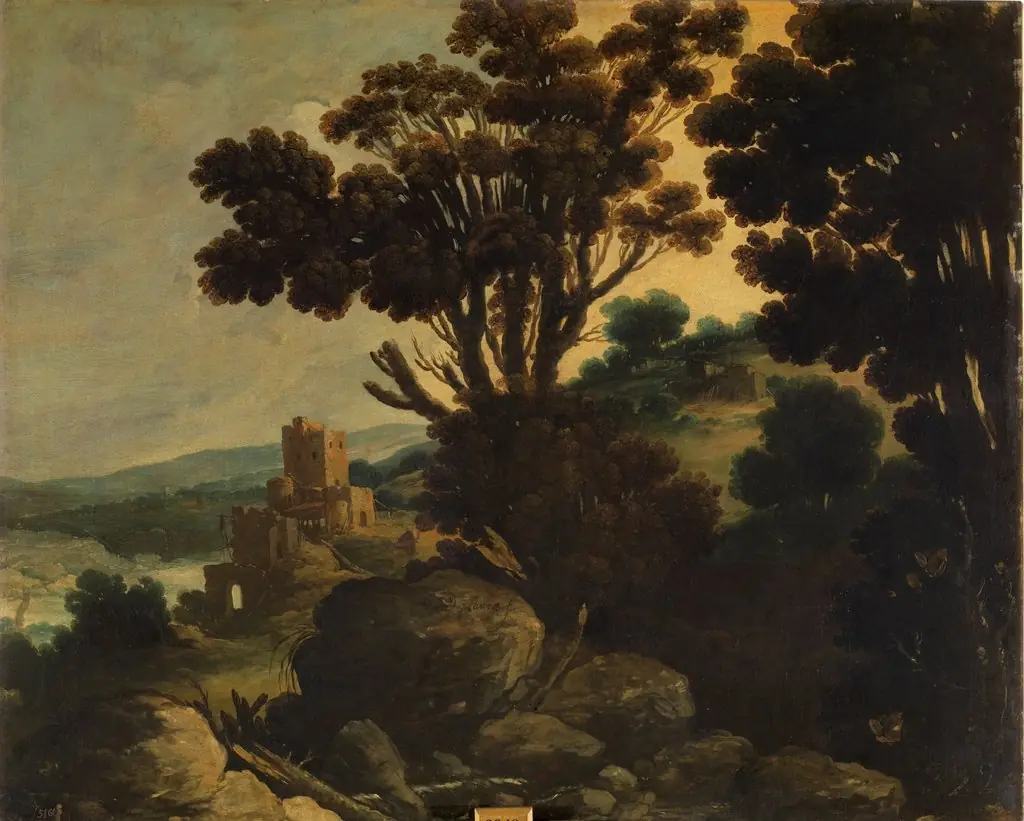
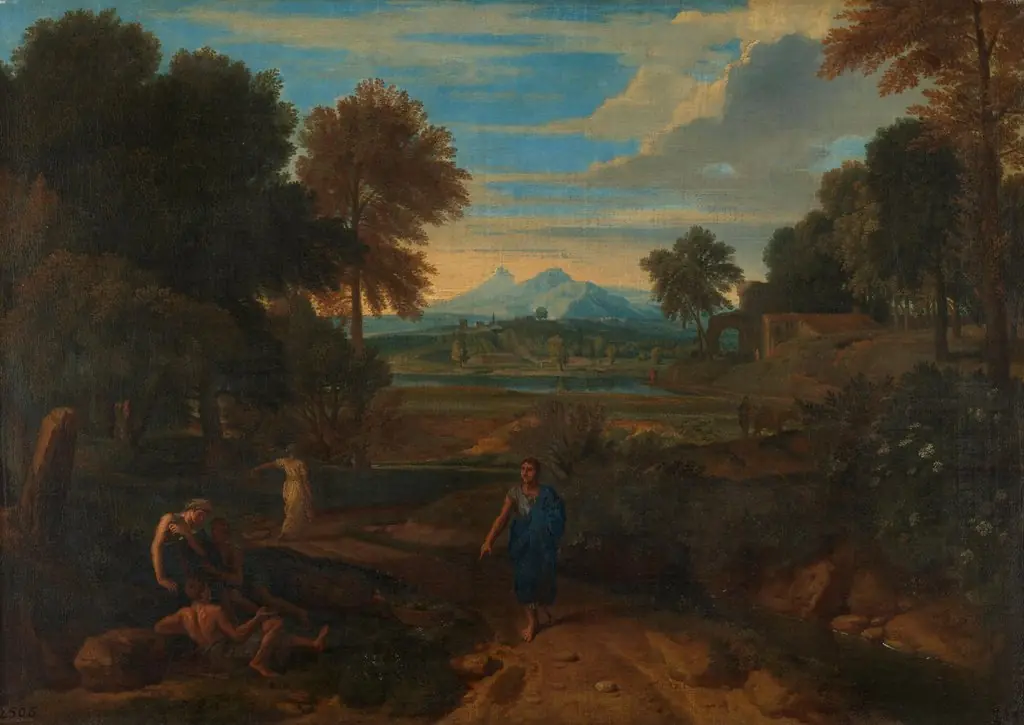
Paisaje con la crucifixión de San Pedro
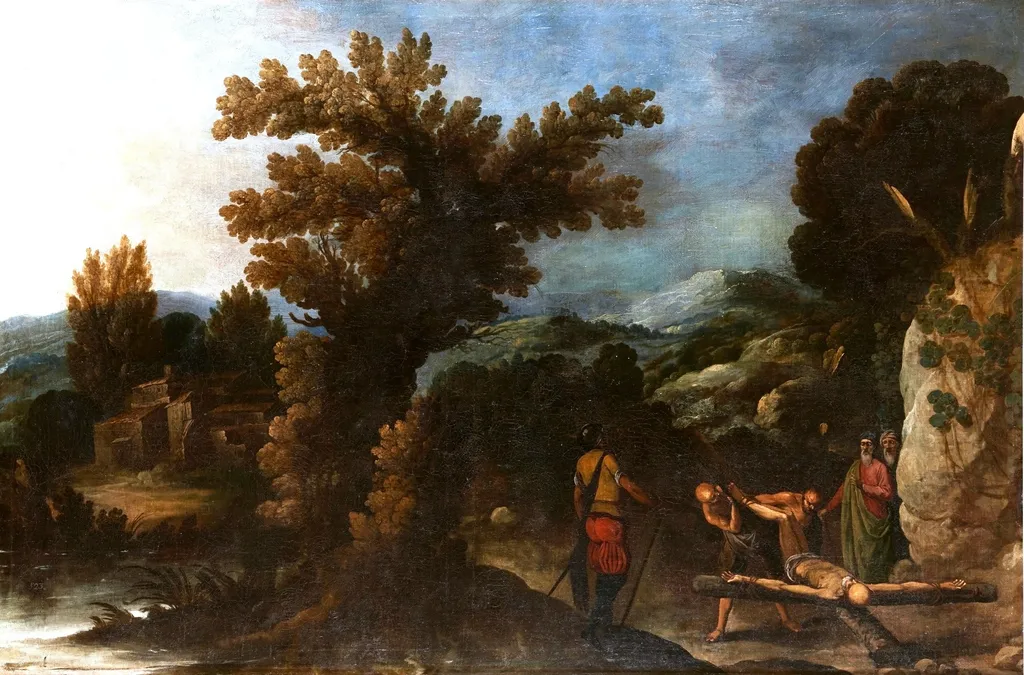
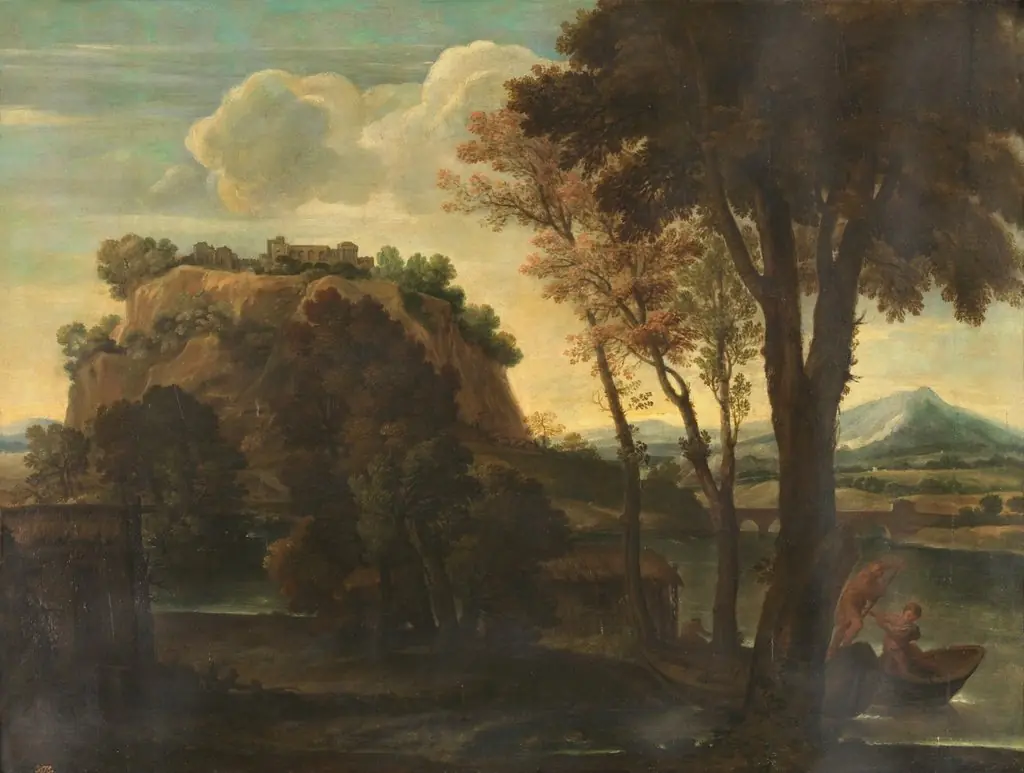
Paisaje con la crucifixión de San Pedro is an oil painting by the Early Baroque Italian artist Francisco Collantes. It dates from 1601 and is held in the collection of the Museo del Prado.
About this work
Overview
Created during the early Baroque period in Madrid, the painting reflects Collantes’s engagement with southern Italian and Venetian influences.
Painted in 1601 by Francisco Collantes, this oil-on-canvas work presents a biblical scene set within a quiet, wooded landscape. Created during the early Baroque period in Madrid, the painting reflects Collantes’s engagement with southern Italian and Venetian influences. It is part of the permanent collection at the Museo del Prado, where it remains one of the few surviving examples of his landscape-infused religious compositions.
Subject & Meaning
The scene illustrates the martyrdom of Saint Peter, traditionally believed to have requested crucifixion upside down out of humility. One figure, burdened by a heavy cross, is the saint; two others observe silently. The absence of overt violence and the calm, natural setting shift focus from spectacle to contemplation, emphasizing spiritual endurance over physical suffering, a subtle theological choice common in Counter-Reformation art.
Technique & Style
Collantes employs chiaroscuro to model the figures against the dim forest, using soft gradations of shadow and crisp highlights to define form. The figures are rendered with restrained detail, allowing the landscape to dominate the composition. The palette is muted, with earth tones and faint reds drawing attention to the central figures without disrupting the harmony of the natural environment.
History & Provenance
The painting entered the Spanish royal collection in the 17th century and was later transferred to the Museo del Prado upon its founding. Its attribution to Collantes has been consistently supported by stylistic analysis and documentary records. No significant alterations or restorations are recorded, preserving its original tonal balance and compositional intent.
Context
In early 17th-century Spain, religious art increasingly favored intimate, emotionally restrained depictions over dramatic spectacle. Collantes’s fusion of landscape with sacred narrative aligned with broader trends influenced by Venetian colorism and the naturalism of Neapolitan painters like Ribera. This work reflects a Spanish adaptation of these styles, prioritizing atmosphere over narrative intensity.
Legacy
Though Collantes is less widely known than his contemporaries, this painting exemplifies a distinctive Spanish Baroque tendency to embed religious themes within serene, observed nature. It influenced later Spanish landscape painters who sought to merge devotional subject matter with environmental realism, contributing to a quieter, more introspective strand of Baroque expression.
Own this work as a print
Artist & collection
Artist
Francisco Collantes (1599–1656) was a Spanish Baroque era painter. Collantes was born in Madrid but sought influence from Jusepe de Ribera and the Neapolitan School. He was also influenced by 16th century Venetian…

 Landskap med Maria Magdalena
 Landscape with Latona and the Lycian Peasants
 Felslandschaft
 Italienische Landschaft (zugeschrieben)
 Peisaj cu copaci și ruine antice ; pandant: Peisaj cu copaci și pod
 Landscape with the Flight into Egypt
 Landscape with love couple
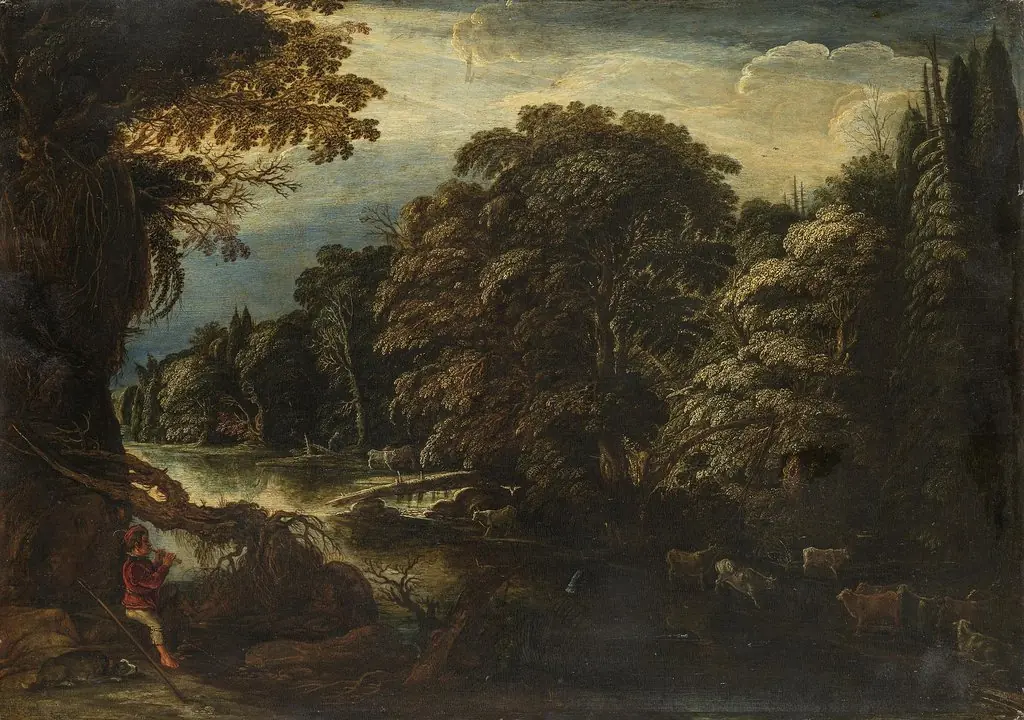 Forest
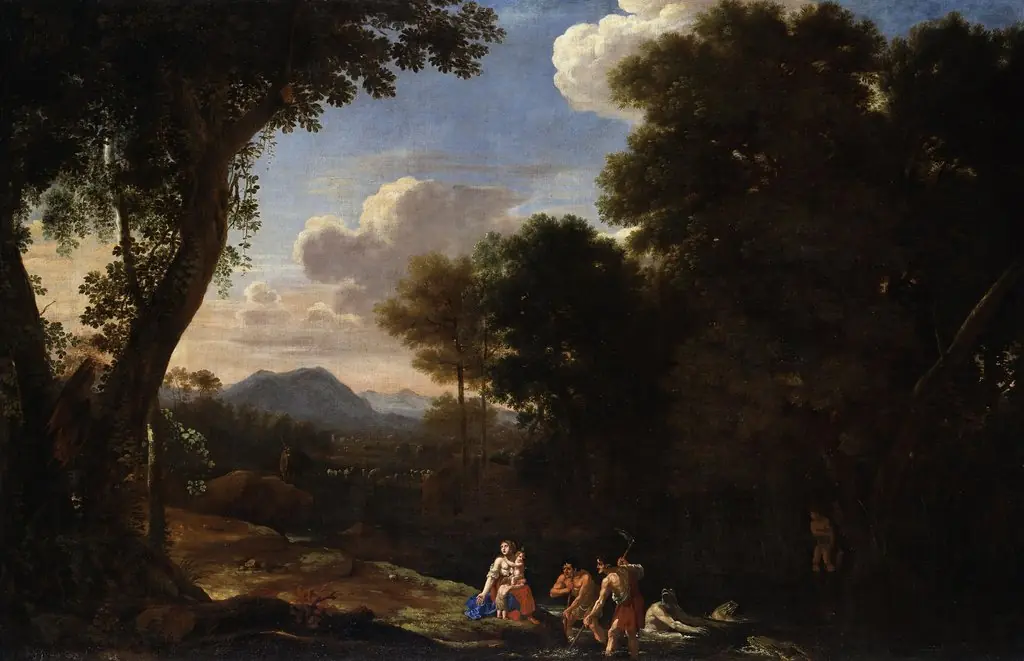 An Italian Landscape with Staffage from the Latona Story
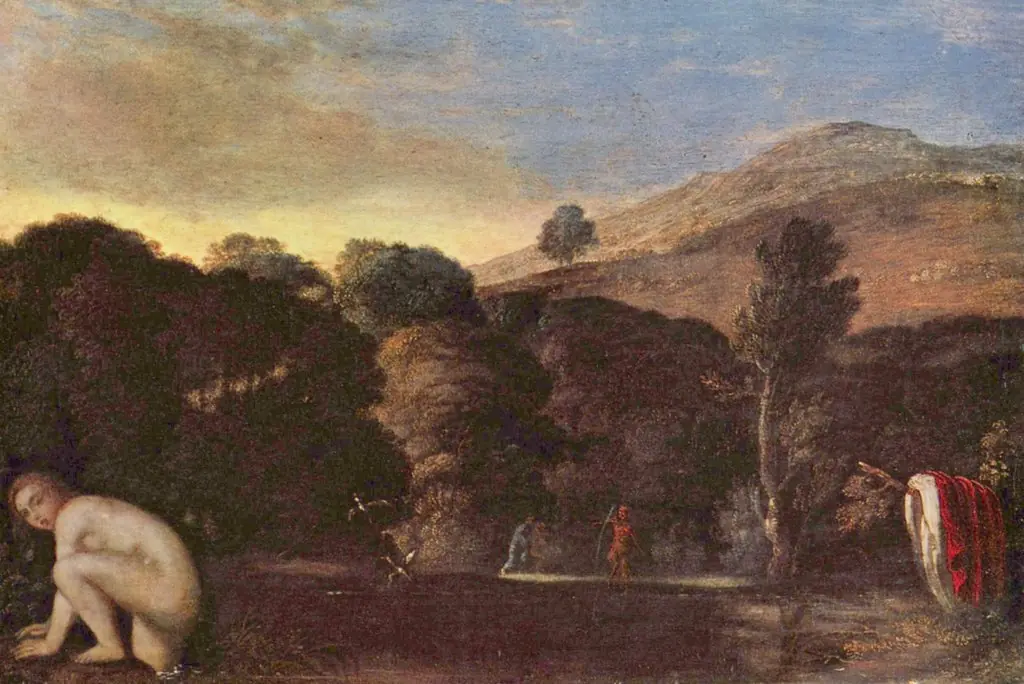 Landscape with bathing nymph
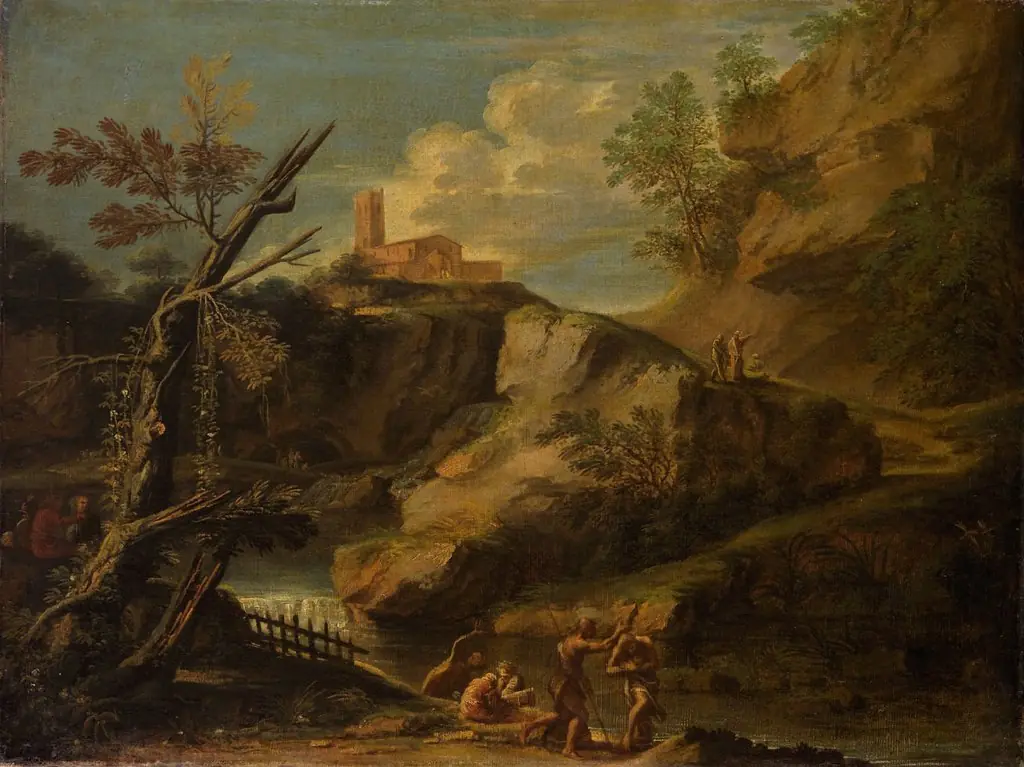 Taufe Christi
 Landscape with River and Boats