Artwork
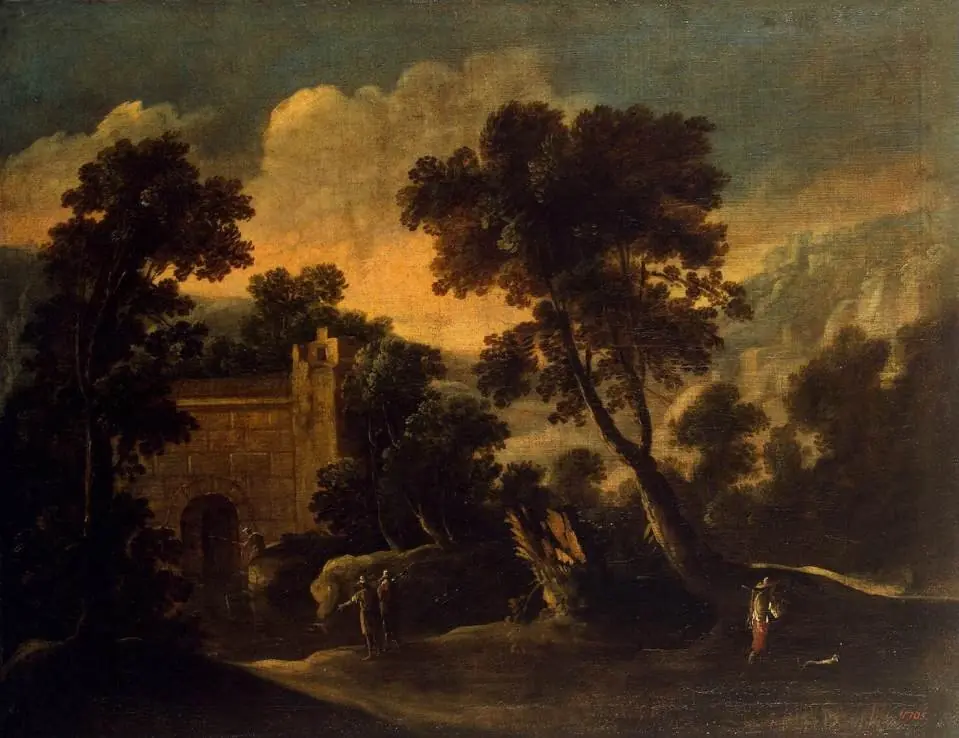
Landscape with Shepherds
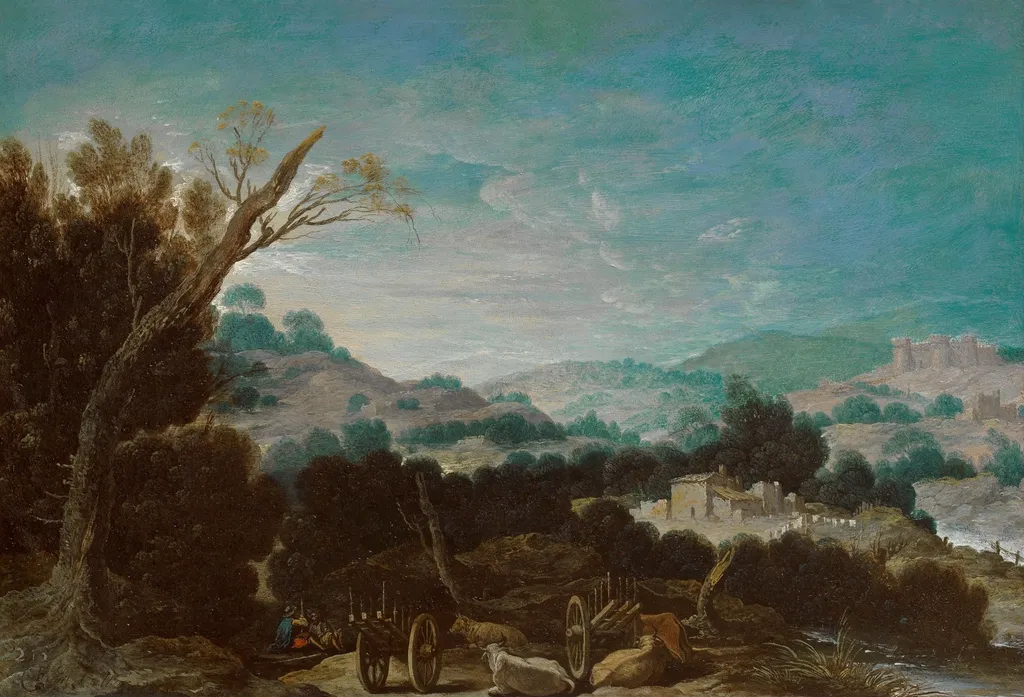
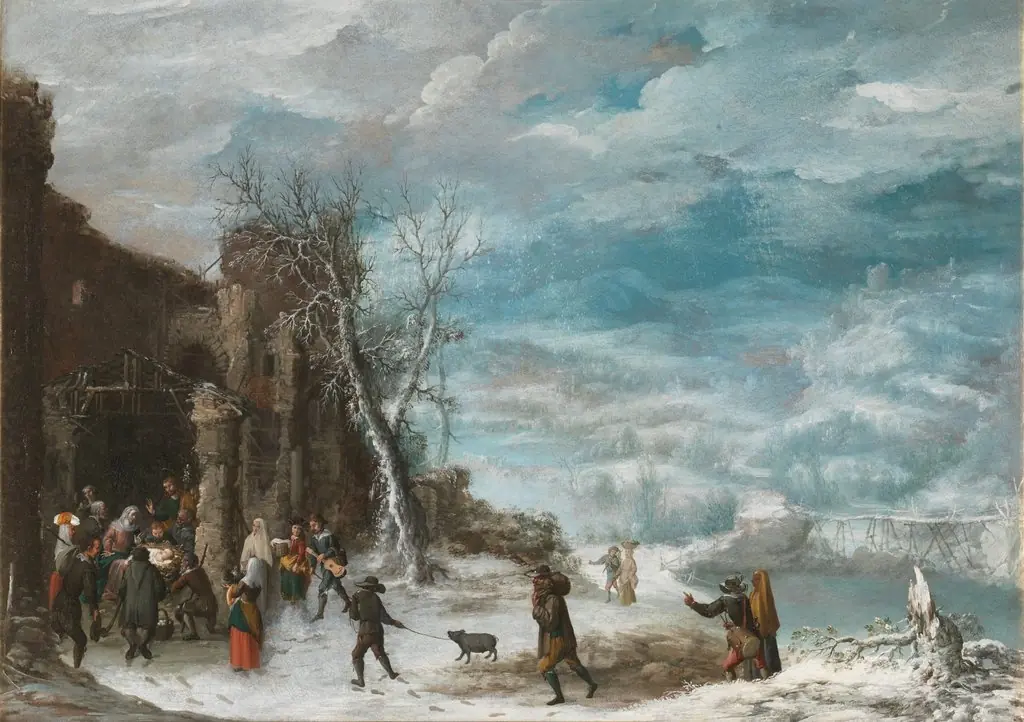
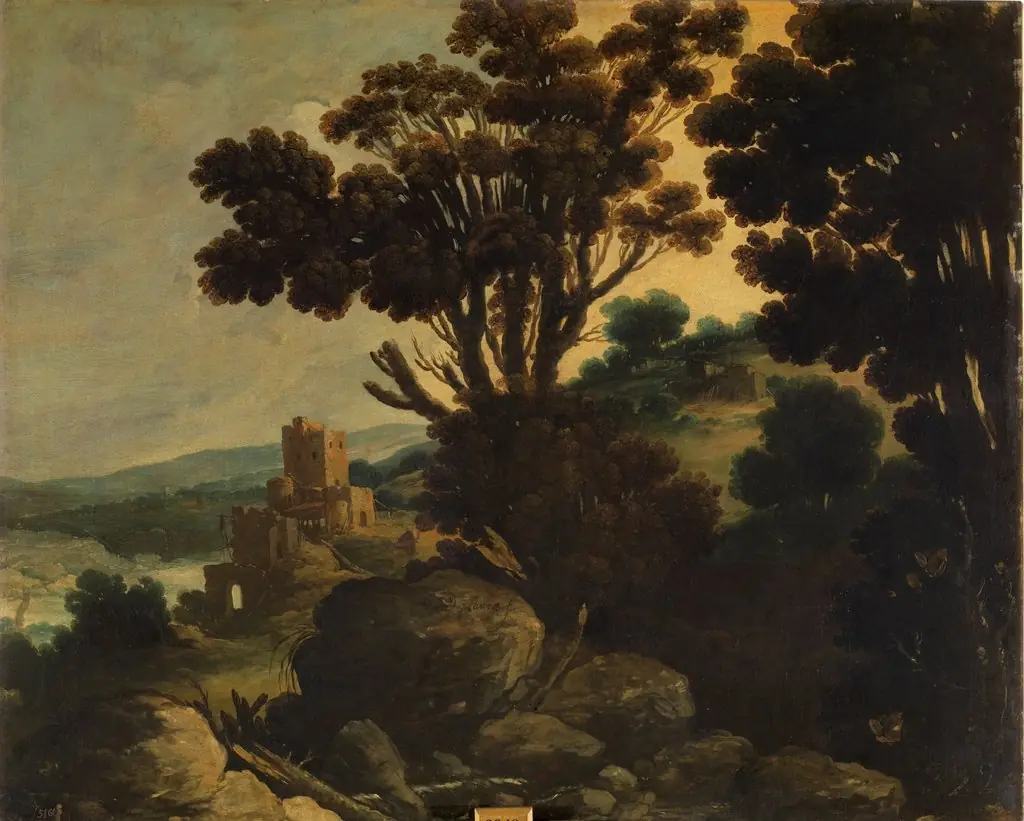
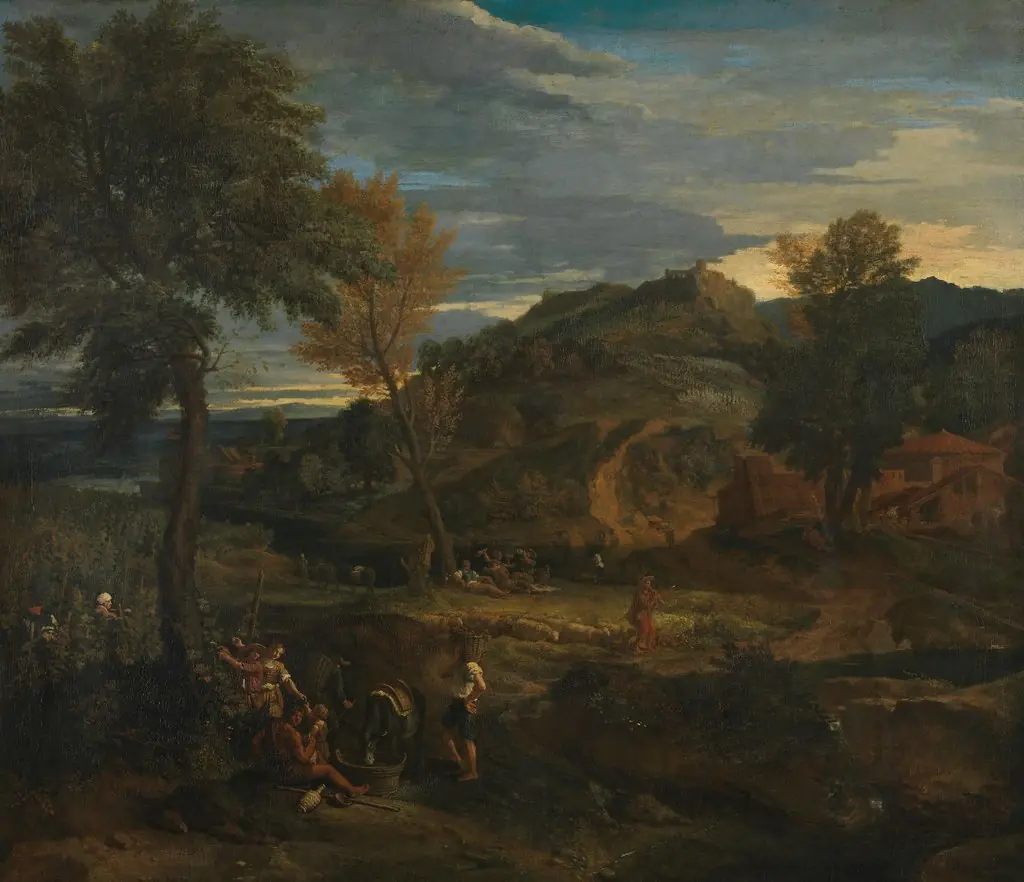
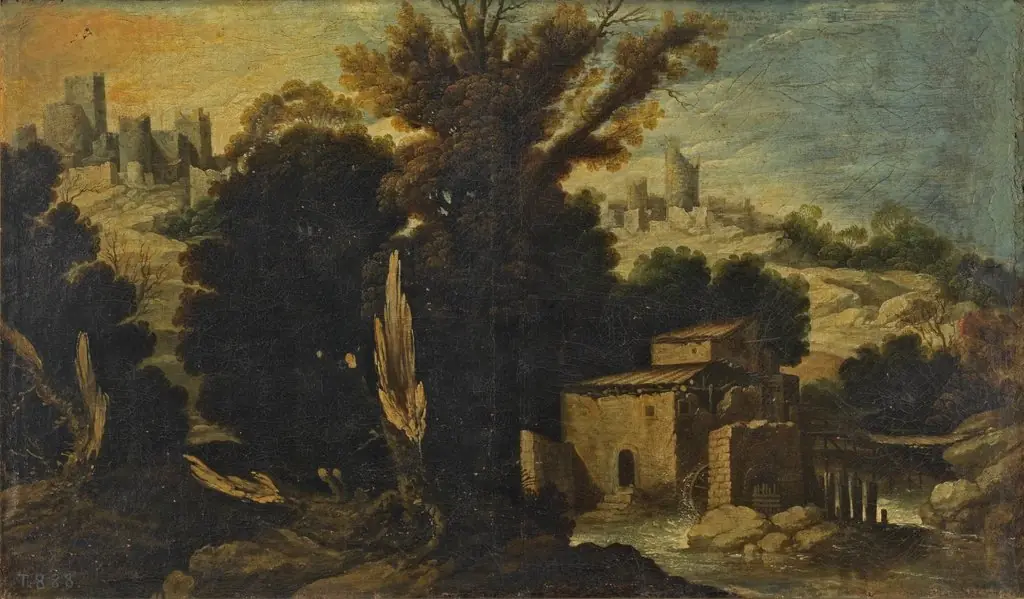
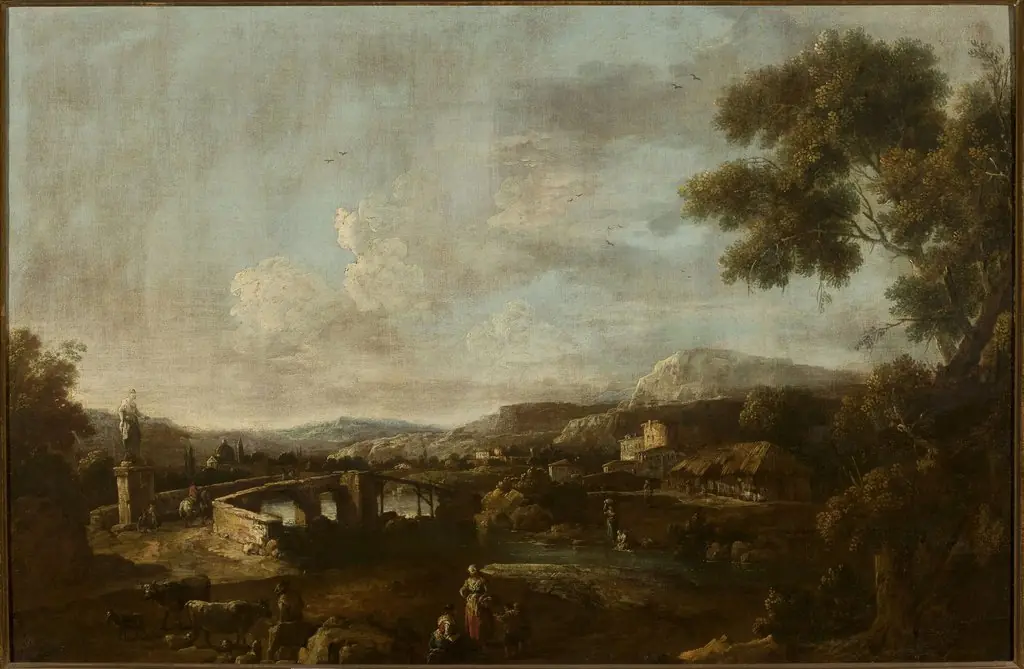
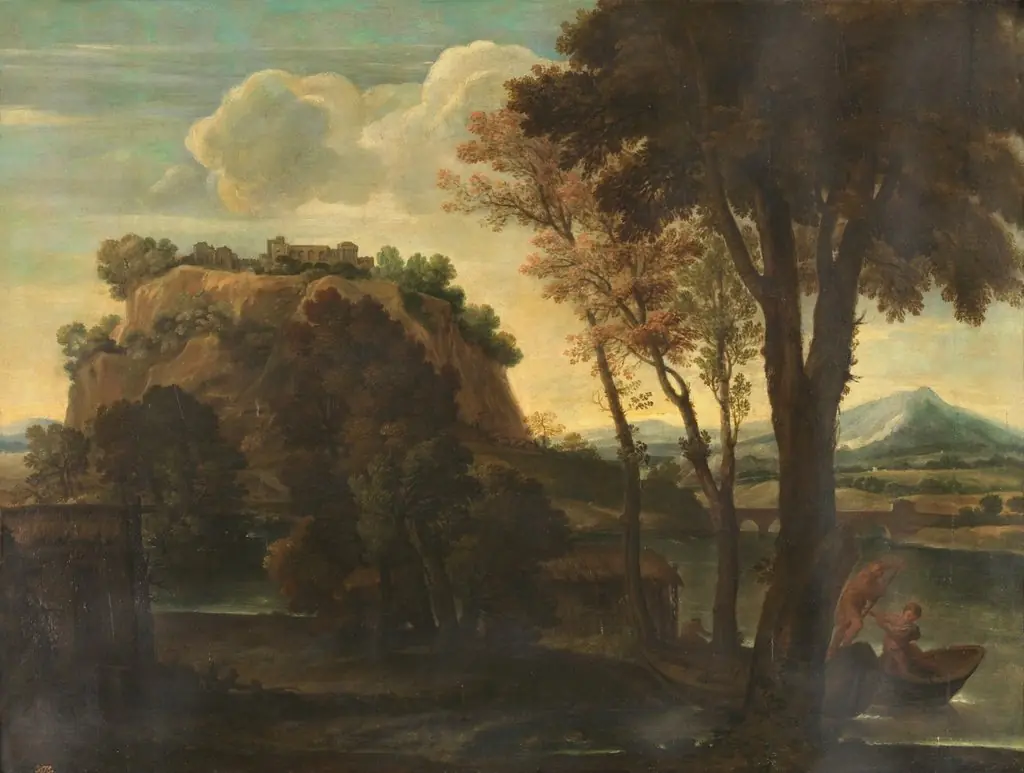
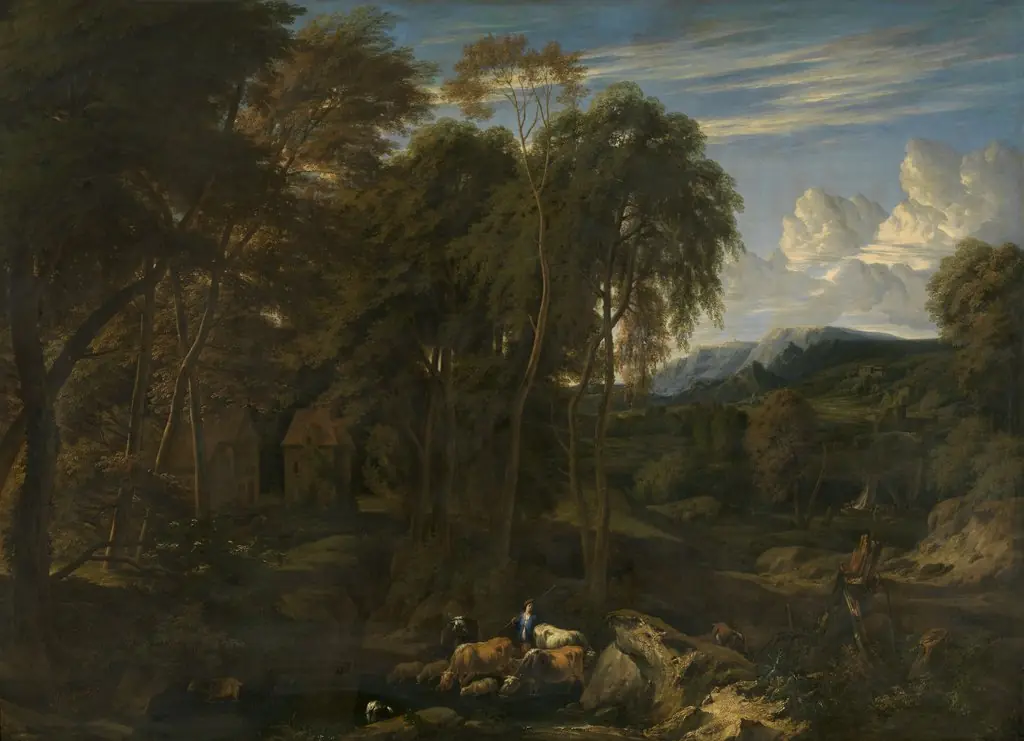
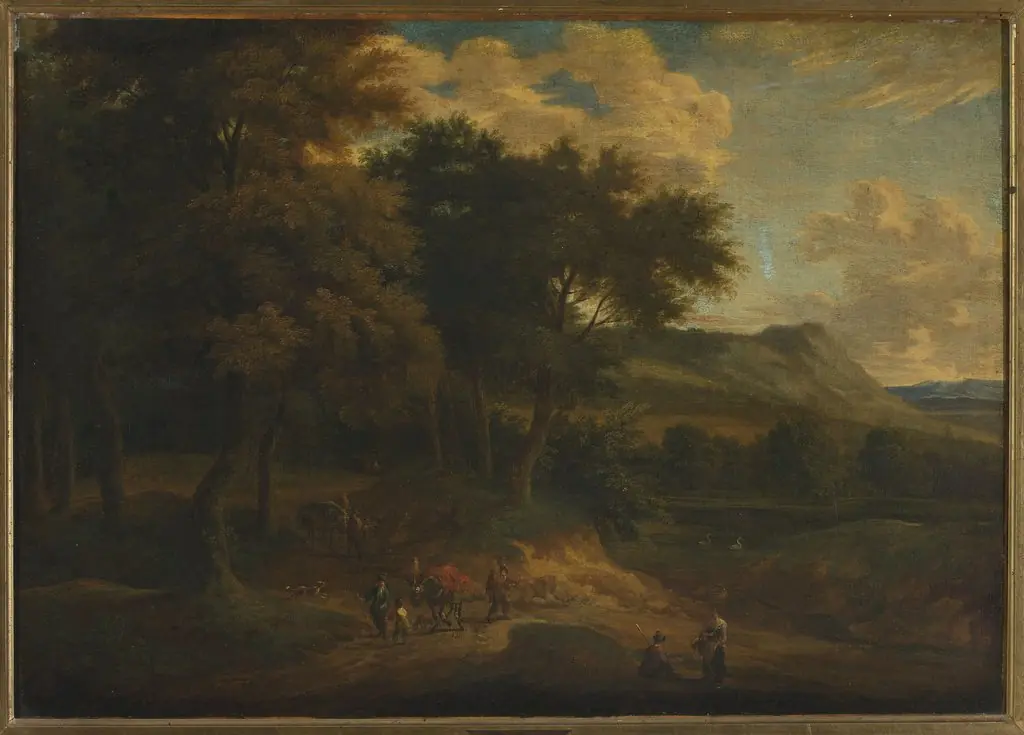
Landscape with Shepherds is an unspecified painting by the Early Baroque Italian artist Francisco Collantes. It dates from 1600 and is held in the collection of the Museo del Prado. Created around the turn of the 17th century, this oil painting presents a tranquil rural tableau.
About this work
Overview
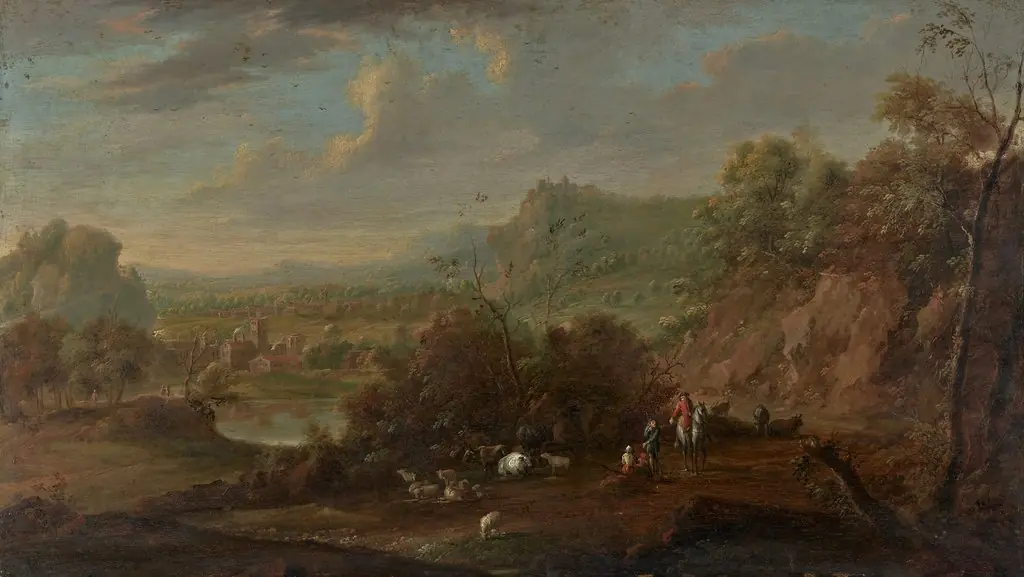
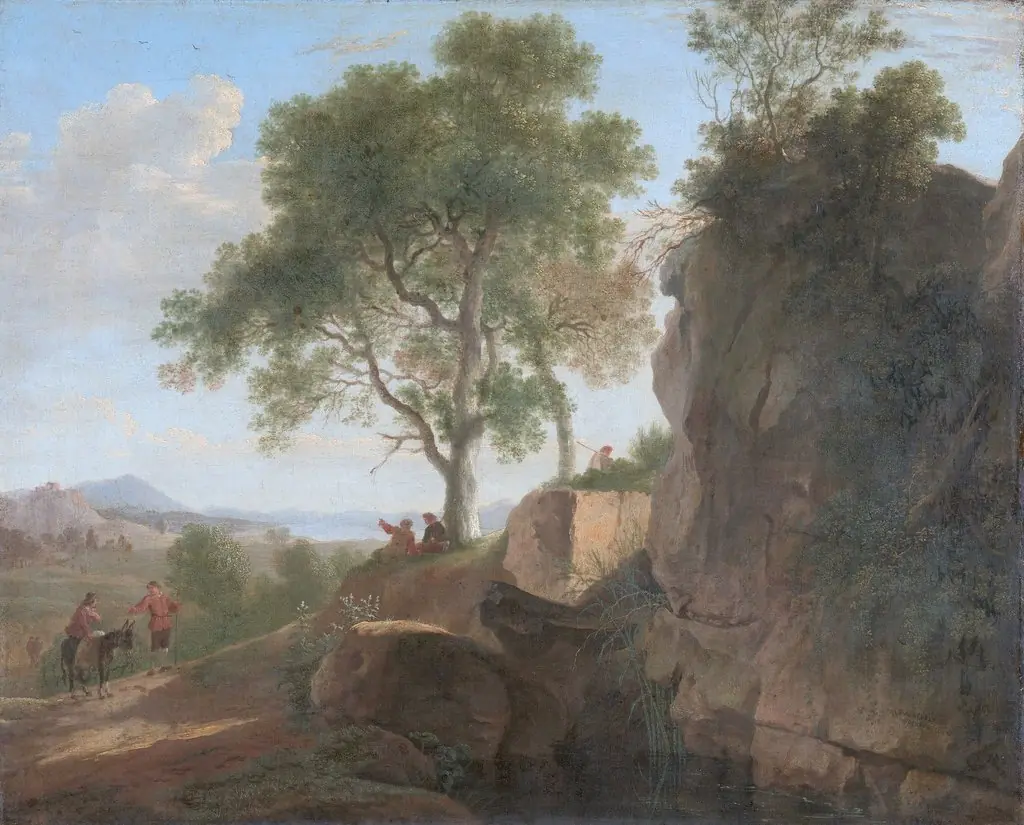
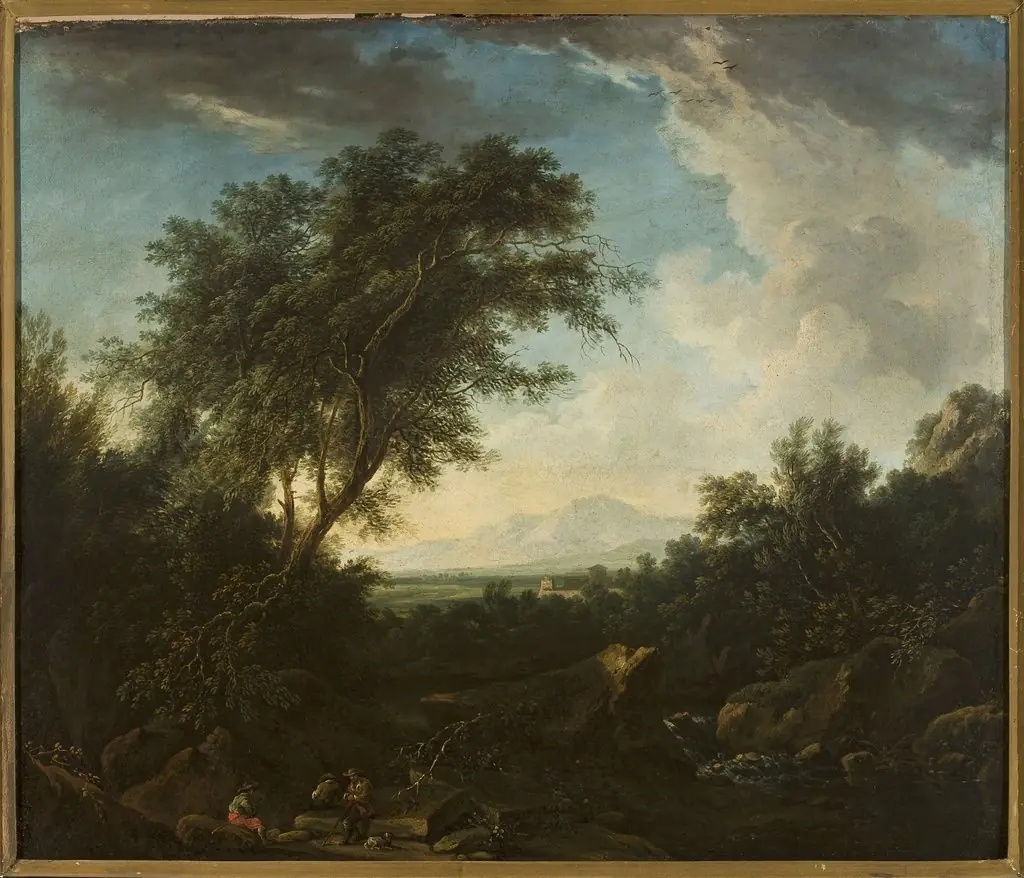
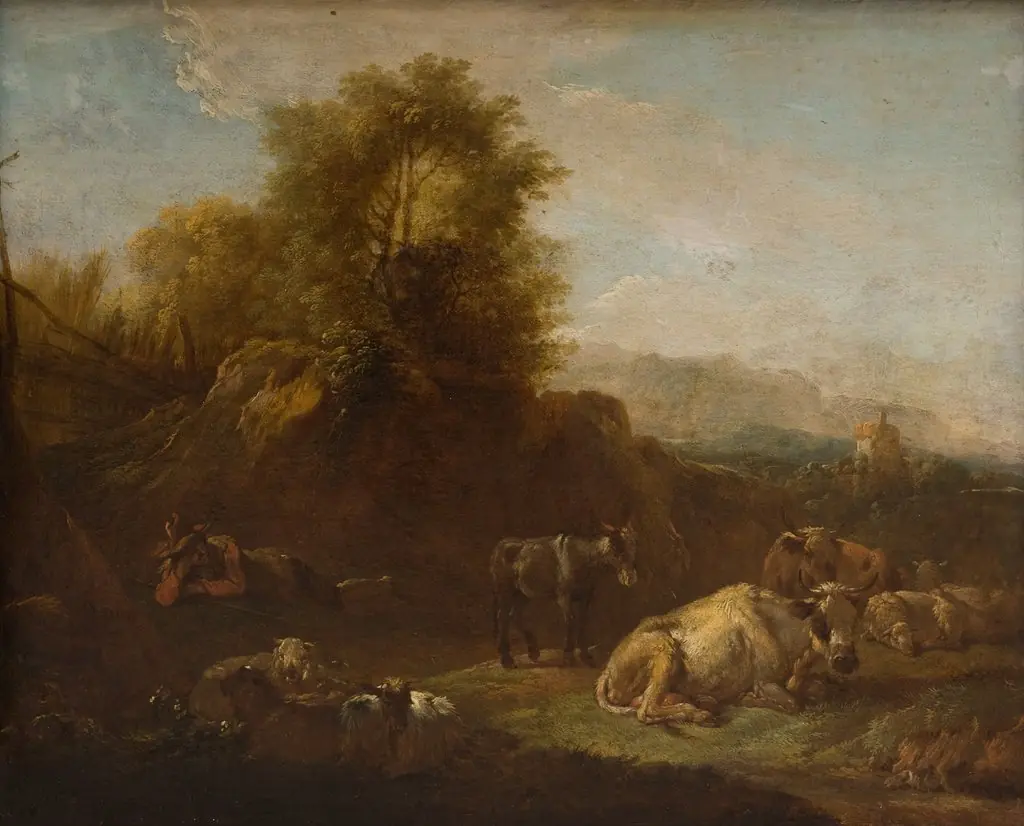
Created around the turn of the 17th century, this oil painting presents a tranquil rural tableau. A gently rolling countryside unfolds beneath a sky that recedes into distant hills, while a modest cart and a few resting animals occupy the foreground, anchoring the composition in everyday life.
Subject & Meaning
The work portrays shepherds and their environment, emphasizing the harmony between humans, livestock, and the natural world. By focusing on a simple, peaceful scene rather than overt narrative, the artist invites contemplation of pastoral serenity and the timeless rhythm of agrarian labor.
Technique & Style
The painter employs a restrained palette and careful modulation of light to suggest depth, echoing the chiaroscuro techniques popular in early Baroque art. Landscape elements are rendered with soft brushwork, while the cart and animals receive sharper detailing, creating a balanced visual hierarchy.
History & Provenance
Attributed to a Madrid-born artist active in the early 1600s, the piece entered the national collection of Spain’s capital museum in the 20th century. Its presence in the museum’s holdings reflects the institution’s commitment to representing the country’s Baroque heritage.
Context
The composition reflects influences from the Neapolitan School and earlier Venetian landscape traditions, integrating dramatic lighting with a lyrical treatment of nature. Such synthesis aligns the work with broader European trends that merged religious and pastoral motifs during the period.
Own this work as a print
Artist & collection
Artist
Francisco Collantes (1599–1656) was a Spanish Baroque era painter. Collantes was born in Madrid but sought influence from Jusepe de Ribera and the Neapolitan School. He was also influenced by 16th century Venetian…