Artwork
The Vision of Ezekiel
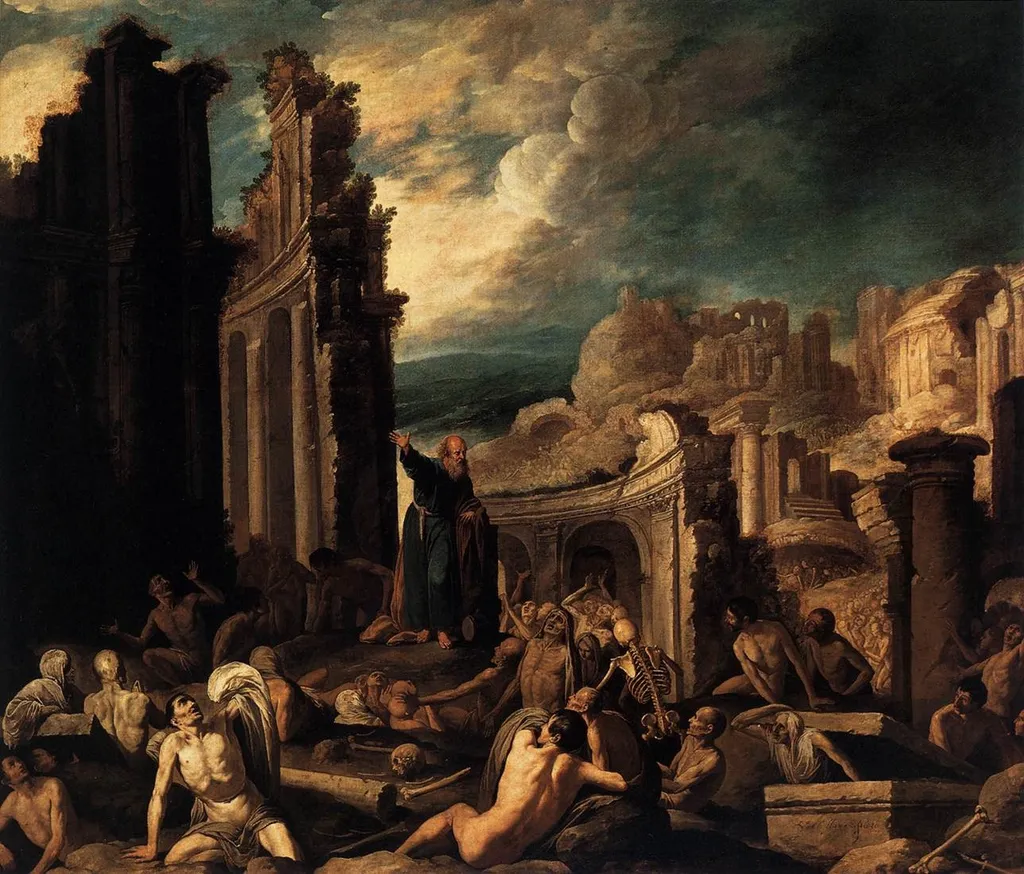
The Vision of Ezekiel is an oil painting by the Early Baroque Italian artist Francisco Collantes. It dates from 1630 and is held in the collection of the Museo del Prado.
About this work
Overview
Francisco Collantes, a Madrid‑born painter of the early seventeenth century, executed The Vision of Ezekiel in 1630 with oil on canvas. The composition centers on the biblical prophet amidst a desolate ruin, surrounded by distressed figures, under a storm‑laden sky. The work is part of the Museo del Prado’s permanent collection in Madrid.
Subject & Meaning
The painting interprets the prophetic episode from Ezekiel’s book, where the seer receives a divine revelation. Collantes places the elderly prophet, white‑haired and robed, gesturing upward, while nearby companions react with shock and anguish. The crumbling architecture and scattered bodies evoke the turmoil of a world in decay, underscoring the spiritual urgency of the vision.
Technique & Style
Collantes employs a stark chiaroscuro, juxtaposing deep shadows with illuminated patches that highlight the figures’ faces and the prophet’s outstretched hand. Earthy browns, grays, and near‑black tones dominate the palette, punctuated by brief flashes of light. The handling reflects the influence of Jusepe de Ribera and the dramatic tenebrism of Neapolitan Baroque.
History & Provenance
Created during Collantes’s mature period, the painting remained in Spanish collections before entering the Museo del Prado. Its provenance traces a typical path for 17th‑century Spanish religious works, moving from private or ecclesiastical ownership to the national museum, where it has been displayed since the early twentieth century.
Artist & collection
Artist
Francisco Collantes (1599–1656) was a Spanish Baroque era painter. Collantes was born in Madrid but sought influence from Jusepe de Ribera and the Neapolitan School. He was also influenced by 16th century Venetian…

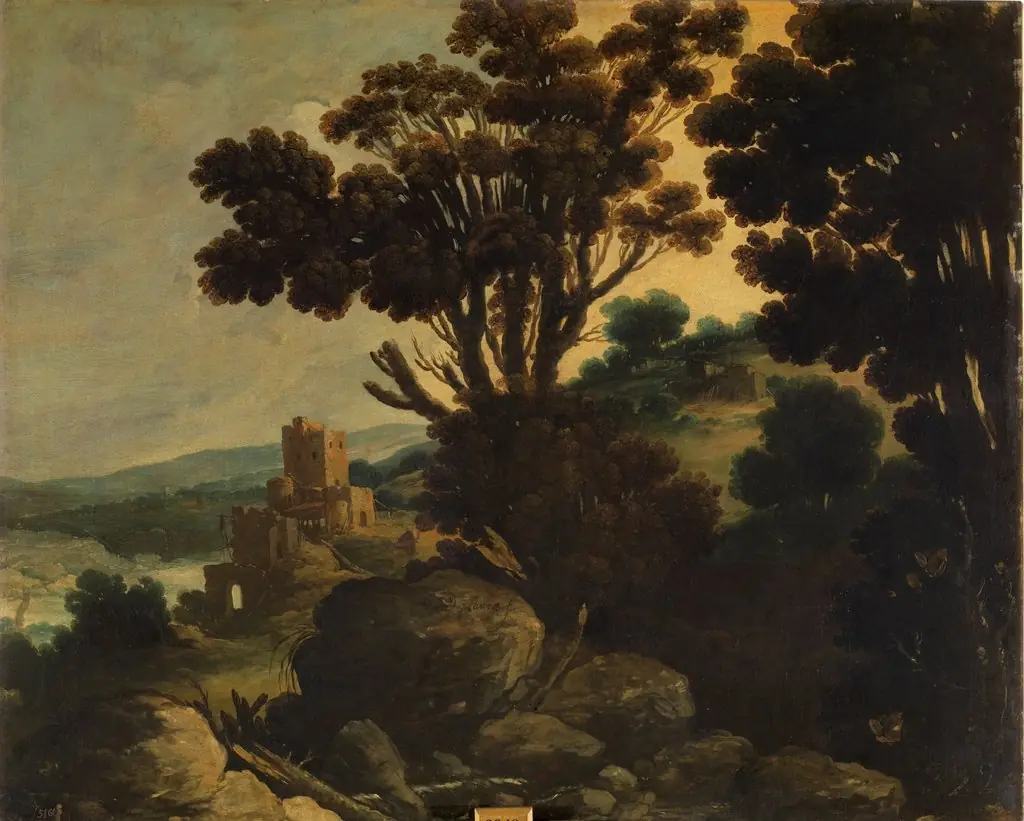
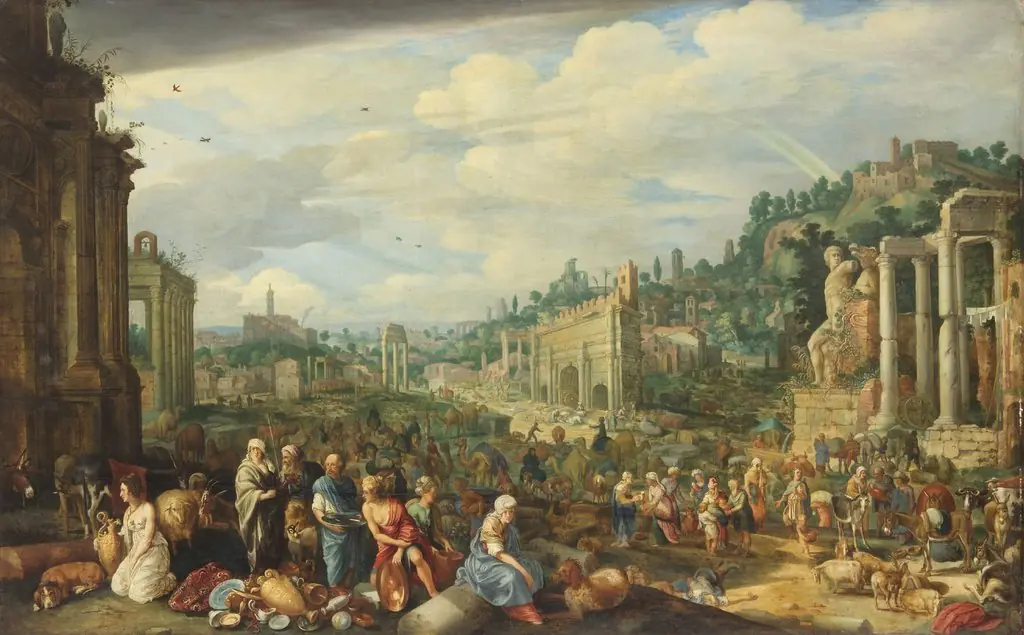 Ansicht des Campo Vaccino in Rom (Aufbruch der Israeliten aus Ägypten)
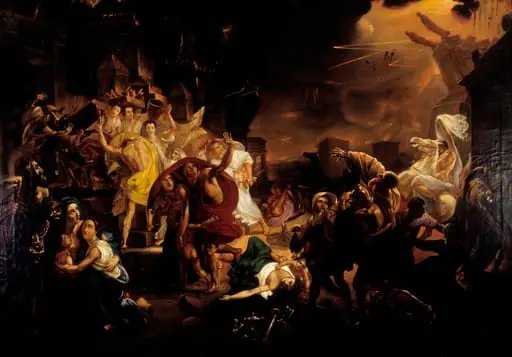 Pompejin viimeiset päivät, kopio
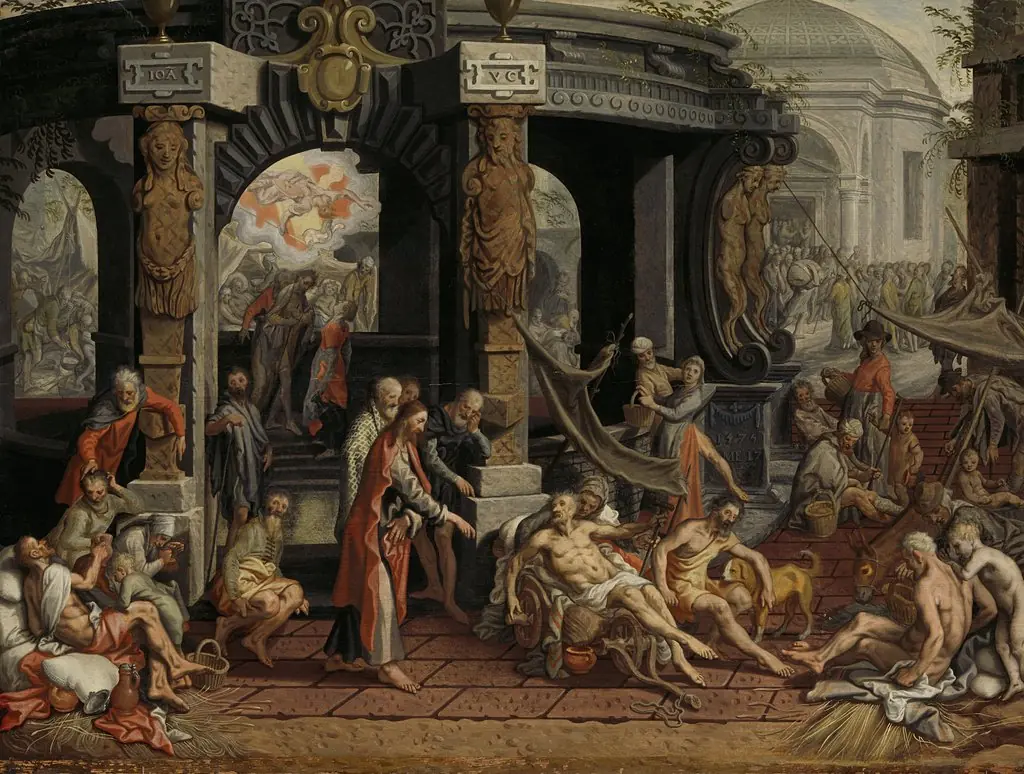 The Healing of the cripple of Bethesda
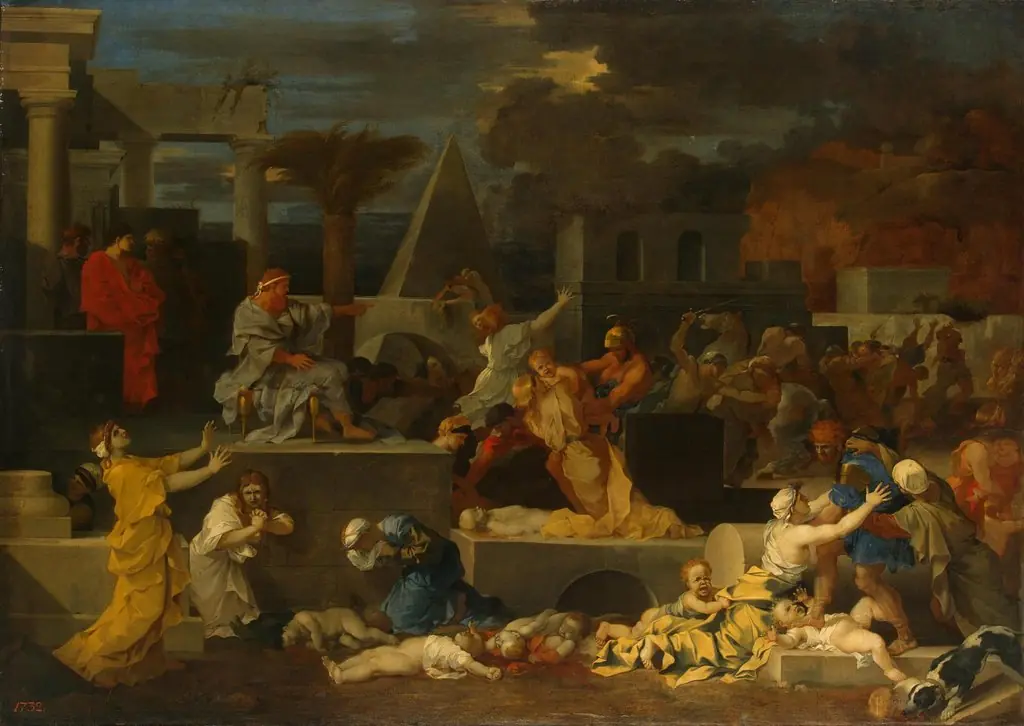 Massacre of the Innocents
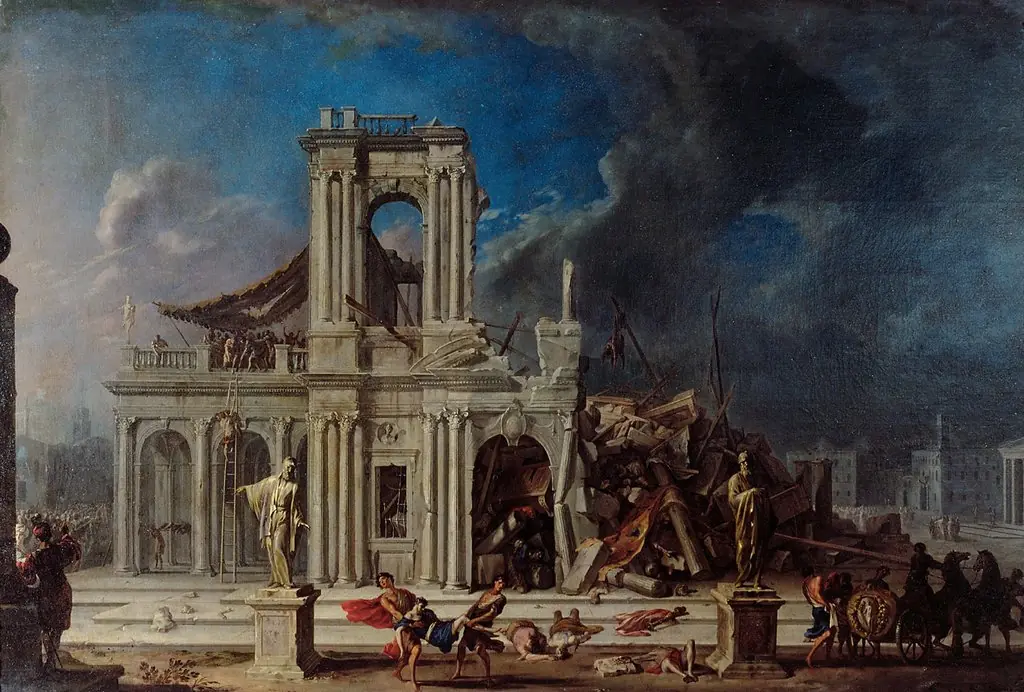 Samson's Revenge on the Philistines
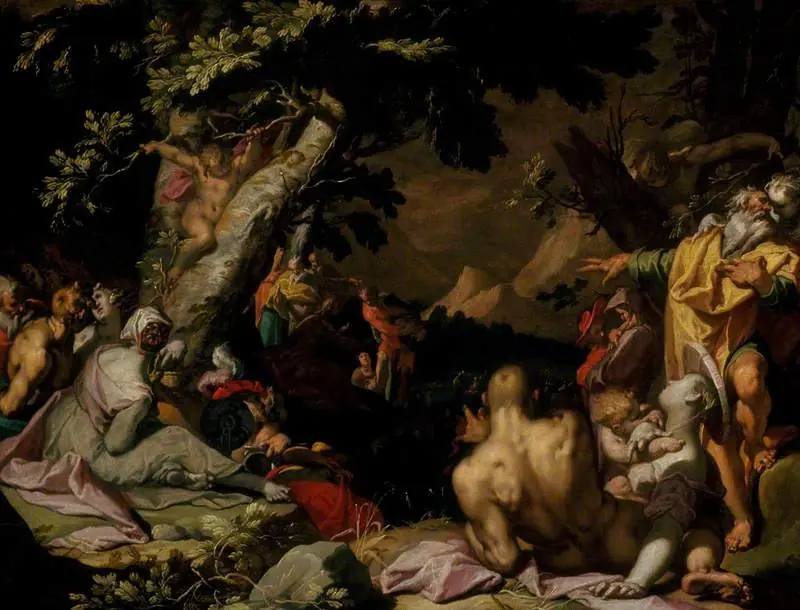 Miracle of the loaves (Jesus feeds the five thousand)
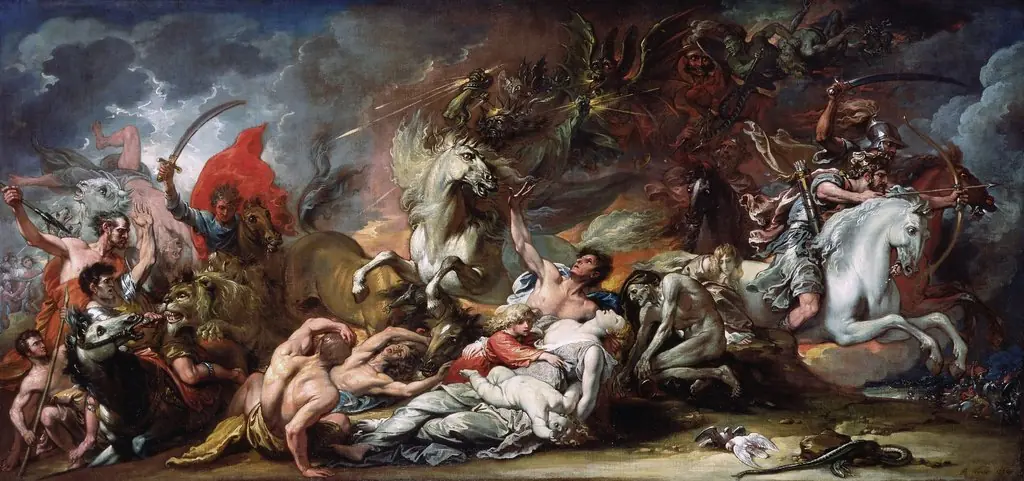 Death on the Pale Horse
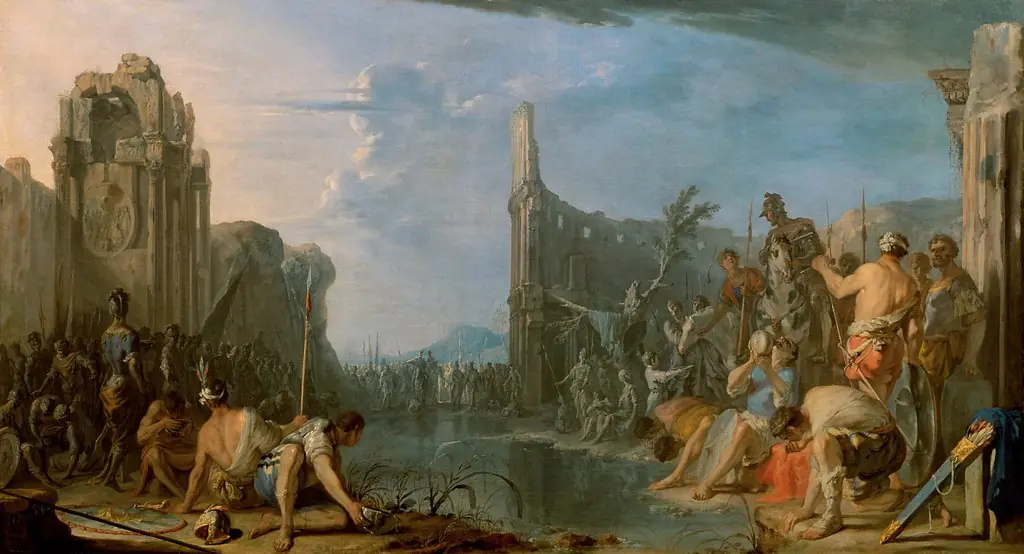 Gideon Checks His Army
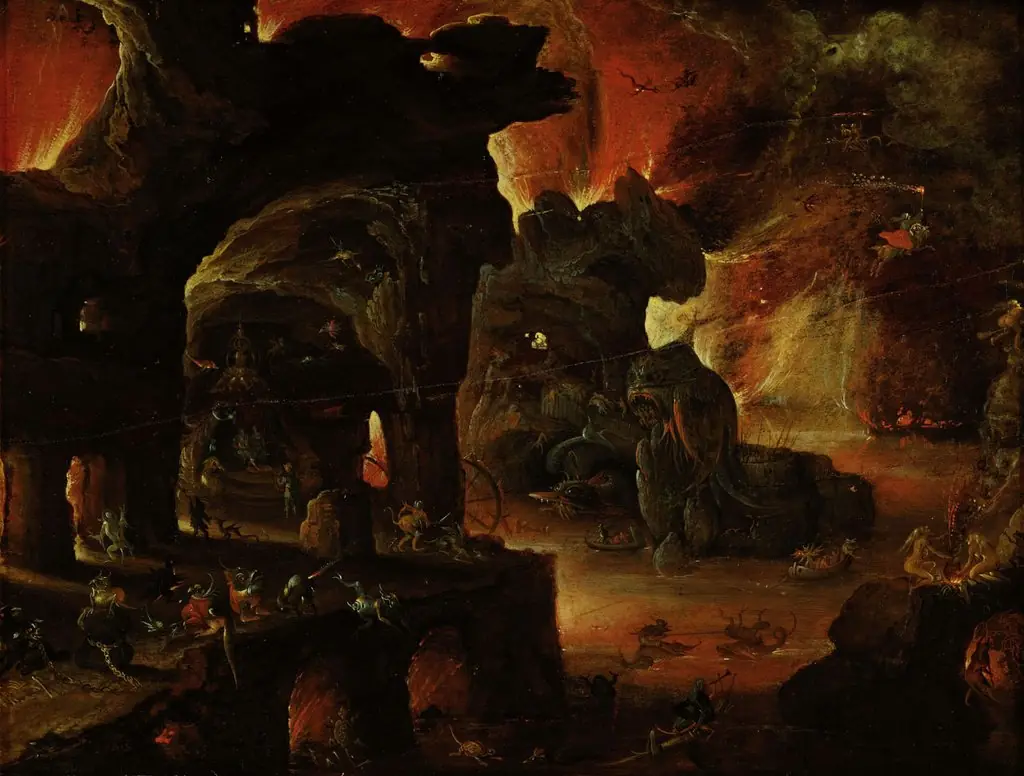 Orpheus in the Underworld
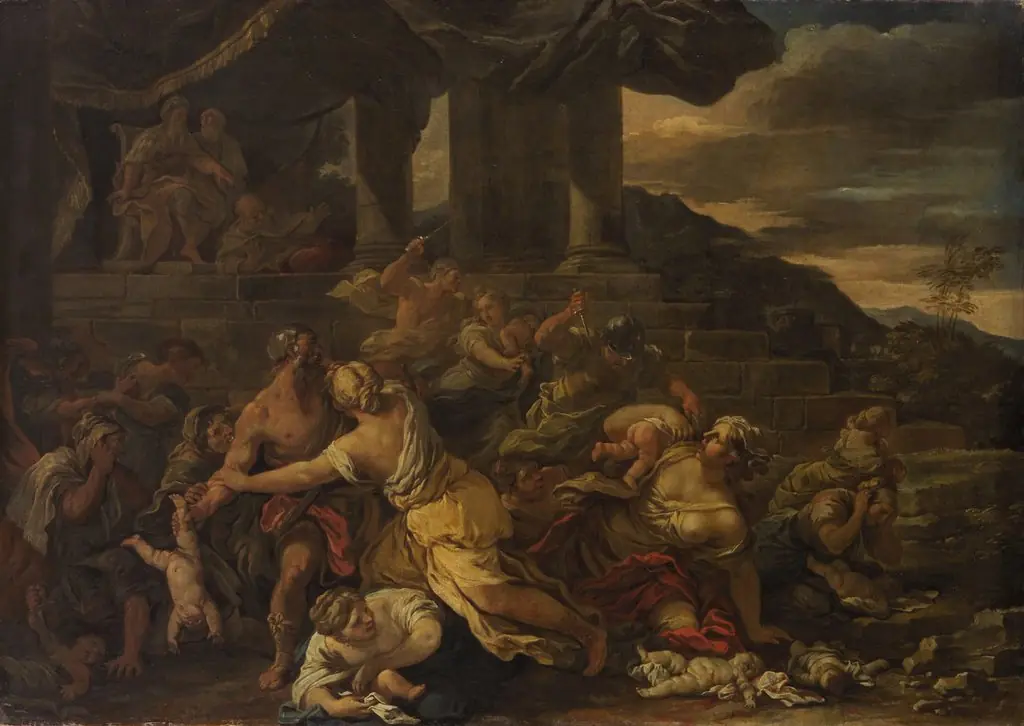 Killing of the Children in Bethlehem
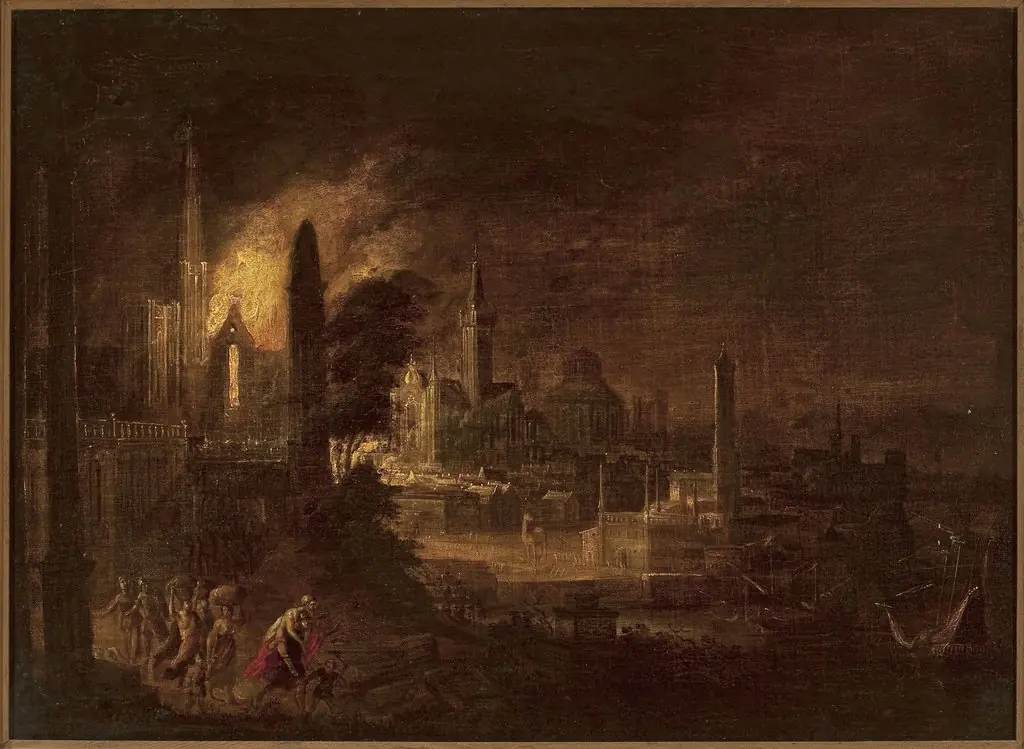 Fire of Troy
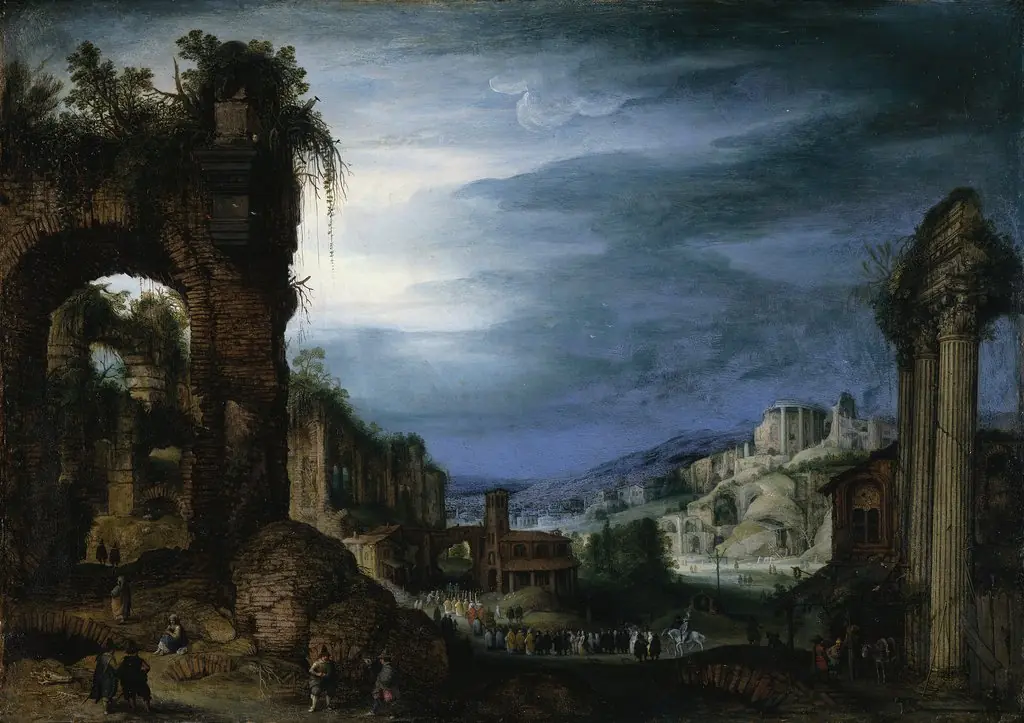 Landscape with Roman Ruins and a Procession