Artwork
And His House is on Fire, Plate 18
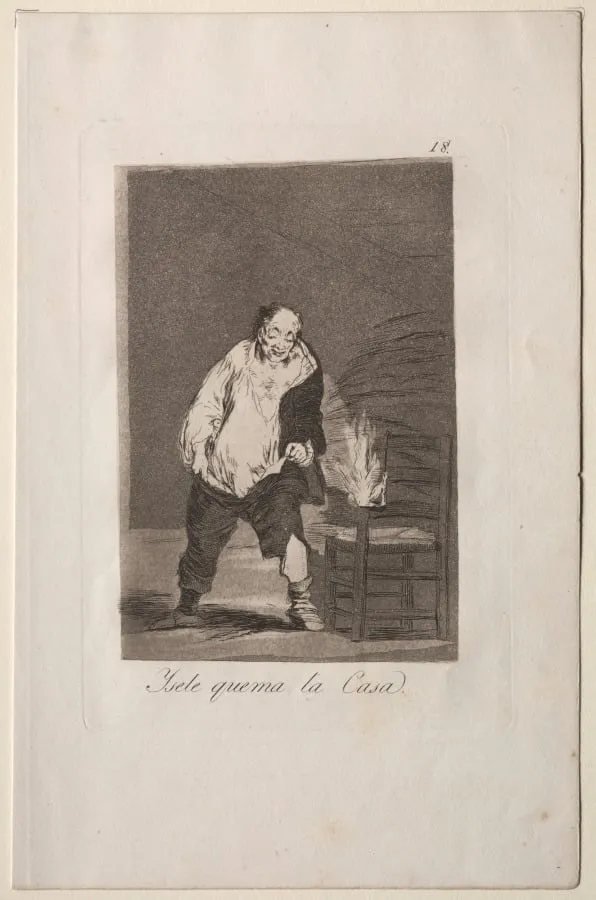
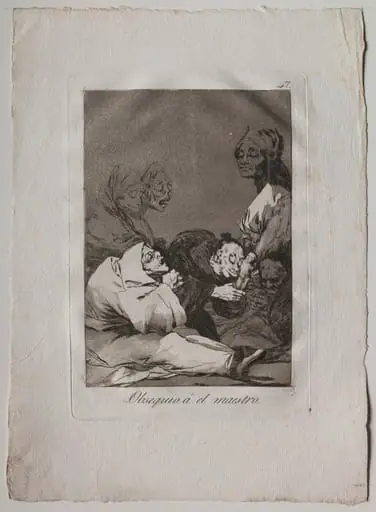
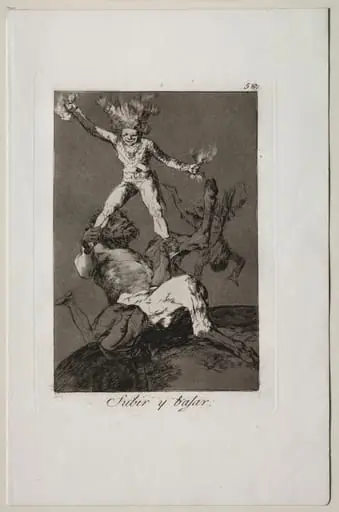
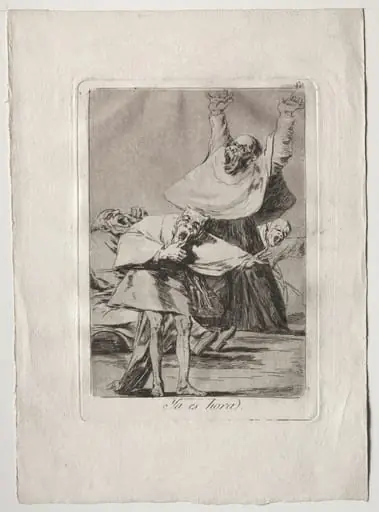
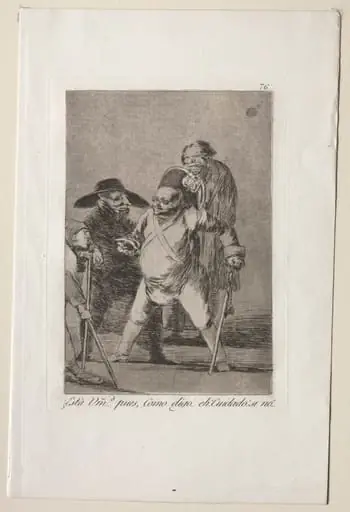
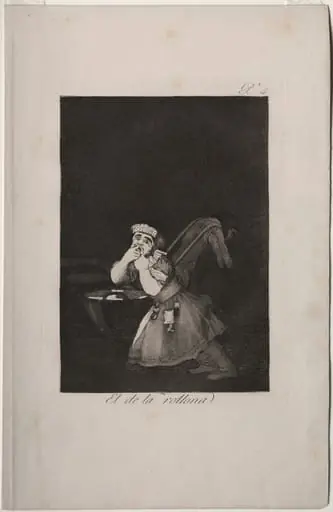
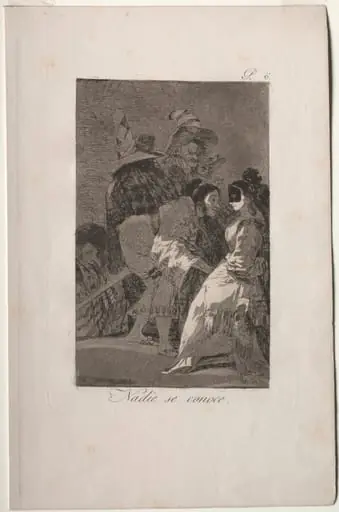
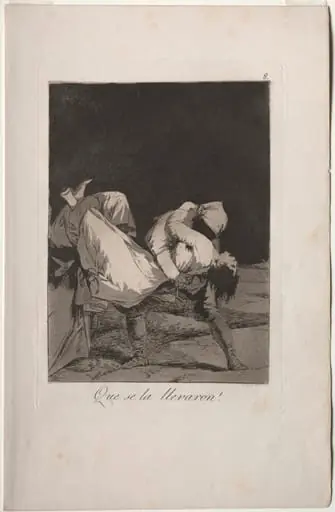
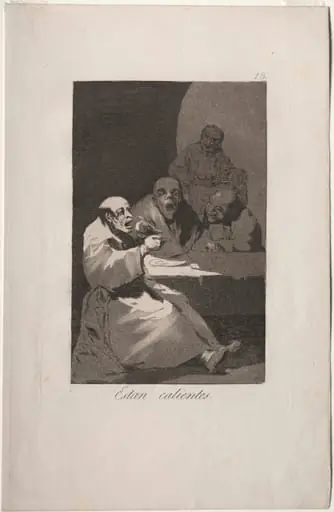
And His House is on Fire, Plate 18 is a print by the Romanticist artist Francisco Goya. It dates from 1799 and is held in the collection of the Cleveland Museum of Art. Created around 1799, this print by Francisco de Goya is the eighteenth plate in a series that explores human suffering and societal decay.
About this work
Overview
Created around 1799, this print by Francisco de Goya is the eighteenth plate in a series that explores human suffering and societal decay.
Created around 1799, this print by Francisco de Goya is the eighteenth plate in a series that explores human suffering and societal decay. Executed in ink and wash, it presents a solitary figure in distress against a backdrop of ruin. The work is part of a larger collection known for its unflinching gaze at human vulnerability. It resides today in The Cleveland Museum of Art, where it continues to invite contemplation on themes of loss and neglect.
Subject & Meaning
The figure, cloaked in tattered garments and clutching his head, appears paralyzed by the fire consuming the structure behind him. The Spanish inscription, 'Hele quema la Casa,' serves as a blunt observation rather than a cry for help. The man’s inaction suggests resignation or helplessness, possibly reflecting broader societal indifference to personal or communal collapse. The scene resists moralizing, instead offering a quiet, unsettling portrait of despair.
Technique & Style
Goya employs stark contrasts of ink wash to define form and atmosphere, using minimal lines to suggest texture and depth. Shadows dominate the composition, isolating the figure in a pool of darkness while the fire glows faintly in the background. The rough, almost sketchlike quality enhances the sense of immediacy and emotional rawness. This approach aligns with the expressive potential of printmaking, prioritizing mood over detail.
History & Provenance
The print was produced during Goya’s early period of dark thematic exploration, preceding his later Black Paintings. It was originally part of a bound album of etchings, likely intended for private circulation. The work entered The Cleveland Museum of Art’s collection through established acquisition channels in the 20th century, where it remains among the most studied examples of his graphic work from this phase.
Context
Created amid political instability and shifting social hierarchies in late 18th-century Spain, the image resonates with contemporary anxieties about decay and moral erosion. Goya’s series reflects a growing disillusionment with Enlightenment ideals, turning instead to the fragility of human institutions. This plate, like others in the set, functions as a visual commentary on the quiet tragedies overlooked by authority and society.
Legacy
This print contributed to the evolution of modern printmaking as a vehicle for psychological and social critique. Its influence extends to later artists who embraced expressive line and somber tone to convey inner turmoil. While not widely exhibited in isolation, it remains a key reference in studies of Goya’s graphic output and the emergence of modern visual pessimism.
Artist & collection
Artist
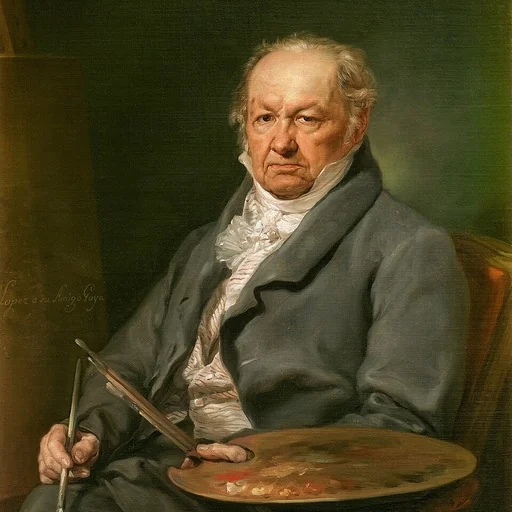
Francisco José de Goya y Lucientes (; Spanish: ; 30 March 1746 – 16 April 1828) was a Spanish romantic painter and printmaker.