Artwork
Our Lady of Belém
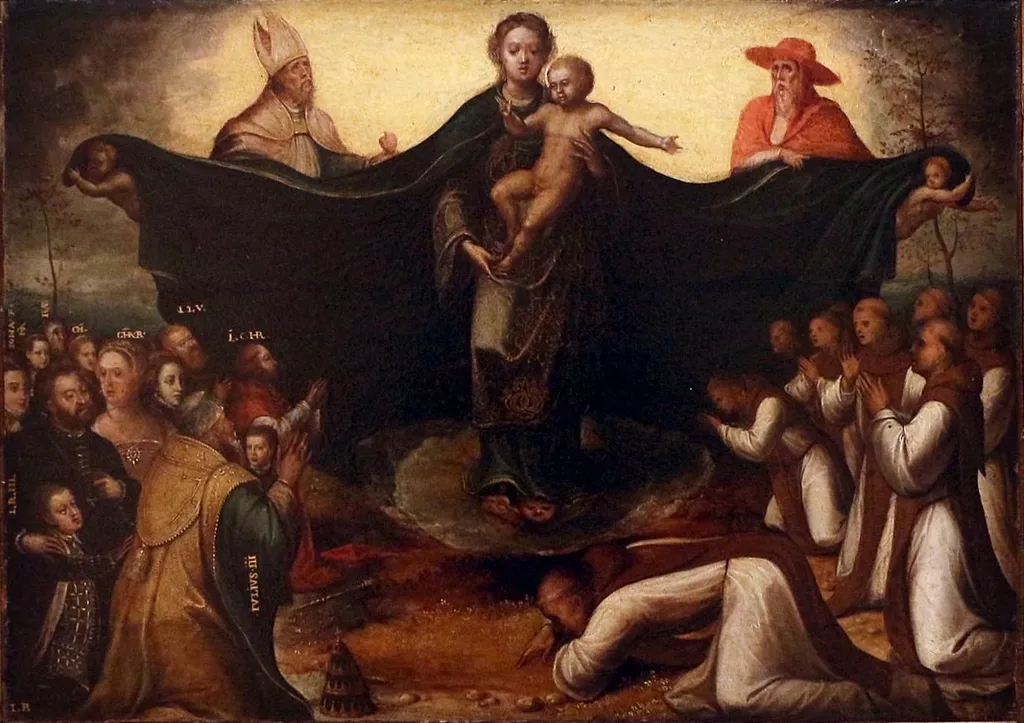
Our Lady of Belém is an unspecified painting by the Byzantine icon painting artist Francisco de Holanda. It dates from 1550 and is held in the collection of the National Museum of Ancient Art.
About this work
Overview
Our Lady of Belém is a 16th-century painting by Francisco de Holanda, a Portuguese artist and architect who played a key role in introducing Italianate styles to Portugal. Created around 1550, the work is a religious painting held in the National Museum of Ancient Art.
Subject & Meaning
The painting centers on the Virgin Mary, serenely cradling the infant Jesus, surrounded by symbolic figures and worshippers. The composition blends Byzantine iconographic traditions with Renaissance elements, conveying an atmosphere of reverence and devotion.
Technique & Style
Holanda's use of a soft, yellowish background and the juxtaposition of dark robes with contrasting hats (red and white) on the attendant figures reflect his adaptation of Italianate styles, infused with the solemnity of Byzantine influences.
History & Provenance
Painted circa 1550 for the Portuguese royal court, where Holanda served as a court painter to Kings João III and Sebastião, the work has been preserved in the National Museum of Ancient Art.
Context
Our Lady of Belém embodies the cultural exchange of the Portuguese Renaissance, with Holanda's Italian training influencing the depiction of a traditionally religious subject, appealing to both the court and the broader religious sentiments of the time.
Legacy
While specific lasting impacts of *Our Lady of Belém* on subsequent art movements are not broadly highlighted, the painting remains a significant example of Holanda's contribution to the Portuguese Renaissance, blending European artistic trends with local religious themes.
Artist & collection
Artist
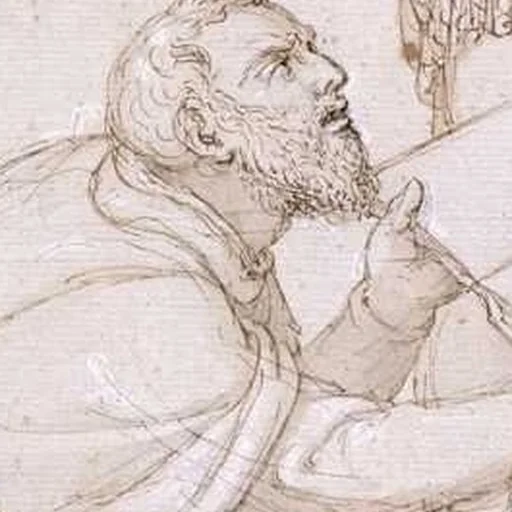
Francisco de Holanda (c. 1517 – 19 June 1585) was a Portuguese artist, architect, and art essayist. He served as a court painter for the kings João III of Portugal and Sebastião of Portugal. He was an influential figure…

 Nossa Senhora da Misericórdia
 The Virgin and the Souls of Purgatory
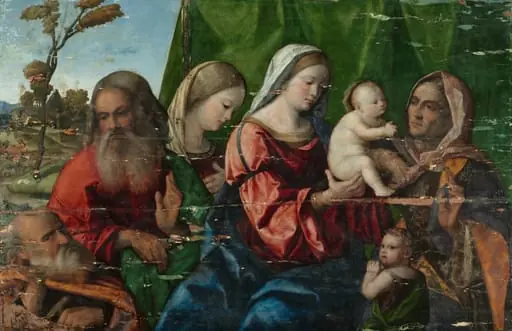 Virgin and Child with Saints
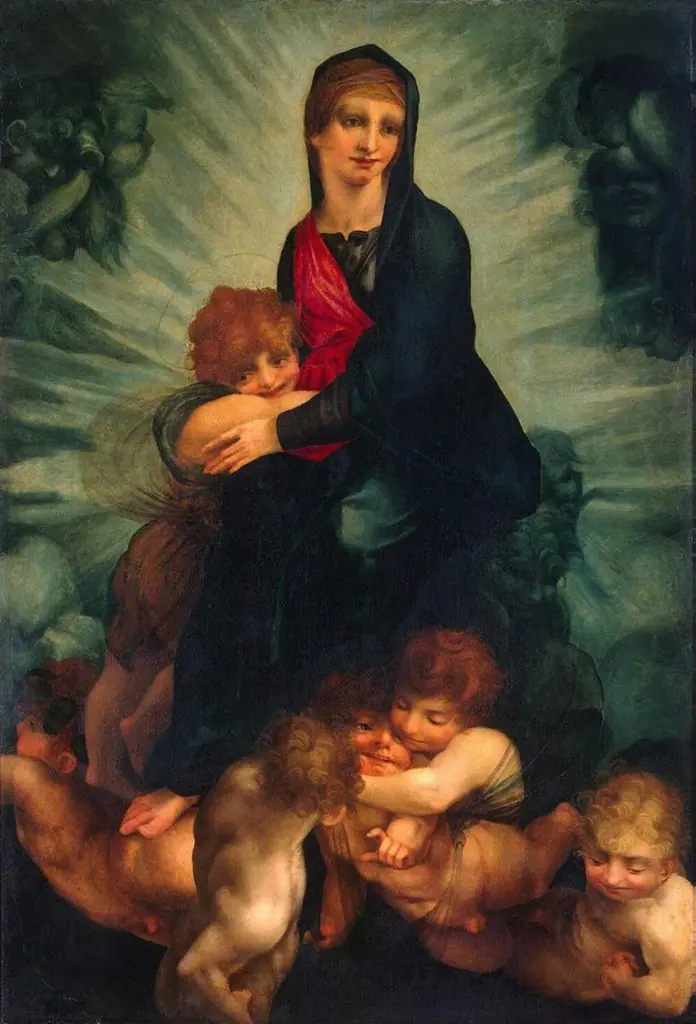 Madonna and Child with Cherubs
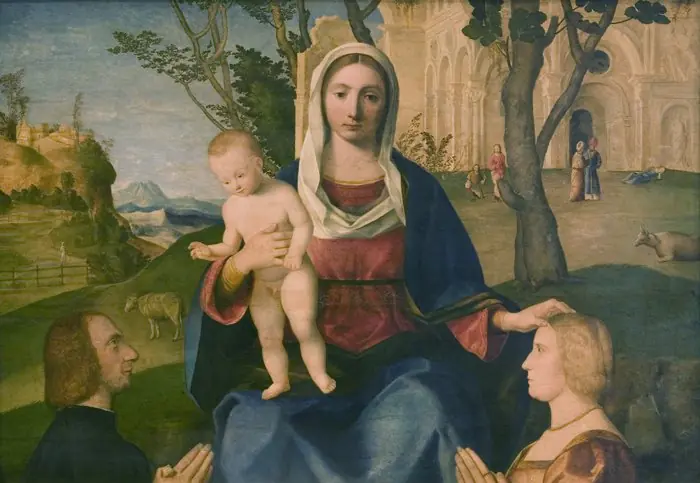 The Virgin and Child with a Male and a Female Donor
 The Virgin and Child with a Male and a Female Donor
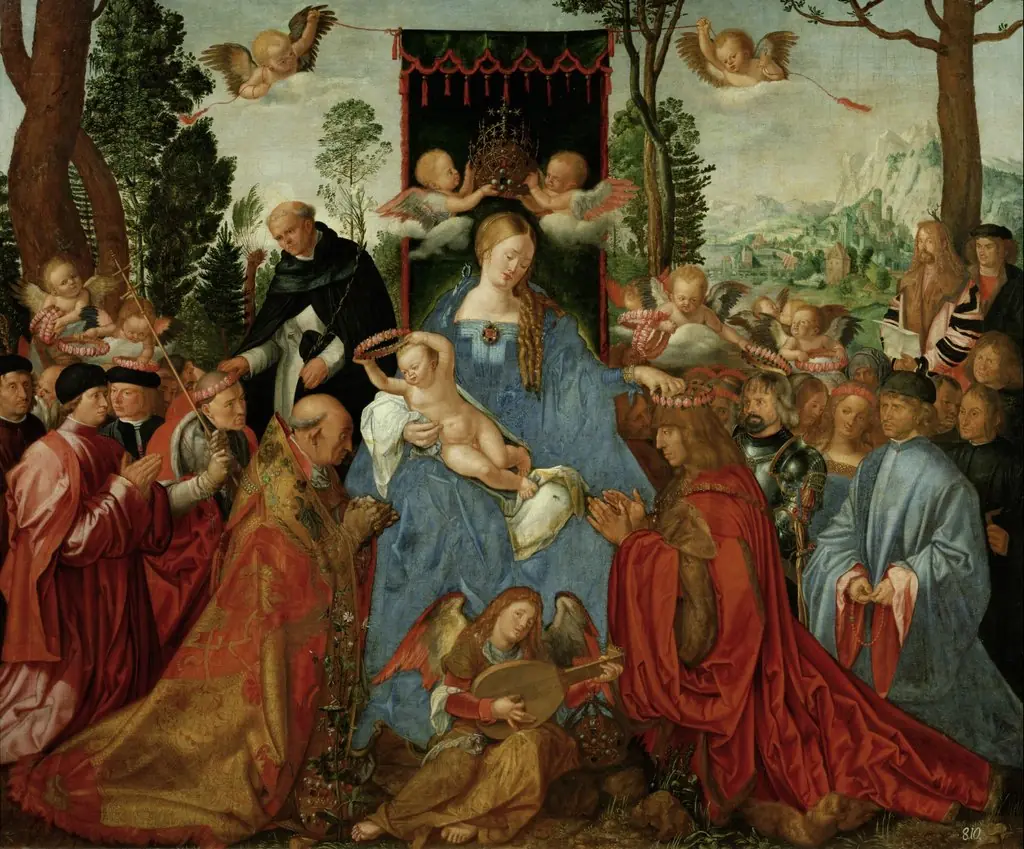 Rosenkranzfest
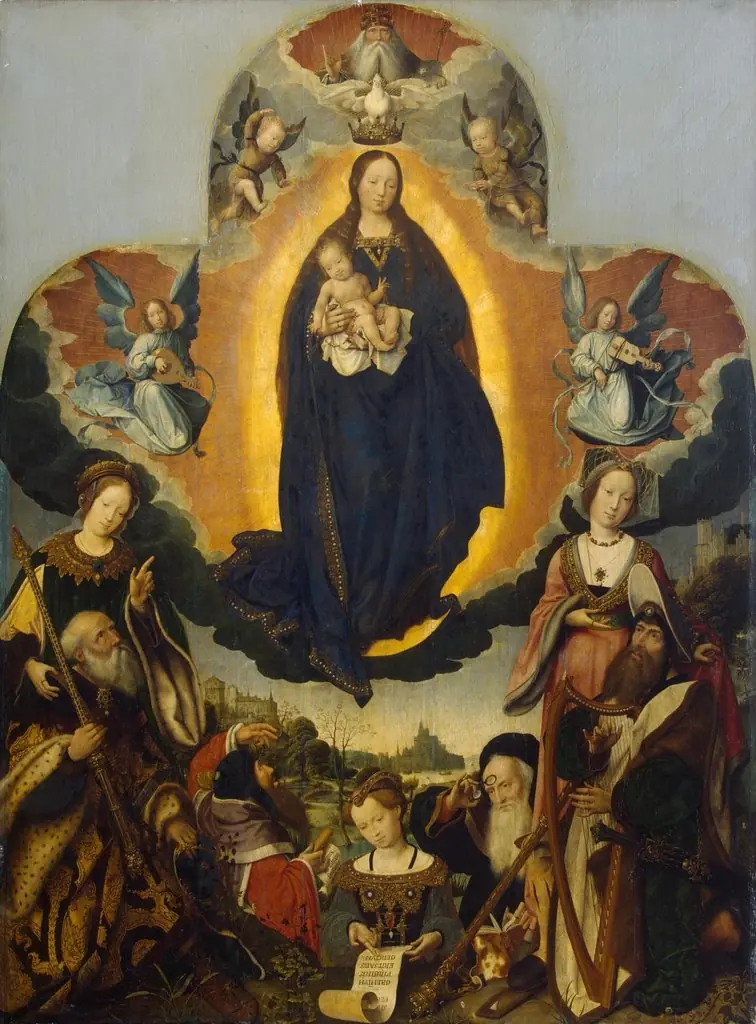 The Virgin Mary in Glory
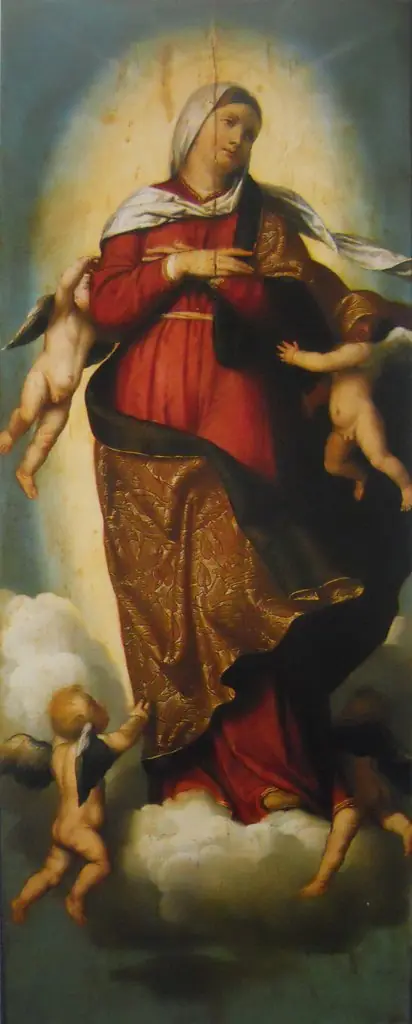 Assumption
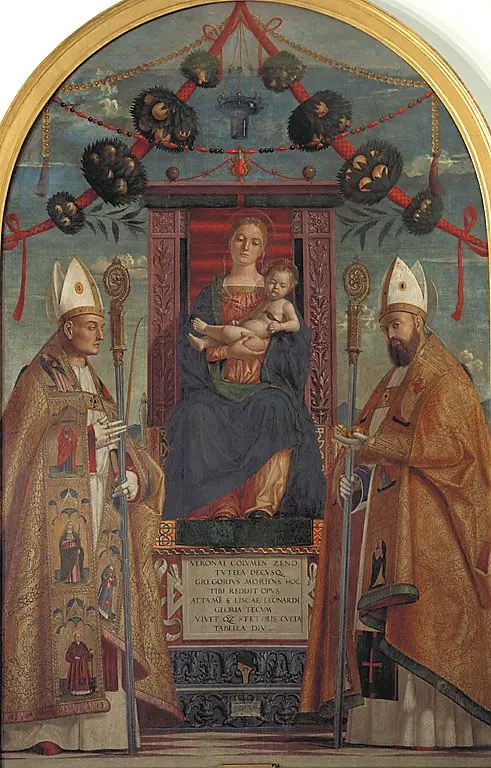 Madonna in trono con il Bambino e i Santi Zeno e Nicolò
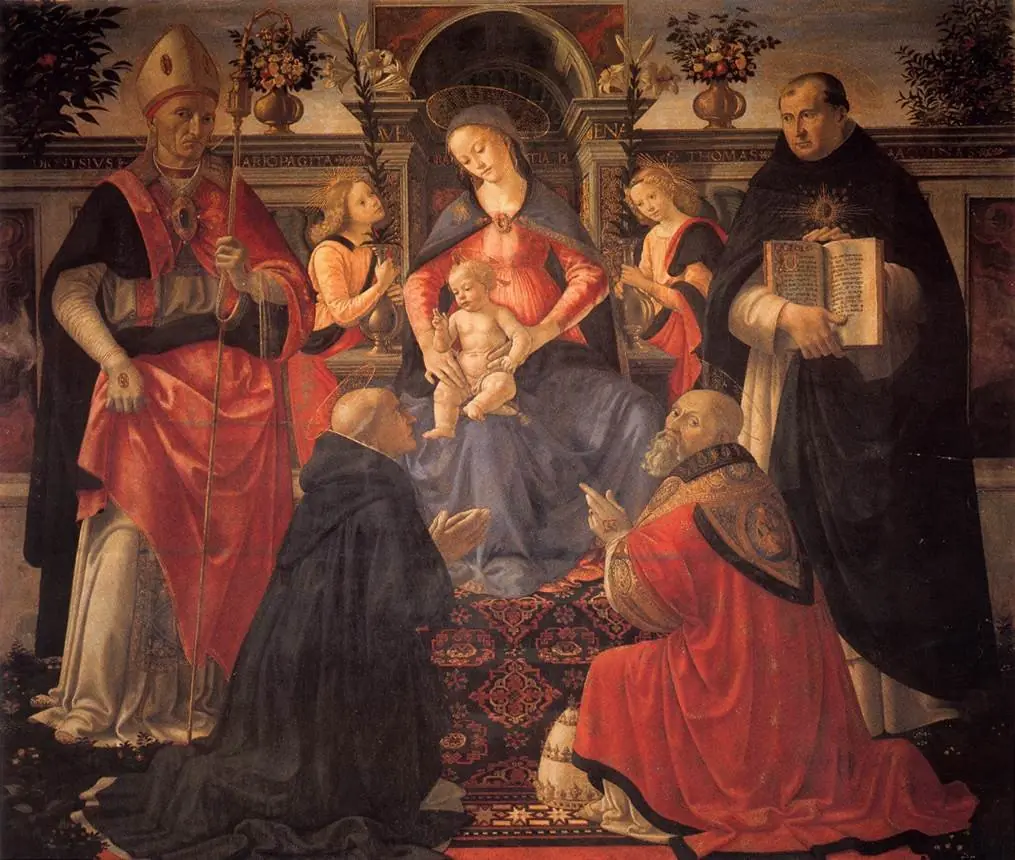 Madonna and Child Enthroned between Angels and Saints
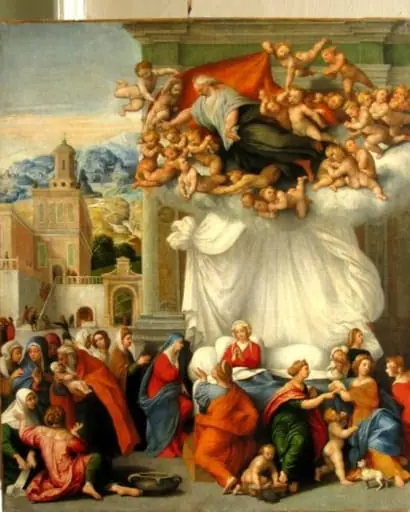 Nașterea Mariei