Artwork
The Virgin and the Souls of Purgatory
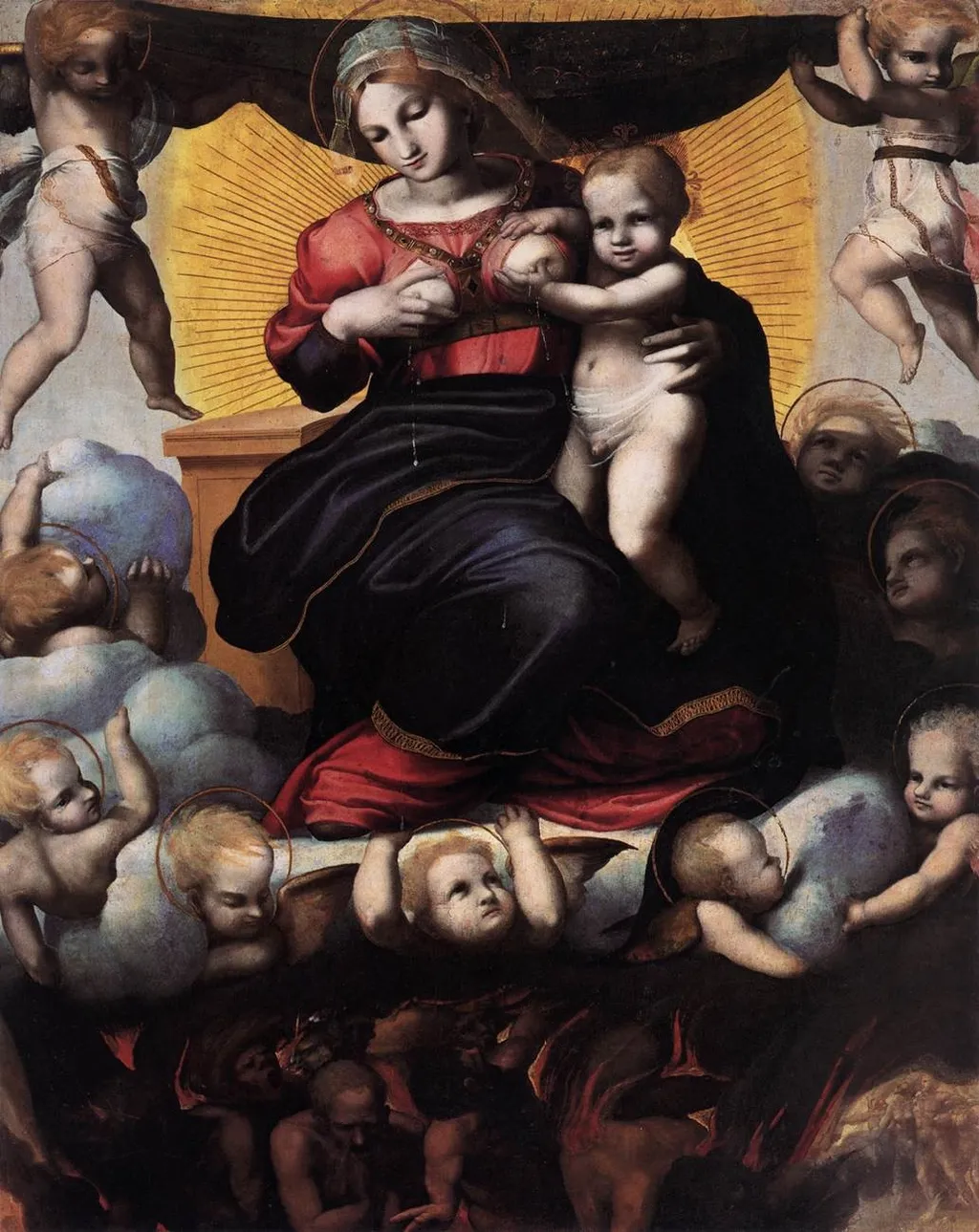
The Virgin and the Souls of Purgatory is an oil painting by the High Renaissance artist Pedro Machuca. It dates from 1517 and is held in the collection of the Museo del Prado.
About this work
Overview
The Virgin and the Souls of Purgatory is a 1517 religious painting on poplar wood by Pedro Machuca, currently housed at the Museo del Prado.
Subject & Meaning
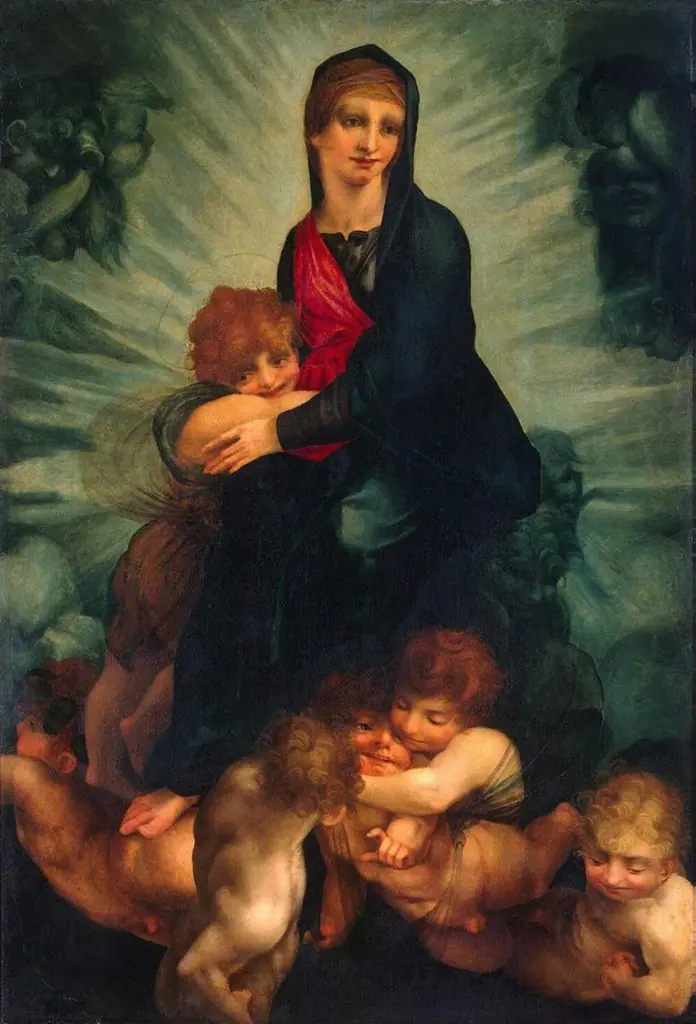
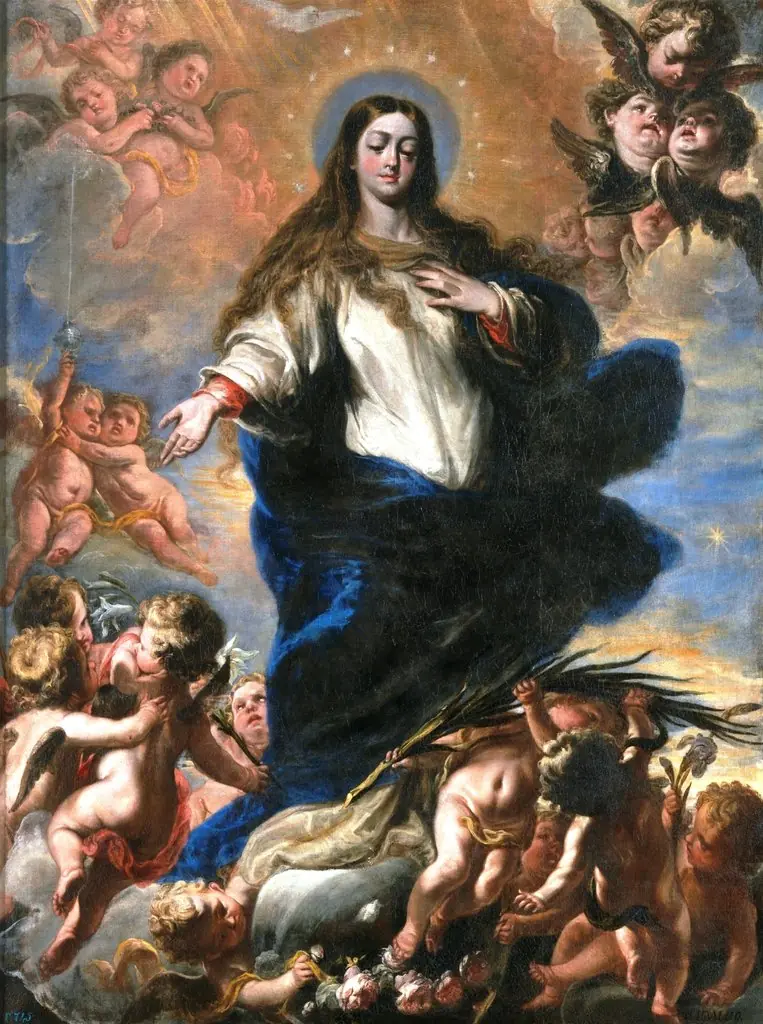
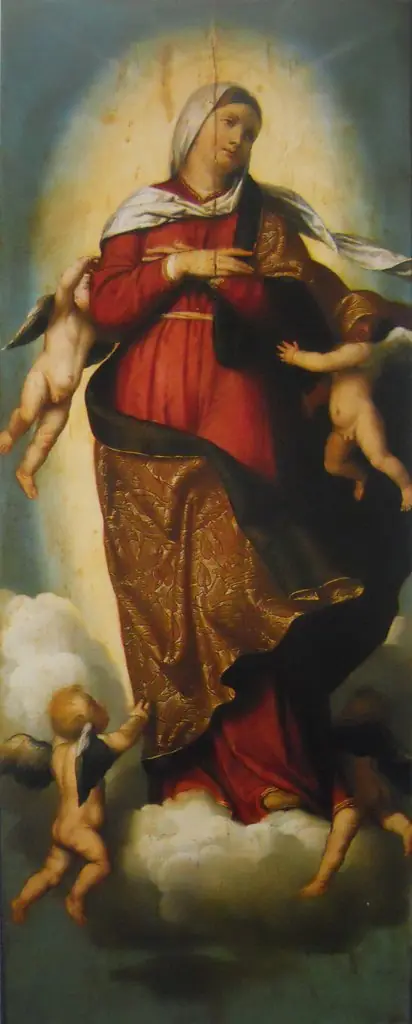
Depicting a serene Virgin Mary in red and black robes gently cradling a naked infant, the painting contrasts her warmth with a crowd of pale, calm figures reaching upwards, symbolizing souls in Purgatory seeking salvation through her intercession.
Technique & Style
Machuca employed strong chiaroscuro, juxtaposing deep shadows around the gathering of souls with the warmly lit face of the Virgin, creating a sense of depth and emphasizing the central figure amidst the muted, shadowy crowd.
History & Provenance
Created in 1517, the work's provenance prior to its current residence at the Museo del Prado is not detailed in available information.
Context
Reflecting the religious themes prevalent during the Renaissance, the painting highlights the Catholic doctrine of Purgatory and the Virgin's role as an intermediary for the faithful.
Legacy
While specific influences or direct artistic legacies of 'The Virgin and the Souls of Purgatory' are not prominently documented, it remains a notable example of early 16th-century religious art, showcasing Machuca's use of chiaroscuro to convey spiritual themes.
Artist & collection
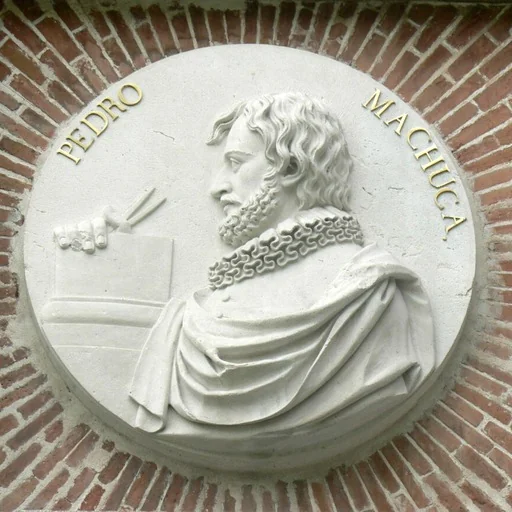
Artist
Pedro Machuca (c. 1490 in Toledo, Spain – 1550 in Granada) is mainly remembered as the Spanish architect responsible for the design of the Palace of Charles V (begun 1528) adjacent to the Alcazar in Granada. The…