Artwork
Saint Diego of Alcalá
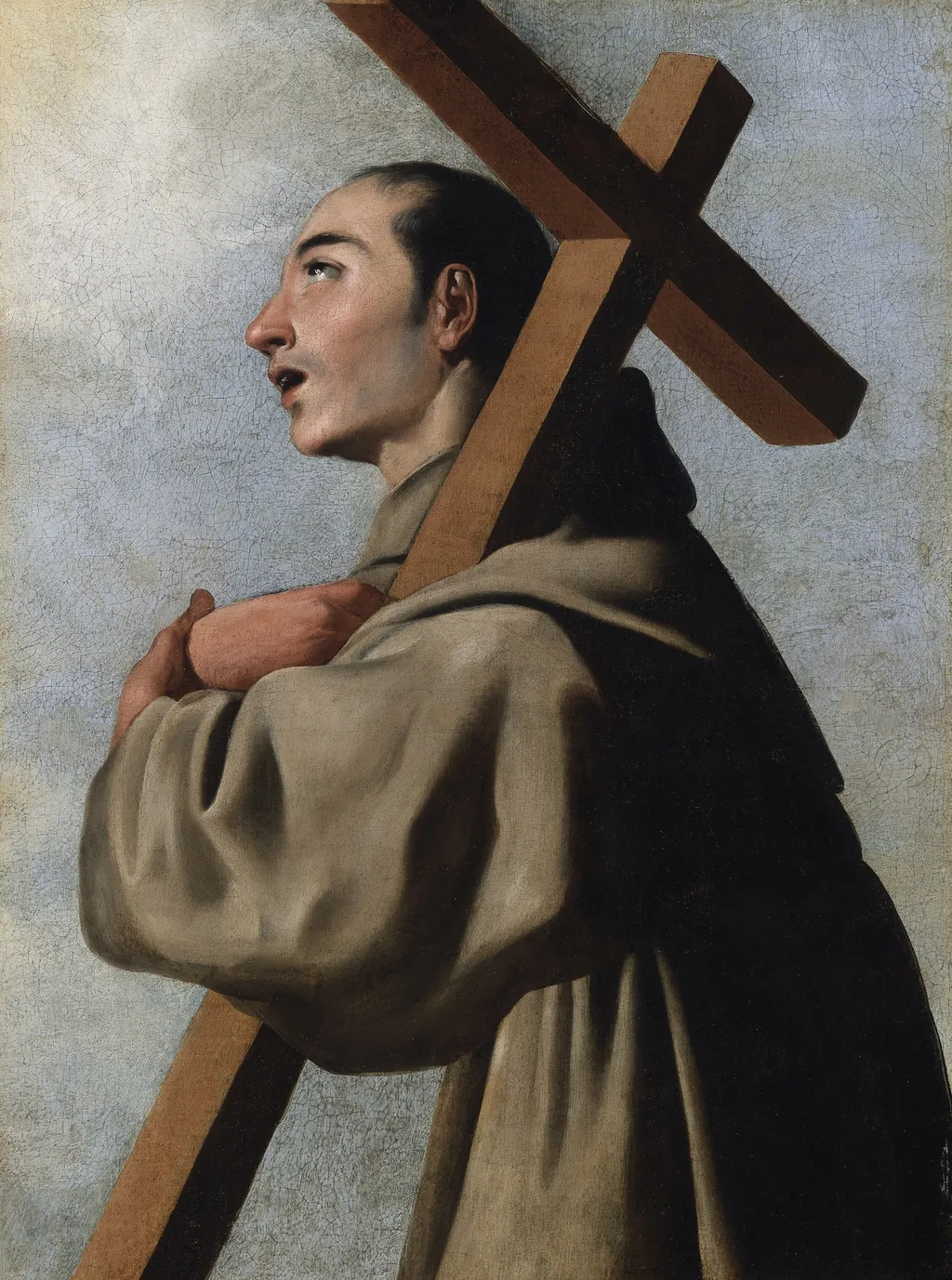
Saint Diego of Alcalá is an oil painting by the Early Baroque Italian artist Francisco de Zurbarán. It dates from 1640 and is held in the collection of the National Gallery of Ireland.
About this work
Overview
Painted in 1640 by Francisco de Zurbarán, this oil on canvas depicts Saint Diego of Alcalá, a Franciscan lay brother venerated for his piety and miracles. The work is part of the National Gallery of Ireland’s collection. Its restrained palette and focused composition reflect Zurbarán’s commitment to spiritual clarity, avoiding ornamental distraction in favor of solemn presence.
Subject & Meaning
His upward gaze and open mouth suggest prayer or divine communication, reinforcing his role as an intermediary between earthly life and the sacred.
The figure represents Saint Diego, a 15th-century Spanish Franciscan known for humility and devotion. He is shown bearing a tall wooden cross, symbolizing his acceptance of suffering and service. His upward gaze and open mouth suggest prayer or divine communication, reinforcing his role as an intermediary between earthly life and the sacred. The absence of halos or celestial elements grounds his sanctity in quiet humanity.
Technique & Style
Zurbarán employs chiaroscuro to model the saint’s form, with light falling sharply across the robe and cross, casting deep shadows that define volume and texture. The fabric is rendered with loose, fluid brushwork, enhancing its weight and movement. The muted grey-white background isolates the figure, intensifying the psychological gravity. His technique avoids idealization, favoring tactile realism over theatricality.
History & Provenance
Commissioned during Zurbarán’s mature period, the painting likely originated in a Spanish religious context, possibly for a Franciscan convent. It entered the National Gallery of Ireland’s collection in the 19th century, acquired through private donation. Its survival through centuries of political and religious upheaval in Spain underscores its enduring significance within the artist’s oeuvre and the broader tradition of Counter-Reformation art.
Context
Created in the mid-17th century, the painting aligns with Spain’s Counter-Reformation emphasis on personal devotion and the veneration of saints. Zurbarán’s style, influenced by Caravaggio’s naturalism yet stripped of Italian drama, resonated with Spanish monastic ideals. This work reflects a broader trend of portraying saints not as distant icons but as accessible, contemplative figures grounded in physical reality.
Legacy
Zurbarán’s depiction of Saint Diego exemplifies his enduring influence on Spanish religious painting. Its quiet intensity inspired later artists seeking spiritual depth without embellishment. The painting remains a reference point for studies of 17th-century Spanish iconography, valued for its restraint and emotional precision rather than spectacle. It continues to be studied for its technical mastery and devotional clarity.
Own this work as a print
Artist & collection
Artist
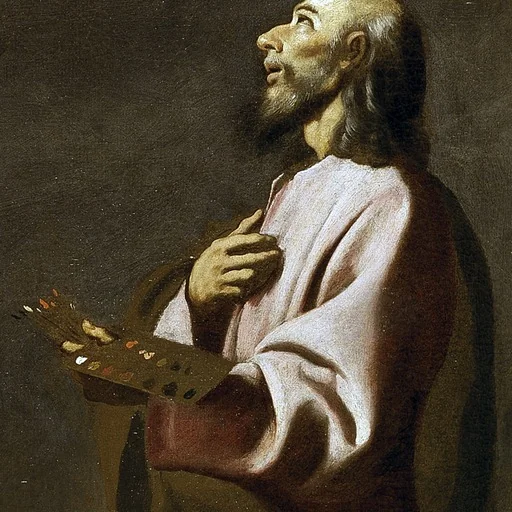
Francisco de Zurbarán was a Spanish Baroque painter. He is known primarily for his religious paintings depicting monks, nuns, and martyrs, and for his still-lifes. Zurbarán gained the nickname "Spanish Caravaggio",…

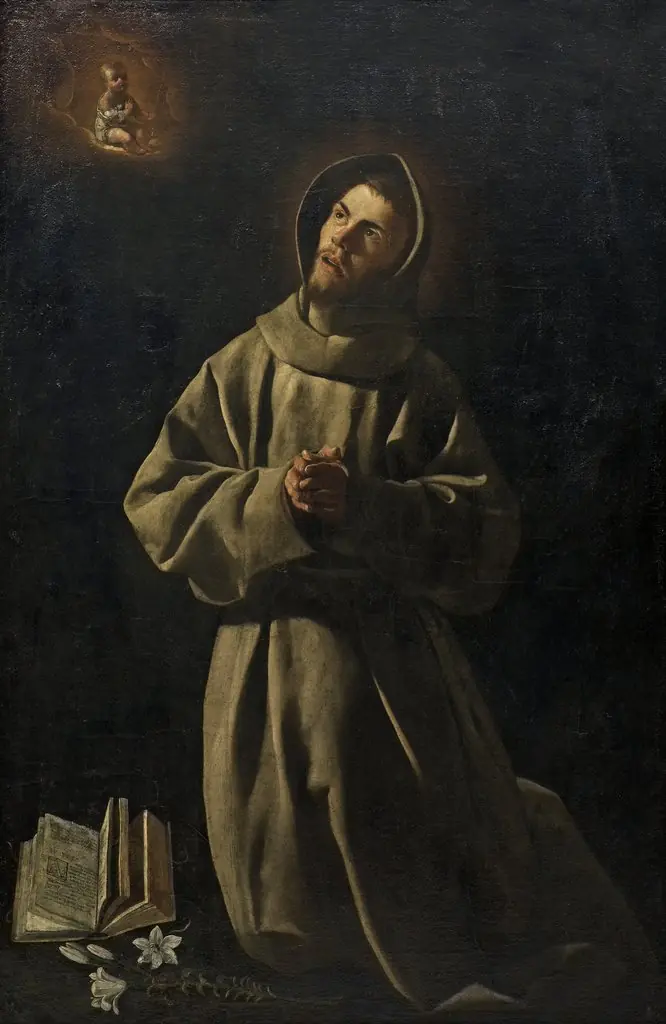 Apparition of the Child Jesus to Saint Anthony of Padua
 Saint Francis
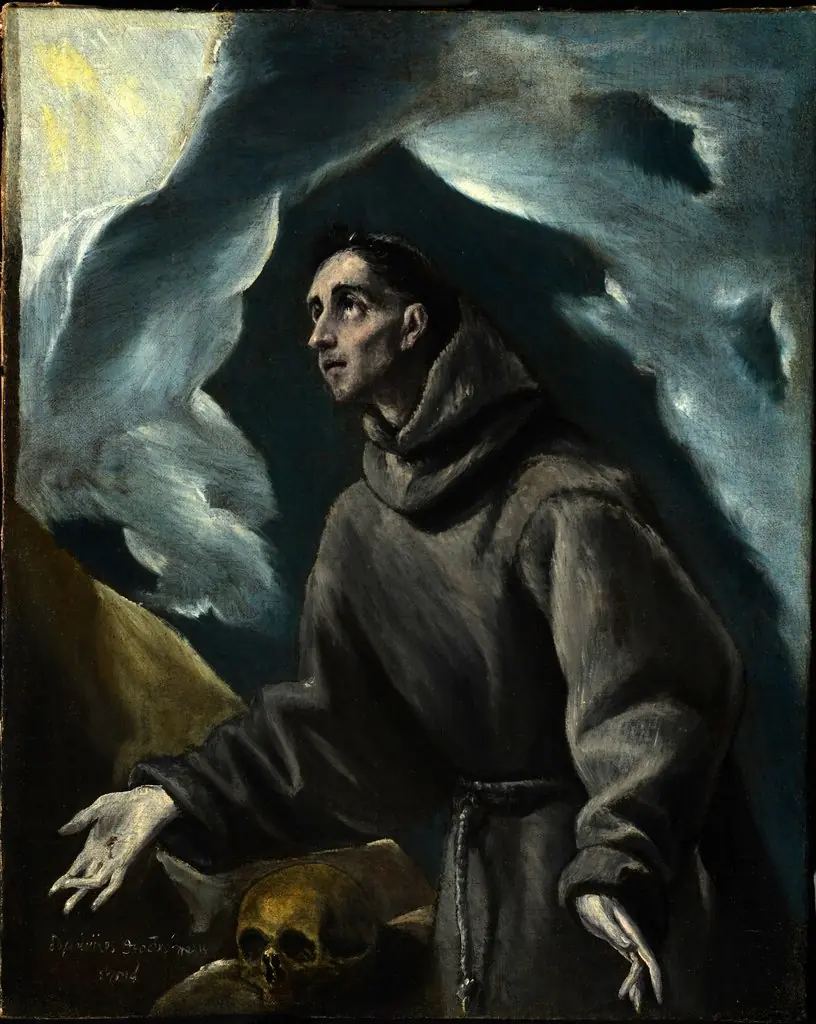 St. Francis receiving the Stigmata
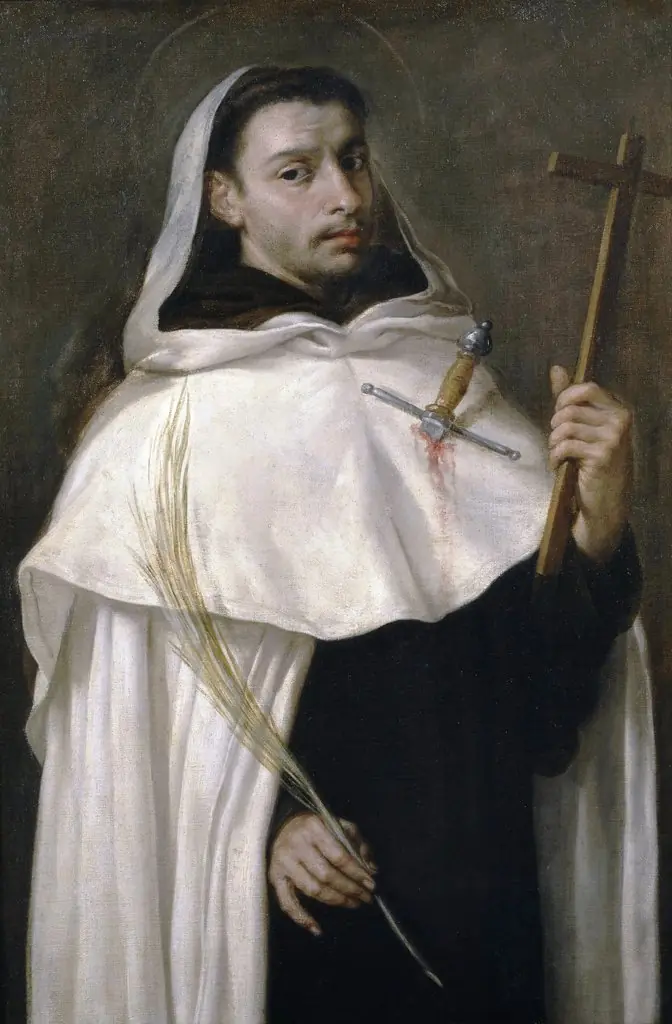 San Ángelo
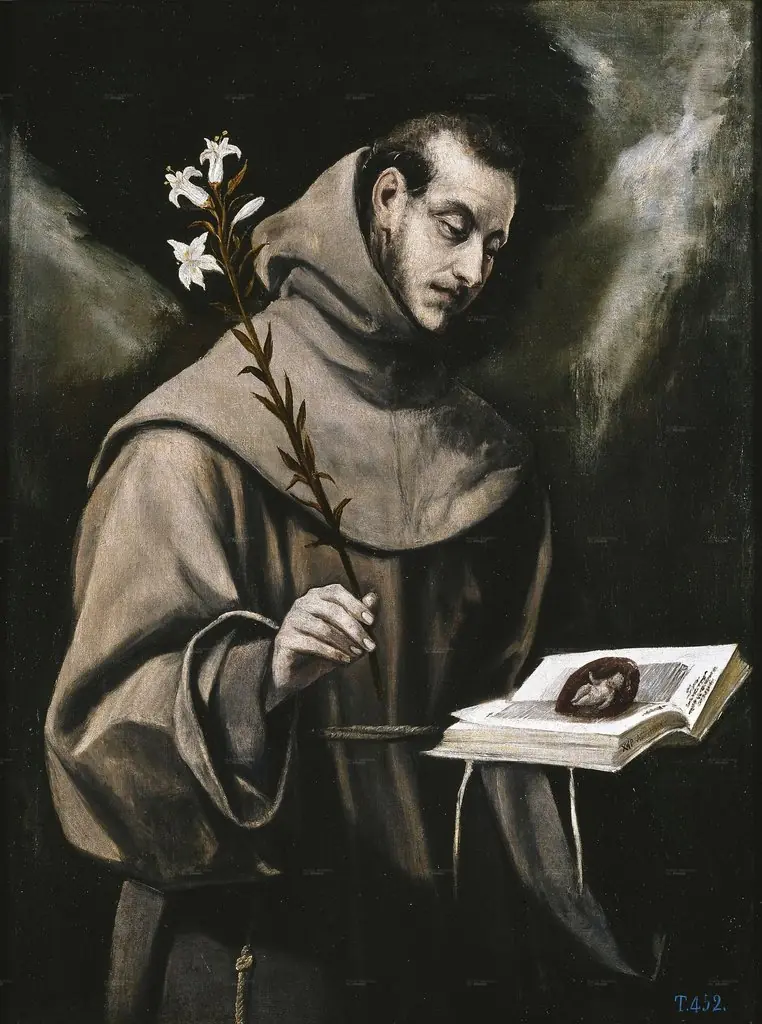 Saint Anthony of Padua
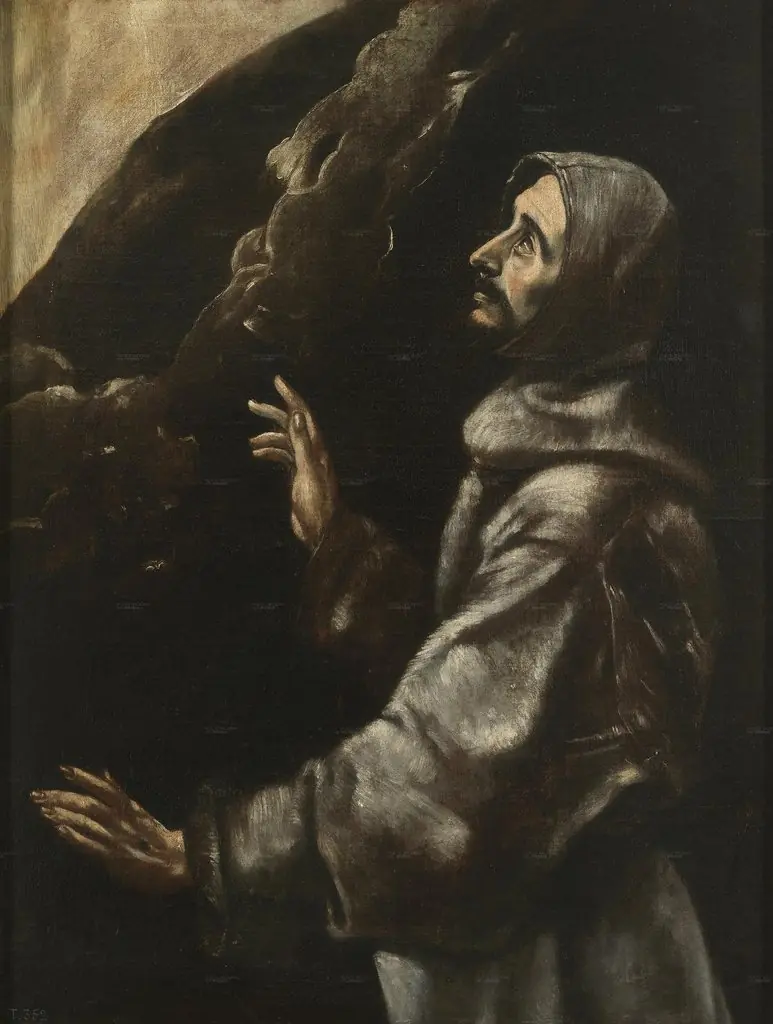 Saint Francis of Assisi in ecstasy
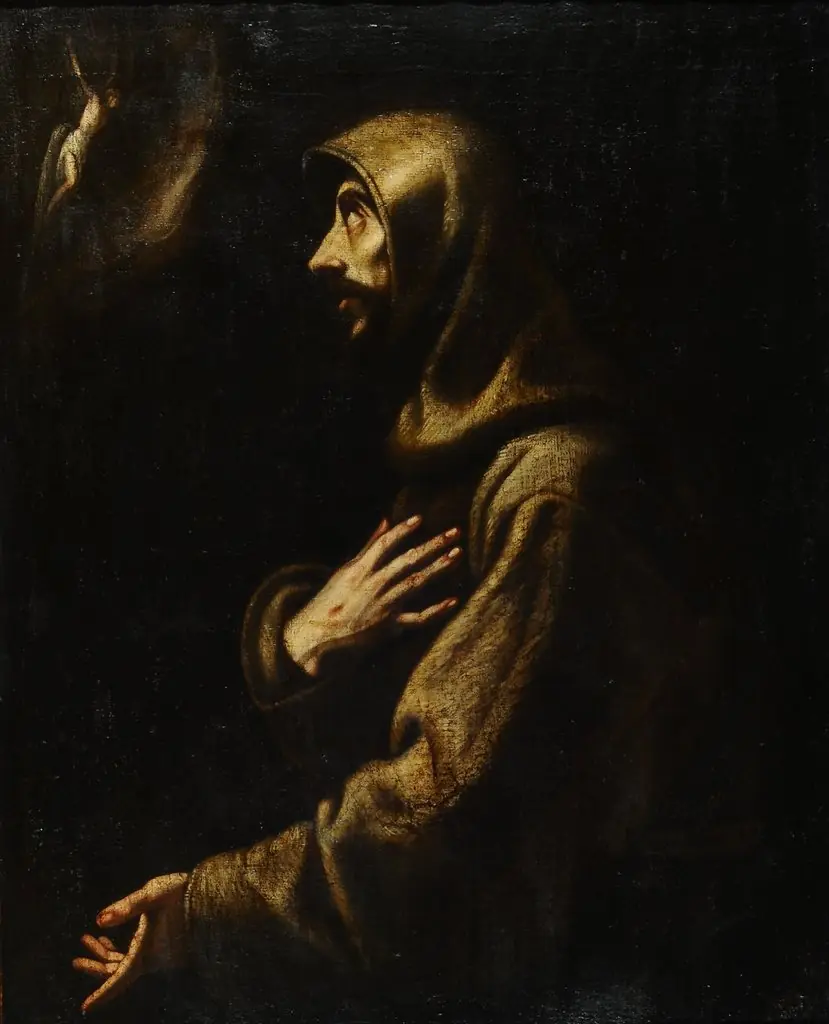 San Francisco in ecstasy
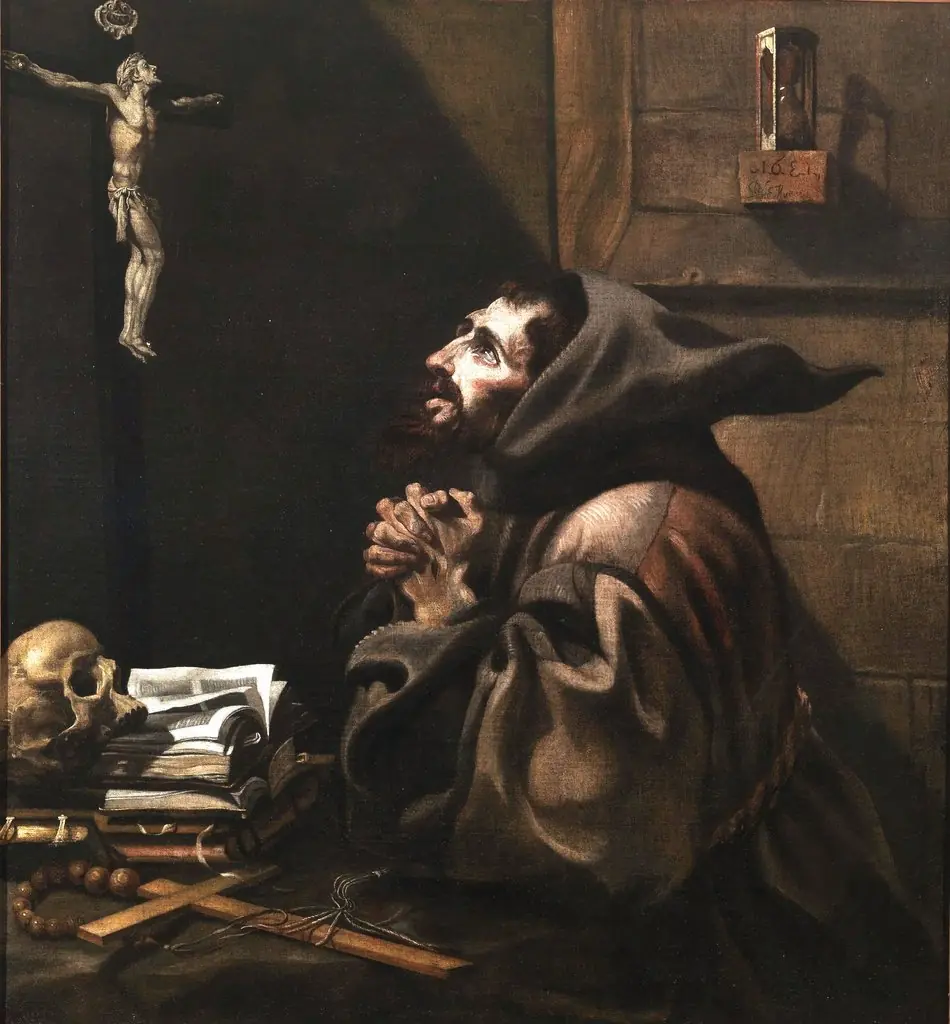 St. Francis in Prayer
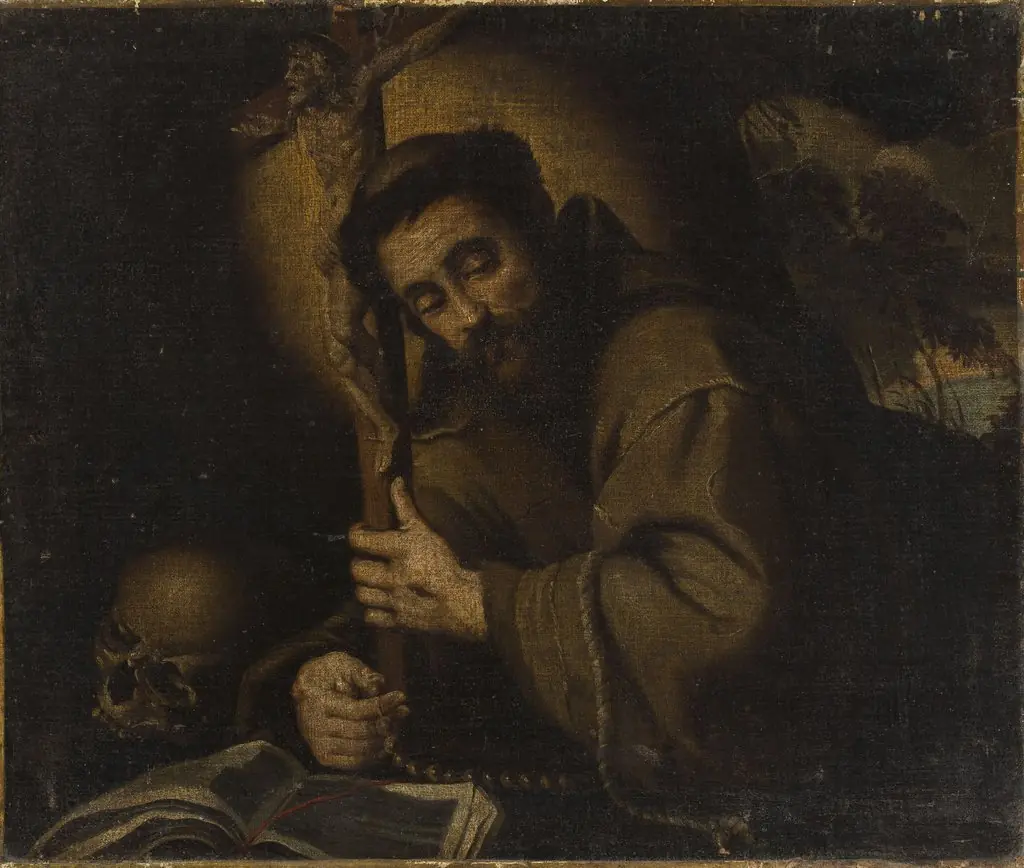 Saint Francis
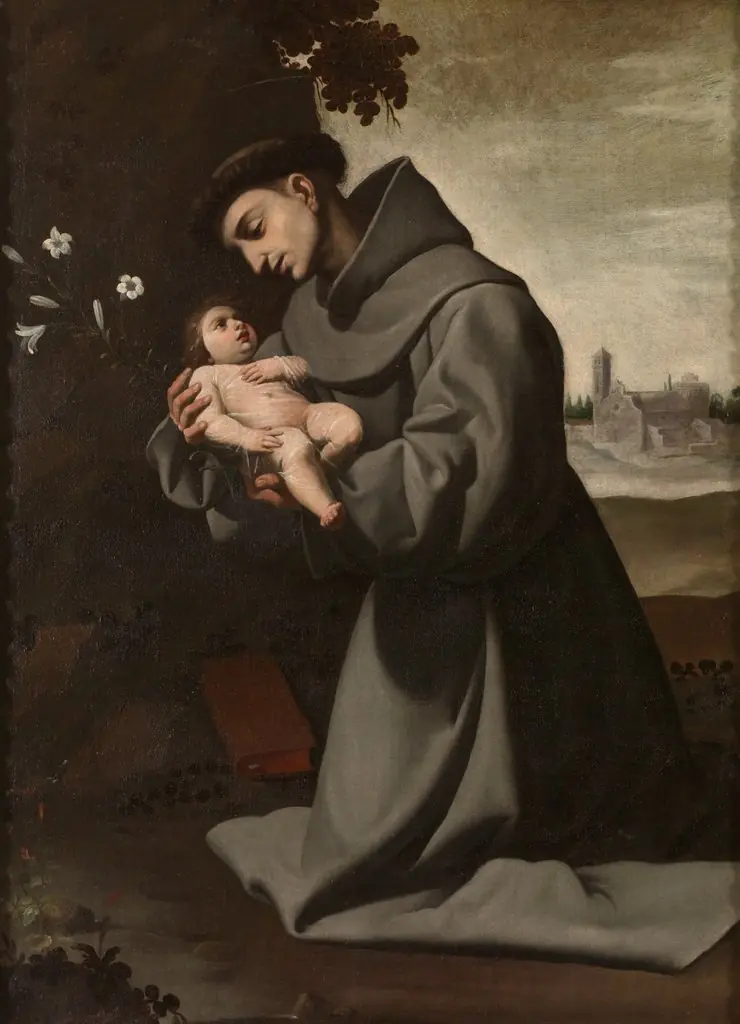 Saint Anthony of Padua with the Infant Christ
 San Francisco recibiendo los estigmas
 Saint Matthew