Artwork
Saint Romanus of Antioch and Saint Barulas
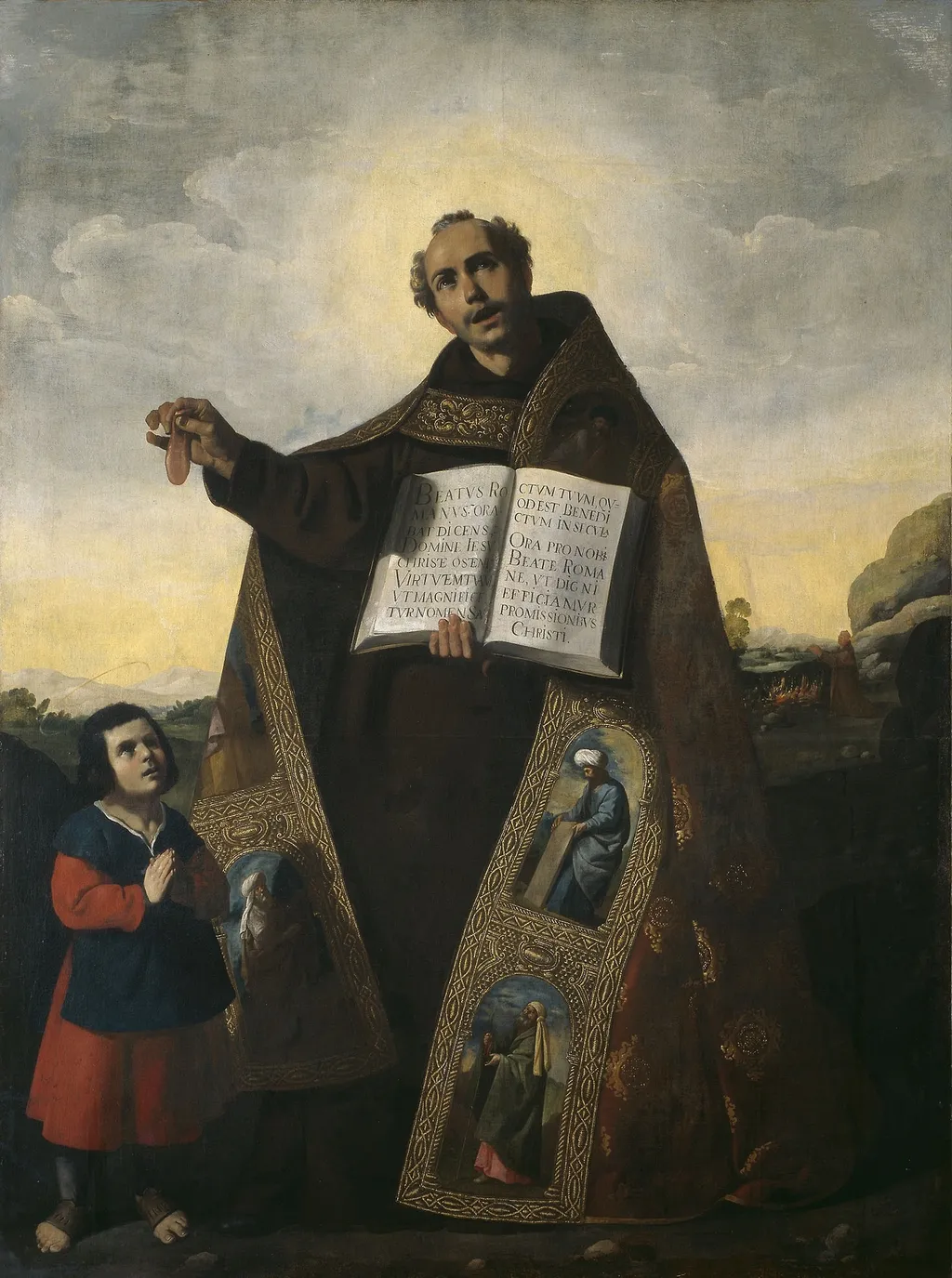
Saint Romanus of Antioch and Saint Barulas is an oil painting by the Spanish Baroque Tenebrist artist Francisco de Zurbarán. It dates from 1638 and is held in the collection of the Art Institute of Chicago.
About this work
Overview
Painted in 1638 by Francisco de Zurbarán, this oil on canvas work depicts two religious figures: Saint Romanus of Antioch and Saint Barulas.
Painted in 1638 by Francisco de Zurbarán, this oil on canvas work depicts two religious figures: Saint Romanus of Antioch and Saint Barulas. The painting is part of the permanent collection at the Art Institute of Chicago. It presents a quiet, contemplative moment between the saint and a young acolyte, rendered with Zurbarán’s signature clarity and solemnity. The composition is contained within a painted architectural frame that includes two additional narrative scenes.
Subject & Meaning
Saint Romanus, a 4th-century deacon and martyr, is shown holding an open book inscribed with Latin text, likely referencing scripture or liturgical passages. Beside him, the boy Saint Barulas, his young disciple, kneels in reverence. The upward gesture of Romanus directs attention toward divine authority, while the boy’s gaze reinforces devotion. The surrounding framed scenes depict episodes from their martyrdom, situating the central figures within a broader hagiographic narrative.
Technique & Style
Zurbarán employs stark chiaroscuro to isolate the figures against a luminous, undefined sky, heightening their spiritual presence. The robes are rendered with precise, matte brushwork, emphasizing texture without ornamentation. The book’s gold lettering catches the light subtly, drawing focus to its sacred content. The painted frame, integrating smaller scenes, functions as both decorative border and narrative extension, a technique common in Spanish devotional art of the period.
History & Provenance
Commissioned for a religious institution in Spain, the painting entered the Art Institute of Chicago’s collection in the early 20th century. Its journey from a Spanish monastery to a major American museum reflects broader patterns of ecclesiastical art dispersal following 19th-century secularization. Documentation confirms its attribution to Zurbarán and its creation date, with no significant alterations to the original surface.
Context
Created during Spain’s Counter-Reformation, the painting aligns with the Church’s emphasis on clear, emotionally resonant religious imagery. Zurbarán’s austere style—free of theatricality—served the Jesuit and Dominican ideals of piety and discipline. The inclusion of martyrdom scenes within the frame reflects contemporary devotional practices that encouraged meditation on the lives of saints as models of faith.
Legacy
The painting exemplifies Zurbarán’s mastery in conveying spiritual gravity through minimal means. Its influence is seen in later Spanish religious art that prioritized introspection over spectacle. Though not widely reproduced in popular culture, it remains a key reference in studies of 17th-century Spanish painting, particularly for its disciplined use of light, form, and symbolic framing.
Own this work as a print
Artist & collection
Artist
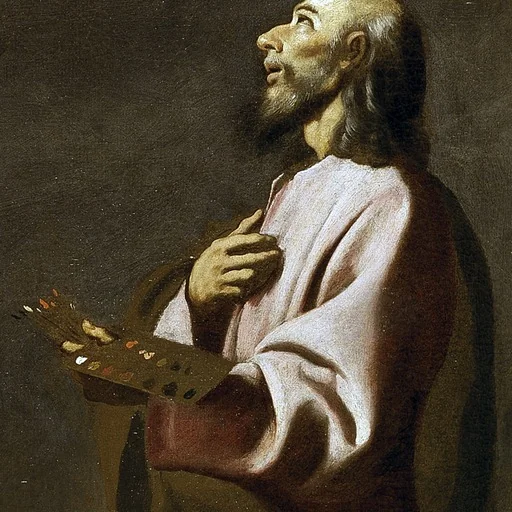
Francisco de Zurbarán was a Spanish Baroque painter. He is known primarily for his religious paintings depicting monks, nuns, and martyrs, and for his still-lifes. Zurbarán gained the nickname "Spanish Caravaggio",…

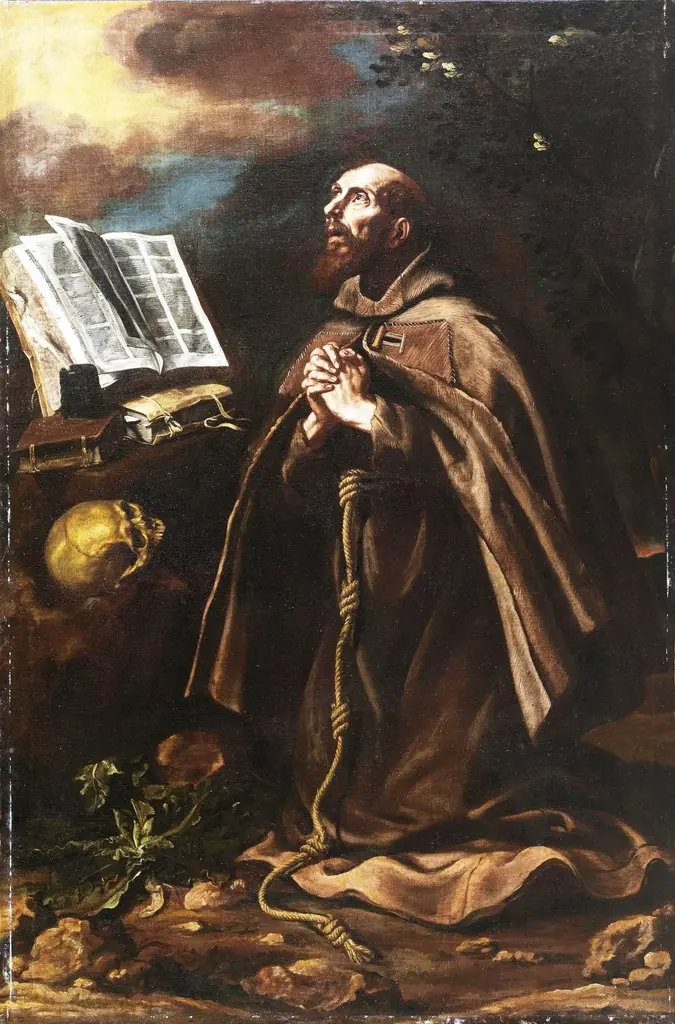 Saint Peter of Alcántara
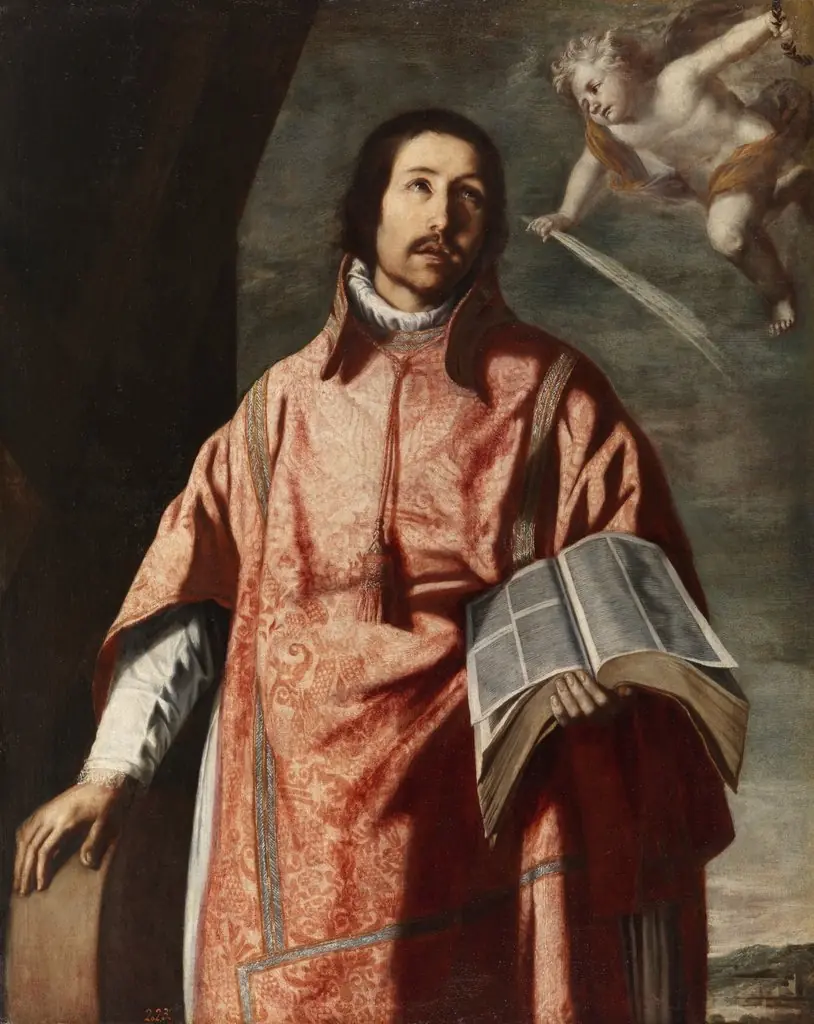 San Vicente Mártir
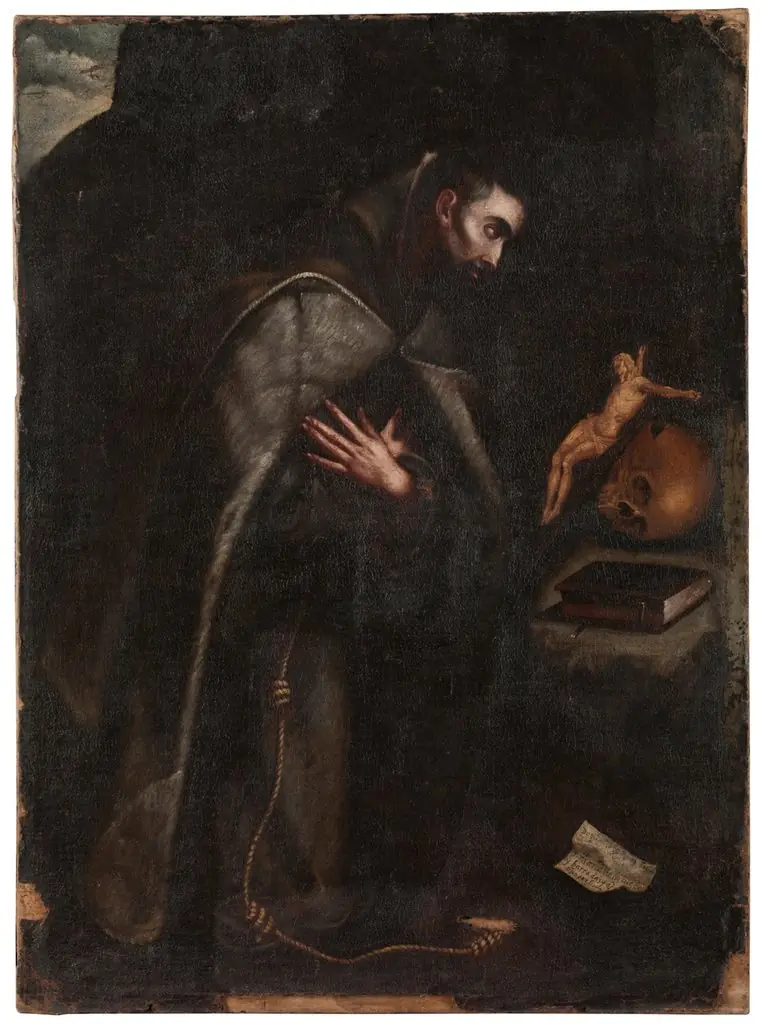 Saint Francis of Assisi kneeling in meditation
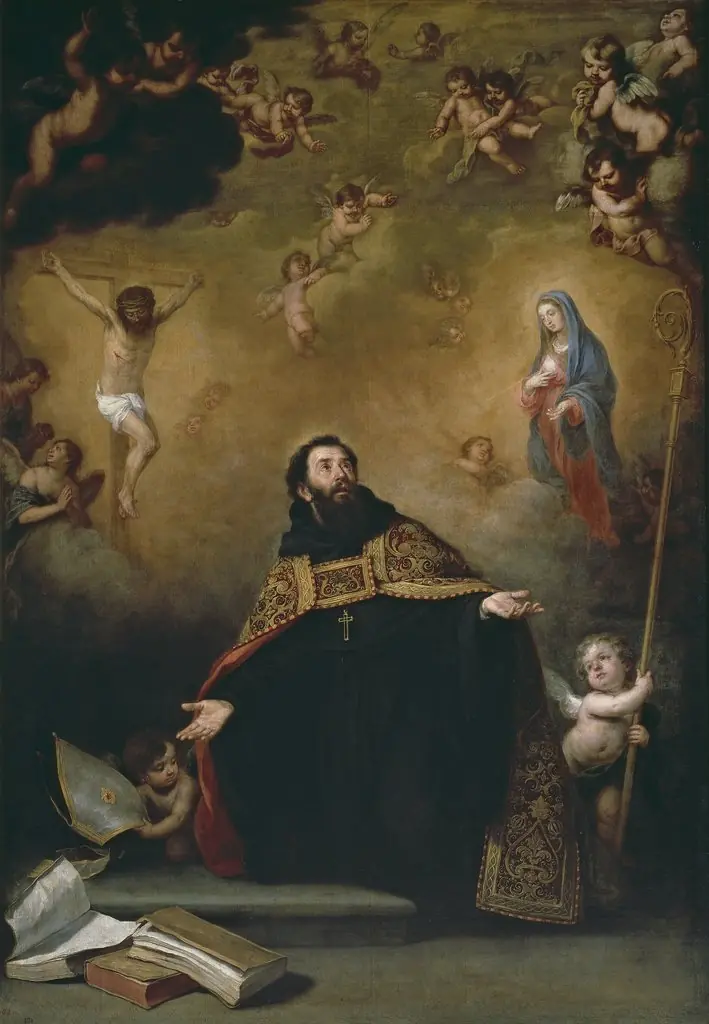 Saint Augustine between Christ and the Virgin
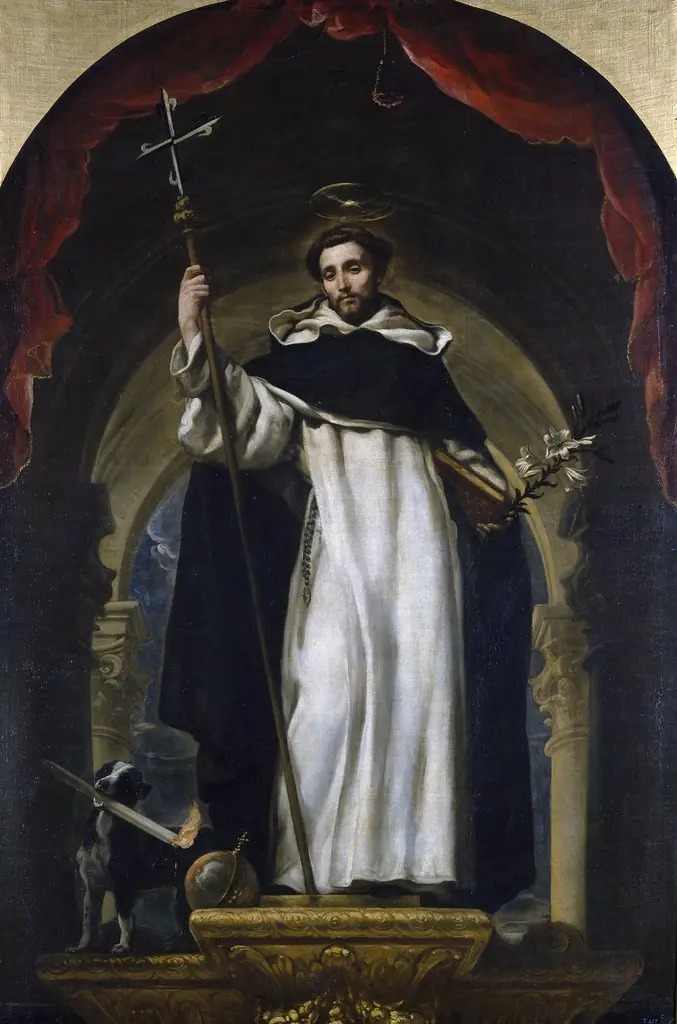 Saint Dominic of Guzmán
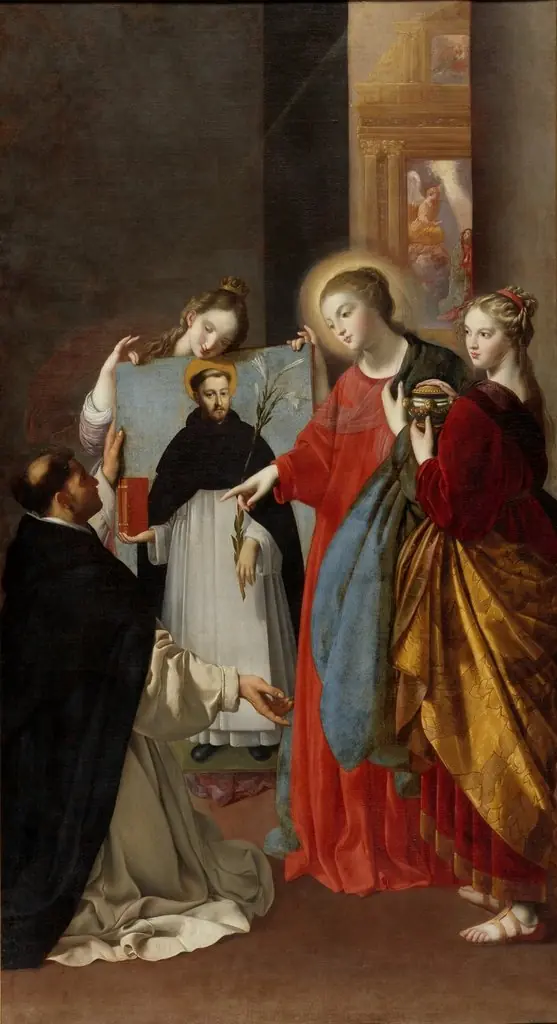 Saint Dominic in Soriano
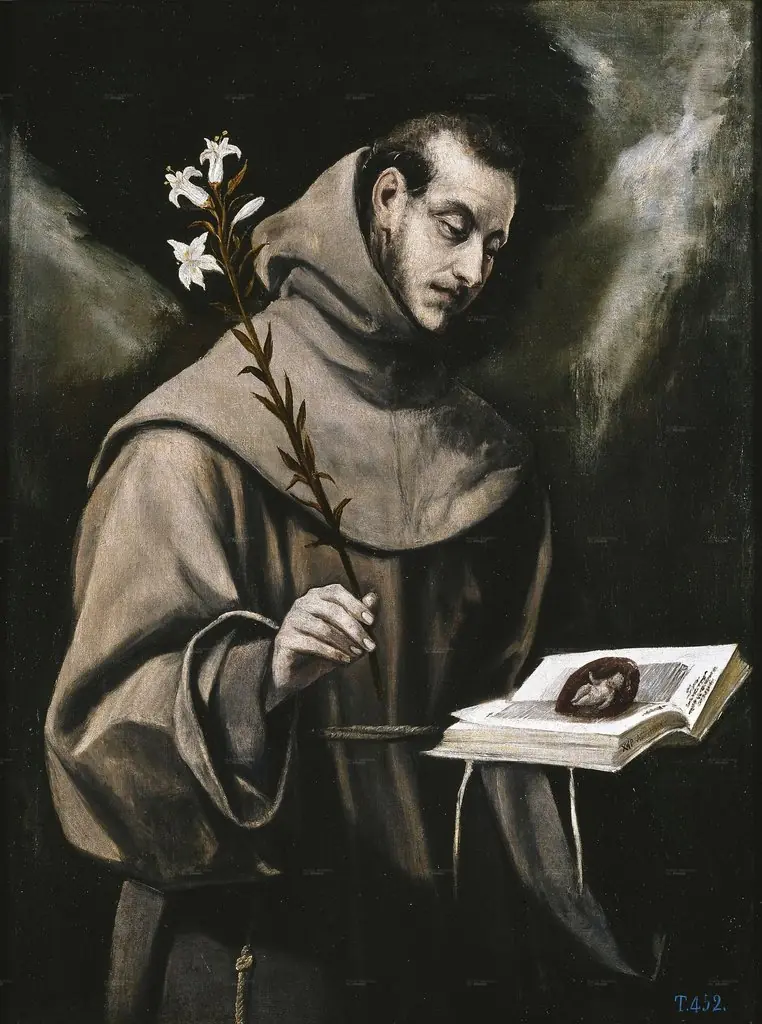 Saint Anthony of Padua
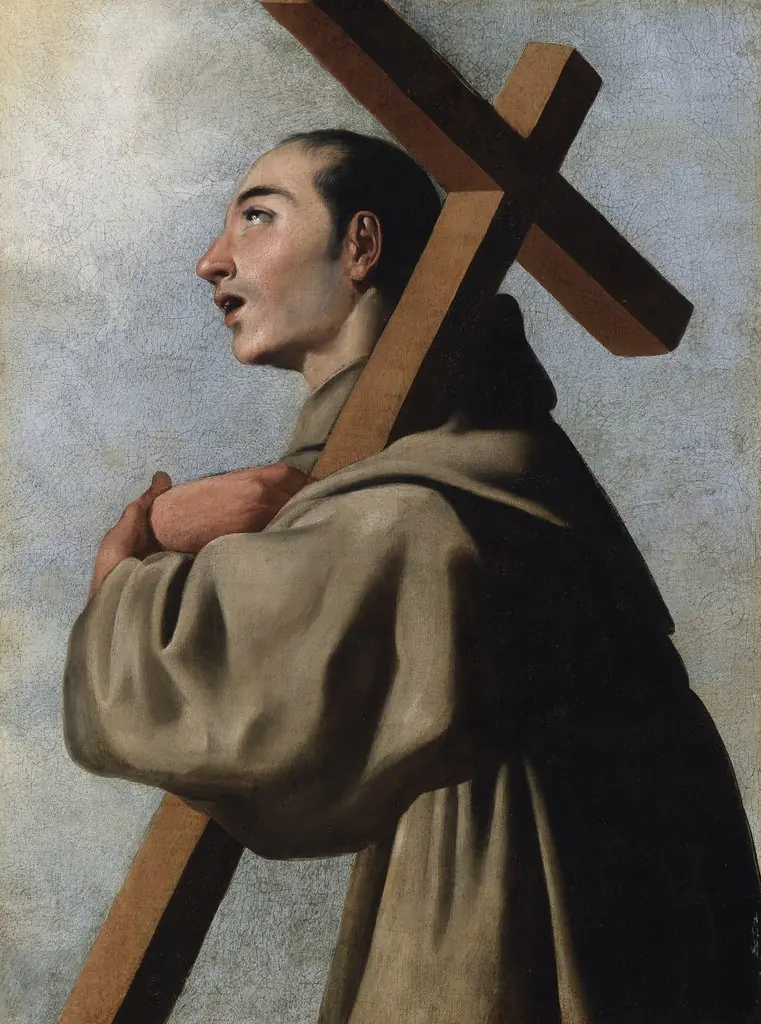 Saint Diego of Alcalá
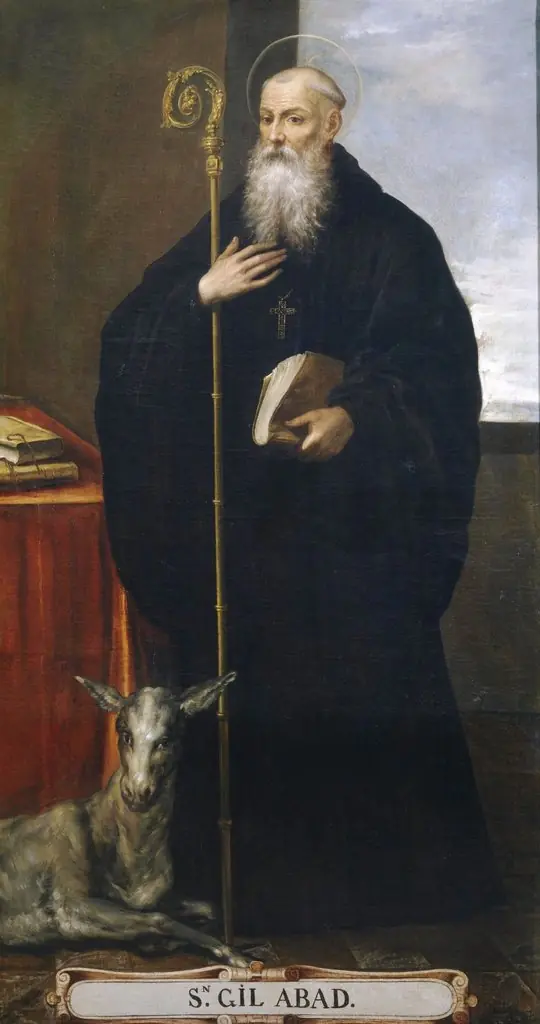 San Gil abad
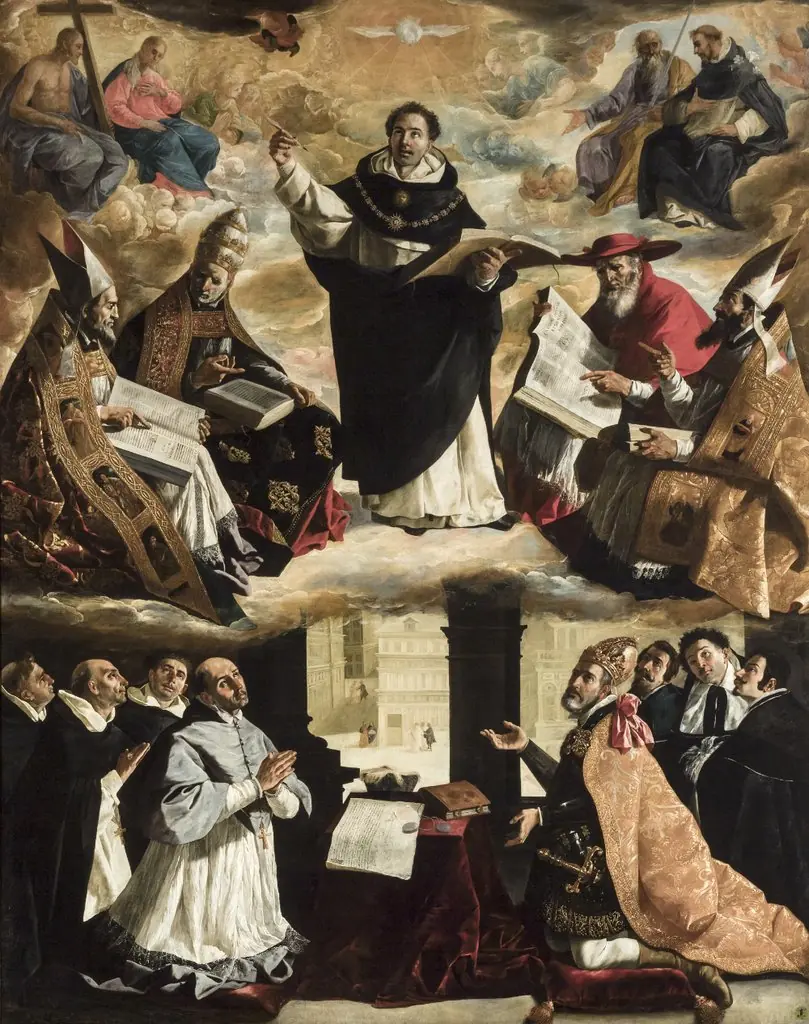 The Apotheosis of St. Thomas of Aquino
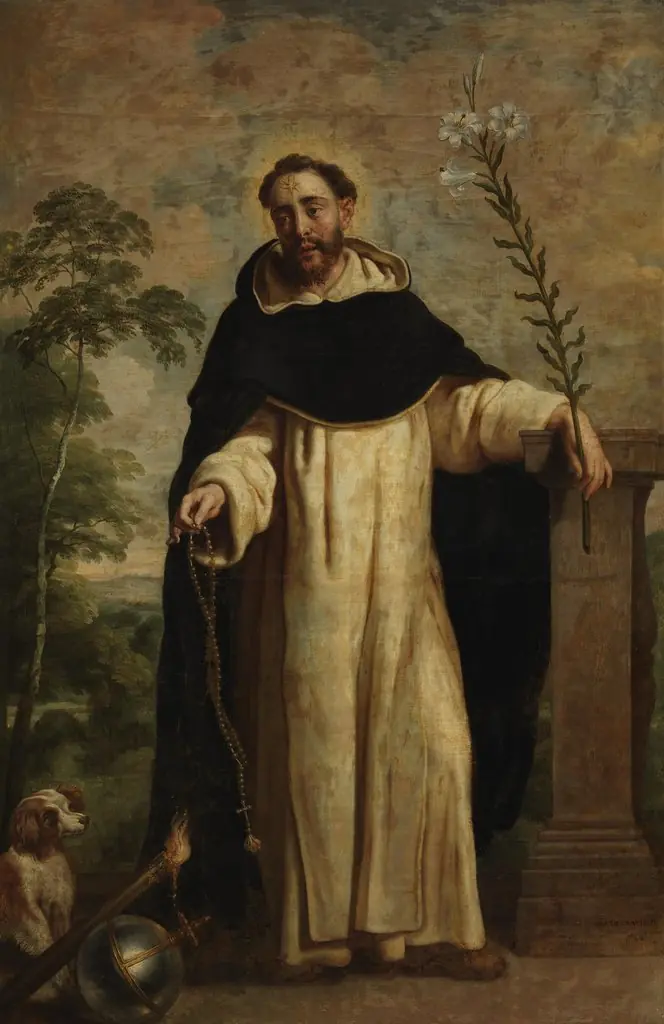 Saint Dominic of Guzmán
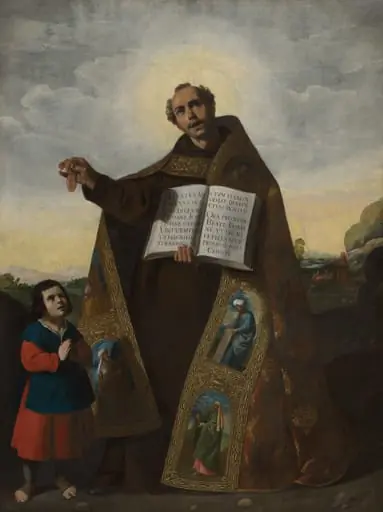 Saint Romanus of Antioch and Saint Barulas