Artwork
Cristo crucificado
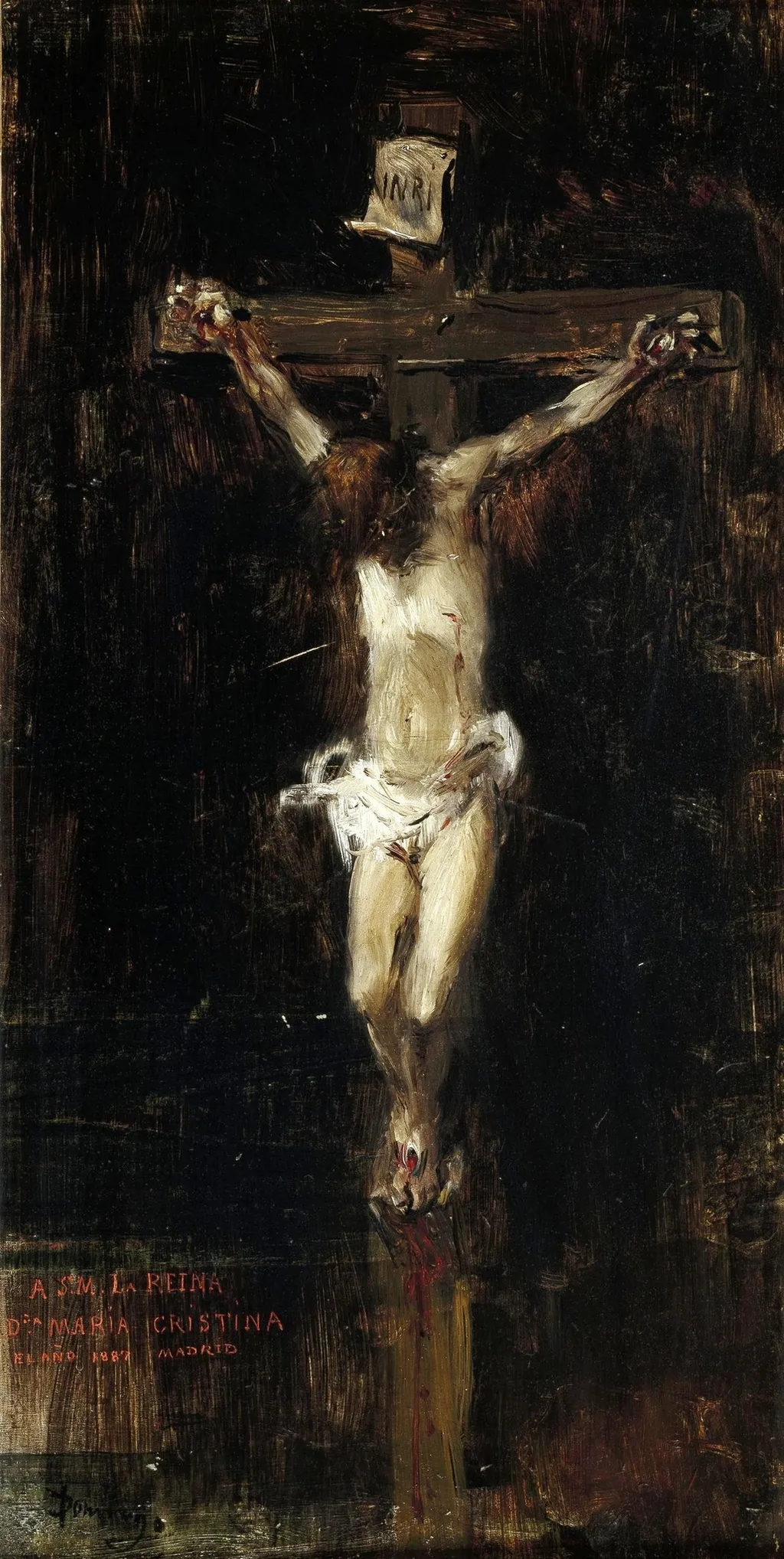
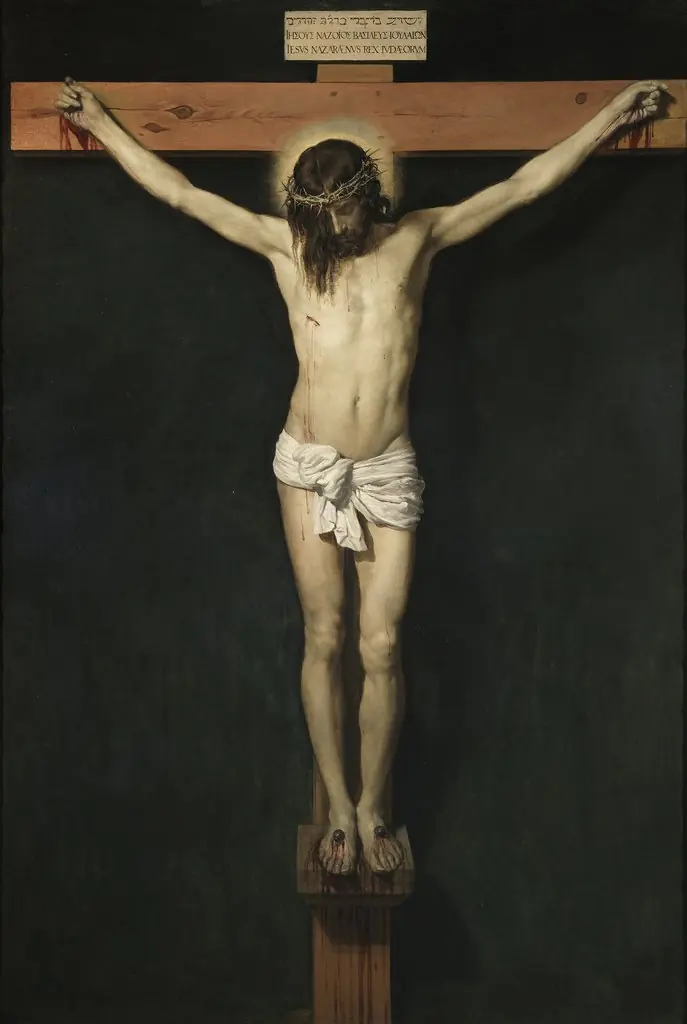
Cristo crucificado is an oil painting by the Post-Impressionist artist Francisco Domingo Marqués. It dates from 1894 and is held in the collection of the Museo del Prado.
About this work
Overview
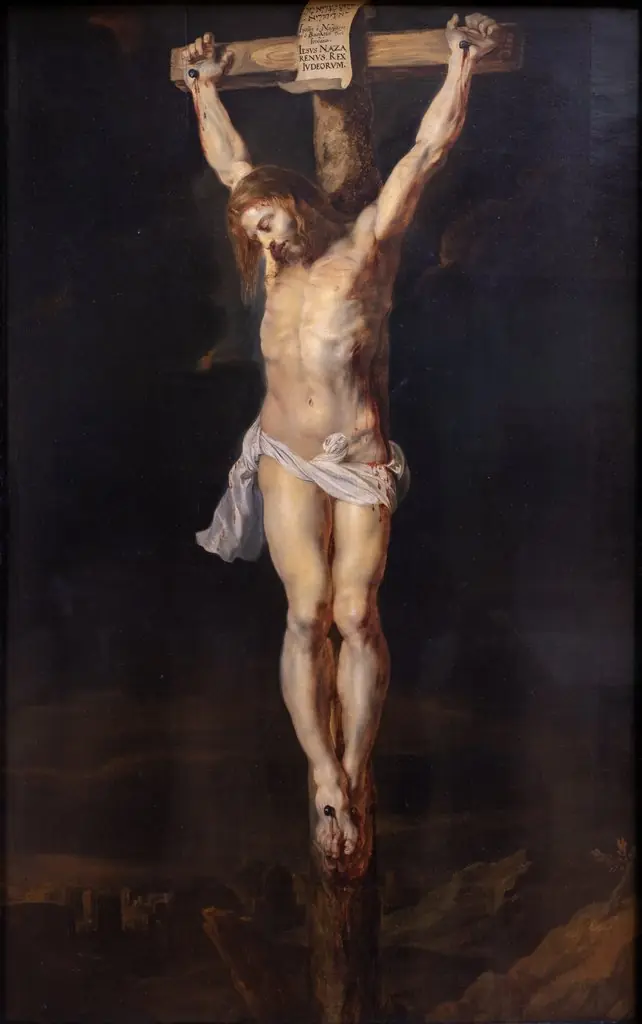
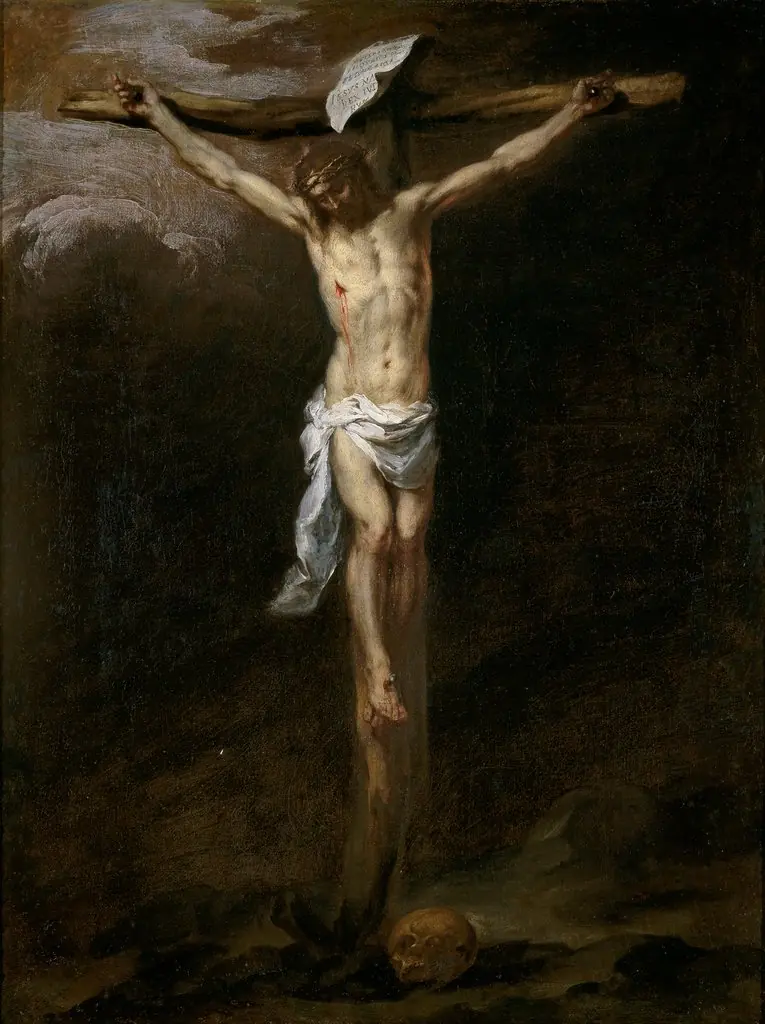
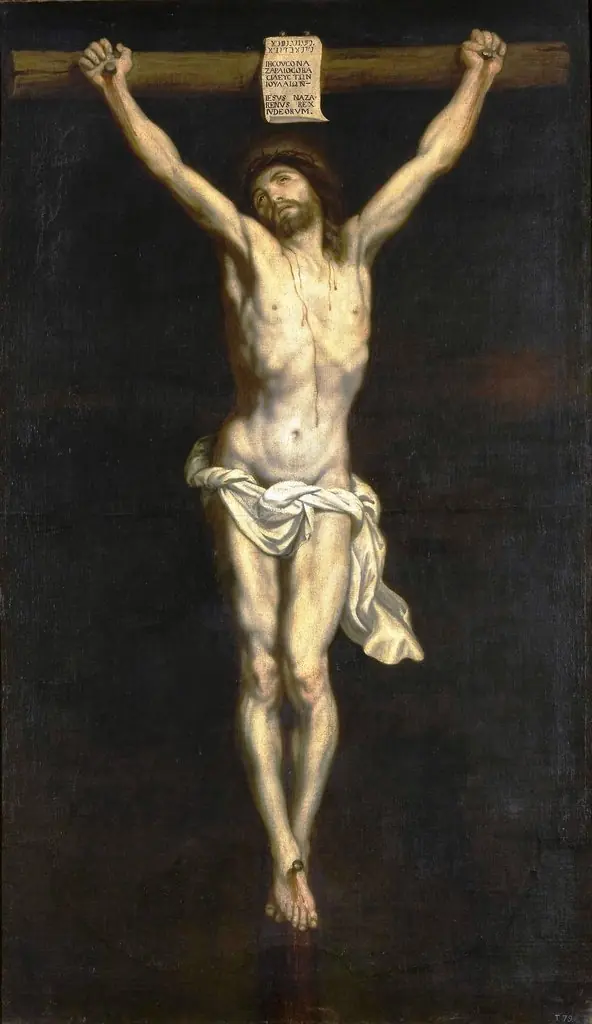
Francisco Domingo Marqués’s 1894 oil painting, titled Cristo crucificado, presents a stark representation of the crucifixion. Executed in a dark background, the work focuses on the figure of Christ nailed to a wooden cross, emphasizing the physical suffering and spiritual gravity of the scene. The painting is part of the collection of the Museo del Prado.
Subject & Meaning
The composition centers on the crucified Christ, his body contorted and marked by blood at the wrists and feet. The pale, textured flesh against the deep black backdrop underscores the themes of sacrifice and redemption, inviting contemplation of the human and divine aspects of the Passion.
Technique & Style
Marqués employs a vigorous impasto technique, applying thick layers of paint that catch the light and give the figure a palpable three‑dimensionality. Strong chiaroscuro contrasts illuminate the torso and limbs, while the rough surface texture heightens the sense of physical struggle and emotional intensity.
History & Provenance
Created in 1894, the work entered the Museo del Prado’s holdings, where it remains on display. Its acquisition reflects the museum’s commitment to representing 19th‑century Spanish religious art and preserving Marqués’s contribution to the period’s devotional painting.
Context
Cristo crucificado belongs to a tradition of Spanish crucifixion imagery that intensified during the late 19th century, a time when artists revisited religious subjects with heightened realism. Marqués’s approach aligns with contemporary trends toward dramatic lighting and tactile surface treatment, echoing broader European movements toward expressive realism.
Artist & collection
Artist
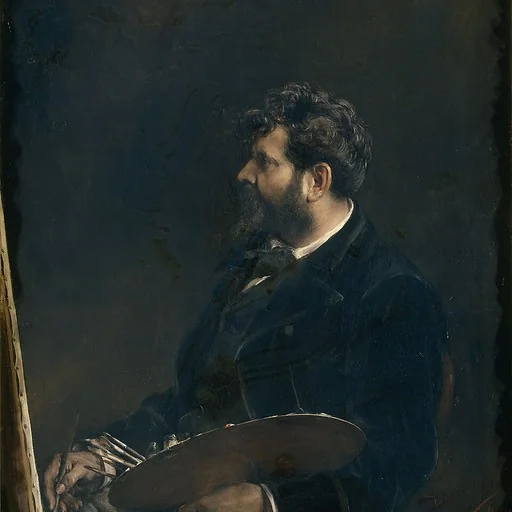
Francisco Domingo Marqués (1842–1920) was an artist, born in Valencia.