Artwork
Dead turkey
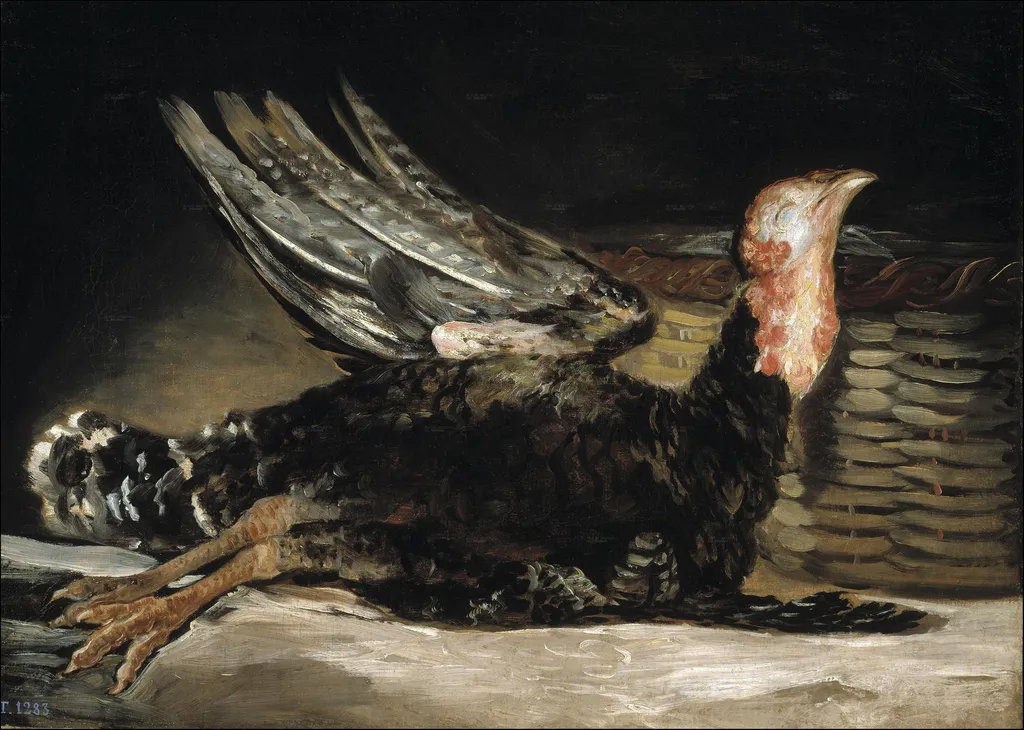
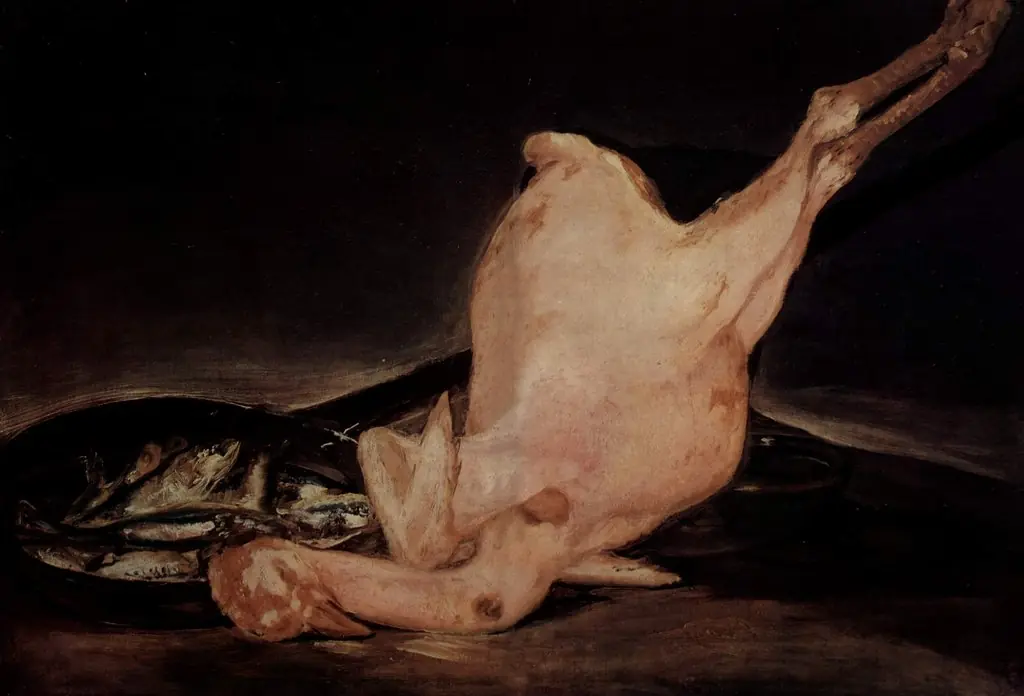
Dead turkey is an oil painting by Francisco Goya. It dates from 1808 and is held in the collection of the Museo del Prado.
About this work
Overview
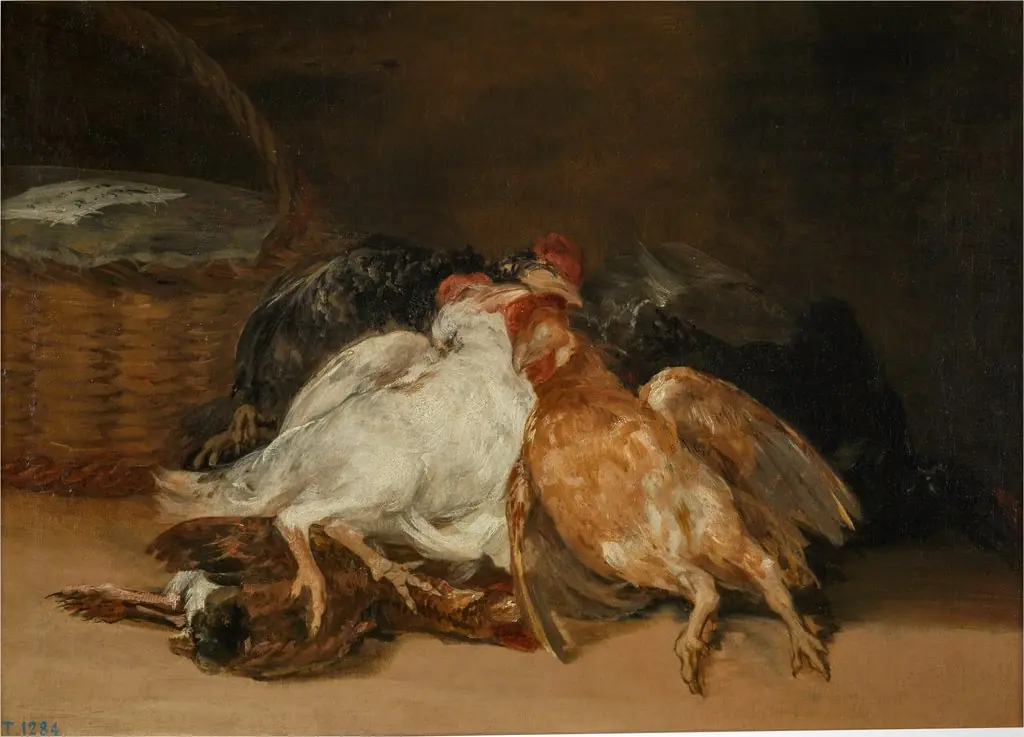
“Dead Turkey” (Spanish: *El pavo muerto*) is an oil on canvas created by the Spanish artist Francisco Goya. The work is displayed alongside its companion piece, “Dead Birds,” in the collection of the Prado Museum in Madrid, where the two paintings are exhibited together as a pair.
Subject & Meaning
The composition presents a lifeless turkey, rendered with stark realism that emphasizes the animal’s form and texture. While the painting does not include overt narrative elements, its focus on a dead creature invites contemplation of mortality, the everyday, and perhaps the social or political undercurrents present in Goya’s broader oeuvre.
Technique & Style
Executed in oil, the painting demonstrates Goya’s skillful handling of light and shadow to model the bird’s plumage and flesh. The brushwork balances detail with broader, gestural strokes, reflecting the artist’s late‑period interest in direct observation and a more subdued palette compared with his earlier, more flamboyant works.
History & Provenance
The work entered the Prado Museum’s holdings as part of the museum’s effort to assemble Goya’s later paintings. It has been displayed in conjunction with “Dead Birds,” suggesting an intentional curatorial pairing that highlights thematic and formal connections between the two pieces.
Context
Created during Goya’s mature phase, the painting aligns with his series of works that depict ordinary subjects with a somber tone. This period saw the artist turning away from grand historical scenes toward more intimate, sometimes unsettling depictions of daily life and its harsher realities.
Own this work as a print
Artist & collection
Artist
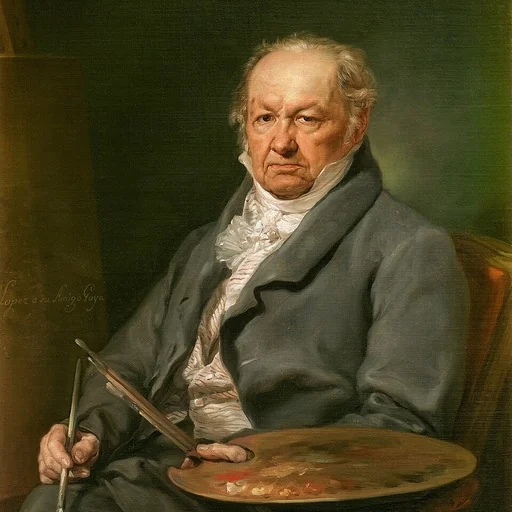
Francisco José de Goya y Lucientes (; Spanish: ; 30 March 1746 – 16 April 1828) was a Spanish romantic painter and printmaker.