Artwork
Francisco Bayeu
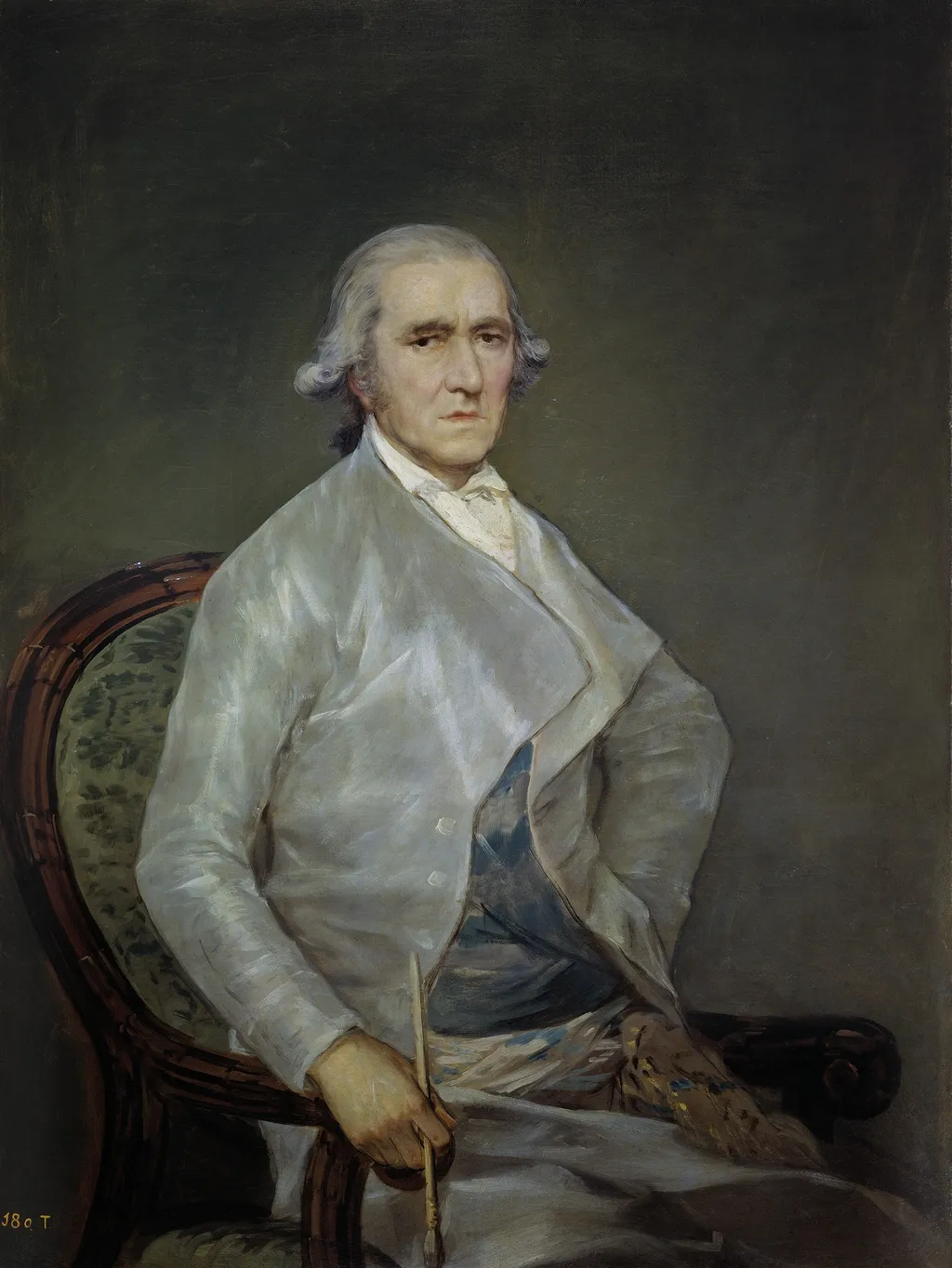
Francisco Bayeu is an oil painting by the Early Baroque Italian artist Francisco Goya. It dates from 1798 and is held in the collection of the Museo del Prado.
About this work
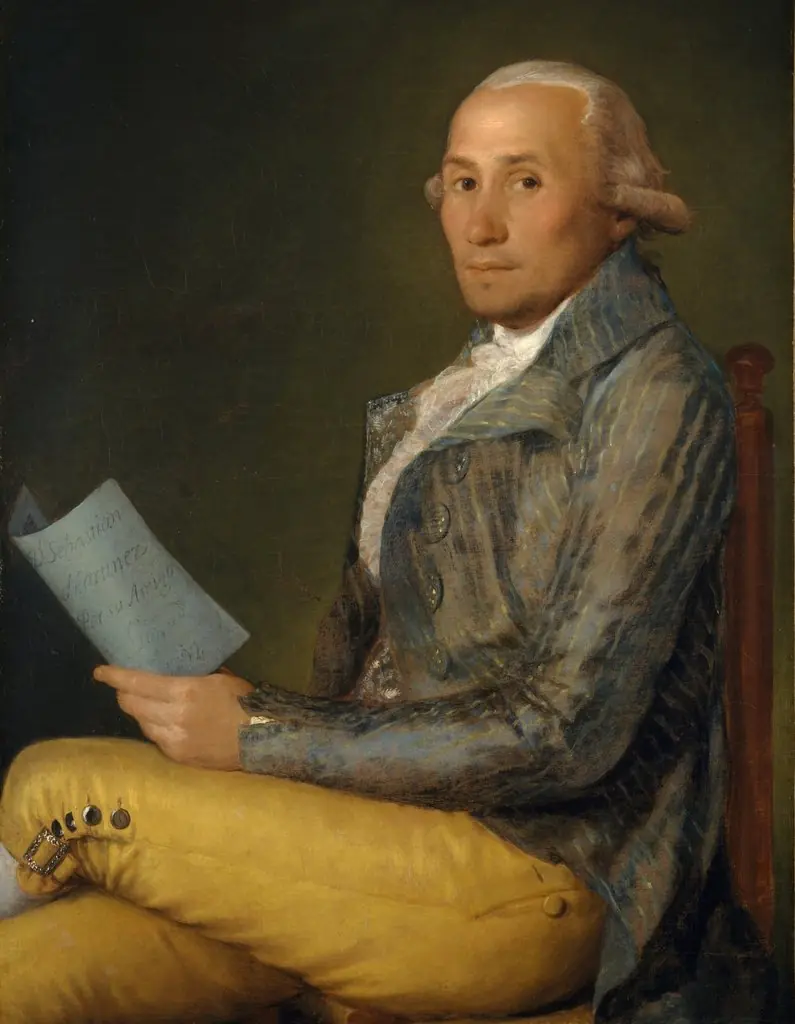
This painting is a portrait of a man with gray hair, dressed in a white shirt and a light-colored jacket.
This painting is a portrait of a man with gray hair, dressed in a white shirt and a light-colored jacket. He is seated in a chair with a green upholstered back, holding a paintbrush in his right hand. The background is a solid, dark color.
The man's attire and the style of the painting suggest that it is from the late 18th century. The artist's use of chiaroscuro, a technique that uses strong contrasts between light and dark to create a sense of volume and depth, adds depth to the portrait.
The painting is a representation of Francisco Bayeu, a Spanish painter. To learn more about the artist who created this work, look up Francisco Goya.
Overview
Created in 1798, this oil-on-canvas portrait by Francisco Goya depicts his contemporary Francisco Bayeú, a fellow Spanish painter. The work is part of the Prado Museum’s collection and exemplifies Goya’s output during his rise as a leading figure in late‑eighteenth‑century Spanish art.
Subject & Meaning
The sitter, Francisco Bayeú, appears seated, his gray hair and composed expression suggesting a mature artist at work. He holds a paintbrush, linking his identity to the practice of painting and underscoring the mutual respect between two members of the same artistic circle.
Technique & Style
Goya employs chiaroscuro, contrasting a dark background with illuminated areas on the figure’s face and clothing. The subtle modeling of light on the white shirt and light‑coloured jacket creates a three‑dimensional presence, while the restrained palette reflects the late eighteenth‑century aesthetic.
History & Provenance
The portrait was executed during Goya’s early professional period, before his appointment as court painter. It entered the Museo del Prado’s holdings as part of the museum’s effort to assemble works by Spain’s principal artists of the era.
Context
Situated within the broader currents of the early Baroque Italian movement, the painting reflects the lingering influence of Italian classicism on Spanish portraiture. Goya’s approach balances formal representation with a personal intimacy that characterises his later, more expressive works.
Own this work as a print
Artist & collection
Artist
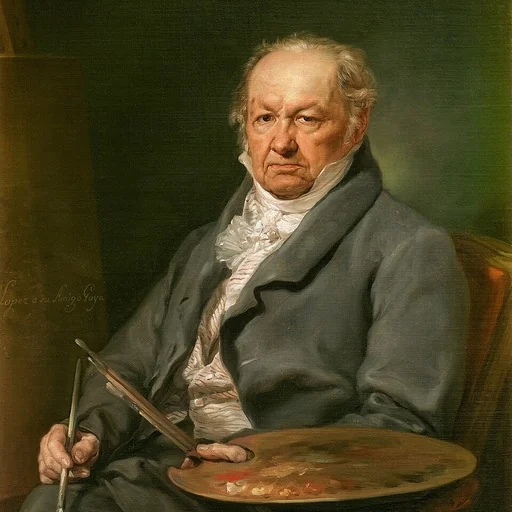
Francisco José de Goya y Lucientes (; Spanish: ; 30 March 1746 – 16 April 1828) was a Spanish romantic painter and printmaker.

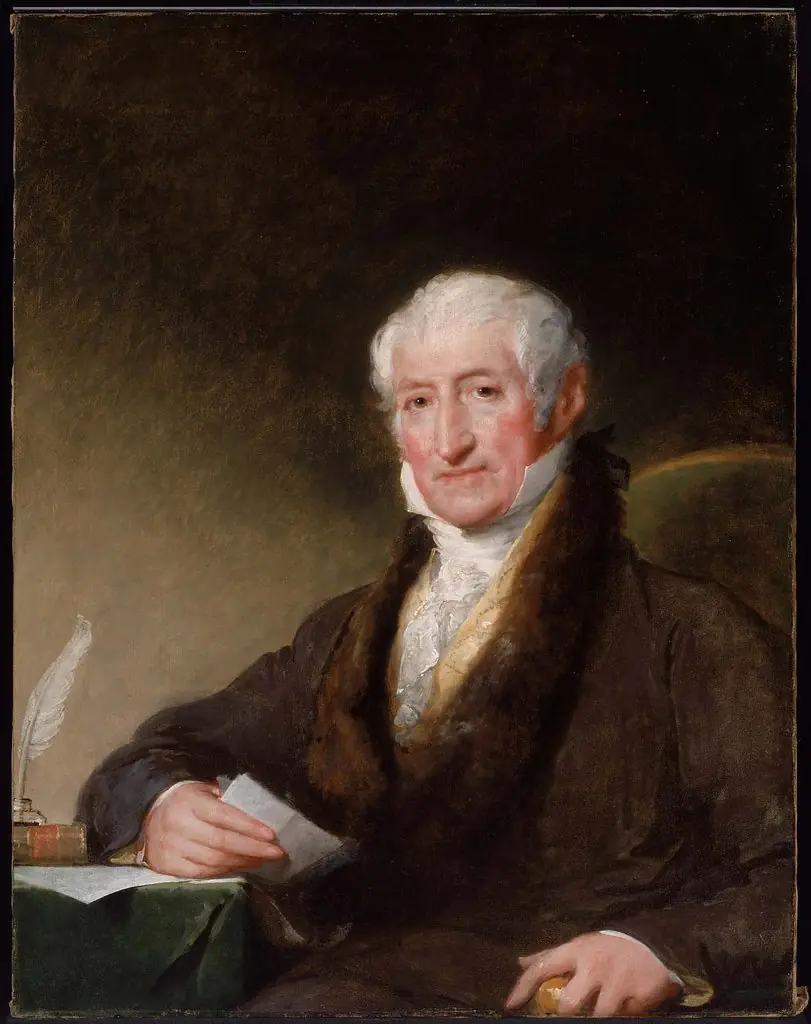 Ward Nicholas Boylston
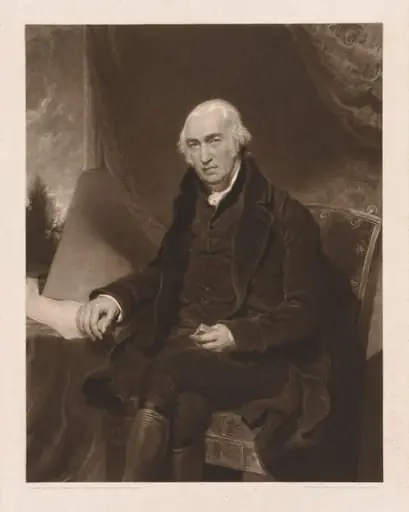 James Watt
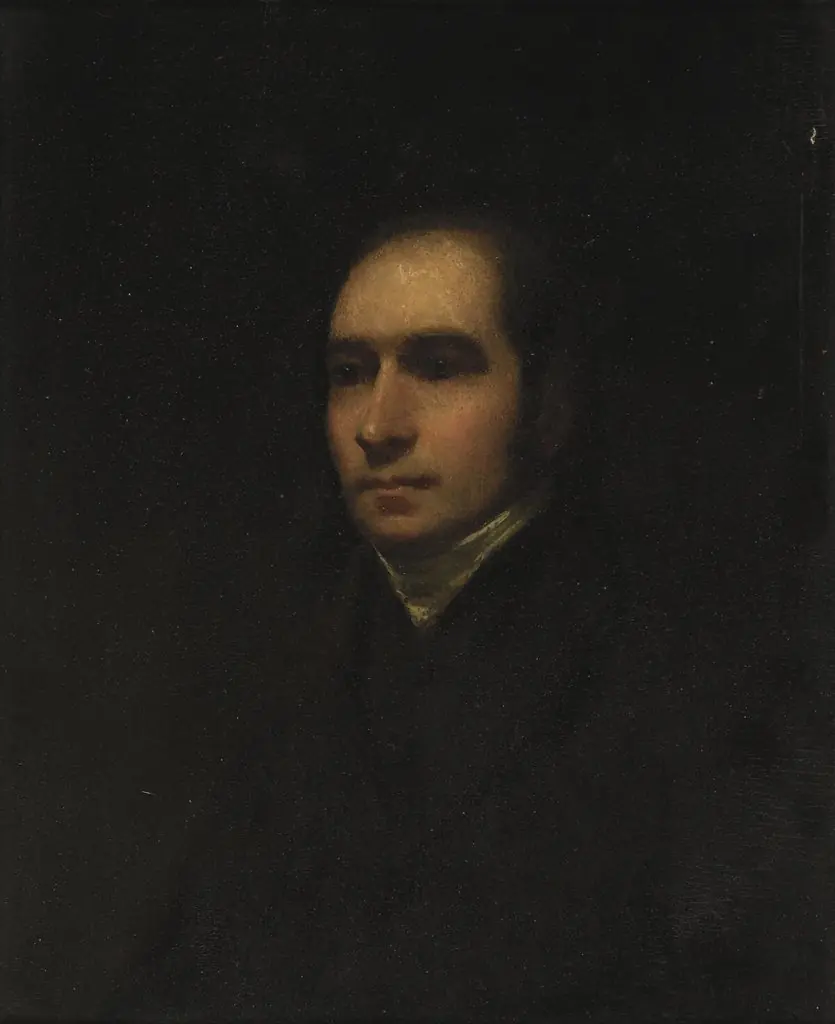 Sir Charles Forbes (1774-1849)
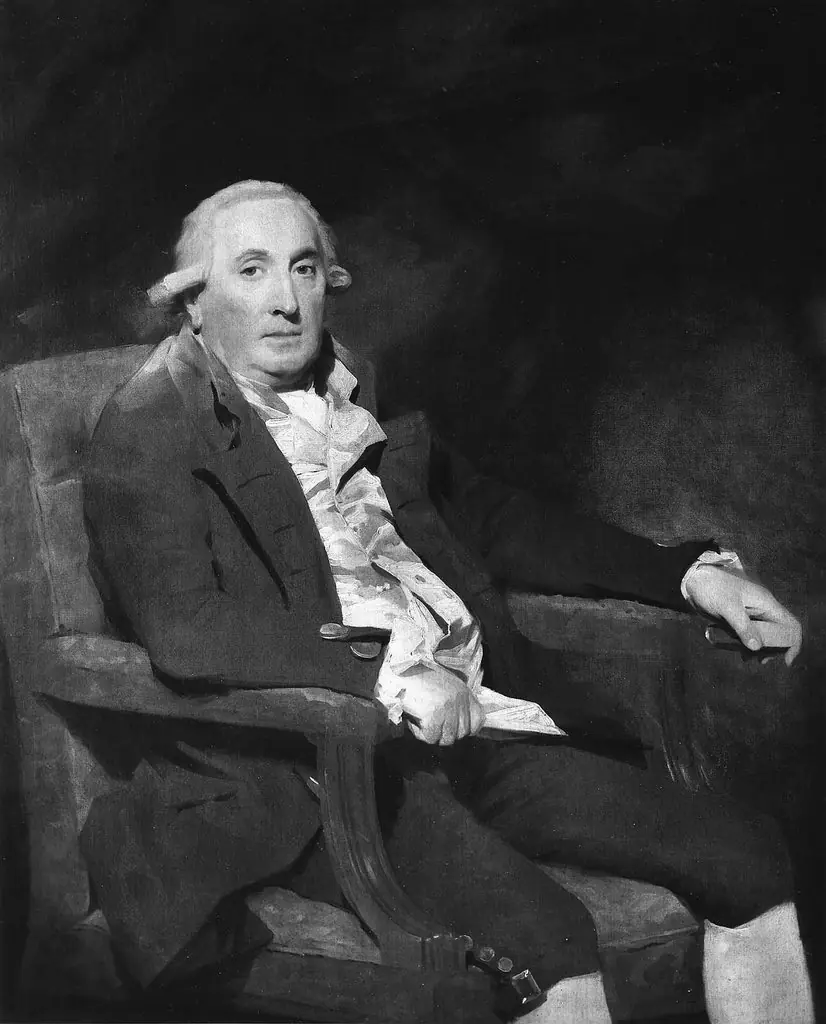 Portrait of a Man Seated in an Armchair (said to be William Fairlie)
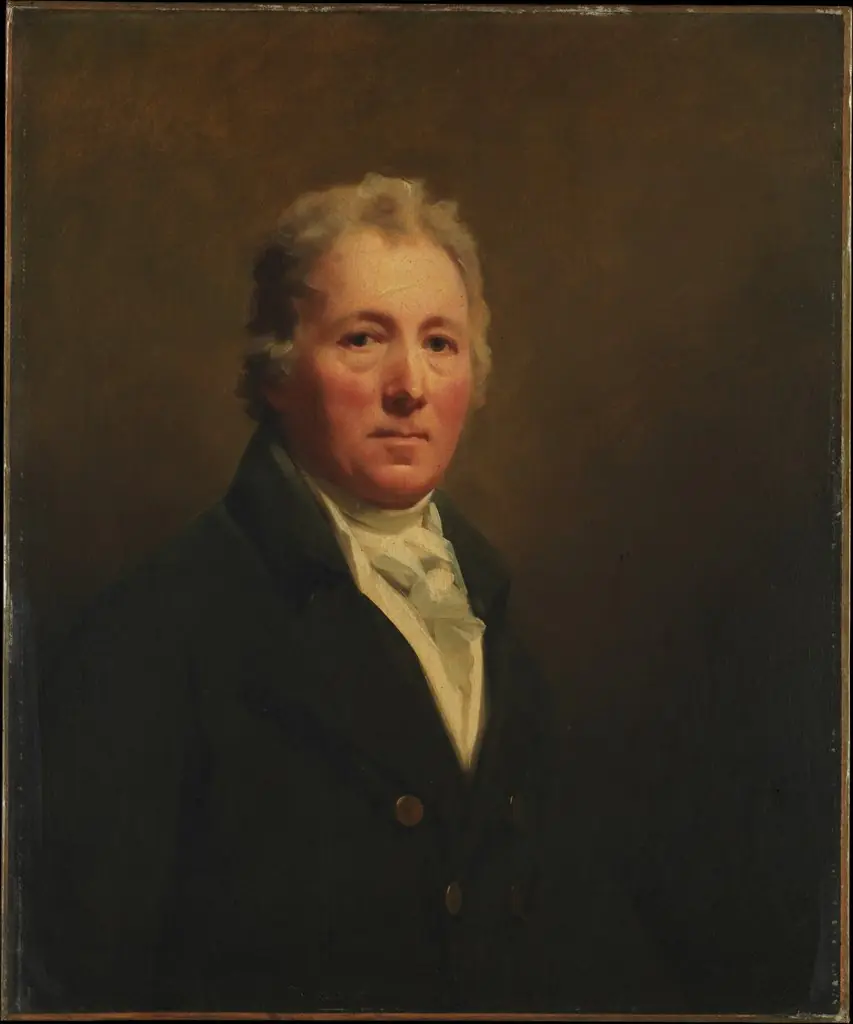 William Forsyth (1749–1814)
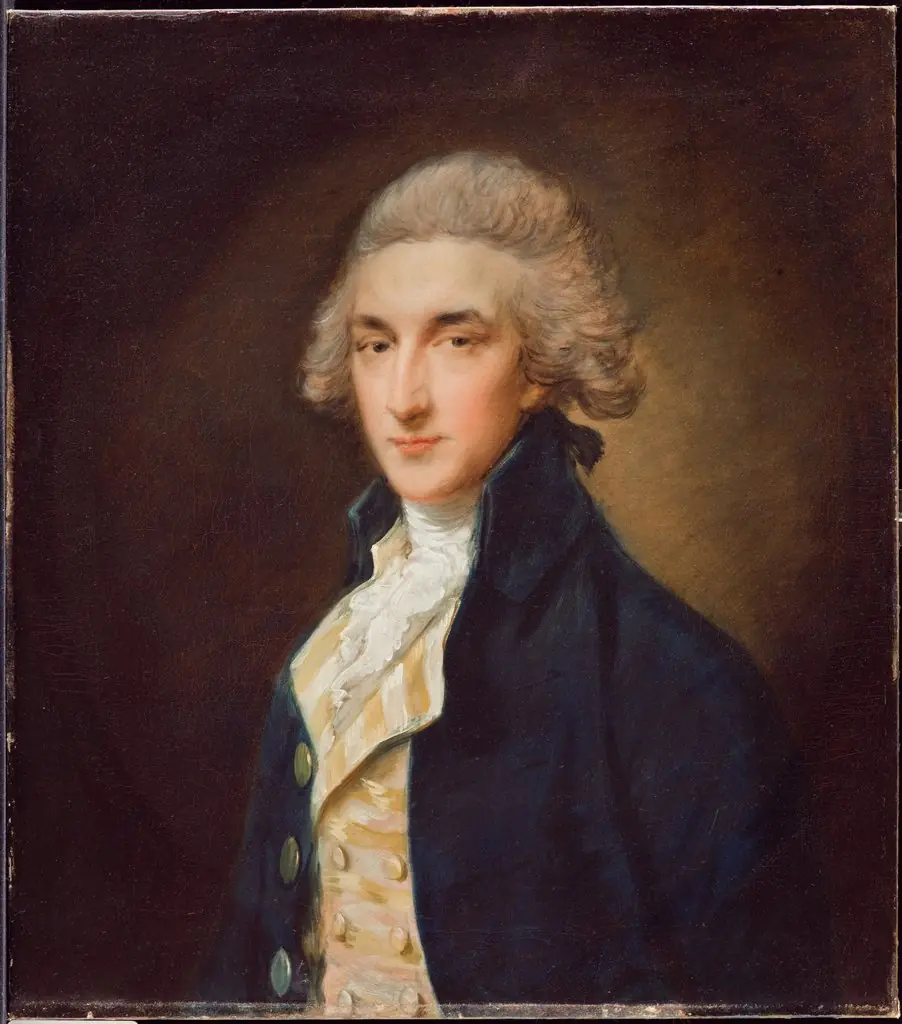 Sir John Edward Swinburne
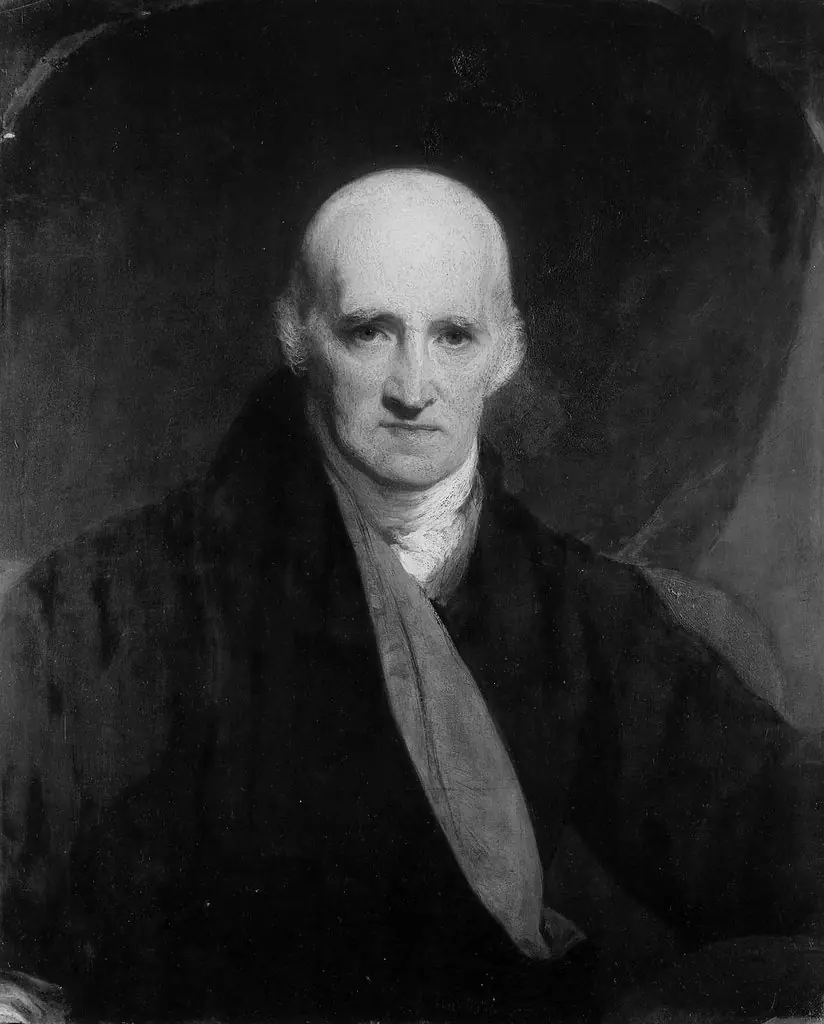 Benjamin West
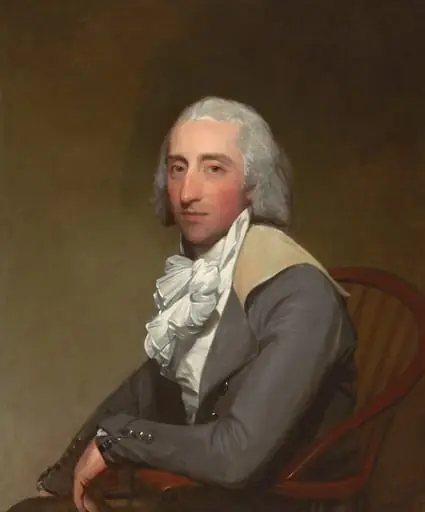 Lawrence Reid Yates
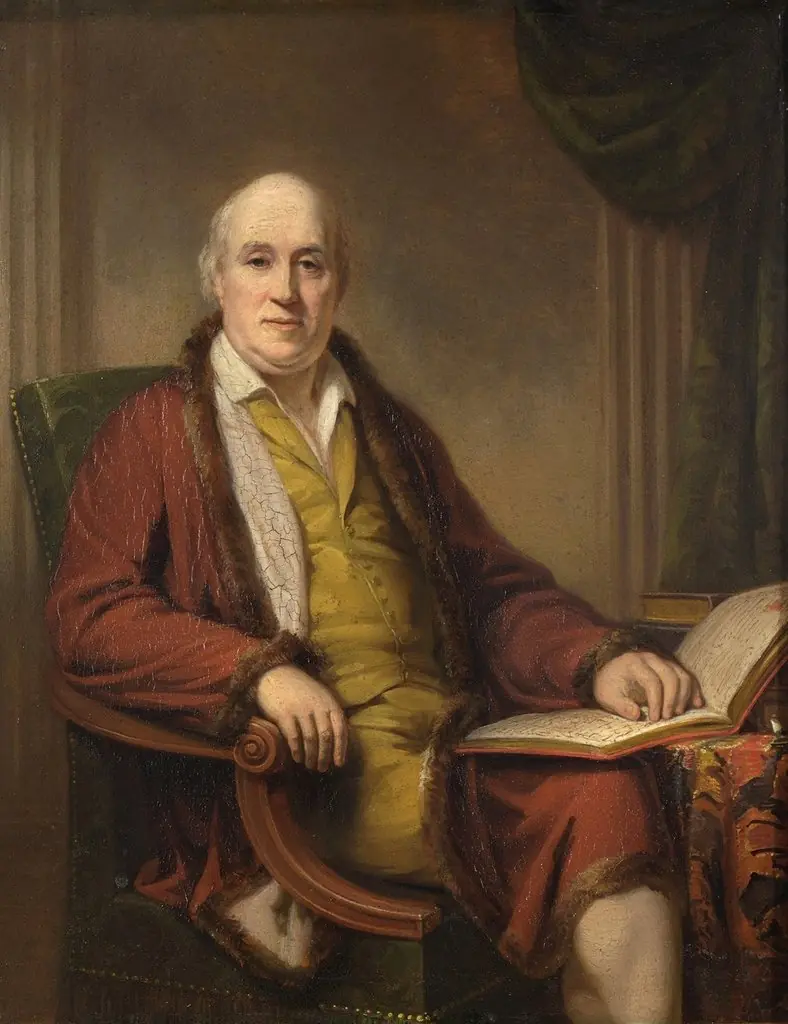 Richard, 7th Viscount Fitzwilliam of Merrion
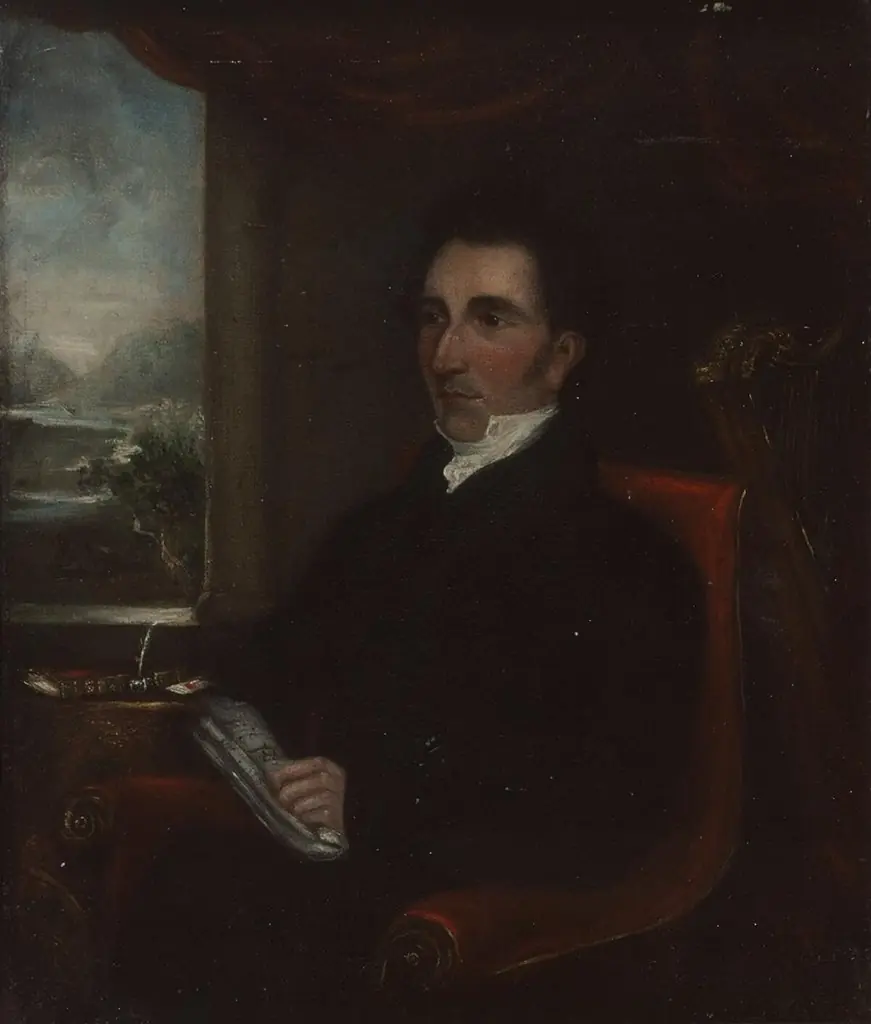 John Parry (1776-1851)
 Rev.Henry Rees
 John Julius Angerstein (1736–1823)