Artwork
Friar Pedro Wrests the Gun from El Maragato
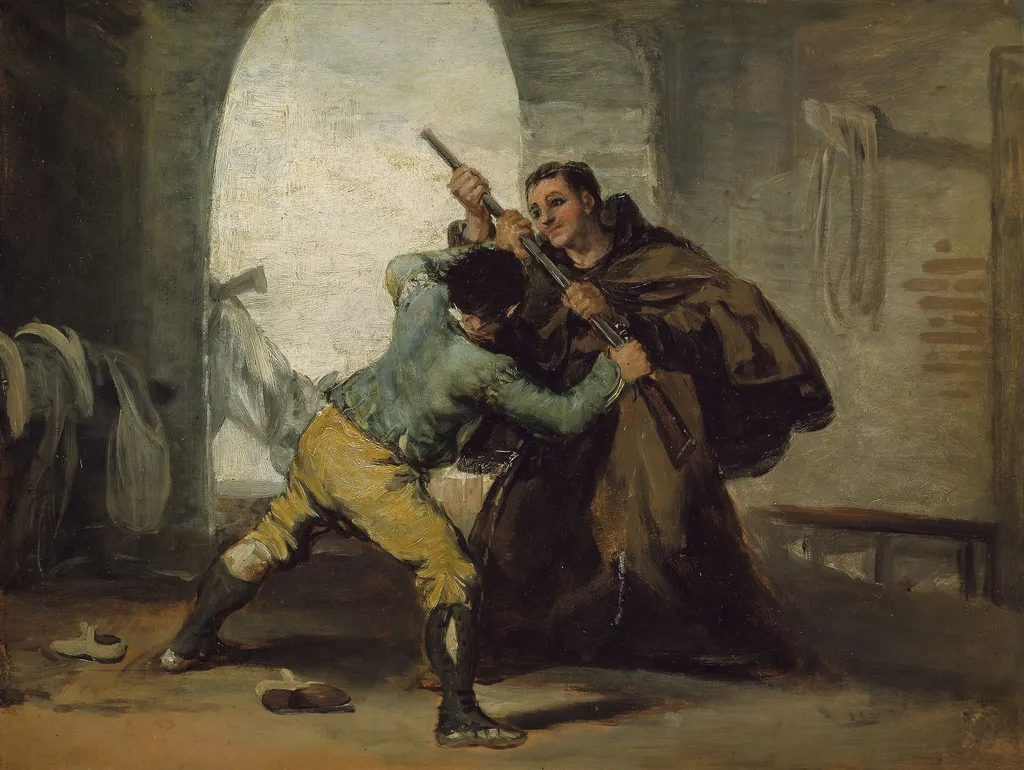
Friar Pedro Wrests the Gun from El Maragato is an oil painting by Francisco Goya. It dates from 1806 and is held in the collection of the Art Institute of Chicago.
About this work
Overview
Painted in 1806 by Francisco Goya, this oil work captures a moment of physical struggle between a friar and a man identified as El Maragato.
Painted in 1806 by Francisco Goya, this oil work captures a moment of physical struggle between a friar and a man identified as El Maragato. It belongs to a series of paintings Goya created during a turbulent era in Spain, reflecting the violence and moral ambiguity of the period. The scene is rendered with intense focus on gesture and expression, avoiding idealization in favor of raw immediacy. The painting is now part of the Art Institute of Chicago’s permanent collection.
Subject & Meaning
The painting illustrates a confrontation between religious authority and civilian defiance. Friar Pedro, representing institutional order, attempts to disarm El Maragato, a figure associated with lawlessness and regional resistance. The act of disarming becomes symbolic: a clash between duty and rebellion, faith and violence. Goya presents neither figure as wholly heroic or villainous, inviting ambiguity about justice and power in a fractured society.
Technique & Style
Goya employs chiaroscuro to heighten the drama, with light streaming from a high arched window casting sharp contrasts across the figures. The friar’s brown robe and the man’s vivid blue and yellow clothing are rendered with loose, urgent brushwork, emphasizing motion over detail. Facial expressions are subtly defined, conveying tension without melodrama. The dim interior space, barely suggested, focuses attention entirely on the struggle at its center.
History & Provenance
Created during Goya’s later years, the painting emerged amid Spain’s upheavals following the Peninsular War and the collapse of absolutist rule. It was likely commissioned or conceived as part of a broader commentary on civil disorder. The work remained in private hands until entering the Art Institute of Chicago’s collection, where it has been studied as a key example of Goya’s engagement with contemporary social conflict.
Context
Goya painted this during a time when Spain was reeling from French occupation, internal rebellion, and the erosion of traditional authority. Figures like El Maragato—bandits or regional insurgents—were common in popular discourse, often viewed as both criminals and symbols of resistance. The friar’s intervention reflects the Church’s contested role in maintaining order, a theme Goya explored critically across his oeuvre.
Legacy
This work exemplifies Goya’s shift from courtly portraiture toward unflinching depictions of human conflict. Its psychological realism and compositional intensity influenced later realist and expressionist painters. Though less widely known than his Black Paintings or etchings, it remains a vital document of early 19th-century Spanish society, revealing how art could confront moral ambiguity without resolution.
Own this work as a print
Artist & collection
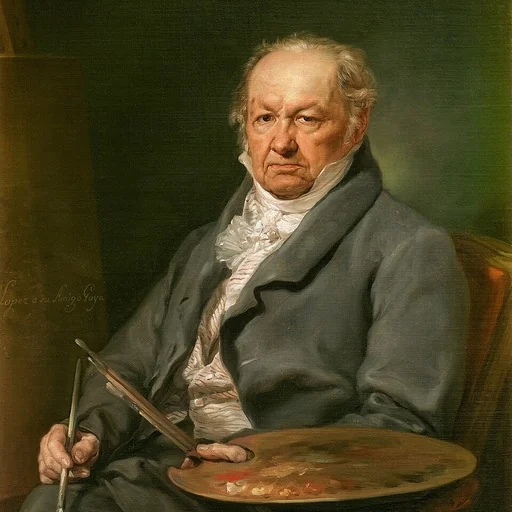
Artist
Francisco José de Goya y Lucientes (; Spanish: ; 30 March 1746 – 16 April 1828) was a Spanish romantic painter and printmaker.

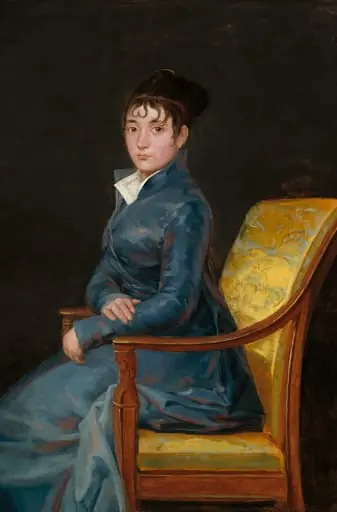
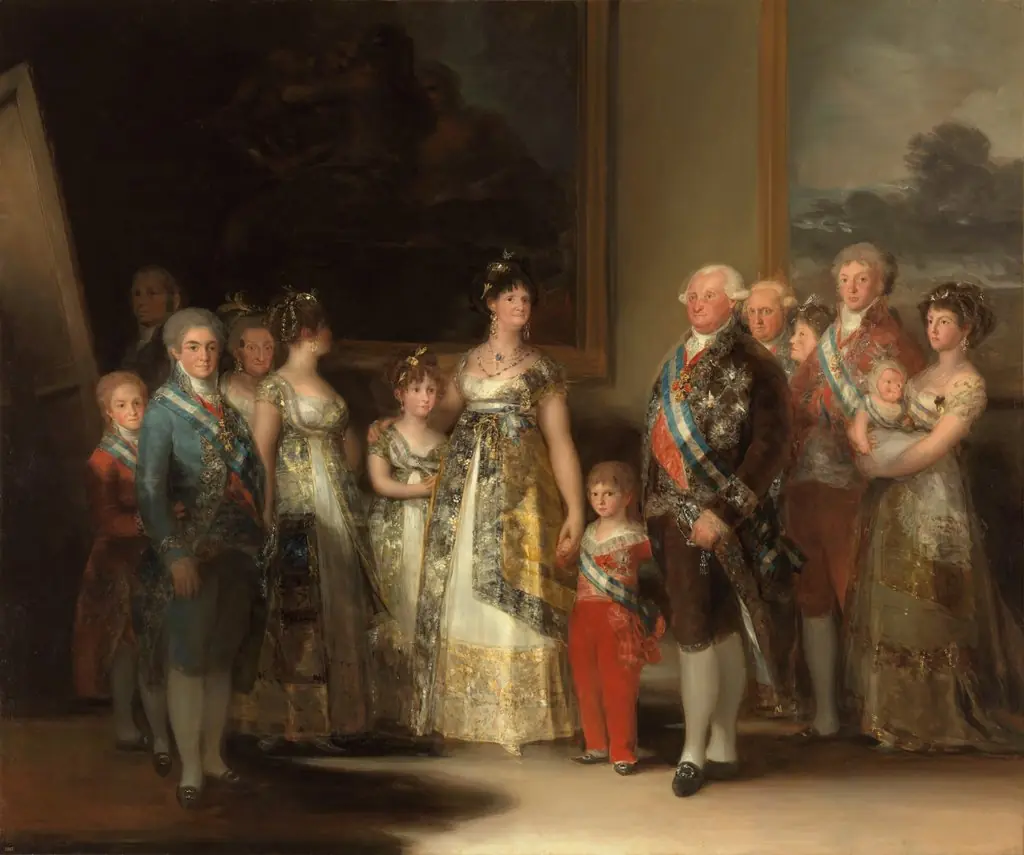
 Friar Pedro Clubs El Maragato with the Butt of the Gun
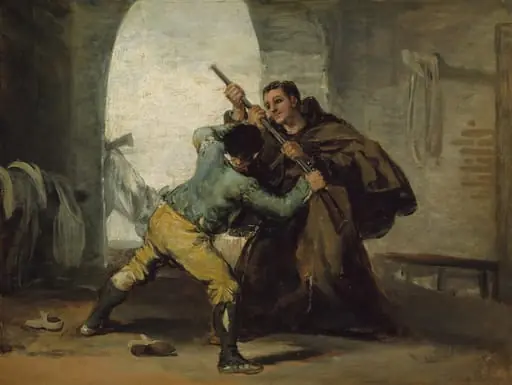 Friar Pedro Wrests the Gun from El Maragato
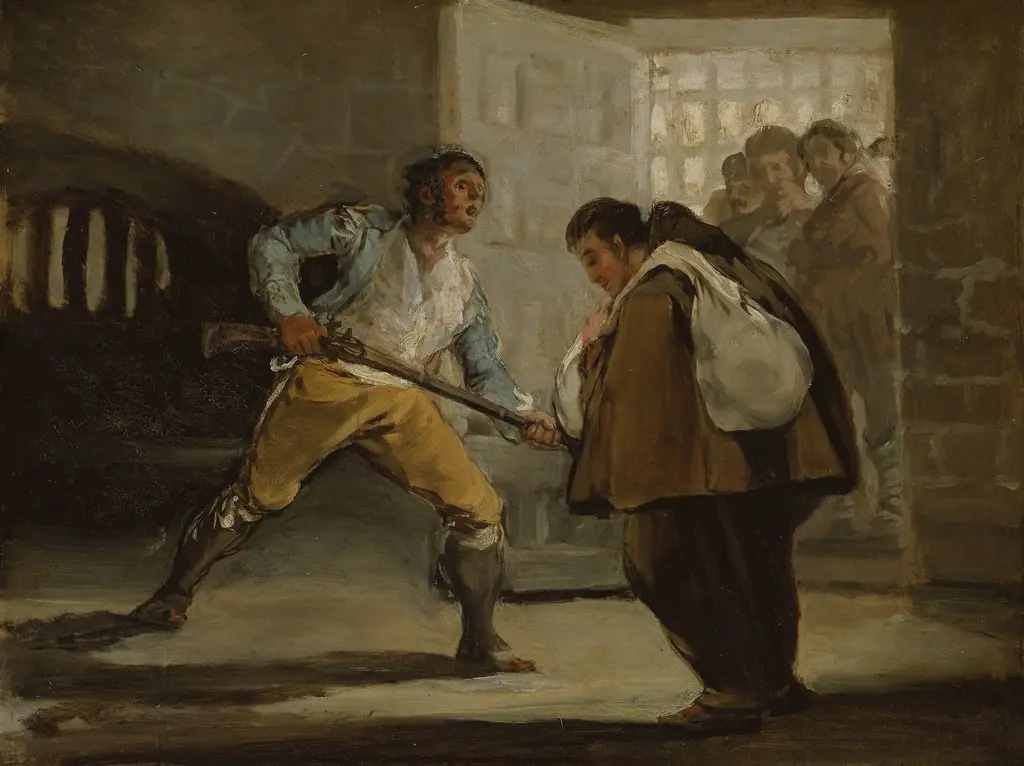 El Maragato Threatens Friar Pedro de Zaldivia with His Gun
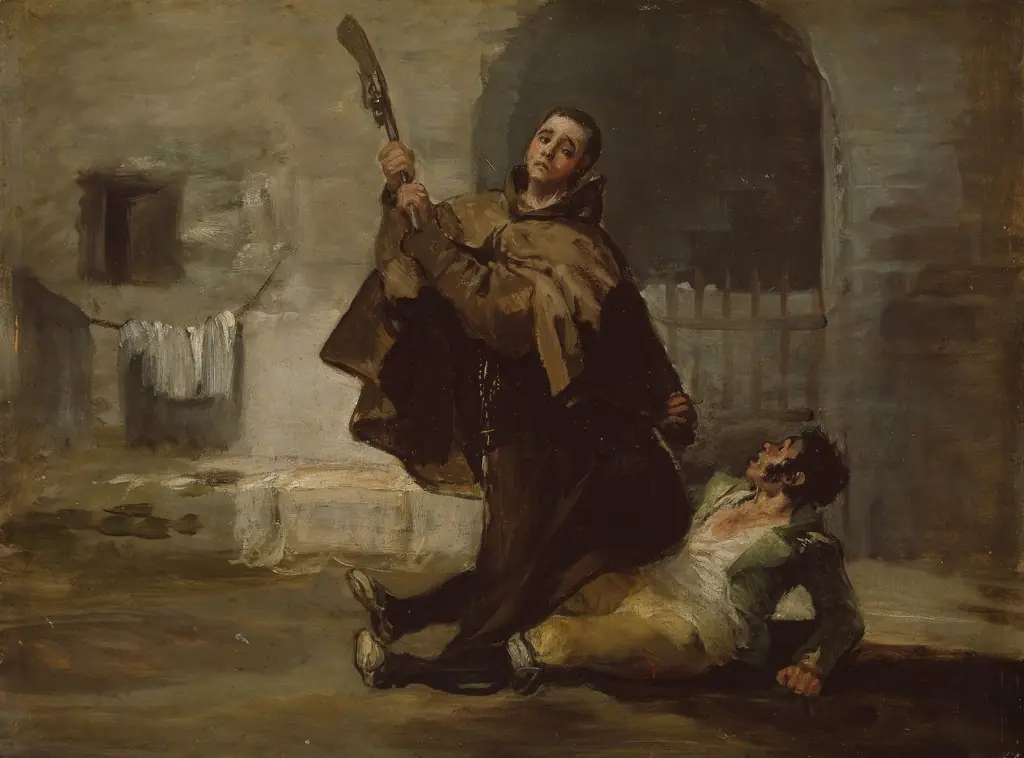
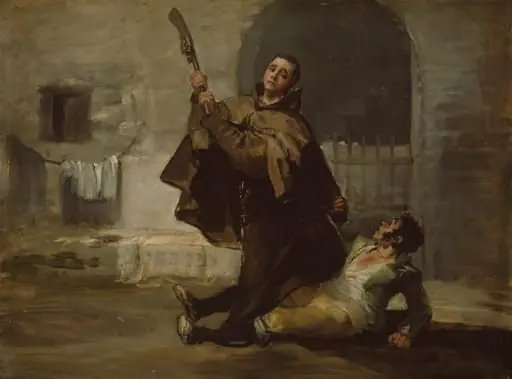 Friar Pedro Clubs El Maragato with the Butt of the Gun
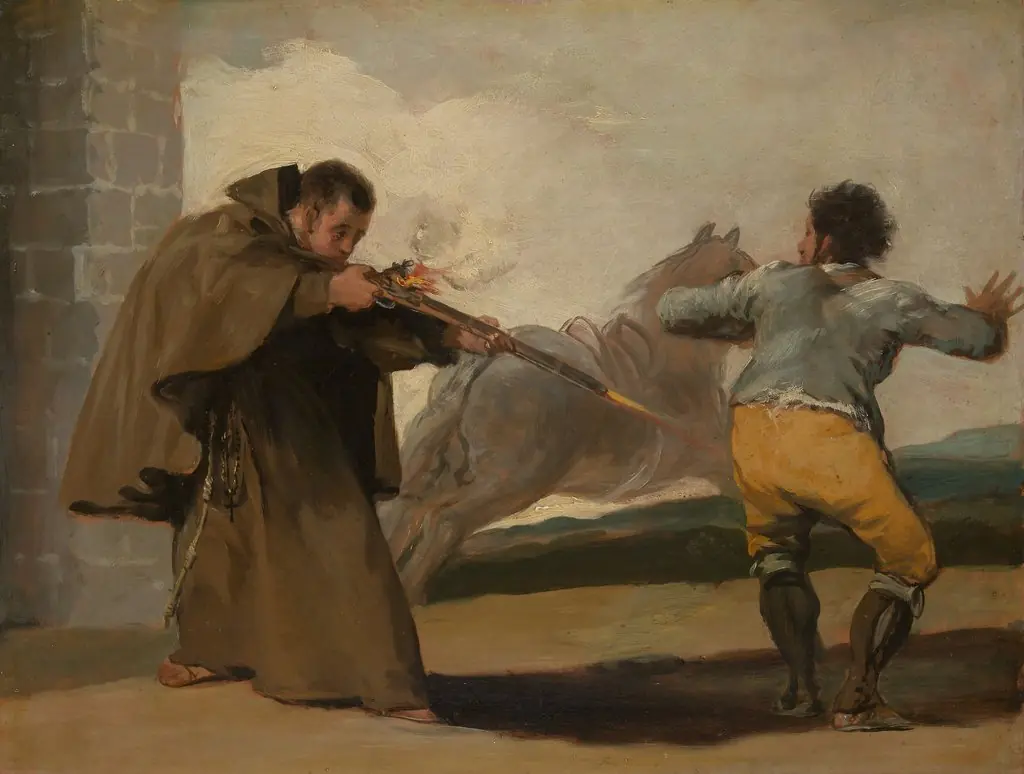 Friar Pedro Shoots El Maragato as His Horse Runs Off
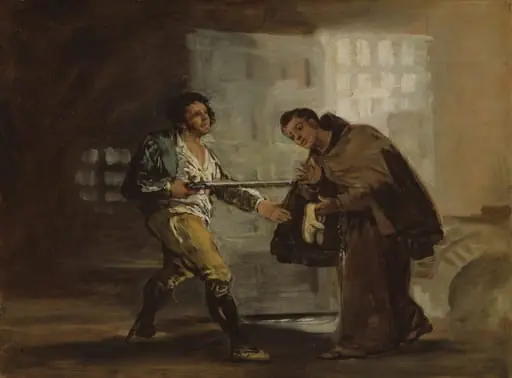 Friar Pedro Offers Shoes to El Maragato and Prepares to Push Aside His Gun
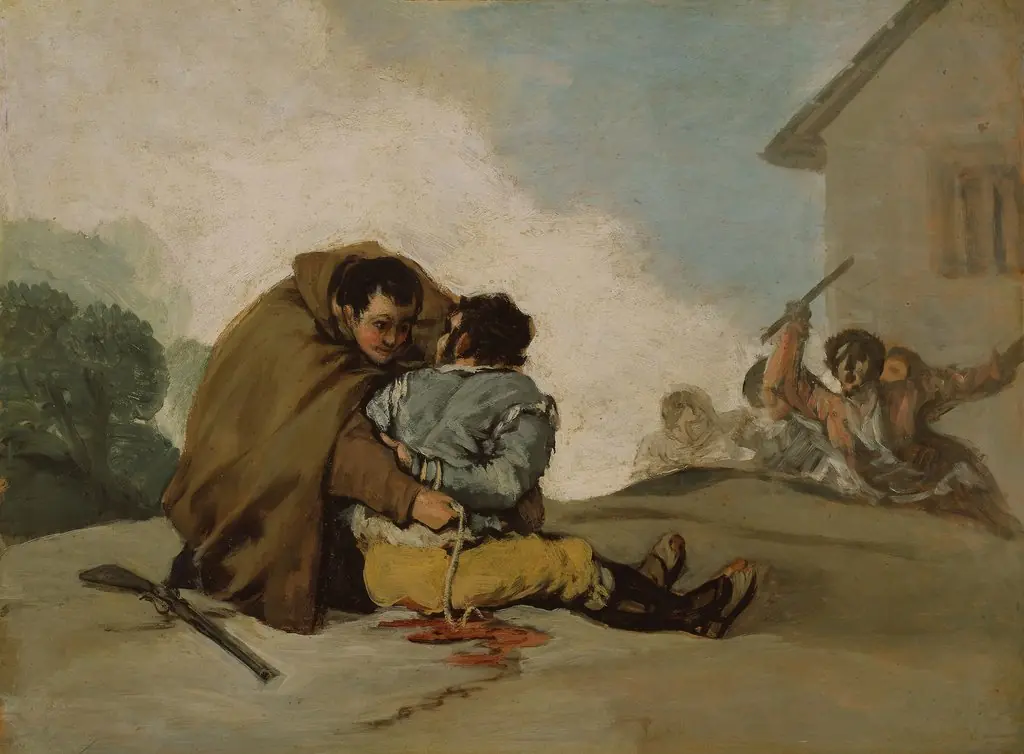 Friar Pedro Binds El Maragato with a Rope
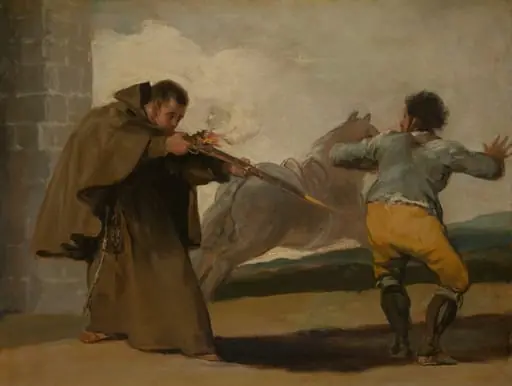 Friar Pedro Shoots El Maragato as His Horse Runs Off
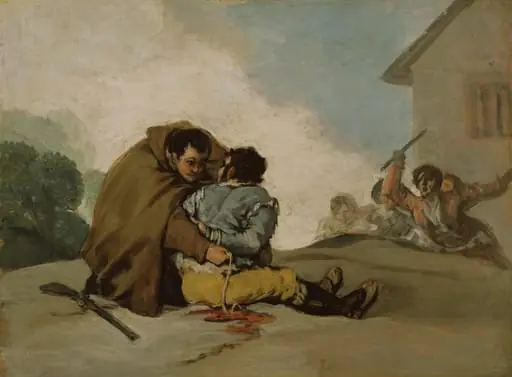 Friar Pedro Binds El Maragato with a Rope
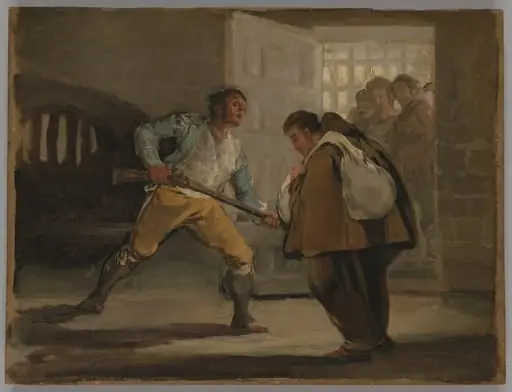 El Maragato Threatens Friar Pedro de Zaldivia with His Gun