Artwork
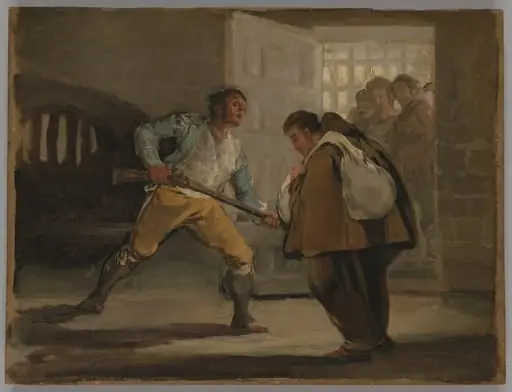
Friar Pedro Offers Shoes to El Maragato and Prepares to Push Aside His Gun
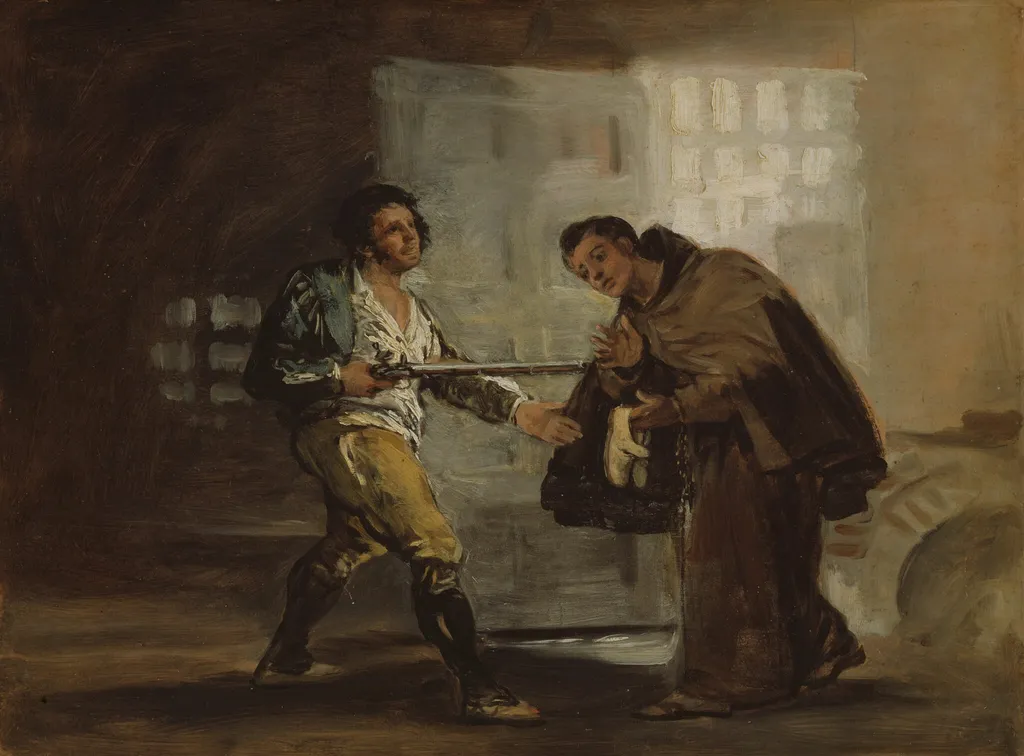
Friar Pedro Offers Shoes to El Maragato and Prepares to Push Aside His Gun is an oil painting by the Romanticist artist Francisco Goya. It dates from 1806 and is held in the collection of the Art Institute of Chicago. This oil on panel by Francisco de Goya depicts a dramatic encounter between a friar and a notorious bandit.
About this work
You see a friar and a bandit in a tense moment.
The friar, Pedro, is offering shoes to the bandit, El Maragato, while also preparing to push aside his gun. This scene is interesting because it's based on a real event from 1806, where Friar Pedro outsmarted the notorious criminal El Maragato.
Check out the work of artist Francisco José de Goya y Lucientes to see more of his unique paintings.
Overview
This oil on panel by Francisco de Goya depicts a dramatic encounter between a friar and a notorious bandit. The composition captures the moment when Friar Pedro de Saldivia offers the captive El Maragato a pair of shoes while simultaneously moving to displace the bandit’s weapon. The scene is drawn from a widely circulated 1806 episode in which the friar subdued the escaped criminal.
Subject & Meaning
The painting illustrates the clash between religious authority and lawlessness, emphasizing the friar’s cleverness and moral superiority. By presenting the friar’s act of generosity—offering shoes—alongside the imminent removal of the gun, Goya underscores the tension between compassion and the necessity of force in restoring order.
Technique & Style
Executed in oil on a modestly sized panel, the work employs Goya’s characteristic brisk brushwork and a muted palette that heightens the narrative tension. The figures are rendered with expressive gestures, and the contrast of light on the friar’s habit against the darker tones of the bandit’s attire draws the viewer’s eye to the pivotal exchange.
History & Provenance
Created as part of a small series of satirical scenes for private enjoyment or select patrons, the painting reflects Goya’s interest in contemporary folklore. The episode of Friar Pedro’s capture of El Maragato was a popular subject in early‑19th‑century Spain, appearing in poems, songs, and other visual media, and Goya’s rendition contributed to that cultural record.
Context
The work belongs to a period when Goya turned his attention to everyday Spanish life, moving beyond formal portraiture to explore popular narratives. The 1806 incident resonated with a public fascinated by the triumph of a humble cleric over a feared outlaw, offering Goya material for both humor and social commentary.
Own this work as a print
Artist & collection
Artist
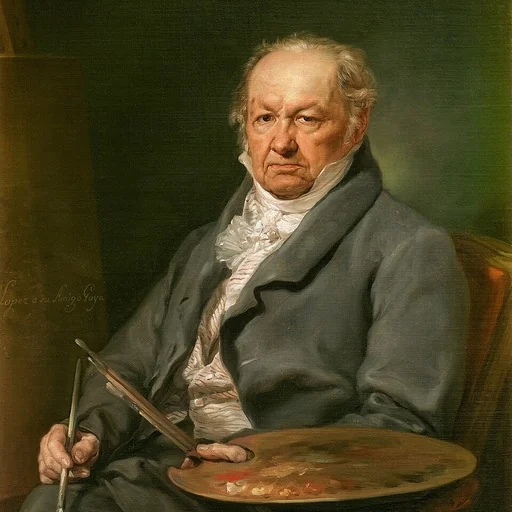
Francisco José de Goya y Lucientes (; Spanish: ; 30 March 1746 – 16 April 1828) was a Spanish romantic painter and printmaker.

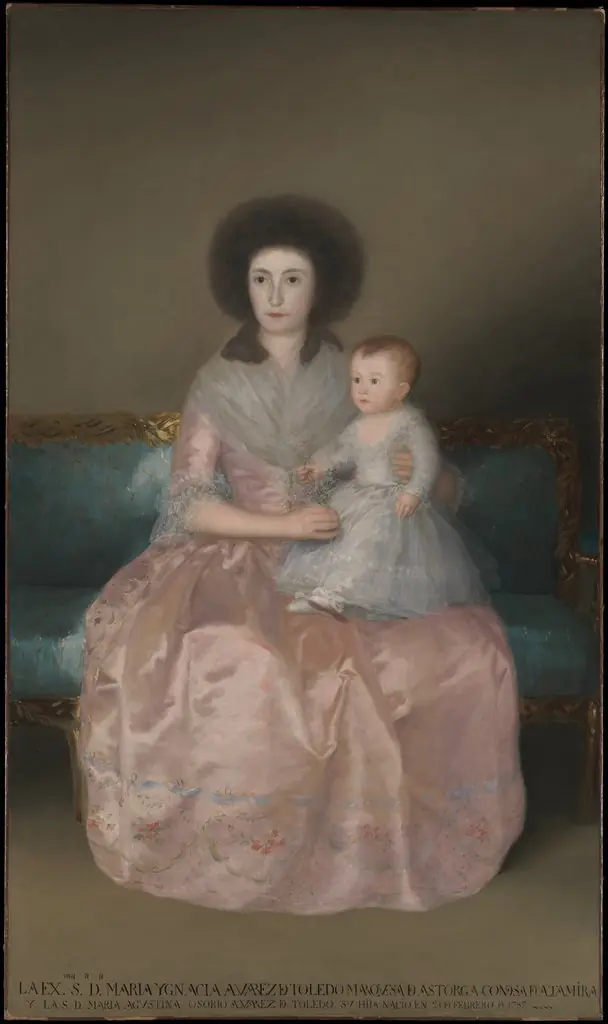
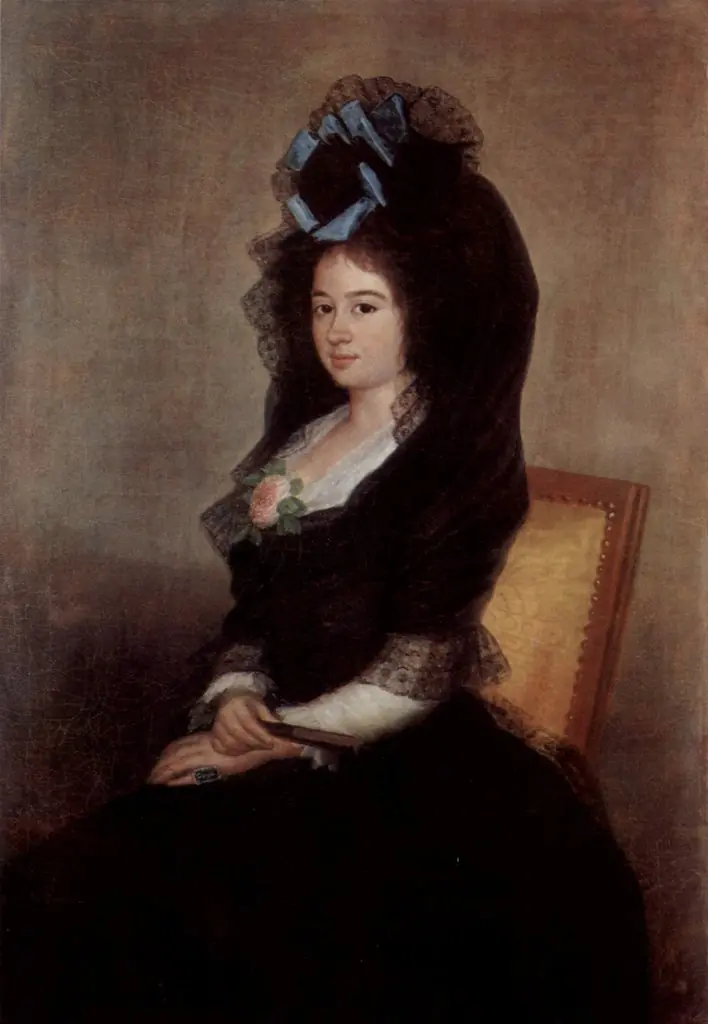
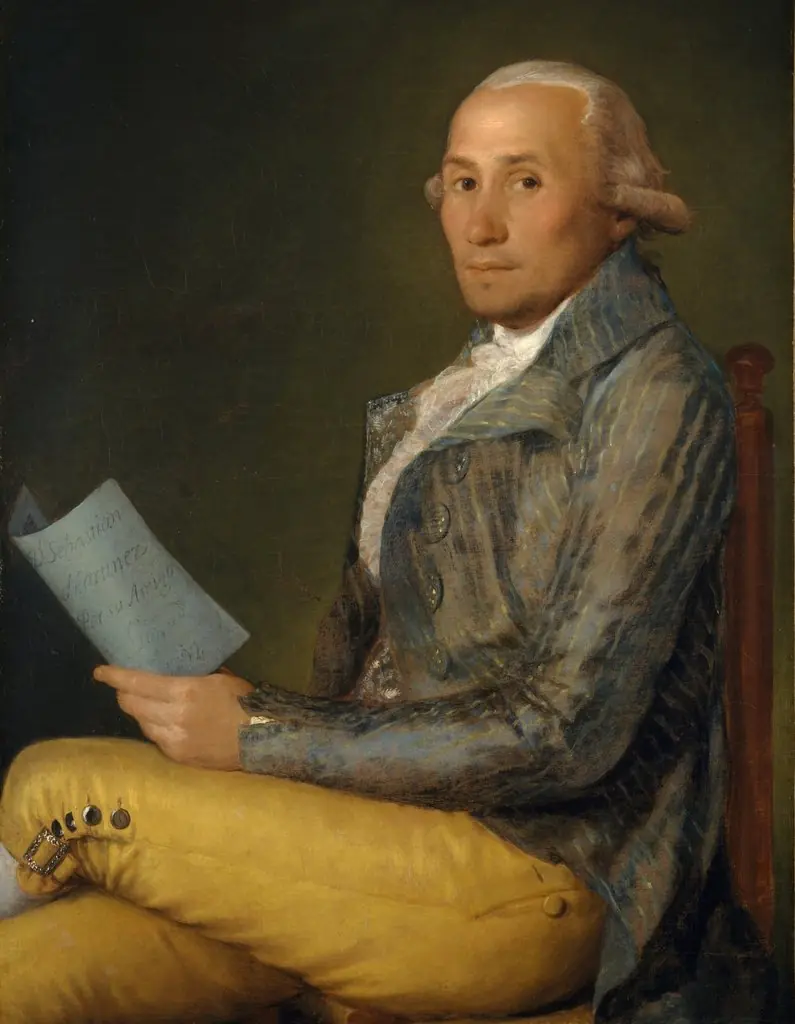
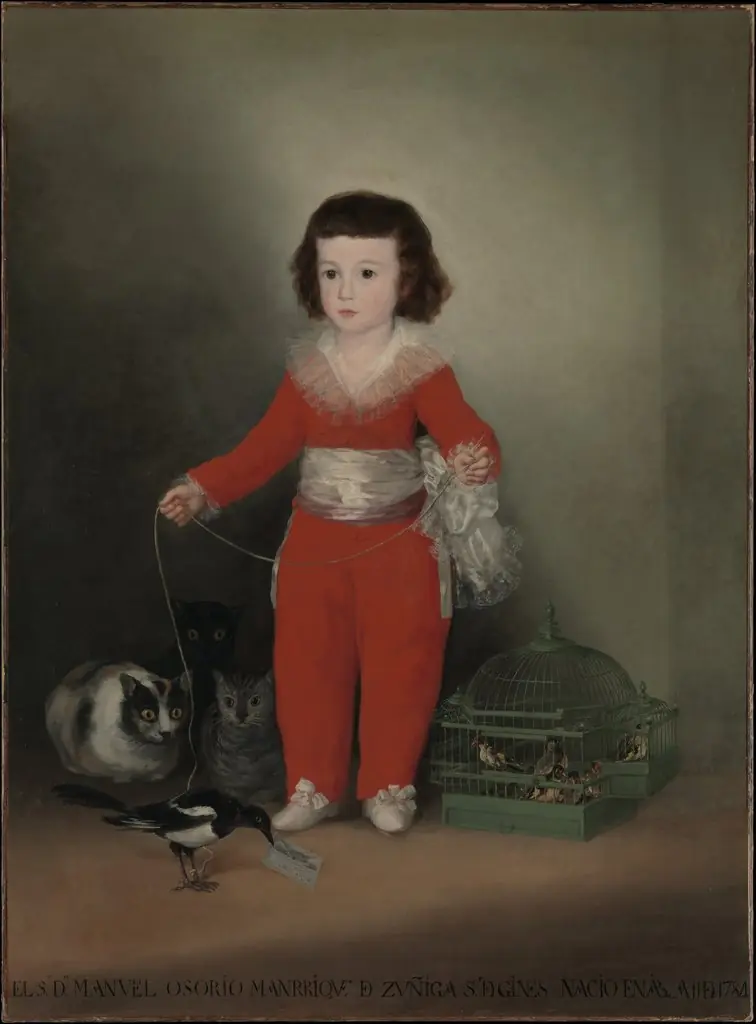
 El Maragato Threatens Friar Pedro de Zaldivia with His Gun
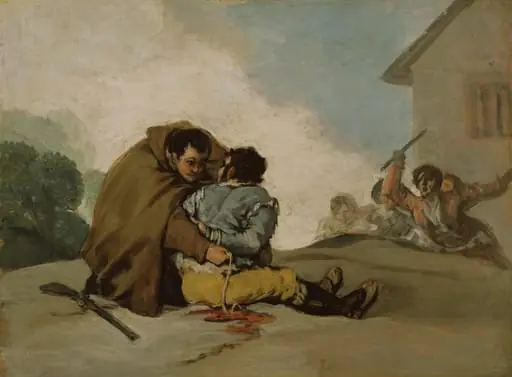 Friar Pedro Binds El Maragato with a Rope
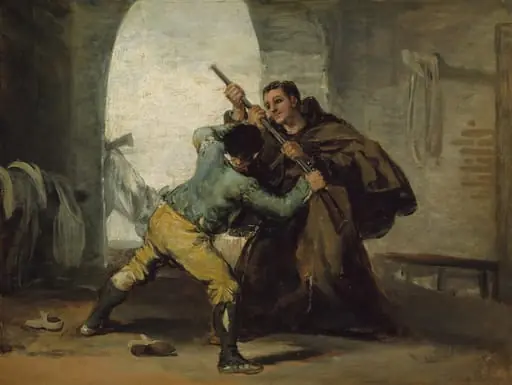 Friar Pedro Wrests the Gun from El Maragato
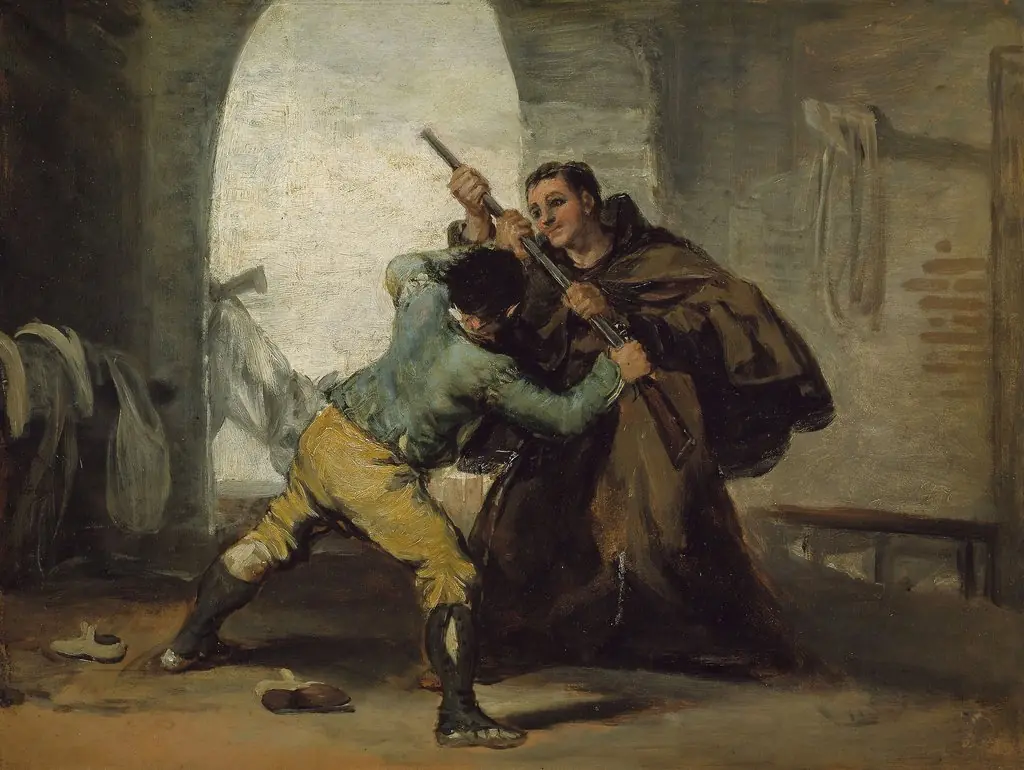 Friar Pedro Wrests the Gun from El Maragato
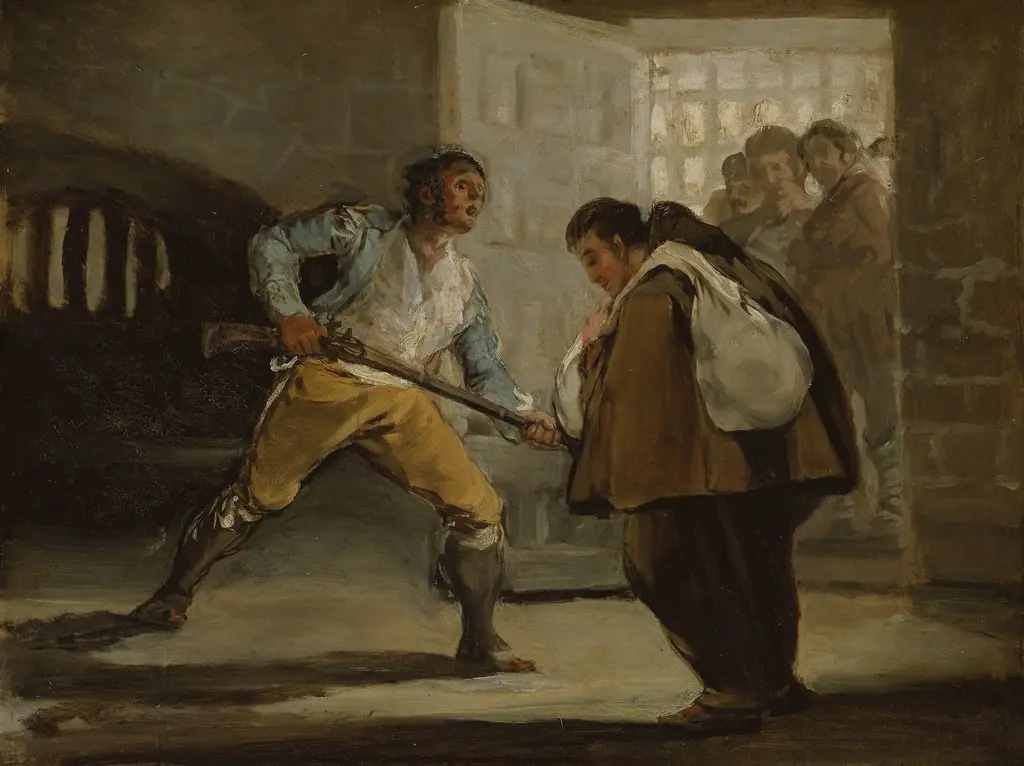 El Maragato Threatens Friar Pedro de Zaldivia with His Gun
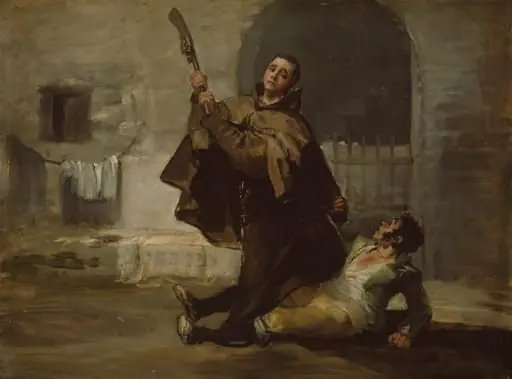 Friar Pedro Clubs El Maragato with the Butt of the Gun
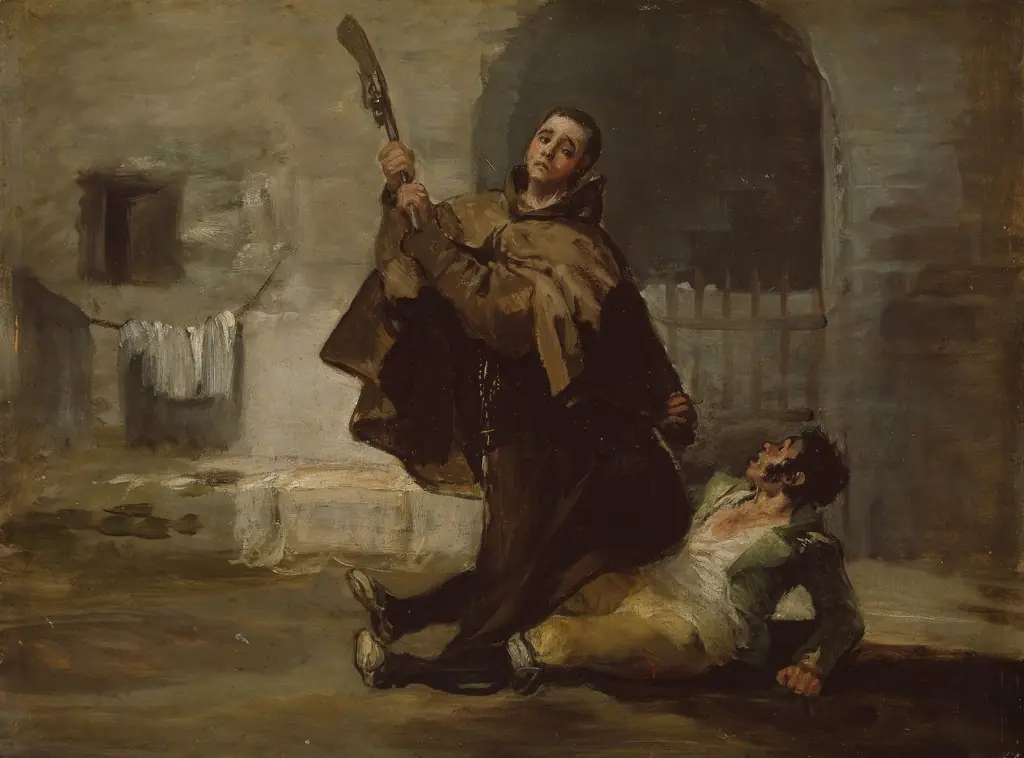 Friar Pedro Clubs El Maragato with the Butt of the Gun
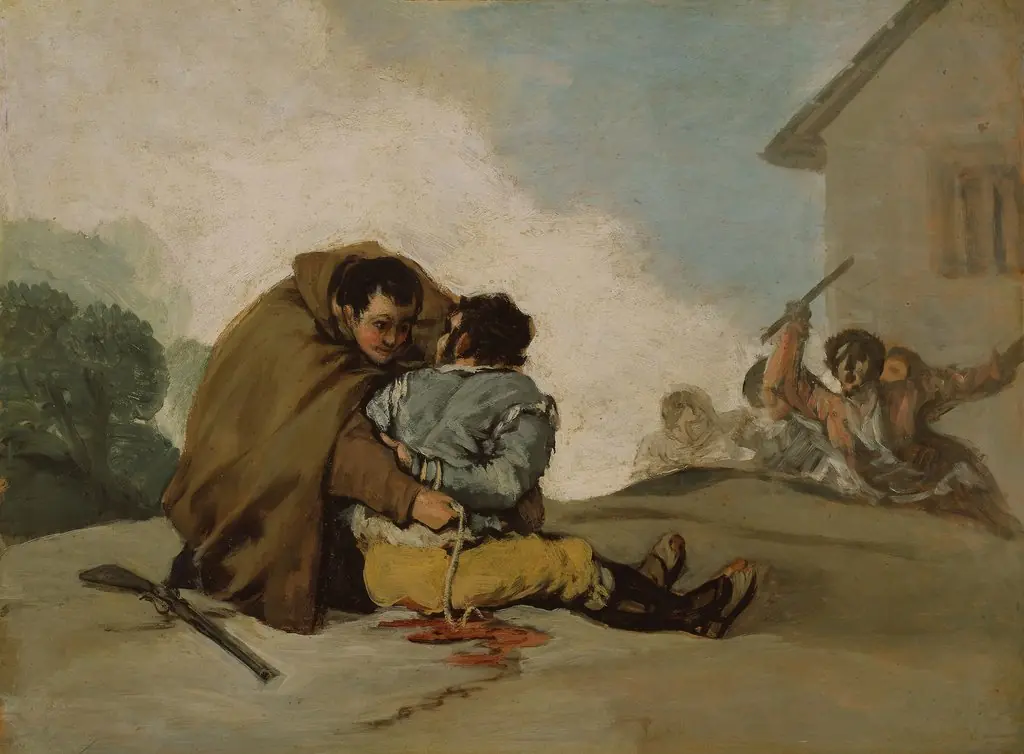 Friar Pedro Binds El Maragato with a Rope
 Friar Pedro Shoots El Maragato as His Horse Runs Off
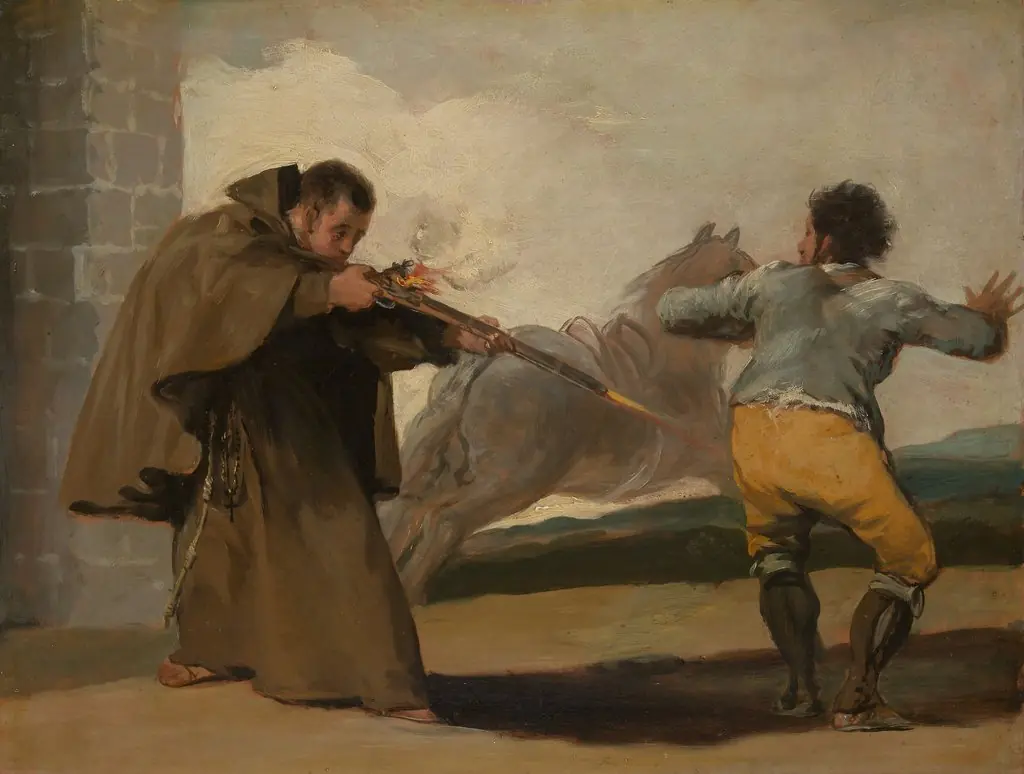 Friar Pedro Shoots El Maragato as His Horse Runs Off
 A caza de dientes (Out Hunting for Teeth)