Artwork
Friar Pedro Binds El Maragato with a Rope
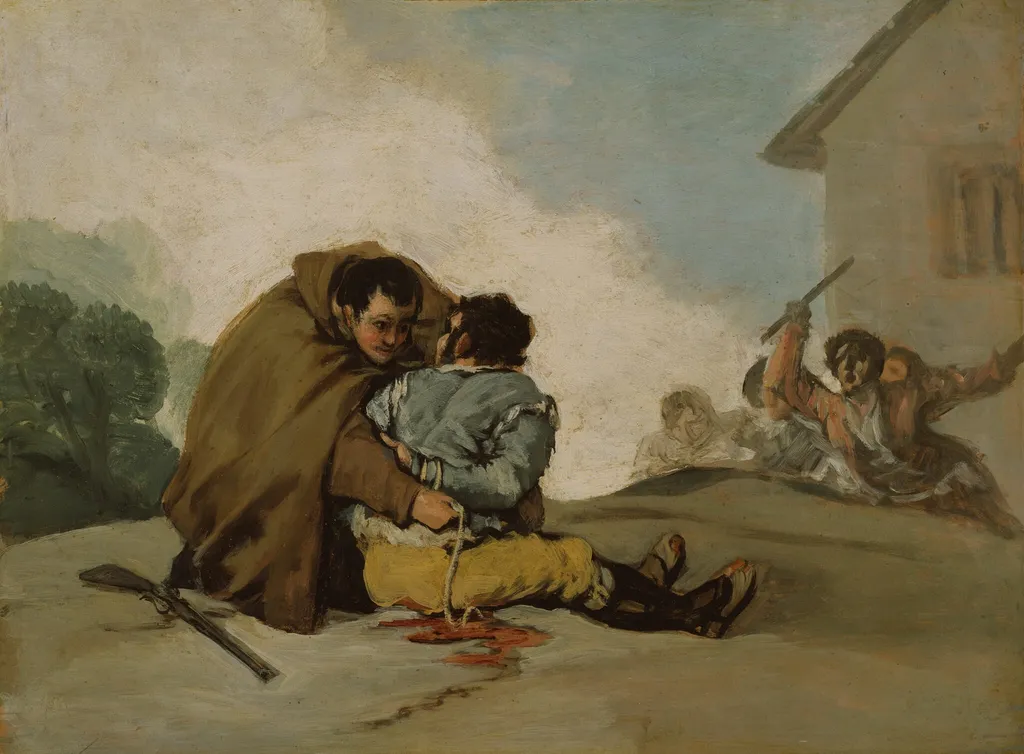
Friar Pedro Binds El Maragato with a Rope is an oil painting by the Romanticist artist Francisco Goya. It dates from 1806 and is held in the collection of the Art Institute of Chicago.
About this work
Overview
This small oil-on-panel painting by Francisco de Goya depicts a sequence of events from a real-life incident in 1806, rendered as a continuous narrative.
This small oil-on-panel painting by Francisco de Goya depicts a sequence of events from a real-life incident in 1806, rendered as a continuous narrative. Unlike his larger commissions, this work was likely created for personal amusement or a private collector. It condenses multiple moments into a single composition, resembling a visual tale told in rapid succession, with a tone that balances tension and irony.
Subject & Meaning
The scene portrays Friar Pedro de Saldivia subduing the outlaw El Maragato after a two-month crime spree. The friar, calm and composed, binds the bandit with rope while two bystanders observe. The narrative emphasizes wit over violence: the criminal’s wild expression and the friar’s quiet control invert traditional hero-villain dynamics, suggesting a folkloric triumph of resourcefulness over brute force.
Technique & Style
Goya employs loose, energetic brushwork with visible impasto to define forms, giving the figures a tactile immediacy. The palette is bright compared to his darker works, and the composition unfolds like a sequence of panels, guiding the eye across the panel as if reading a story. The lack of ornate detail and the focus on gesture reinforce a spontaneous, almost cartoonish rhythm.
History & Provenance
The painting stems from a widely circulated episode in early 19th-century Spain, where El Maragato’s capture became a subject of popular ballads and prints. Goya’s version, likely made shortly after the event, reflects his interest in contemporary folklore rather than official history. Its intimate scale and informal tone suggest it was never intended for public display or institutional patronage.
Context
During this period, Spain was marked by political instability and social unrest, making tales of rogue figures and unexpected heroes resonate with the public. Goya’s depiction aligns with a broader cultural fascination with antiheroes and civic justice outside institutional authority. His choice to render the event with humor reflects a shift from grand historical painting to intimate, anecdotal storytelling.
Legacy
This work stands as an unusual example of Goya’s engagement with popular culture outside his more famous political or satirical series. Its blend of narrative clarity and informal style influenced later artists interested in vernacular storytelling. Though not widely exhibited in his lifetime, it remains a key illustration of how Goya found artistic freedom in subjects beyond royal or religious commissions.
Own this work as a print
Artist & collection
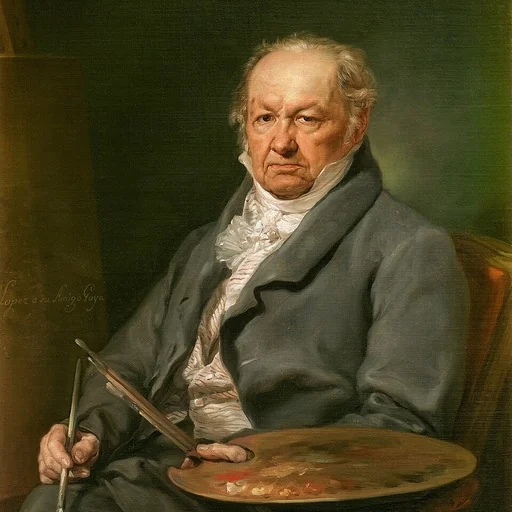
Artist
Francisco José de Goya y Lucientes (; Spanish: ; 30 March 1746 – 16 April 1828) was a Spanish romantic painter and printmaker.

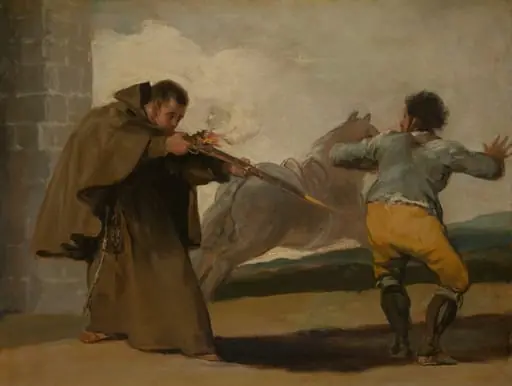 Friar Pedro Shoots El Maragato as His Horse Runs Off
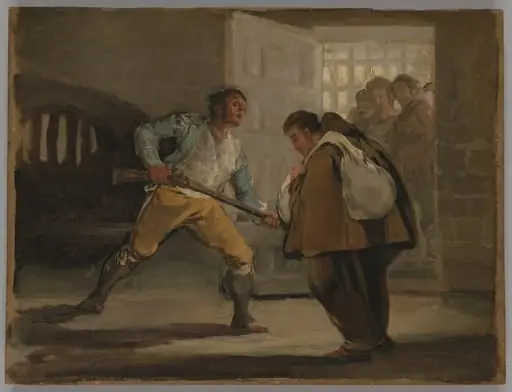 El Maragato Threatens Friar Pedro de Zaldivia with His Gun
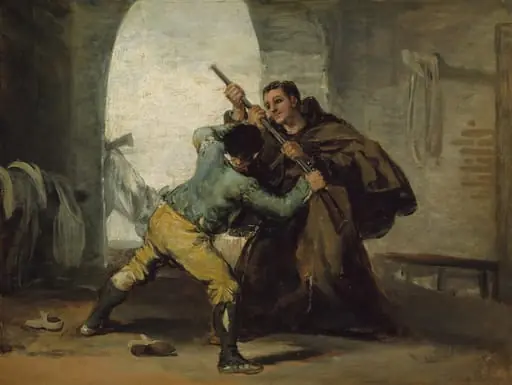 Friar Pedro Wrests the Gun from El Maragato
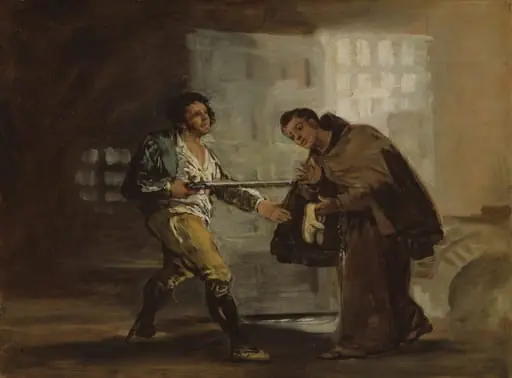 Friar Pedro Offers Shoes to El Maragato and Prepares to Push Aside His Gun
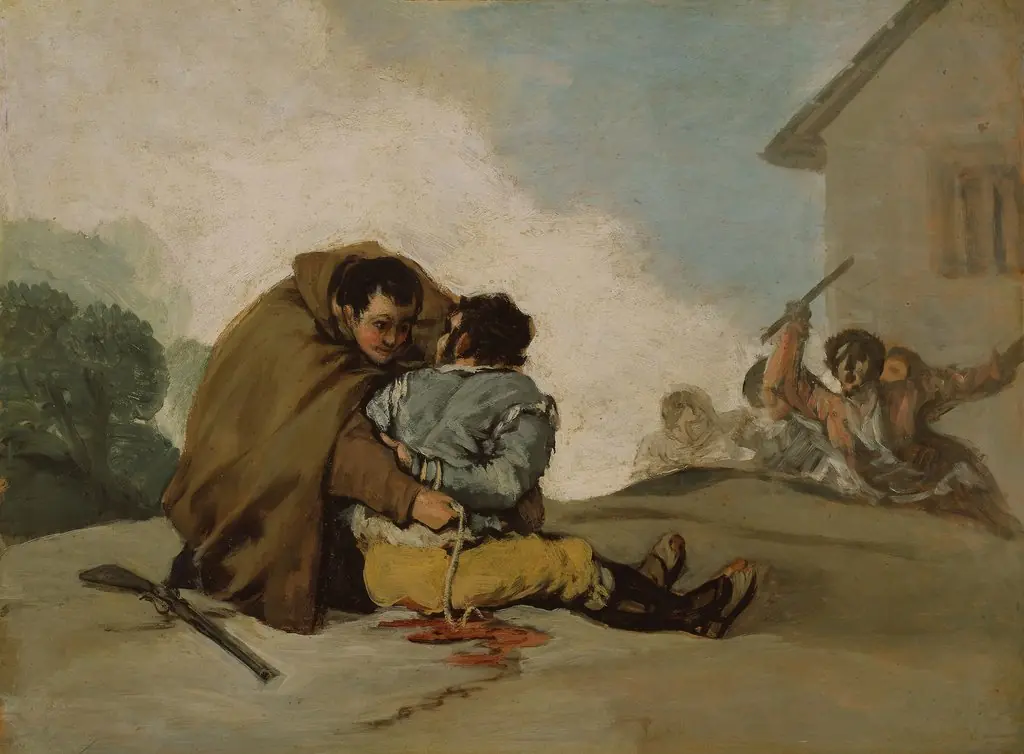 Friar Pedro Binds El Maragato with a Rope
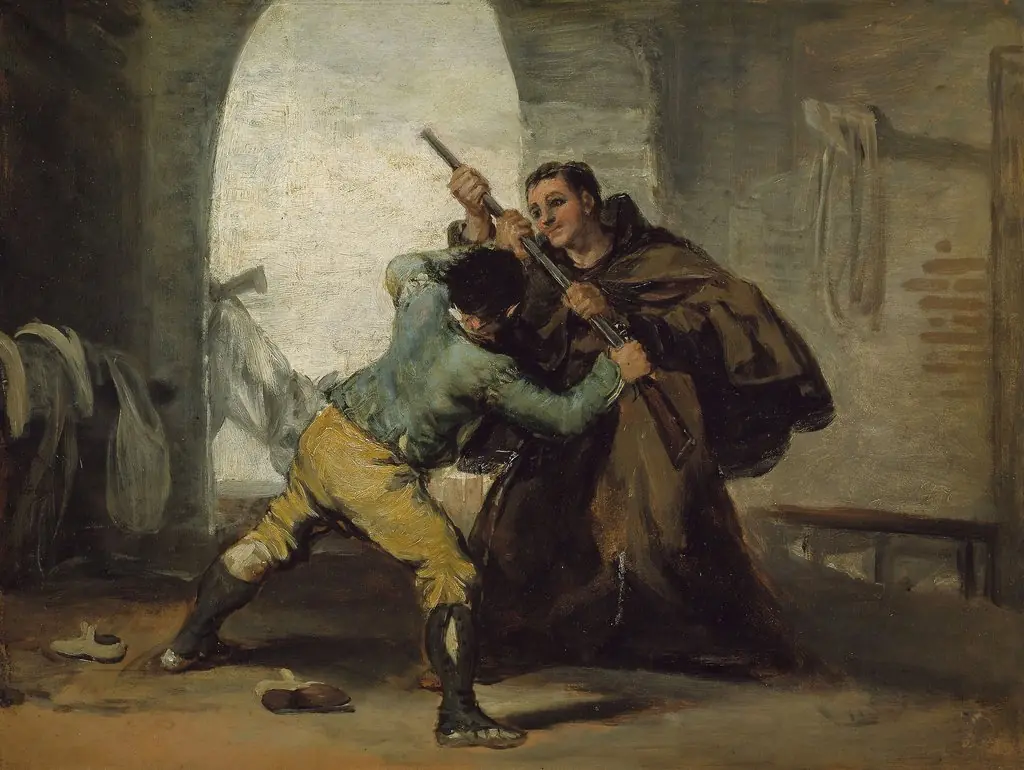 Friar Pedro Wrests the Gun from El Maragato
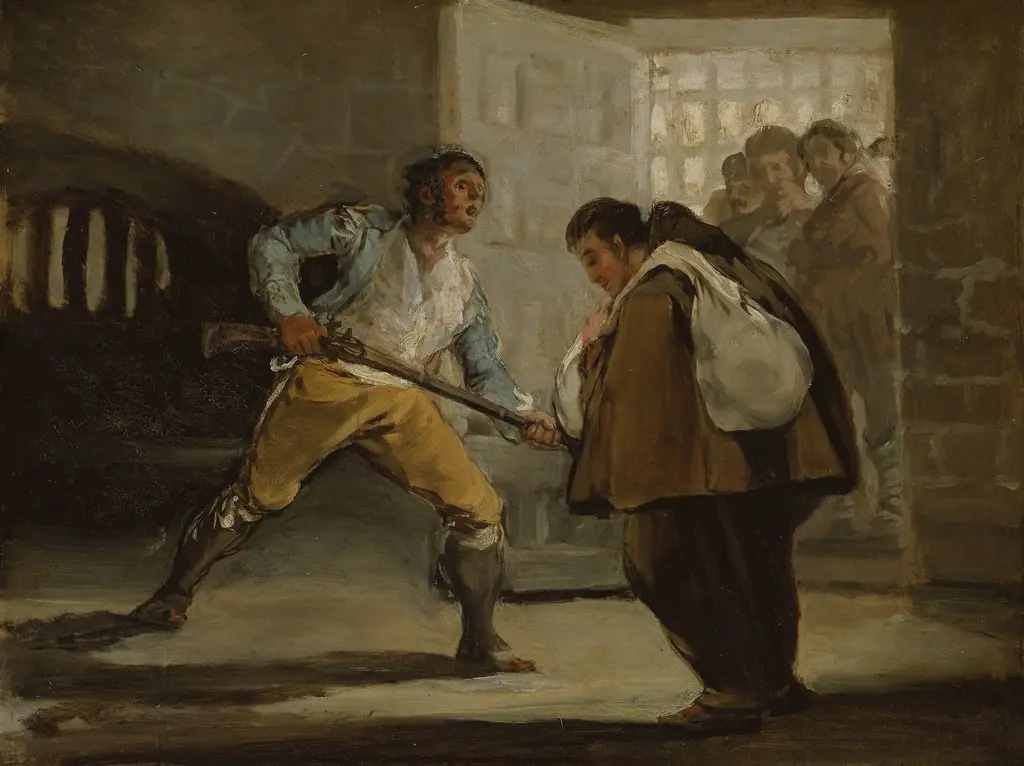 El Maragato Threatens Friar Pedro de Zaldivia with His Gun
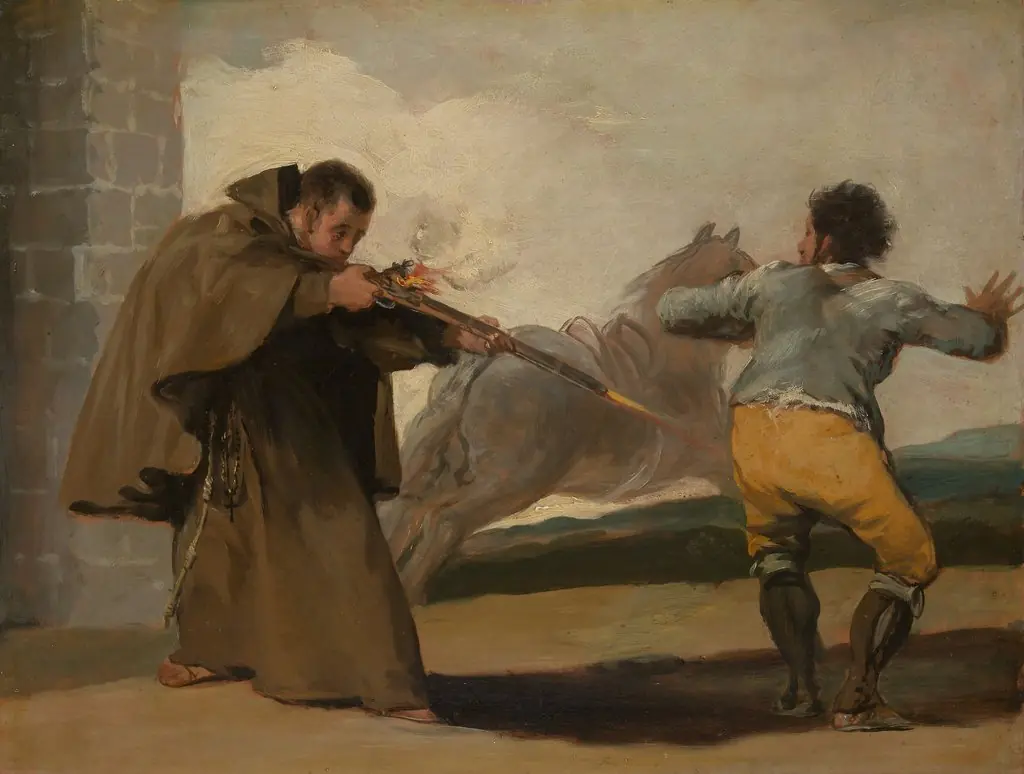 Friar Pedro Shoots El Maragato as His Horse Runs Off
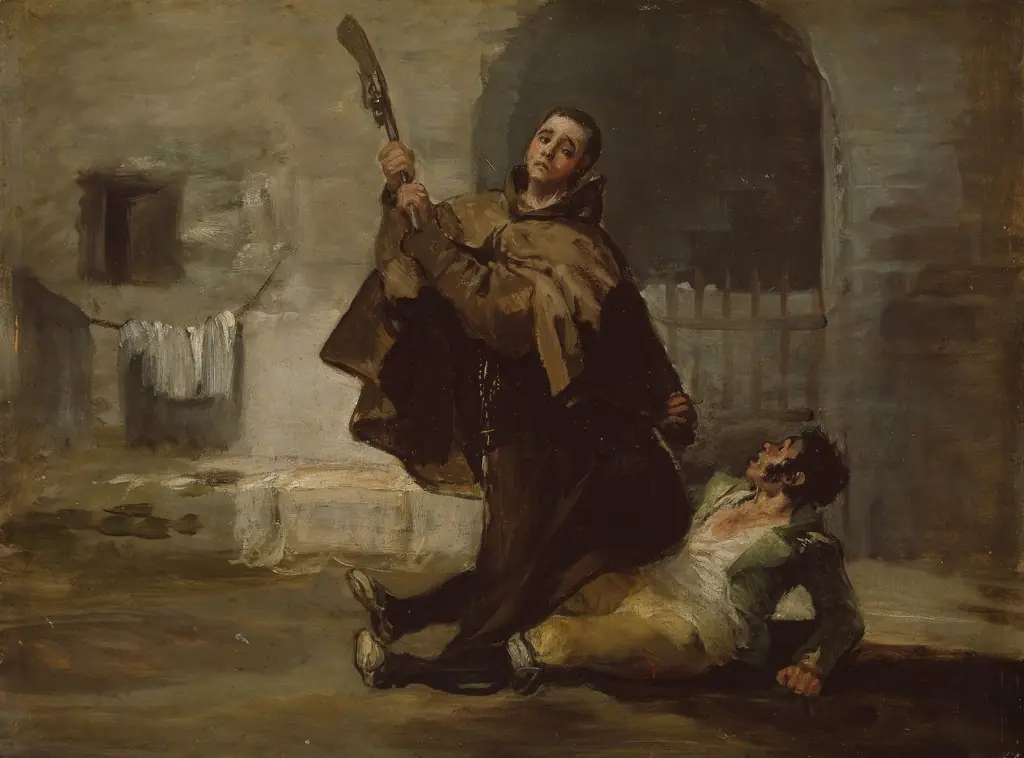 Friar Pedro Clubs El Maragato with the Butt of the Gun
 Friar Pedro Clubs El Maragato with the Butt of the Gun
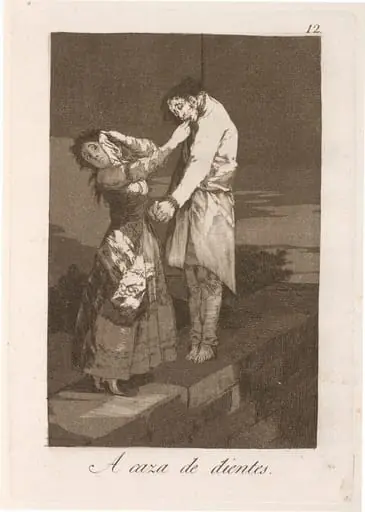 A caza de dientes (Out Hunting for Teeth)
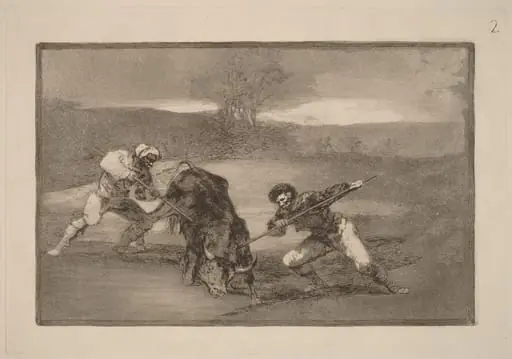 Otro modo de cazar a pie (Another Way of Hunting on Foot)