Artwork
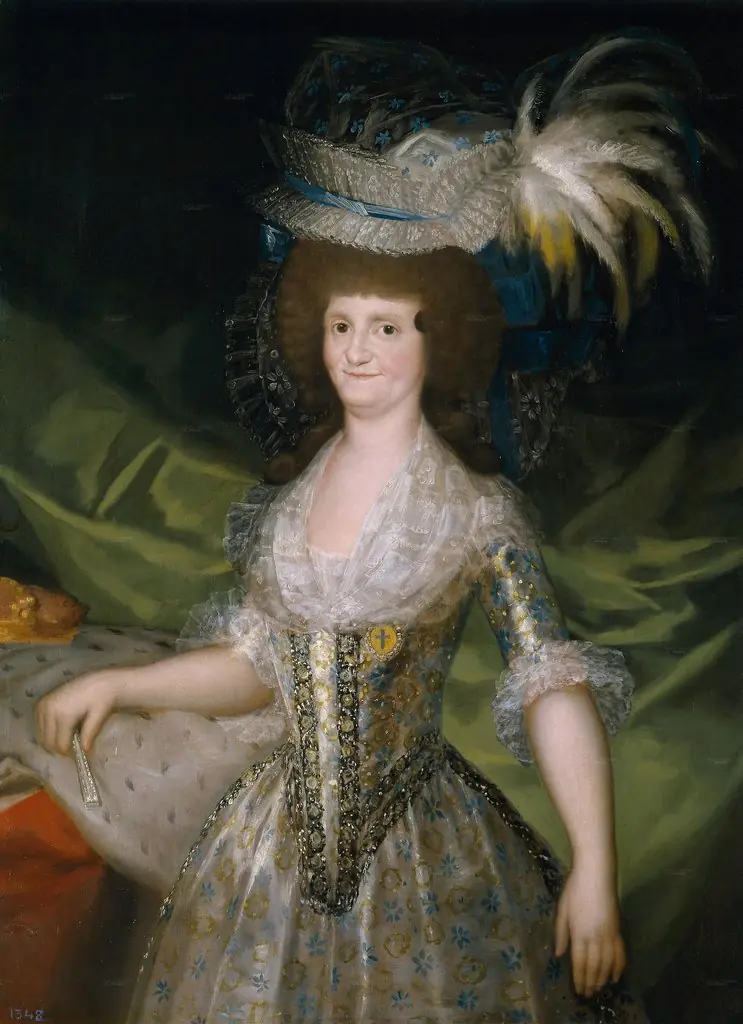
Portrait of Maria Josefa of Spain
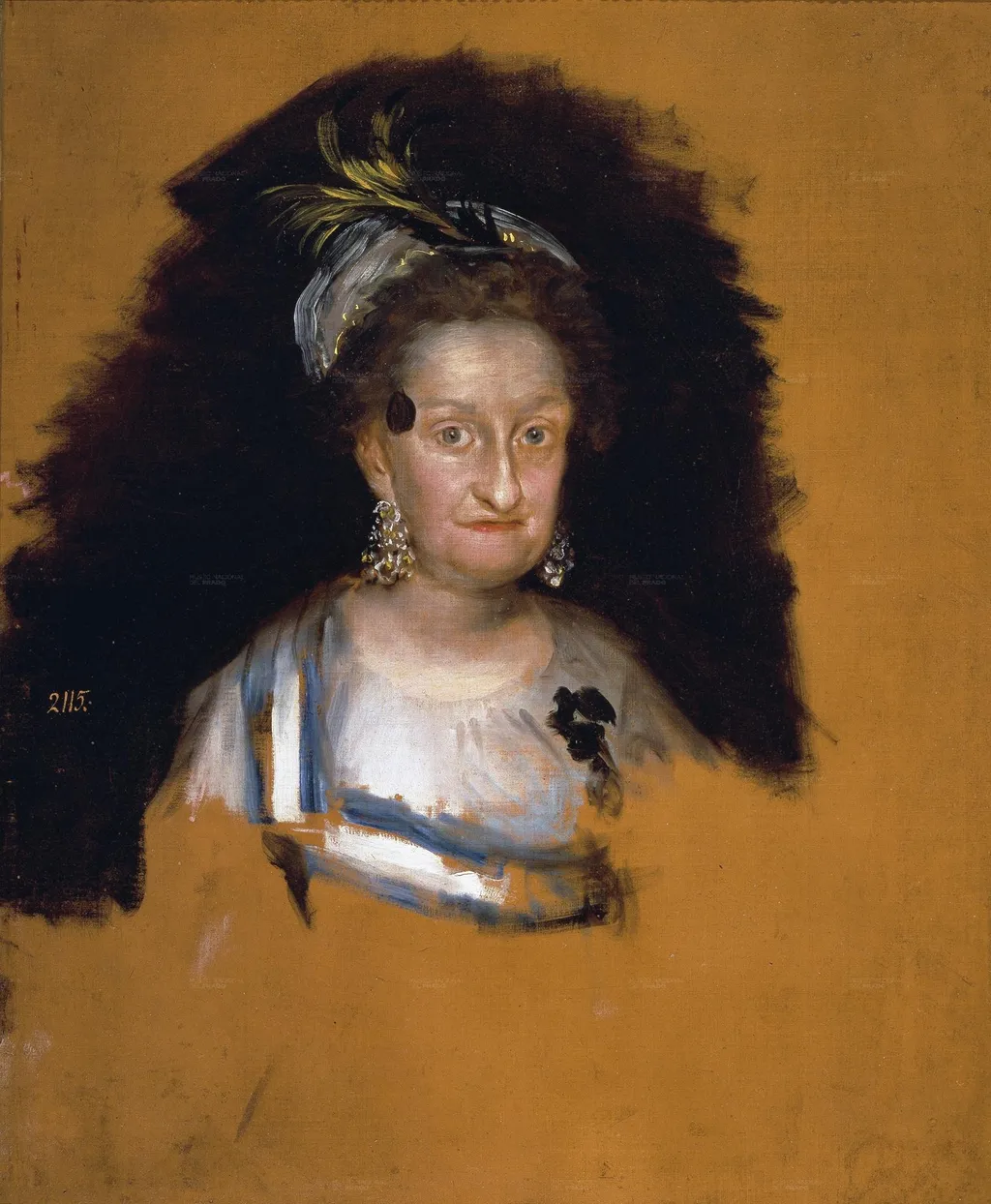
Portrait of Maria Josefa of Spain is an oil painting by Francisco Goya. It dates from 1800 and is held in the collection of the Museo del Prado.
About this work
Overview
Francisco Goya painted the portrait of Maria Josefa of Spain in 1800, employing oil on canvas. The work is part of the Museo del Prado’s collection and presents a seated woman in contemporary late‑18th‑century attire, rendered with the characteristic immediacy of Goya’s brushwork.
Subject & Meaning
The sitter, Maria Josefa, is shown wearing a light‑coloured dress trimmed with a dark sash, a large feathered hat and a dark wig, complemented by prominent earrings. Her expression is restrained, yet her direct gaze engages the viewer, suggesting a balance between courtly decorum and personal presence.
Technique & Style
Goya’s handling of paint is notably loose; the hair and background are built up with rapid, sketch‑like strokes that leave visible layers. The surface shows areas of impasto where the pigment is applied thickly, creating texture, while other sections remain relatively smooth, highlighting the artist’s varied approach to surface treatment.
History & Provenance
Since its completion, the portrait has remained in Spain, eventually entering the holdings of the Museo del Prado. It has been displayed as part of the museum’s representation of Goya’s court commissions from the turn of the 19th century.
Context
Created during a period of political turbulence in Spain, the painting reflects Goya’s role as a court painter who navigated both traditional portrait conventions and emerging modern sensibilities. The fashion depicted aligns with European styles prevalent between 1795 and 1820, situating the work within its contemporary cultural milieu.
Own this work as a print
Artist & collection
Artist
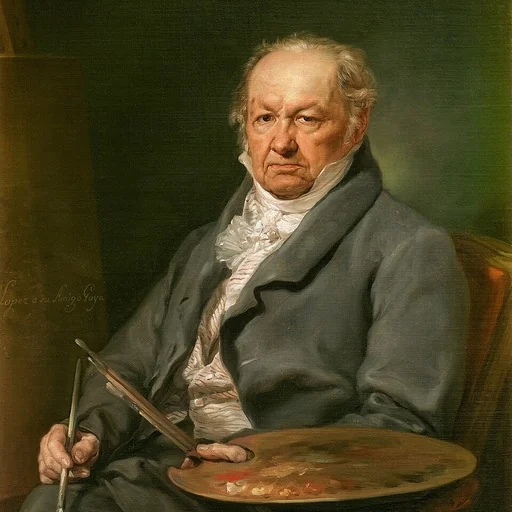
Francisco José de Goya y Lucientes (; Spanish: ; 30 March 1746 – 16 April 1828) was a Spanish romantic painter and printmaker.

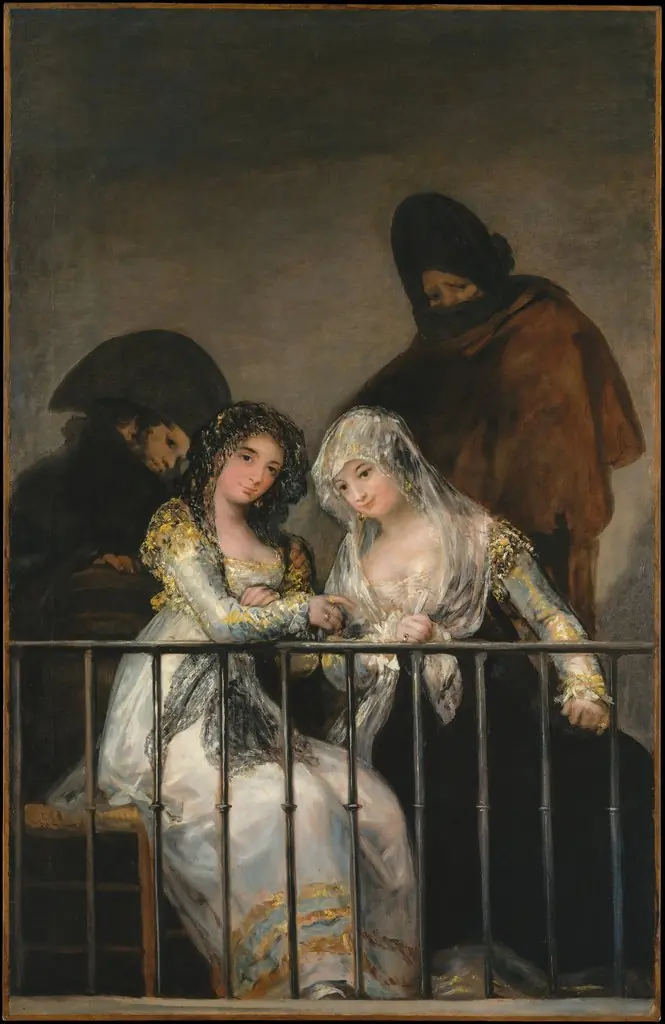
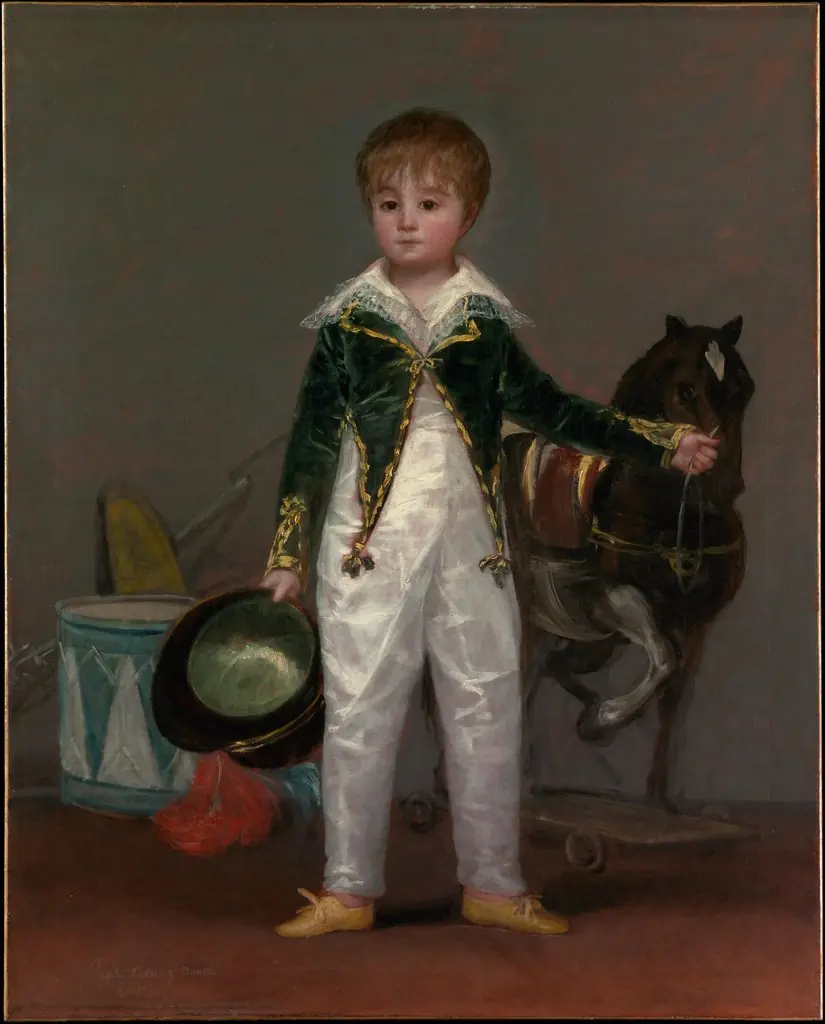
 Queen of Spain Maria Louisa, née Bourbon-Parma
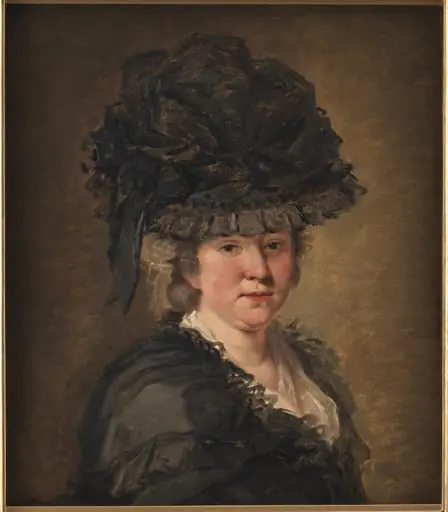 Portrait of a Lady
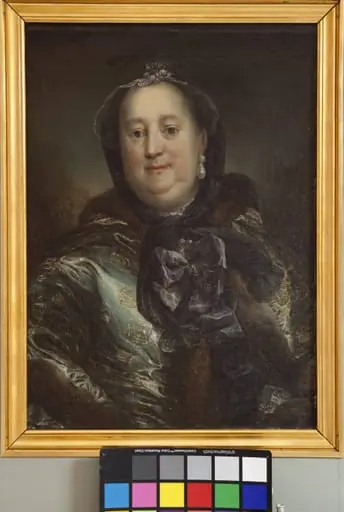 Portræt af hertuginde Antoinette Amalie af Braunschweig-Wolfenbüttel
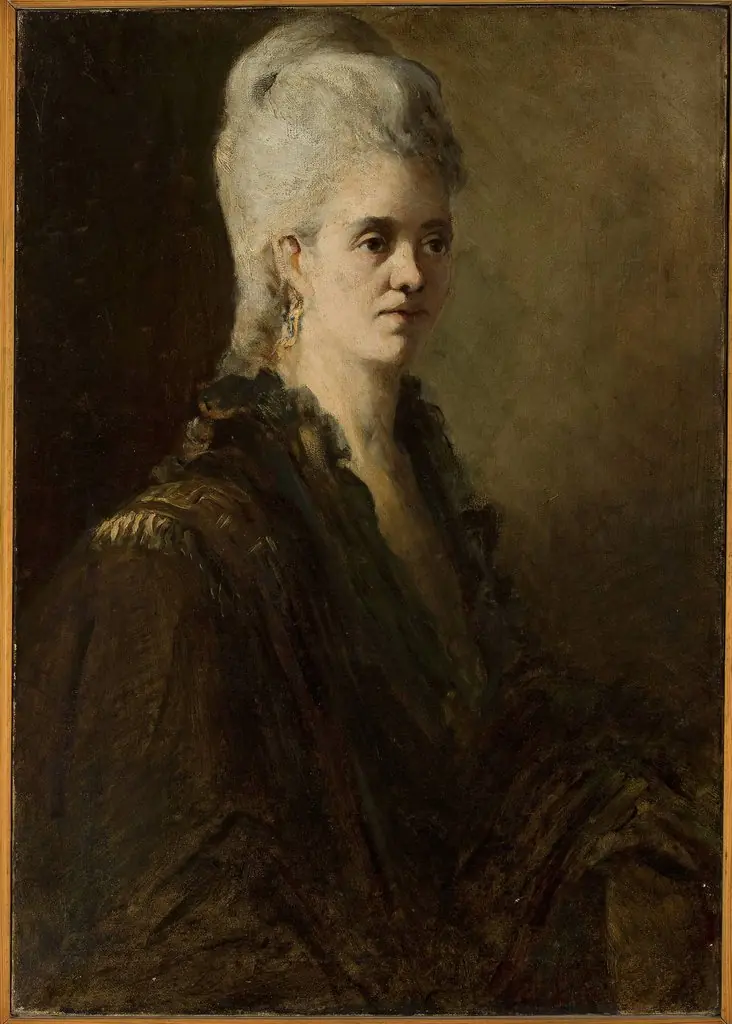 Portrait of a woman – Mrs. Zarewicz (?)
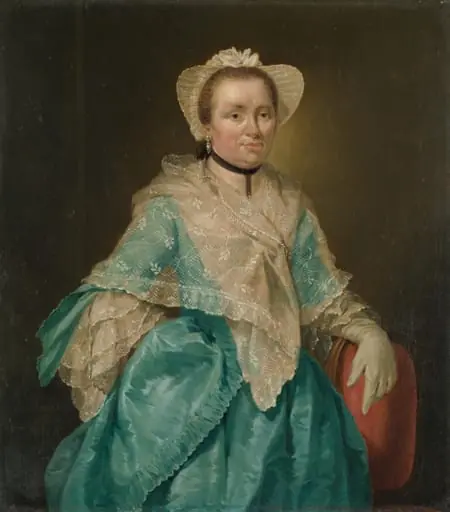 Portrait of Elisabeth Troost (1730-1790)
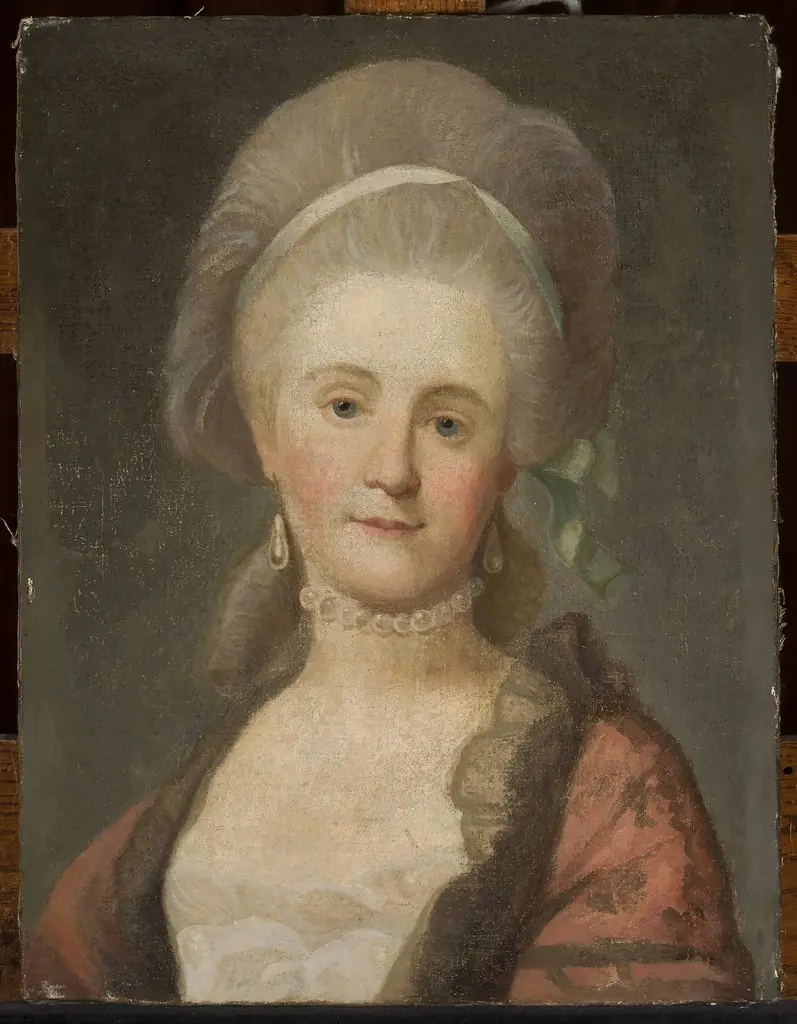 Portrait of Anna Szaniawska née Scypion (?–1795)
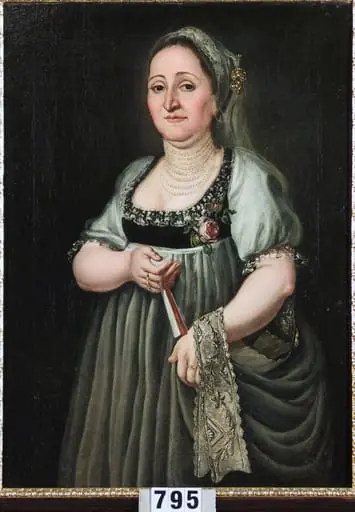 Soția măcelarului sibian Georg Hinzmann
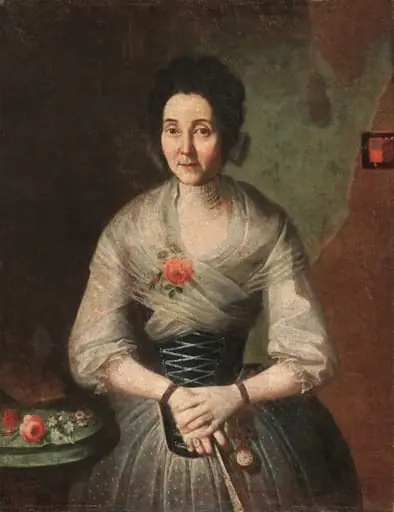 Soția medicului Pataki Samuel II (Szatmari Papp Sára) (În RI: Pataki Sámuelné Szatmari Papp Sára)
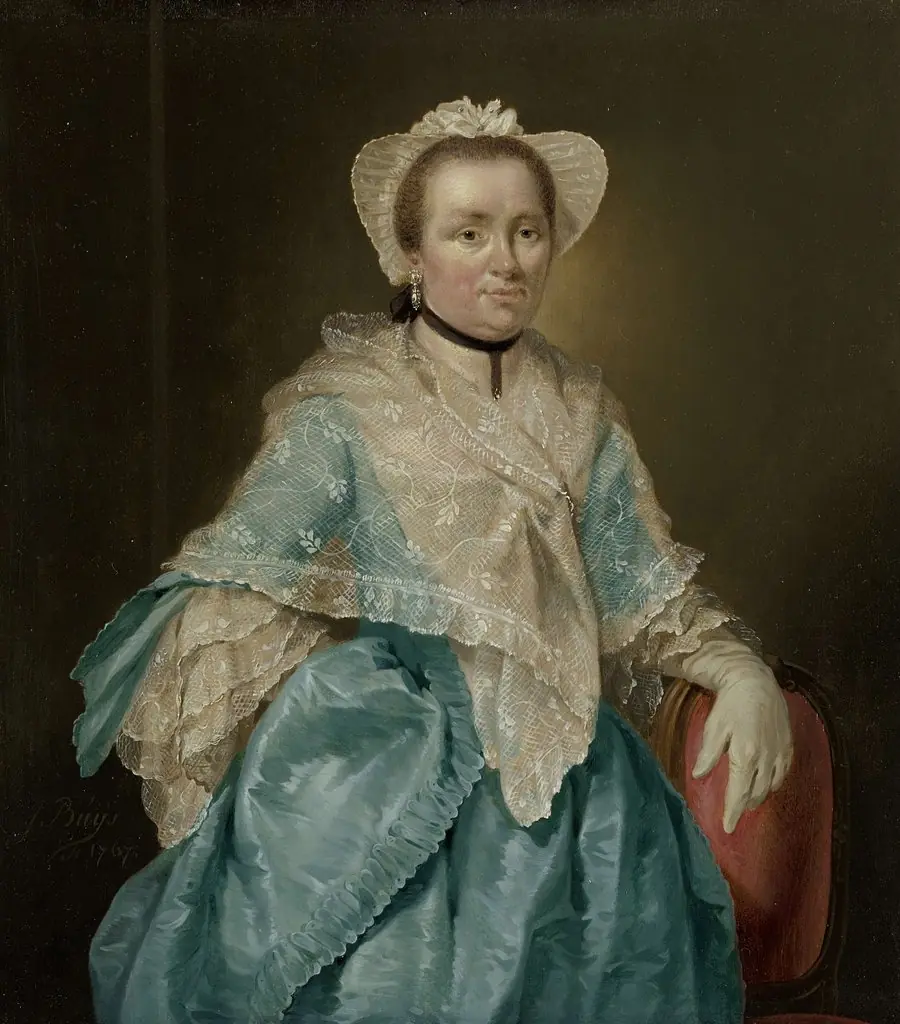 Portrait of Elisabeth Troost (1730-1790)
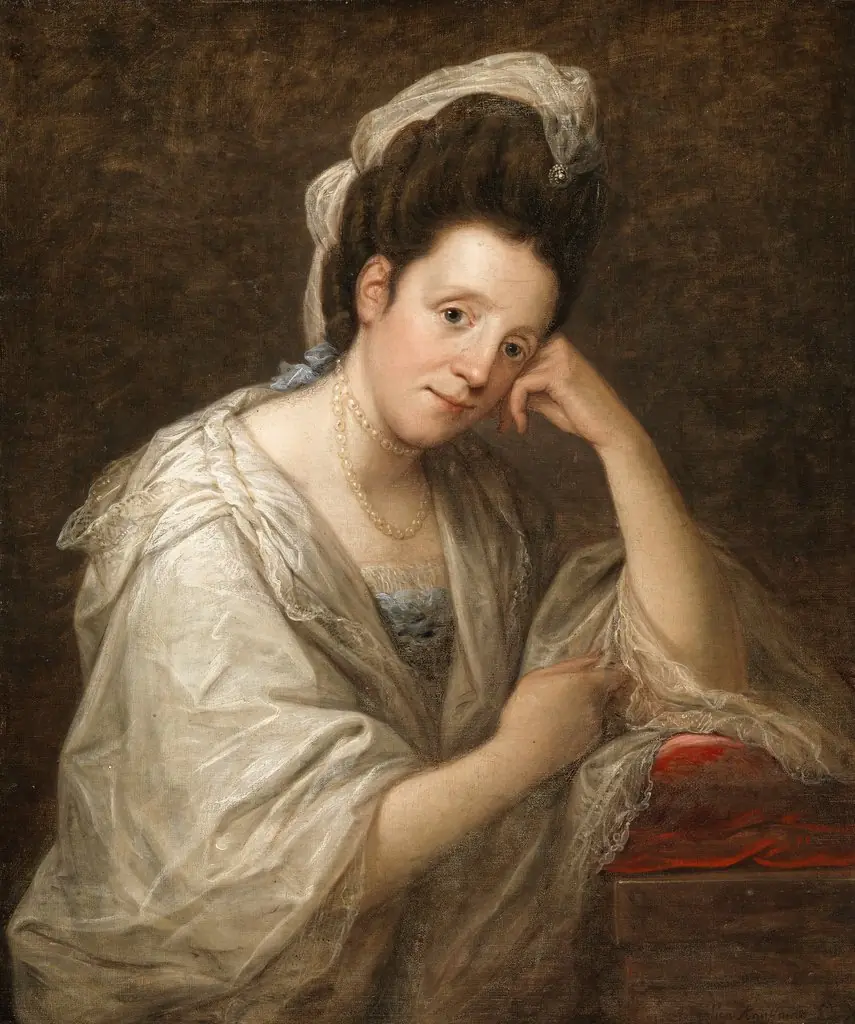 Portrait of Mrs Helen (Dorothea Daniel) (d.1806)
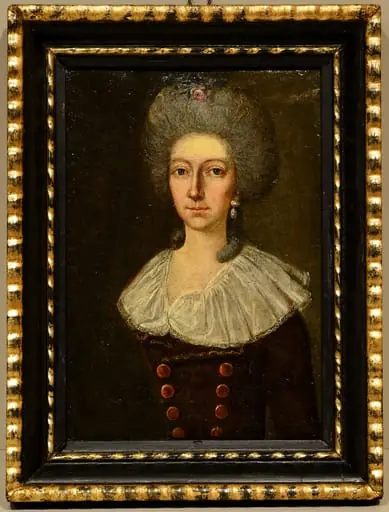 Äbtissin Auguste Dorothea von Braunschweig-Wolfenbüttel
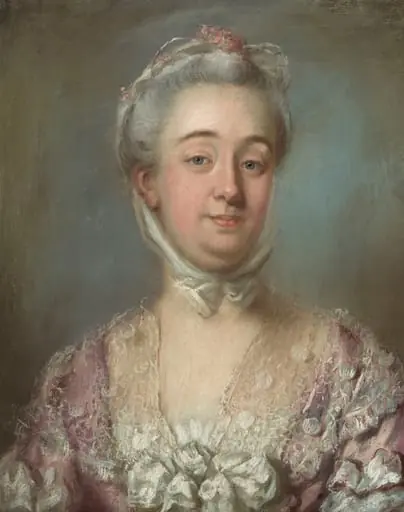 Juliana Elisabet König