Artwork
El exorcismo
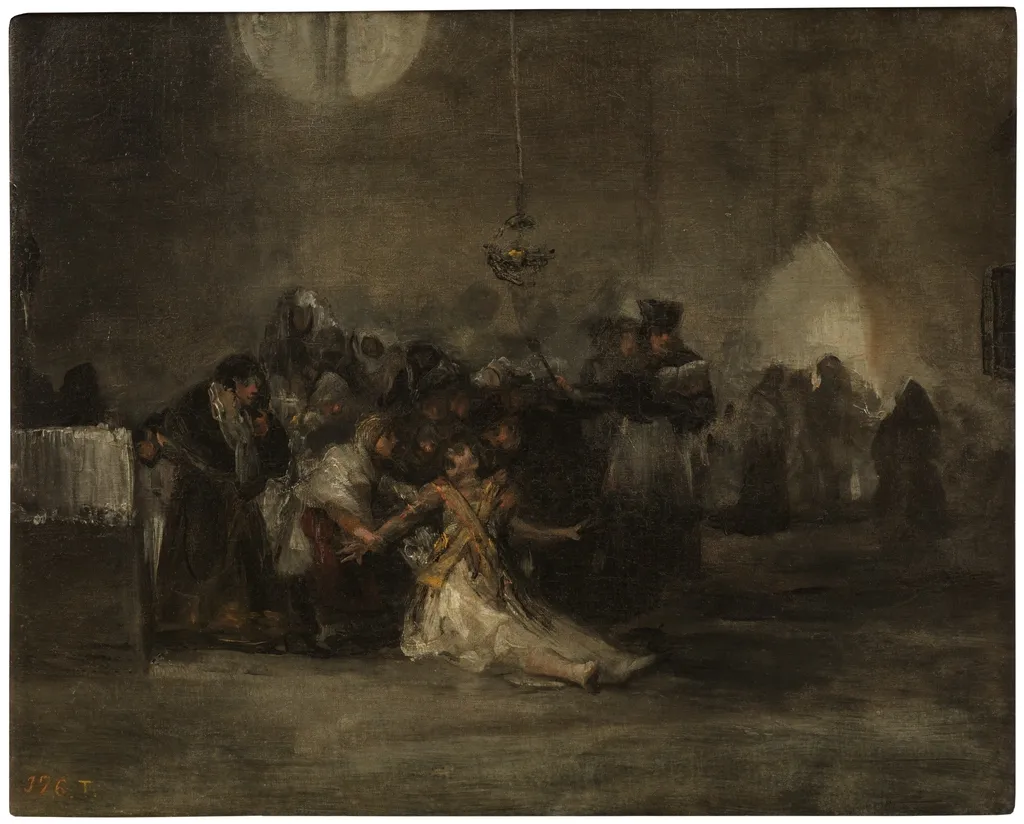
El exorcismo is an oil painting by Unknown. It dates from 1801 and is held in the collection of the Museo del Prado. An oil painting held at the Museo del Prado, this work captures a moment of intense ritual action.
About this work
Overview
The interior setting is dimly lit, with dramatic contrasts between light and shadow heightening the emotional weight of the scene.
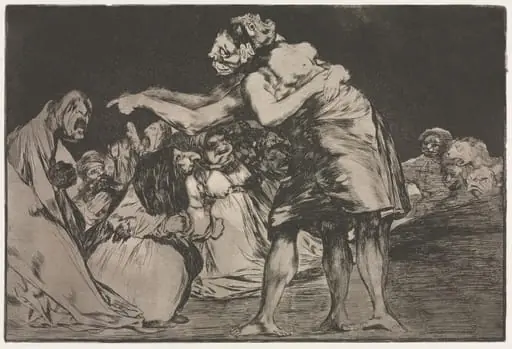
An oil painting held at the Museo del Prado, this work captures a moment of intense ritual action. A woman in white is restrained by multiple figures while others observe with varied expressions. The interior setting is dimly lit, with dramatic contrasts between light and shadow heightening the emotional weight of the scene. The composition conveys urgency and spiritual conflict without clear narrative resolution.
Subject & Meaning
The scene suggests an exorcism, with the central figure possibly undergoing a spiritual struggle. The group surrounding her includes both participants and onlookers, implying communal involvement in the ritual. The absence of overt religious symbols leaves the nature of the event ambiguous, though the tension and physical restraint point to a belief in supernatural possession and the need for intervention.
Technique & Style
The artist employs chiaroscuro to isolate figures and amplify emotional intensity. Light falls sharply on the woman’s white dress and the hands gripping her, contrasting with deep shadows that obscure parts of the room and faces. Brushwork is controlled yet expressive, emphasizing texture in fabric and skin without idealizing form. The spatial depth is compressed, focusing attention on the clustered figures in the foreground.
History & Provenance
The painting has been part of the Museo del Prado’s collection since at least the early 19th century. Its origins are tied to Spanish religious art of the late 16th or early 17th century, though the artist remains unidentified. It was likely commissioned for a private chapel or religious institution, reflecting contemporary attitudes toward faith, illness, and the supernatural.
Context
Created during a period when exorcisms were formally recognized by the Church, the painting reflects societal anxieties about mental and physical afflictions interpreted as demonic influence. Similar scenes appeared in devotional art across Catholic Europe, often used to reinforce doctrinal authority and public piety. The depiction avoids overt spectacle, instead emphasizing human reaction over supernatural intervention.
Legacy
Though not widely reproduced or studied in mainstream art history, the painting remains a significant example of Spanish Counter-Reformation visual culture. Its restrained drama and psychological realism distinguish it from more theatrical treatments of religious themes. It continues to invite interpretation regarding the intersection of faith, medicine, and social control in early modern Spain.
Artist & collection

 Domestic Scene
 Giacomo and Cardinal Marco, investing Andrea, Abbot of San Zeno, with his Benefice
 The Nymph of Fontainebleau
 Portrait of a Woman
 Madonna and Child with Saints in the Enclosed Garden
 Venus and Minerva
 Family Group of Four on Sofa
 Wall painting from Room H of the Villa of P. Fannius Synistor at Boscoreale
 Inside Church
 The Hanged Monk
 Scene of Disciplines
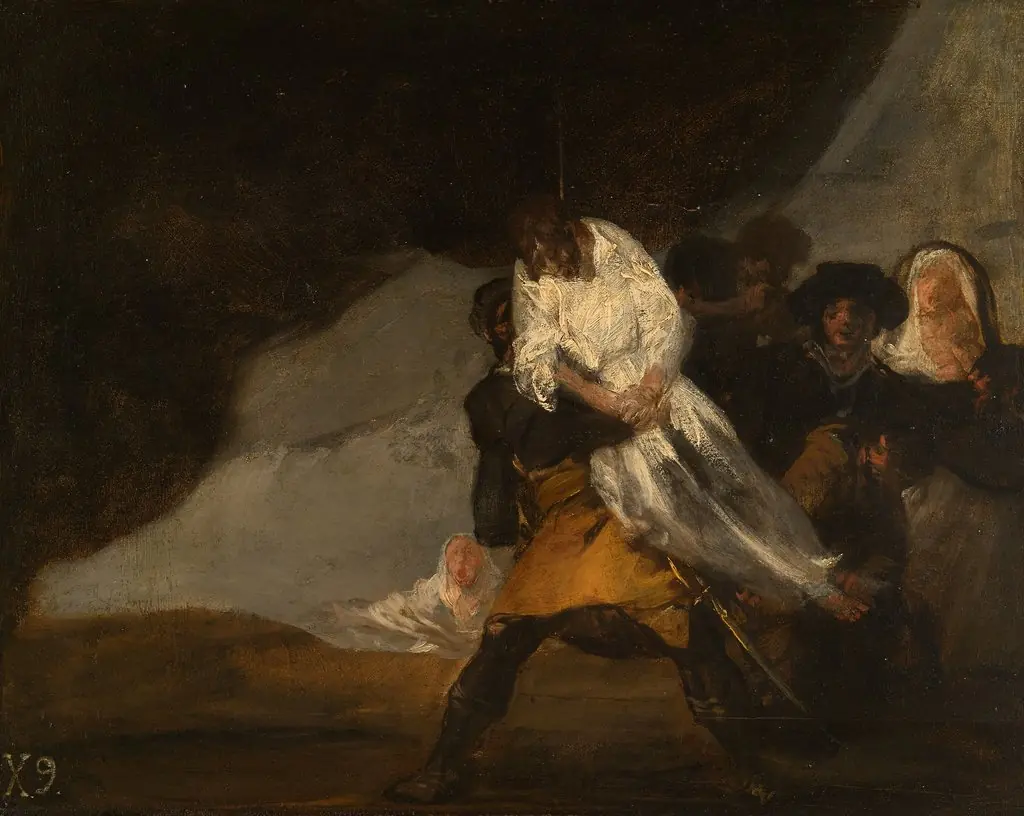 The Hanged Monk
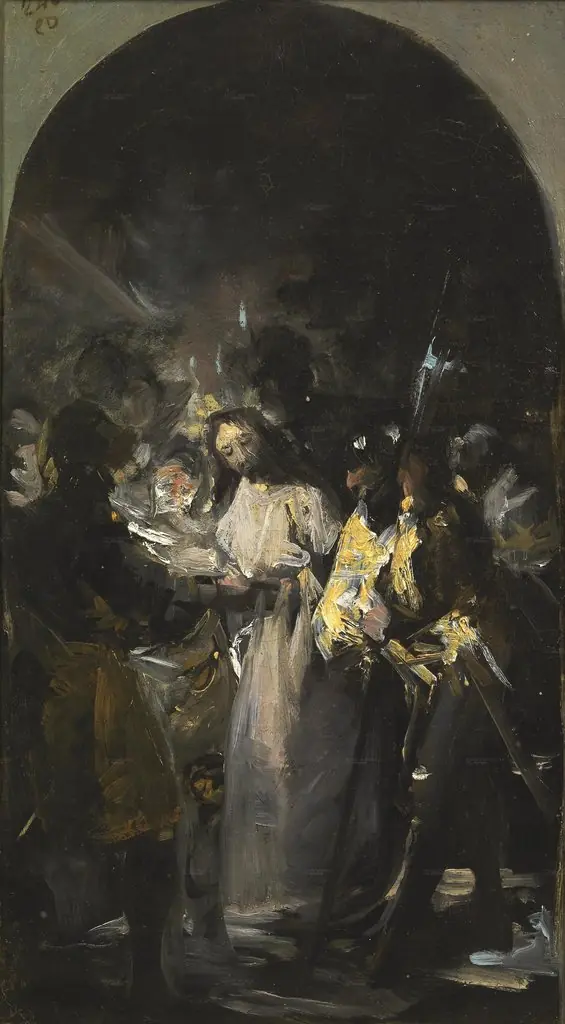 The arrest of Christ
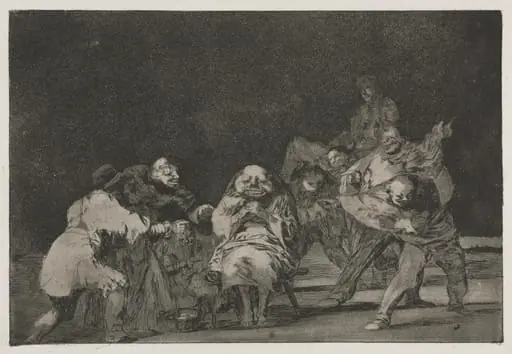 The Proverbs: Loyalty
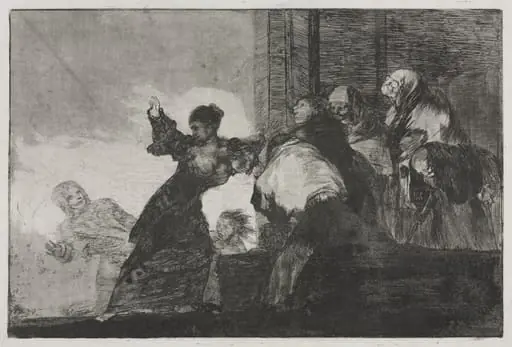 The Proverbs: Two Heads are Better than One or Poor Folly
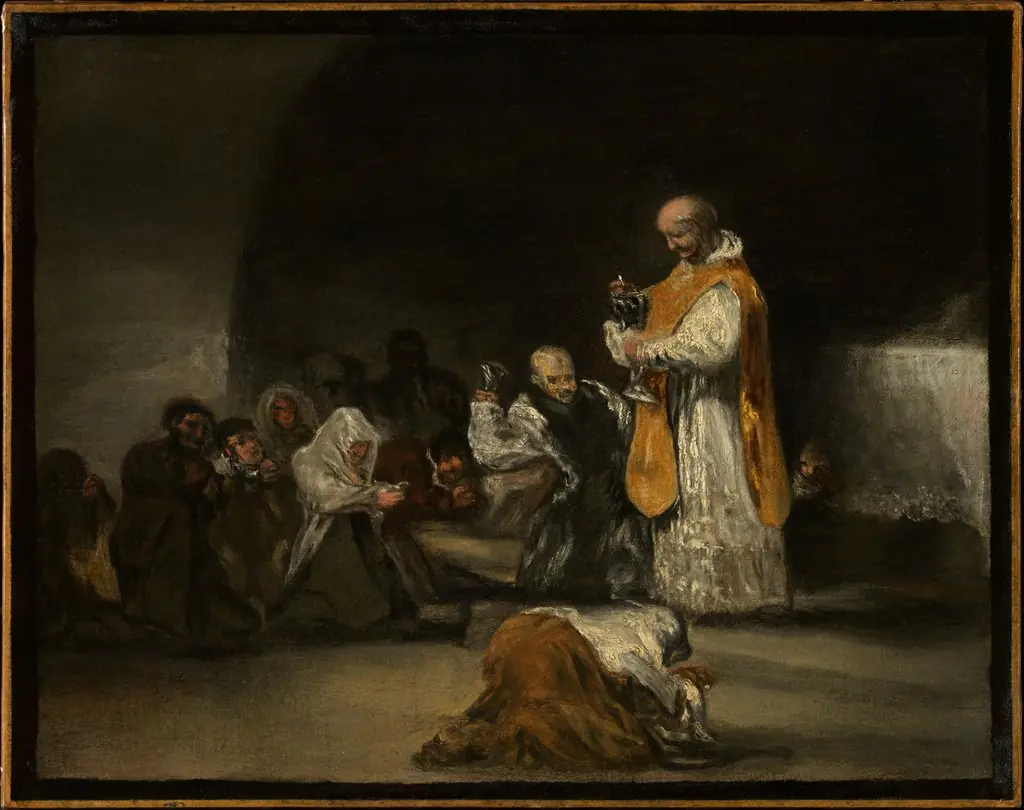 The Communion (A Mass)
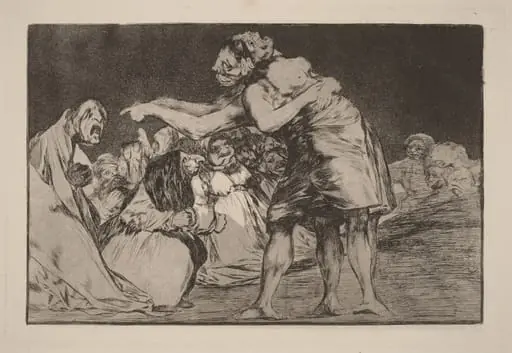 Disparate desordenado (Disorderly Folly)
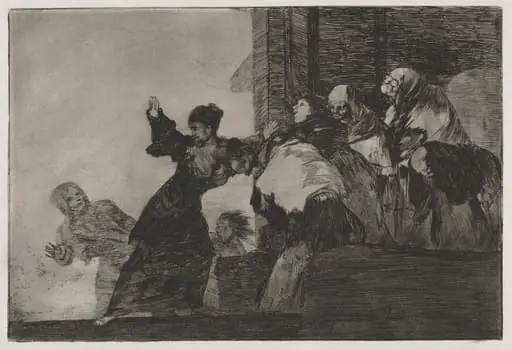 The Proverbs: Poor Folly
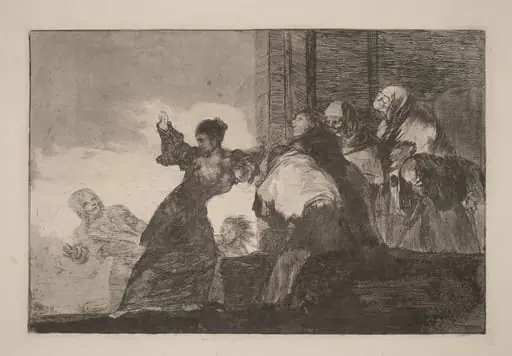 Disparate pobre (Poor Folly)
 The Proverbs: Matrimonial Folly