Artwork
The Strolling Players
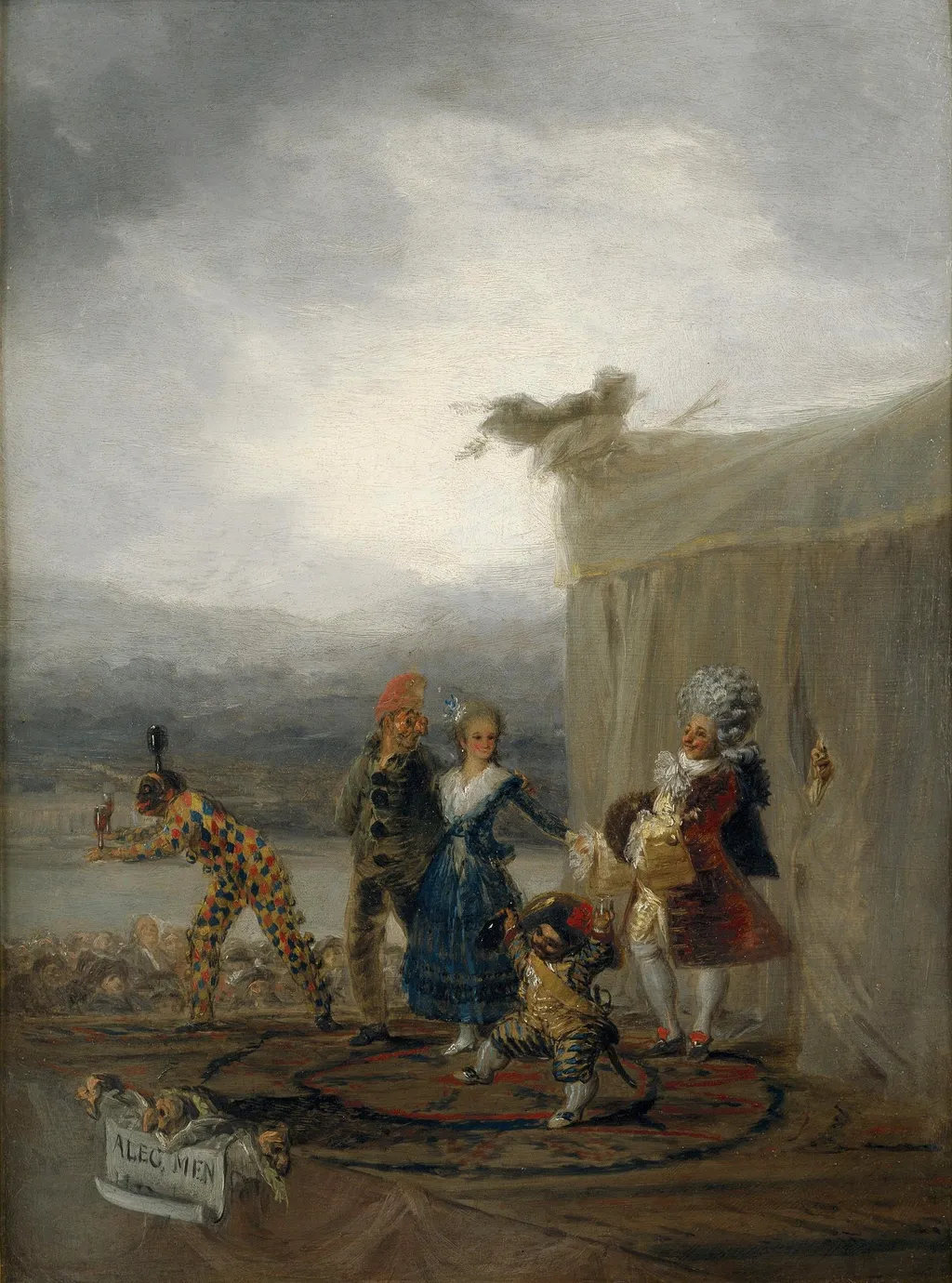
The Strolling Players is an oil painting by the Neoclassicist artist Francisco Goya. It dates from 1797 and is held in the collection of the Museo del Prado.
About this work
Overview
Created in 1797, Francisco Goya's *The Strolling Players* is an oil painting capturing a vibrant theatrical scene. Characteristic of Goya's transitional style between traditional and modern art, the work reflects the cultural and historical context of late 18th-century Spain.
Subject & Meaning
The painting depicts a lively stage performance with comedians, indicated by the 'ALEG MEN' sign, amidst a joyful audience. A performer holding a bottle is central, set against a backdrop of clouds. The scene conveys a sense of communal revelry and entertainment.
Technique & Style
Executed in oil paint, *The Strolling Players* exemplifies Neoclassicism's influence on Goya's work during this period, marked by detailed, colorful costumes and a balanced composition, blending realism with the emerging sensibilities of modern art.
History & Provenance
Part of the esteemed collection at the Museo del Prado, *The Strolling Players* is a significant piece from Goya's oeuvre, highlighting his role as a pivotal Spanish artist of his time.
Context
Painted in 1797, the work reflects Spain's late 18th-century cultural landscape, influenced by historical upheavals and the artistic shift from the Old Masters to modernity, a transition Goya notably embodied.
Artist & collection
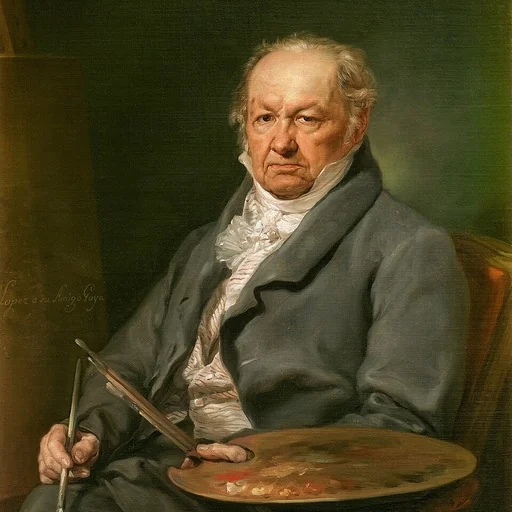
Artist
Francisco José de Goya y Lucientes (; Spanish: ; 30 March 1746 – 16 April 1828) was a Spanish romantic painter and printmaker.

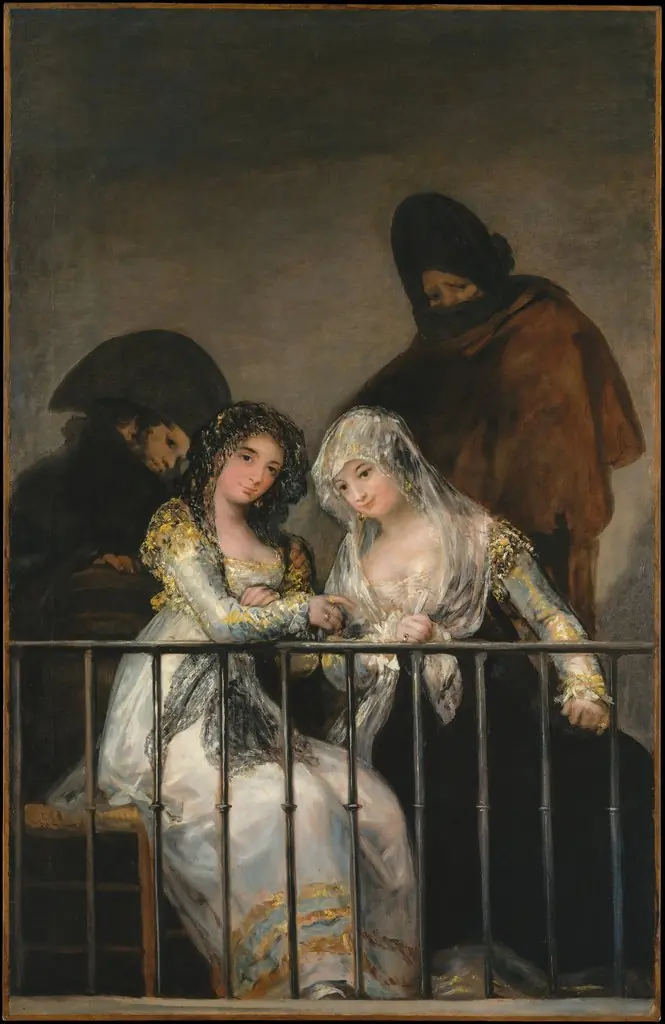
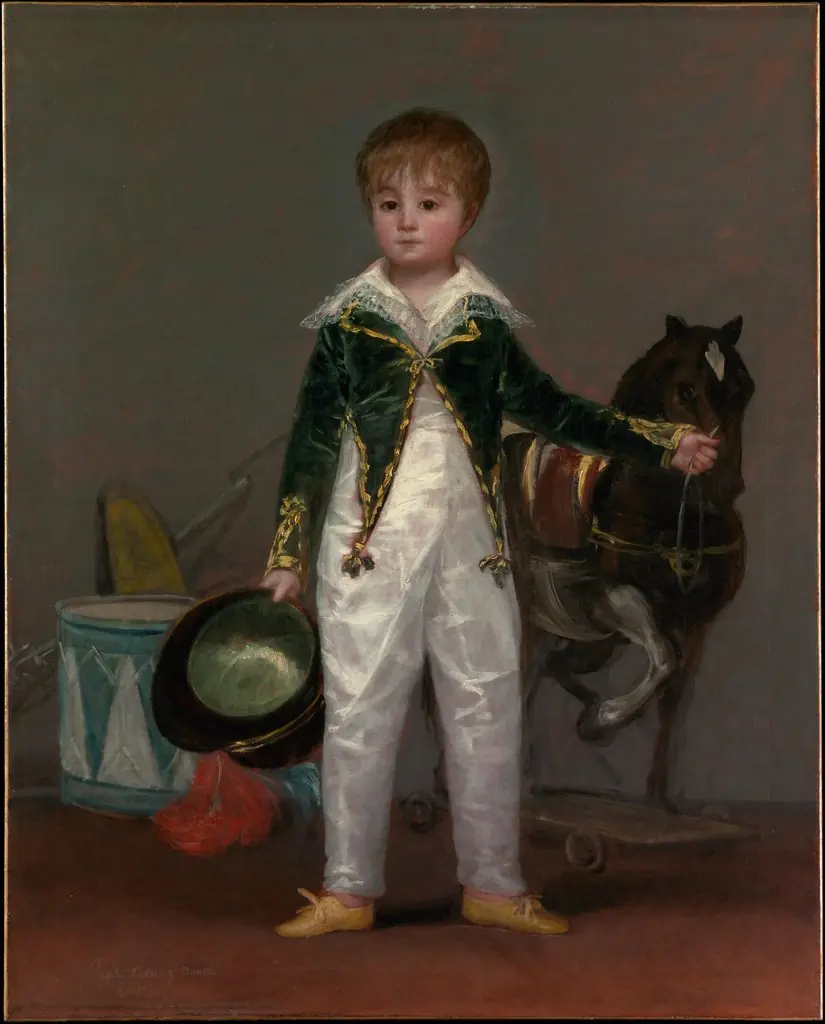
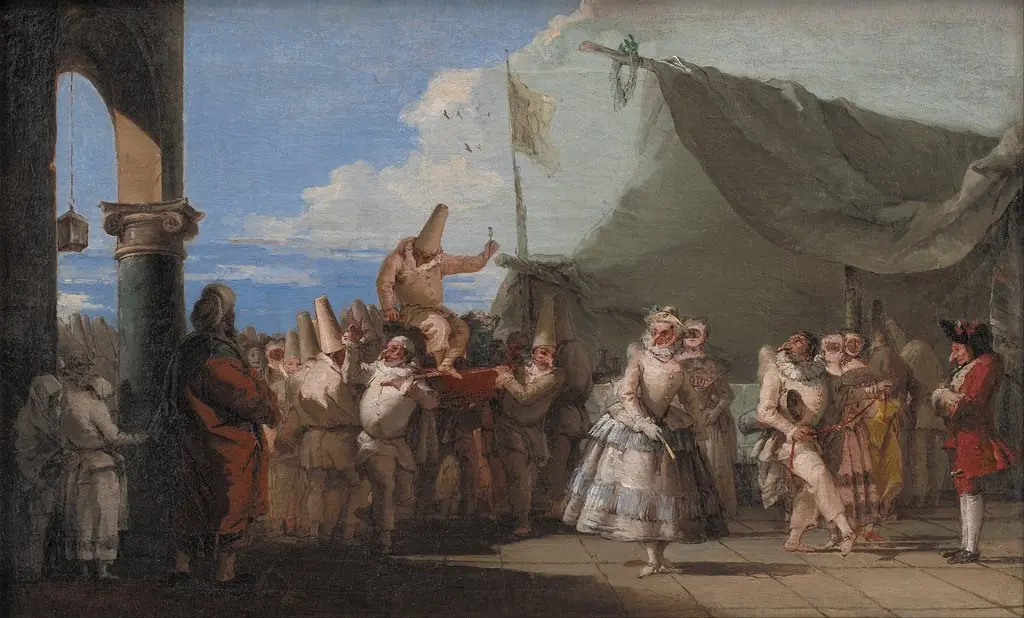 The Triumph of Pulcinella
 The Triumph of Pulcinella
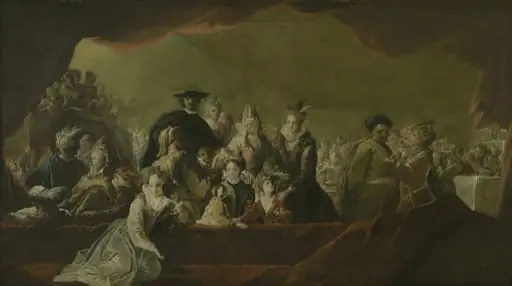 A Fancy-Dress Ball
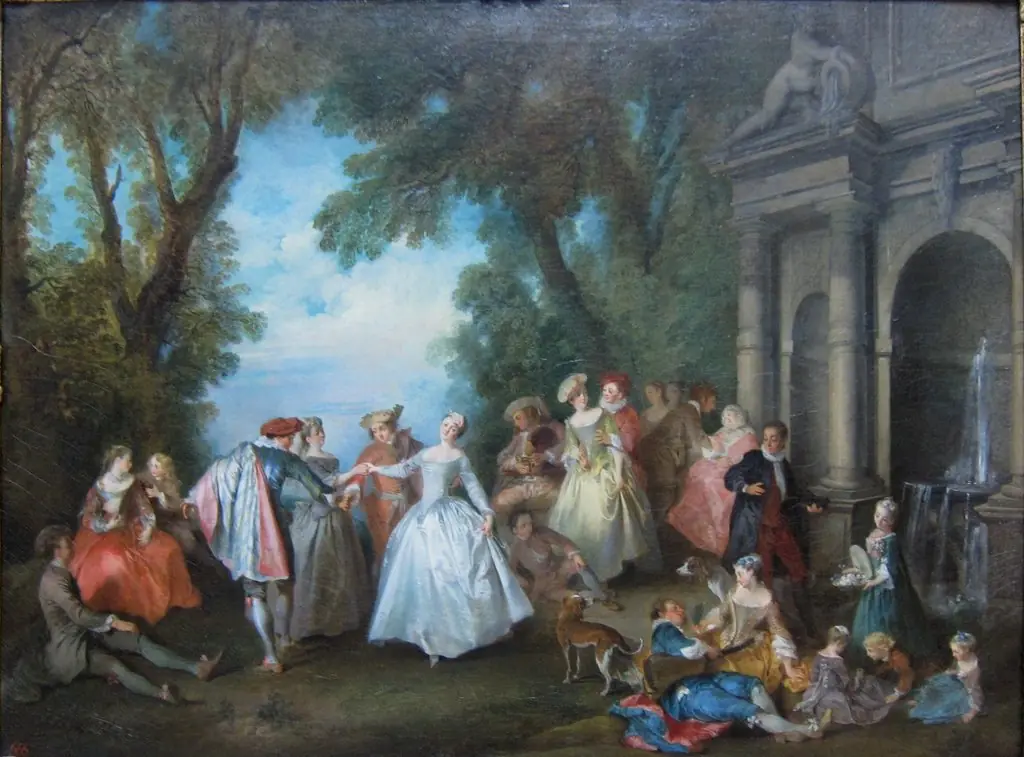 Dance before a Fountain
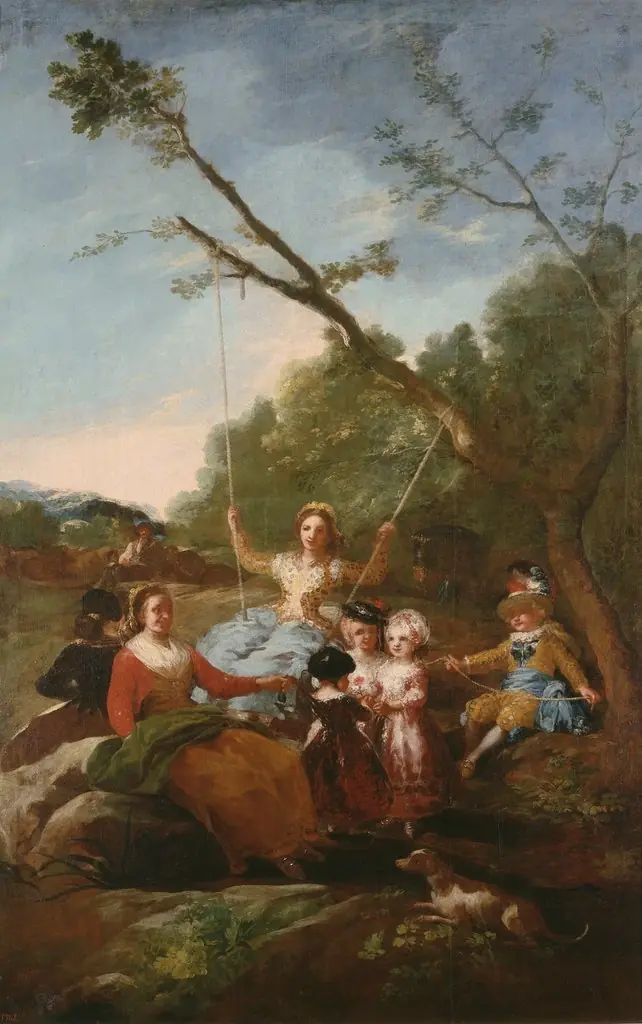 The Swing
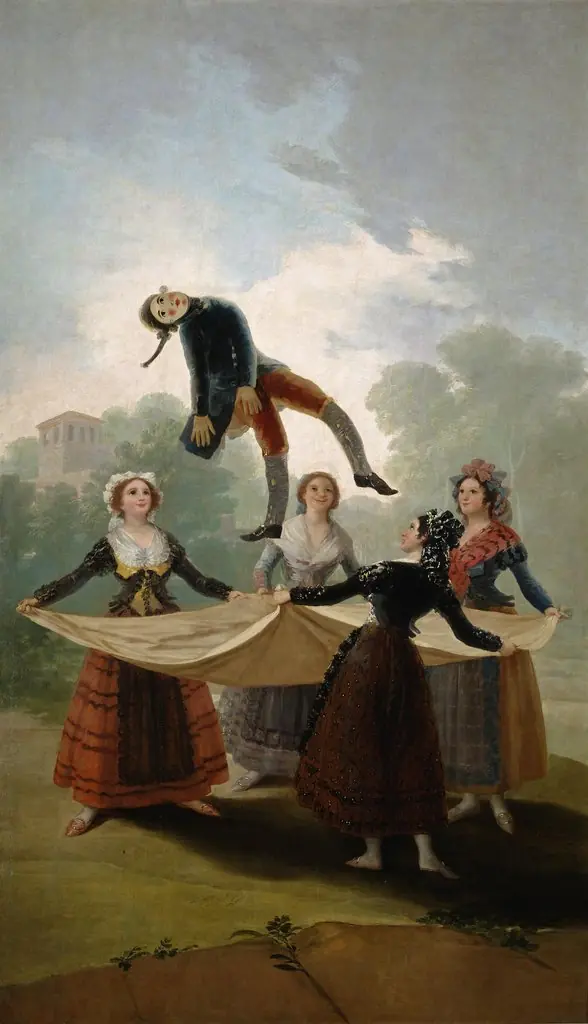 The Straw Manikin
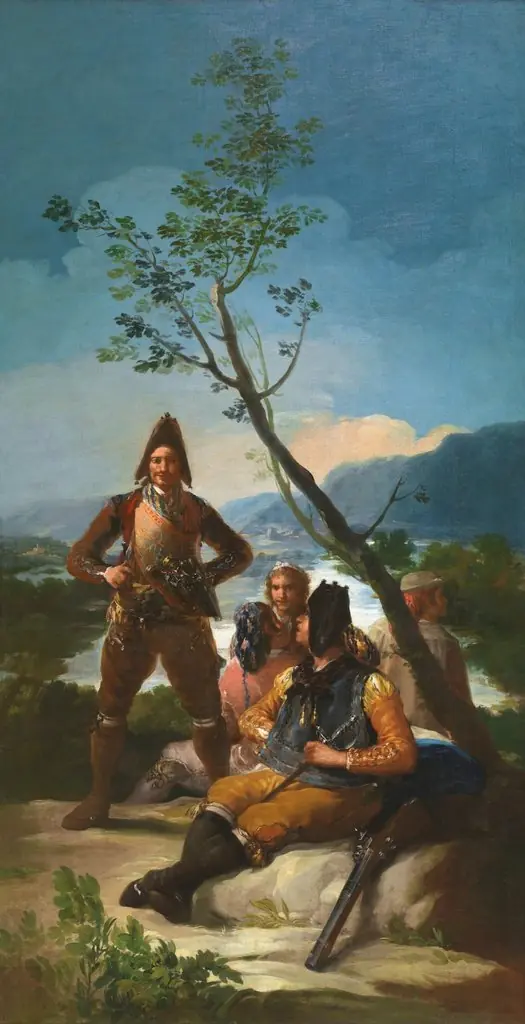 the tobacco guards
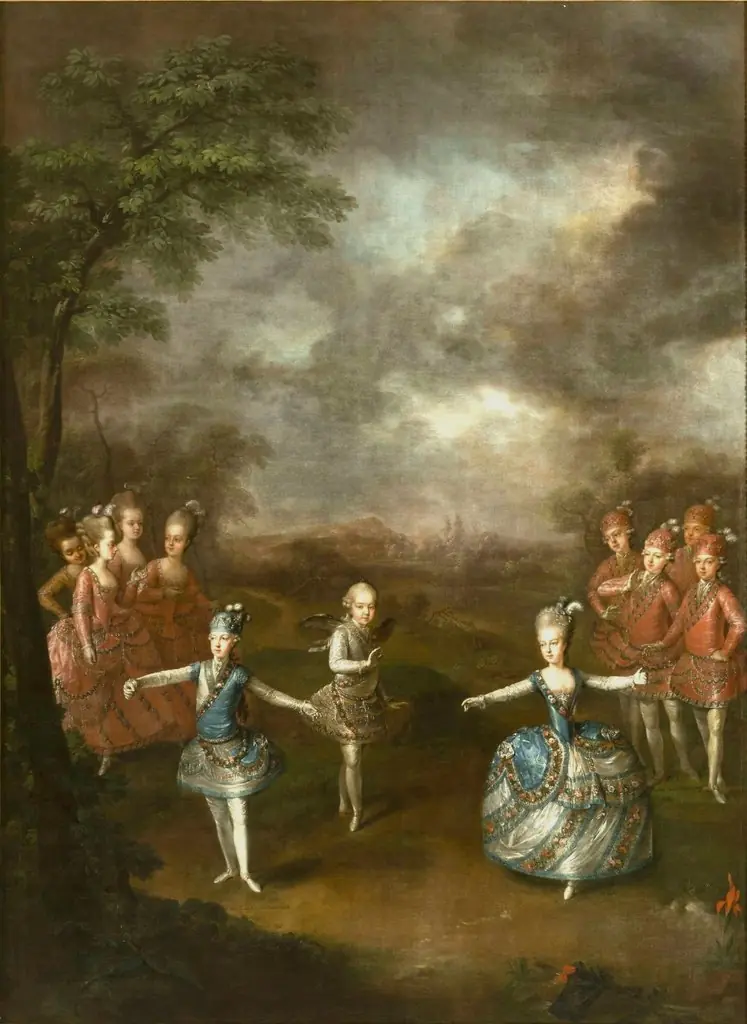 Fête Organized to Celebrate the Marriage of the Emperor Joseph II to Princess Marie-Josèphe of Bavaria 23/24 January 1765
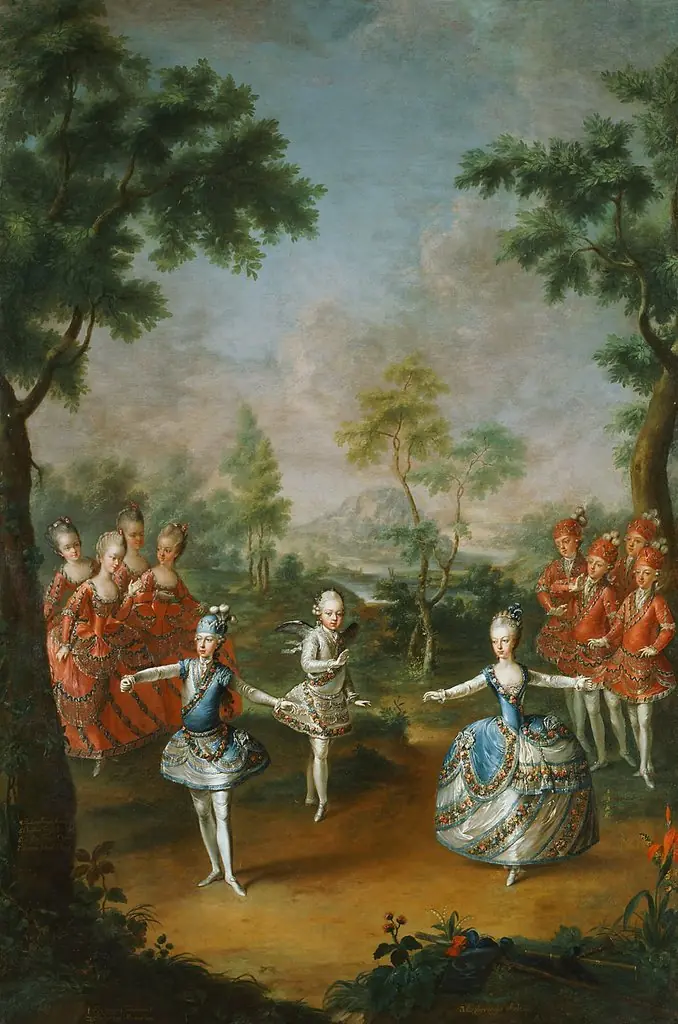 Fête Organized to Celebrate the Marriage of the Emperor Joseph II to Princess Marie-Josèphe of Bavaria 23/24 January 1765
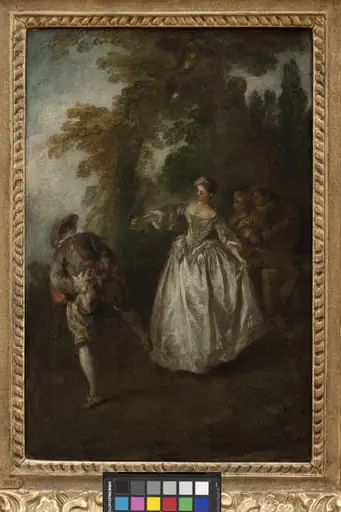 Open Air Dance
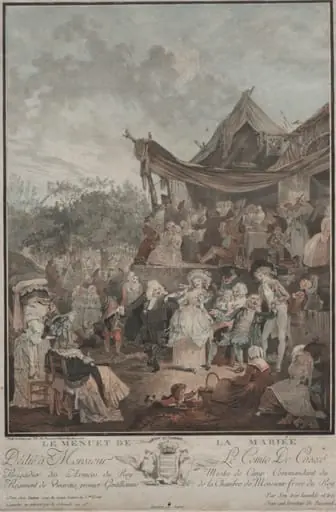 Le Menuet de la Mariée
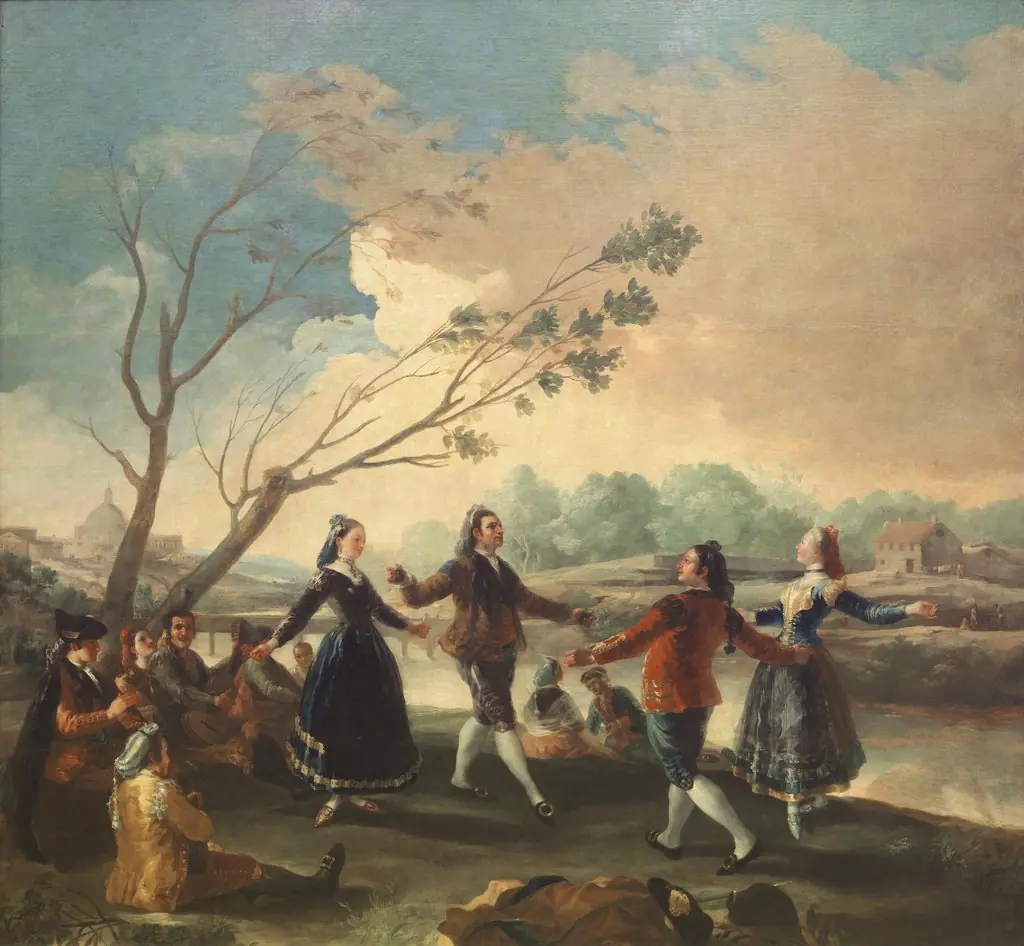 Dance of the Majos at the Banks of Manzanares