Artwork
Women carrying pitchers
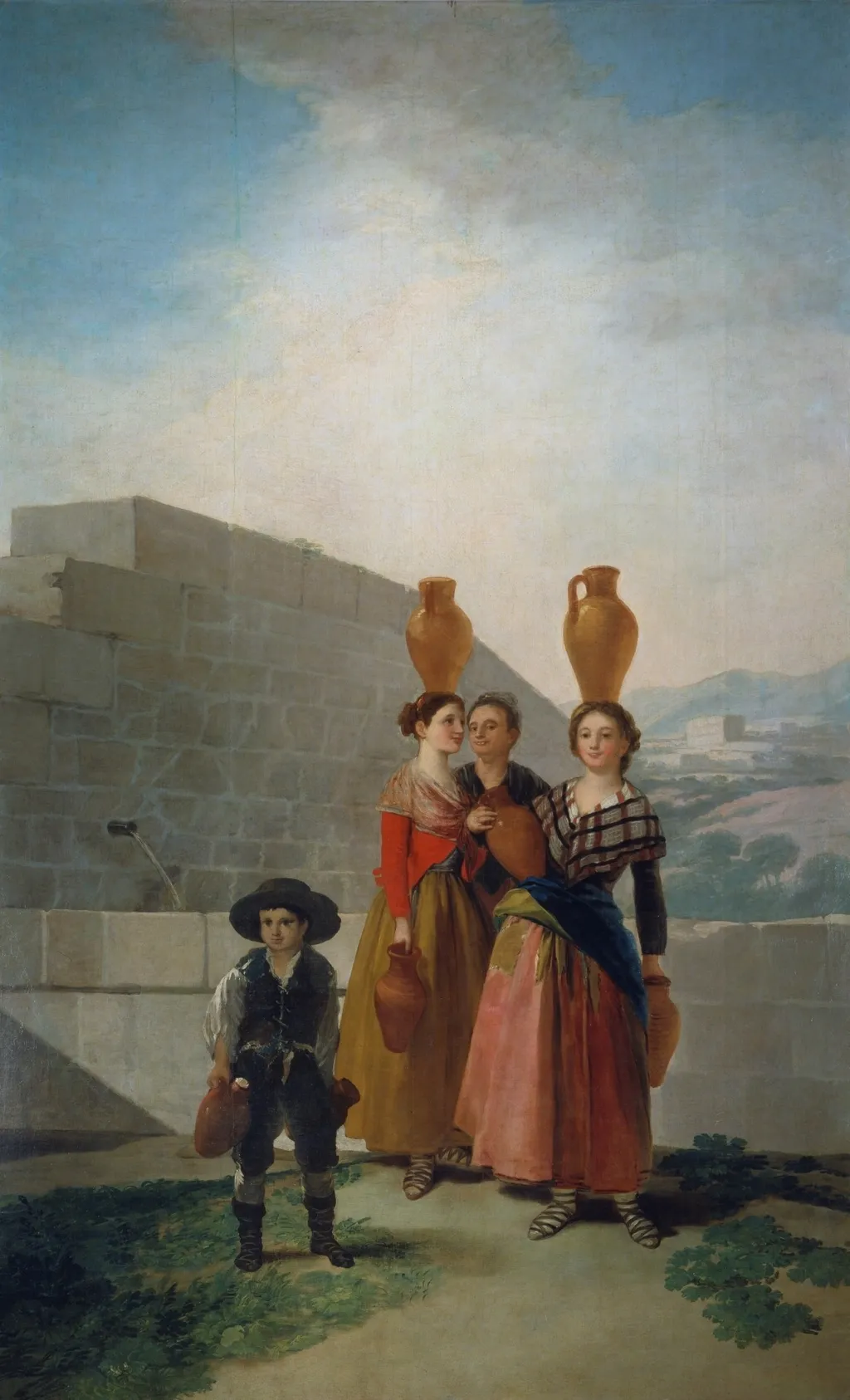
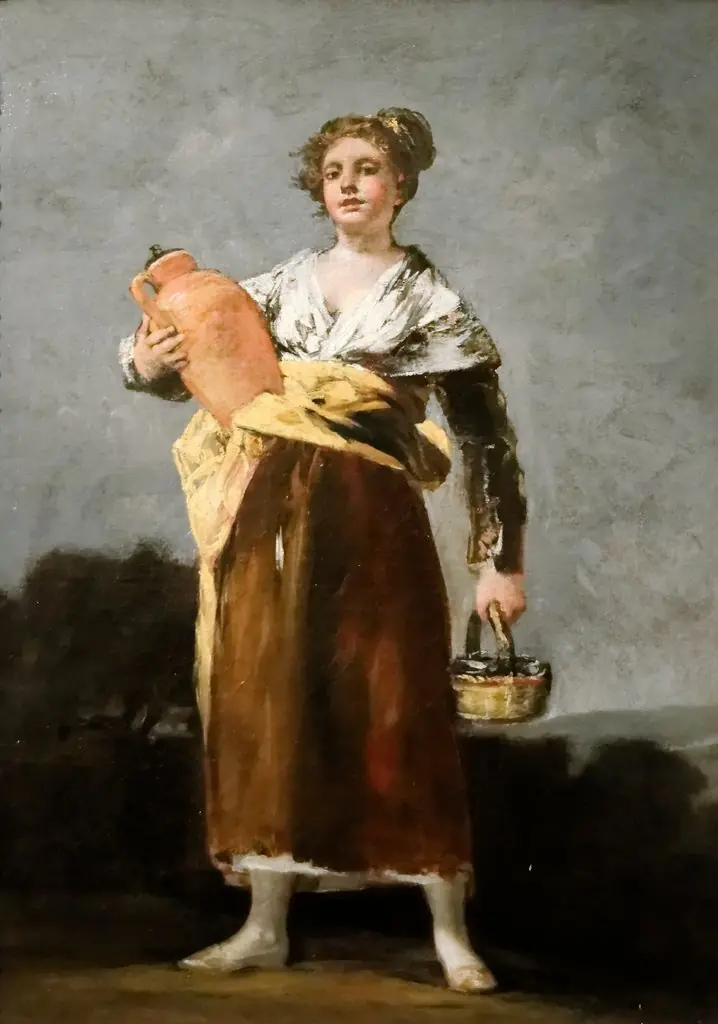
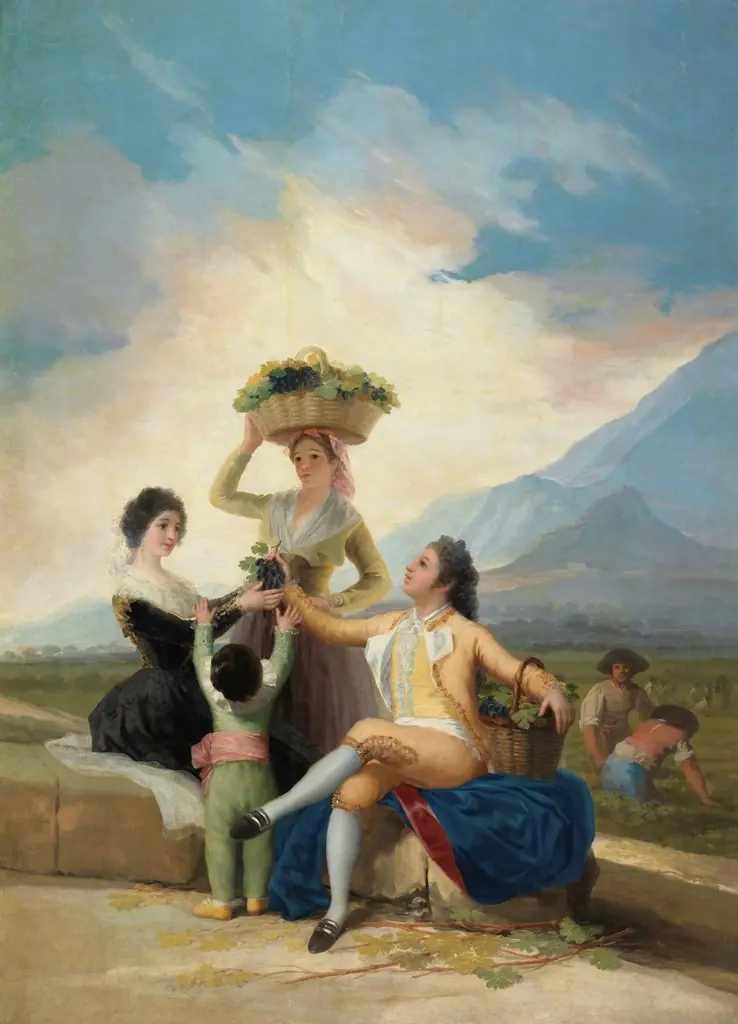
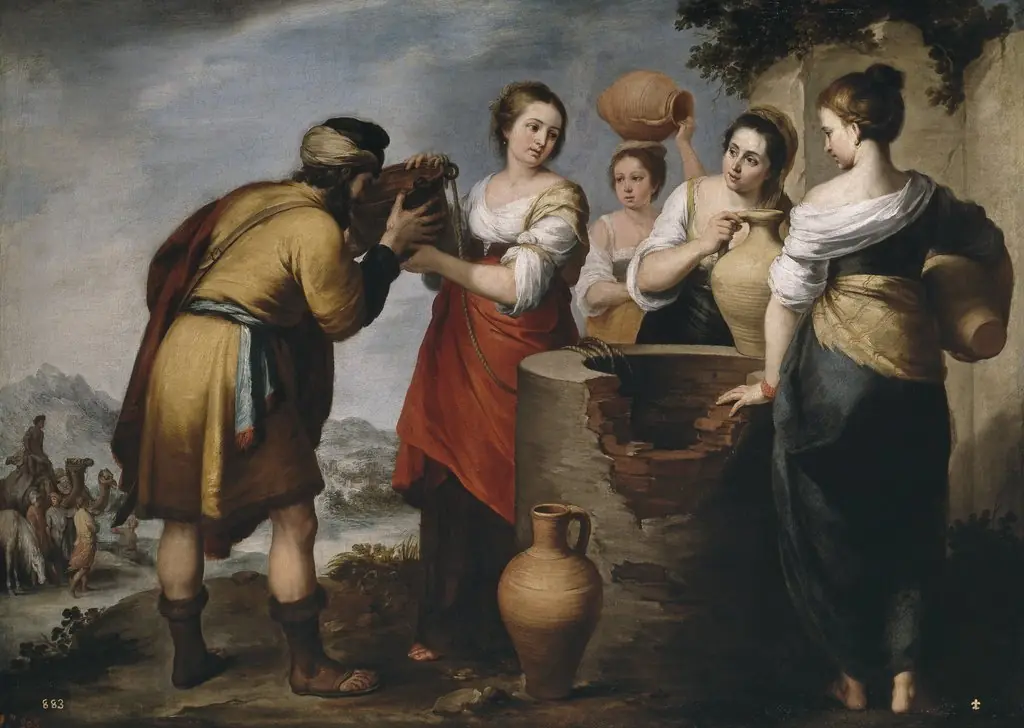
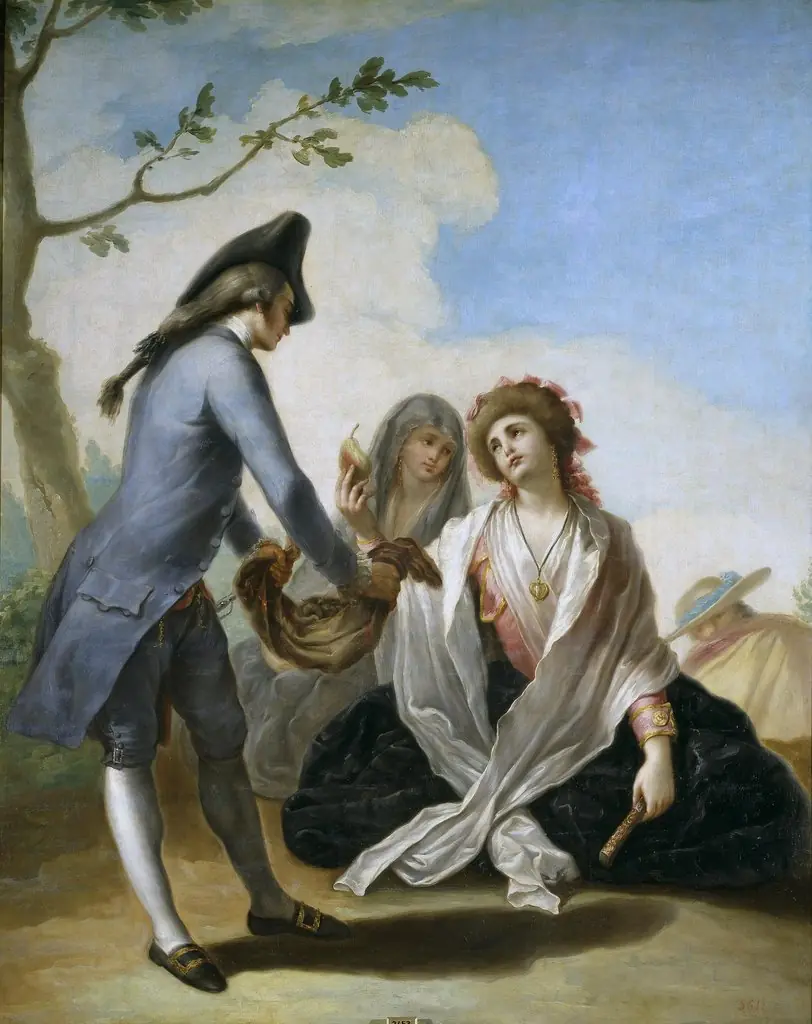
Women carrying pitchers is an oil painting by Francisco Goya. It dates from 1796 and is held in the collection of the Museo del Prado.
About this work
Overview
The painting is now part of the permanent collection at the Museo del Prado in Madrid, reflecting his interest in ordinary people beyond courtly subjects.
Painted in 1796 by Francisco Goya, this oil-on-canvas work captures a quiet moment of daily labor in rural Spain. It belongs to a series of genre scenes Goya produced during his tenure at the Royal Tapestry Factory, where he translated everyday life into art. The painting is now part of the permanent collection at the Museo del Prado in Madrid, reflecting his interest in ordinary people beyond courtly subjects.
Subject & Meaning
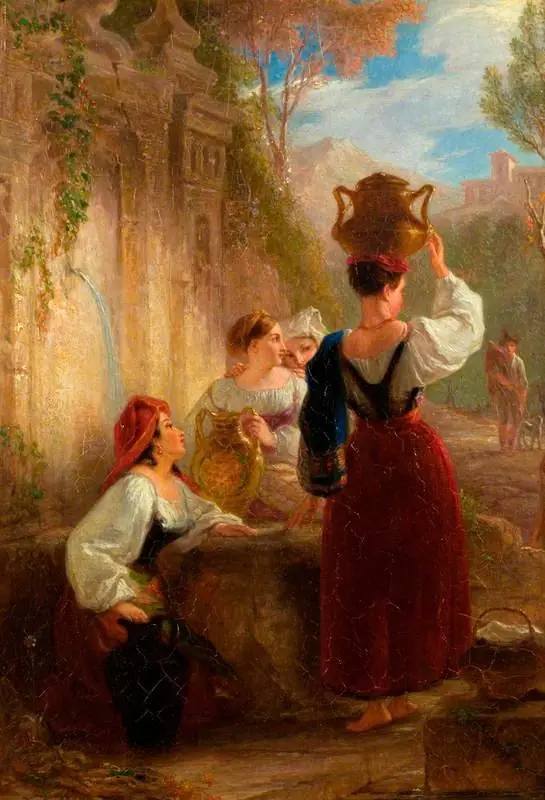
The scene portrays four individuals—three women and a young boy—engaged in the routine task of transporting water in clay pitchers. Two women balance jugs on their heads, one carries a vessel in her arms, and the boy holds another. Their attire, though colorful, suggests modest means. The composition avoids idealization, presenting labor as unembellished and grounded, hinting at the quiet dignity of common life in late 18th-century Spain.
Technique & Style
Goya employed loose, expressive brushwork to render fabric, skin, and stone, favoring naturalism over polished finish. The figures are arranged in a shallow foreground against a muted stone wall and soft sky, creating spatial depth without theatricality. Color is used descriptively rather than dramatically—earthy tones dominate, with accents of red and blue in clothing that draw attention without overwhelming the scene’s simplicity.
History & Provenance
Commissioned as part of a series for the Royal Tapestry Factory, the painting was originally intended as a model for woven textiles. It remained in royal collections after its completion and was transferred to the Museo del Prado in the 19th century. Its survival as an oil painting rather than a tapestry reflects Goya’s growing focus on painting as an independent medium, distinct from decorative commissions.
Context
Created during a period of social change in Spain, the painting aligns with Enlightenment-era interests in documenting the lives of common people. While Goya’s earlier works often depicted aristocratic leisure, this piece signals a shift toward empathy for laborers. It reflects broader cultural movements that valued observation of real life over mythological or religious narratives.
Legacy
This work exemplifies Goya’s role in transitioning Spanish art from Baroque formalism toward modern realism. Its unadorned portrayal of labor influenced later 19th-century painters who sought to elevate everyday subjects. Though not among his most famous pieces, it remains a quiet testament to his ability to find gravity in the mundane, shaping the trajectory of social realism in European art.
Artist & collection
Artist
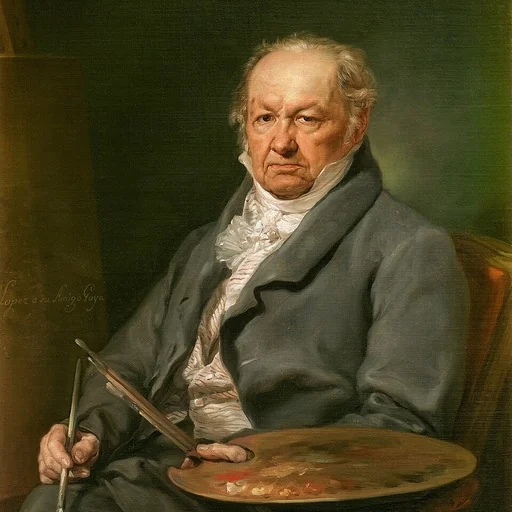
Francisco José de Goya y Lucientes (; Spanish: ; 30 March 1746 – 16 April 1828) was a Spanish romantic painter and printmaker.