Artwork
The Grape Harvest
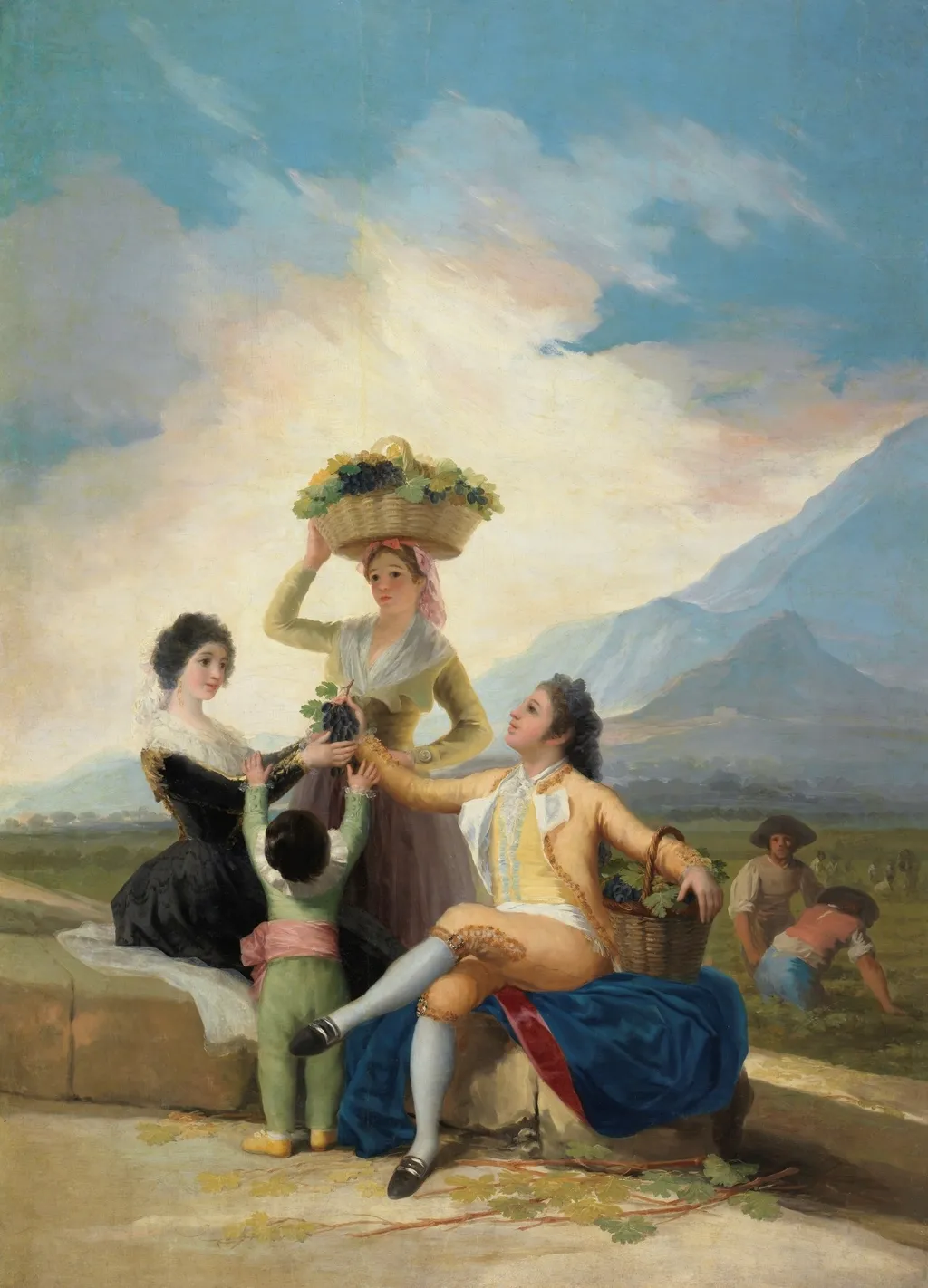
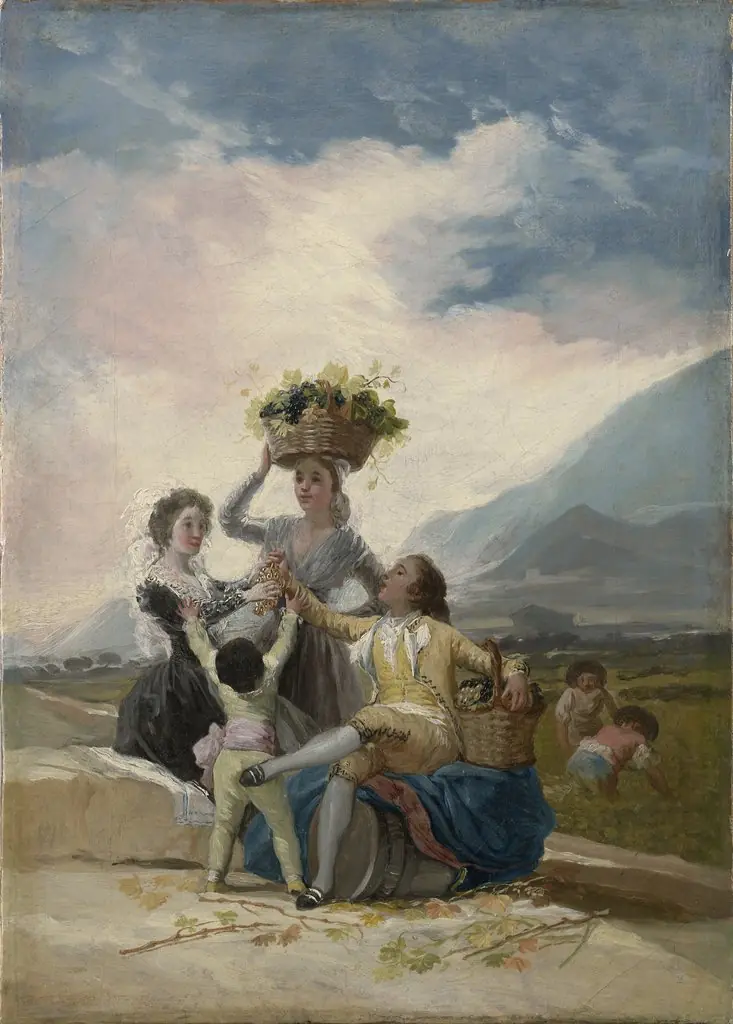
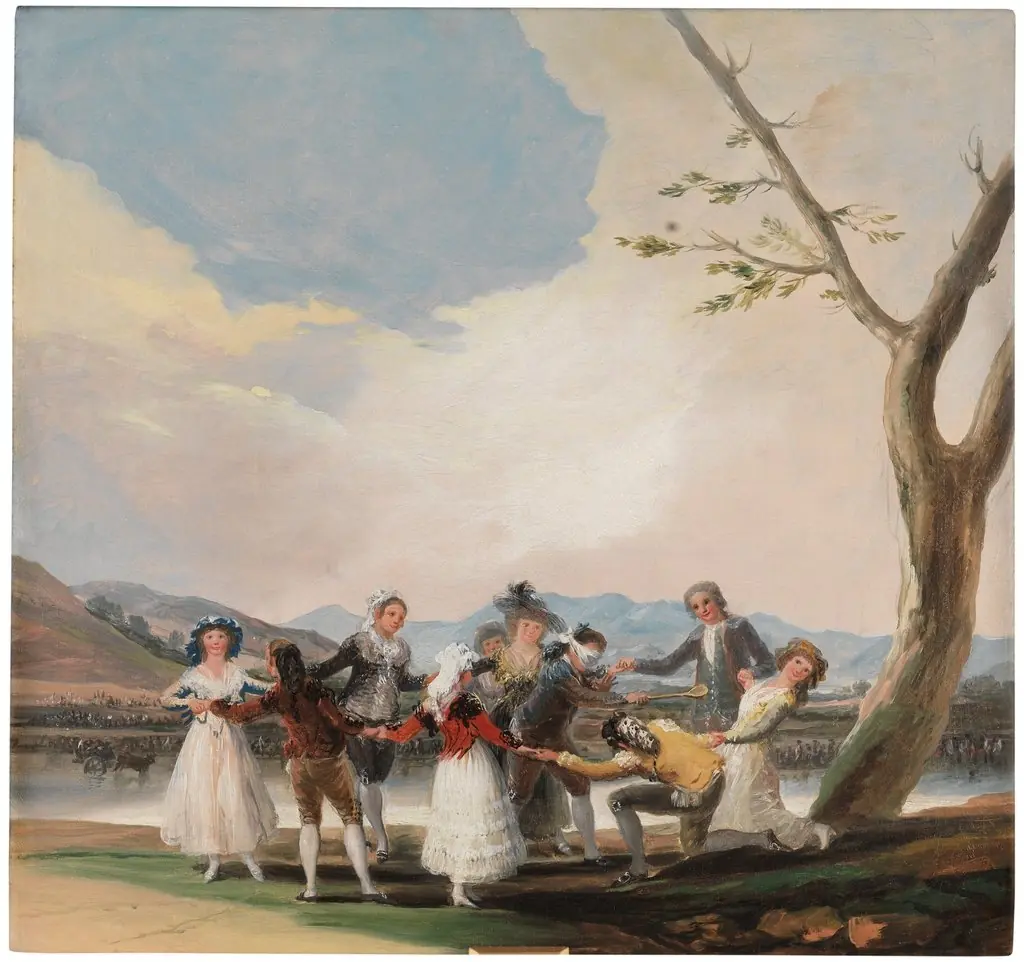
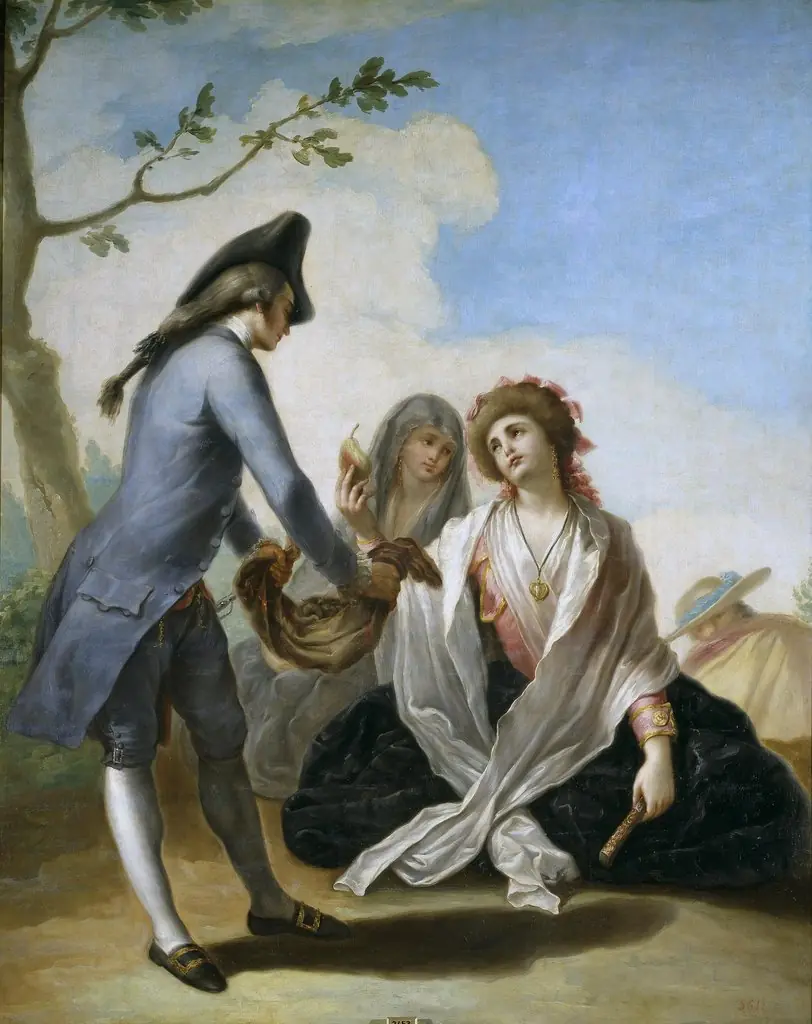
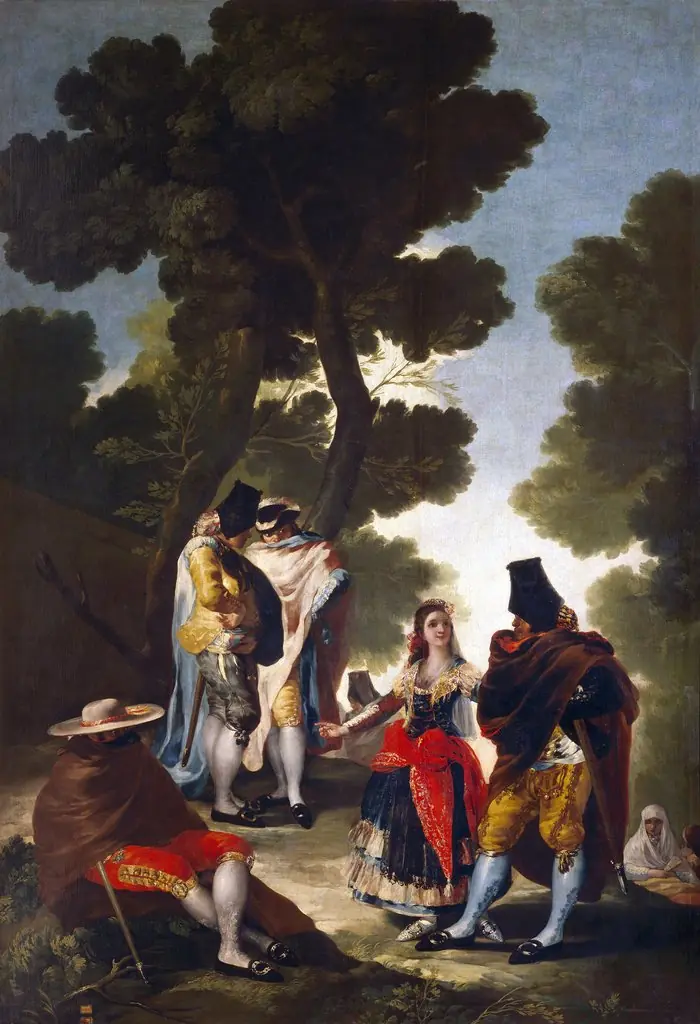
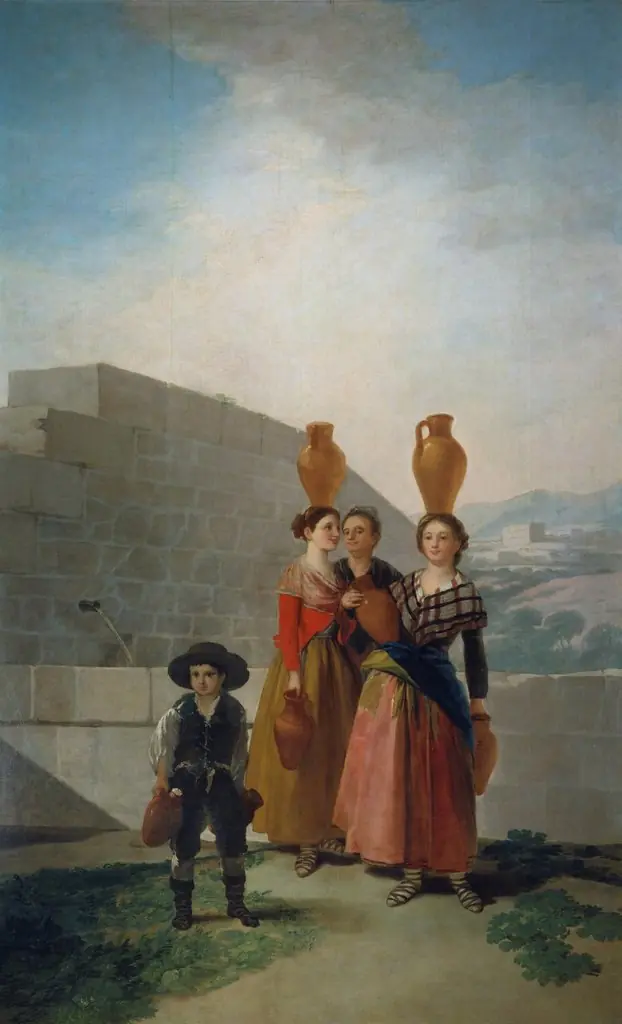
The Grape Harvest is an oil painting by the Rococo painting artist Francisco Goya. It dates from 1794 and is held in the collection of the Museo del Prado.
About this work
Overview
Painted in 1794, *The Grape Harvest* is an oil on canvas work by Francisco Goya, depicting rural labor in a Spanish vineyard.
Painted in 1794, *The Grape Harvest* is an oil on canvas work by Francisco Goya, depicting rural labor in a Spanish vineyard. Though often associated with late 18th-century Spanish art, it diverges from the ornamental tendencies of Rococo, instead embracing a more direct observation of everyday life. The painting is part of the permanent collection at the Museo del Prado in Madrid, where it remains a testament to Goya’s engagement with the rhythms of peasant existence.
Subject & Meaning
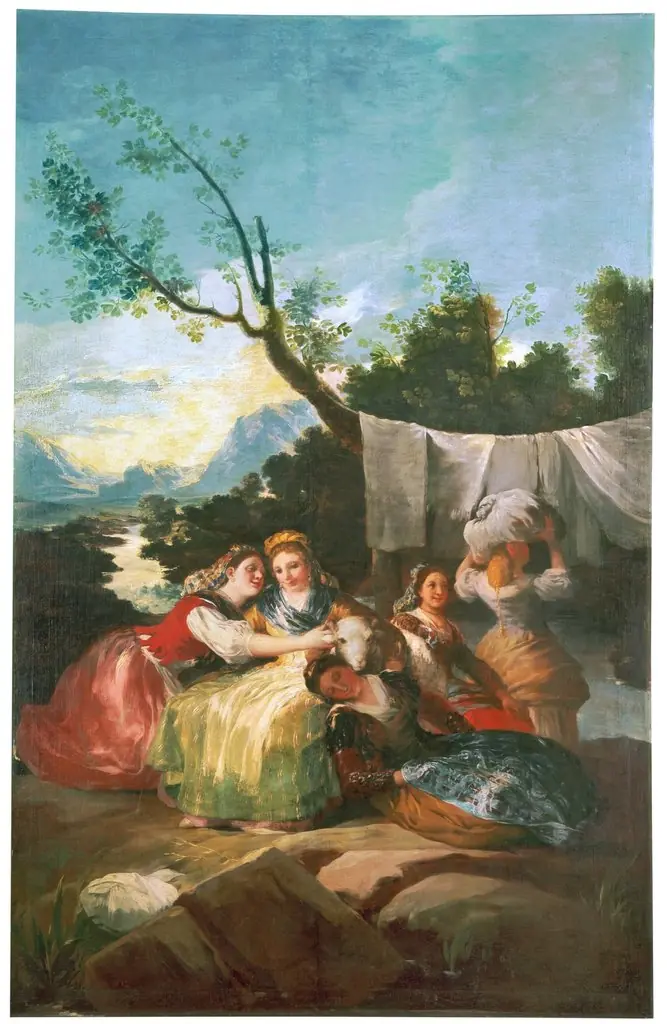
The scene captures a moment of communal labor in a vineyard, with figures engaged in the harvest: a woman balances a basket of grapes on her head, a man sits on a rock holding fruit while reaching toward a child. Their interactions suggest cooperation and continuity across generations. Rather than idealizing rural life, Goya presents it with unembellished humanity, emphasizing dignity in toil and the quiet bonds between workers.
Technique & Style
Goya employed bold, fluid brushwork to convey motion and texture, with vibrant yellows, blues, and greens defining the figures and landscape. The paint is applied with energetic spontaneity, particularly in the folds of clothing and the sky’s cloud formations. Unlike the polished surfaces of academic tradition, this work favors immediacy—brushstrokes remain visible, enhancing the sense of life unfolding in real time.
History & Provenance
Created during Goya’s tenure as court painter, *The Grape Harvest* was likely made for private contemplation rather than public display. It entered the Museo del Prado’s collection in the 19th century, following the nationalization of church and aristocratic holdings. Its survival through political upheavals and shifts in artistic taste underscores its quiet significance within Goya’s broader oeuvre.
Context
Painted amid the Enlightenment’s influence and the approach of the Napoleonic Wars, the work reflects a growing interest in secular, everyday subjects among Spanish artists. While Goya’s later works grew darker, this piece captures a moment of relative stability in rural Spain, where traditional labor persisted despite broader societal changes. It stands as a counterpoint to his more overtly political imagery.
Legacy
Though less celebrated than Goya’s satirical or wartime works, *The Grape Harvest* influenced 19th-century realist painters who sought to depict labor without romanticization. Its unpretentious composition and attention to ordinary people helped pave the way for later movements that valued authenticity over grandeur. The painting remains a quiet but enduring record of rural Spain’s visual culture.
Own this work as a print
Artist & collection
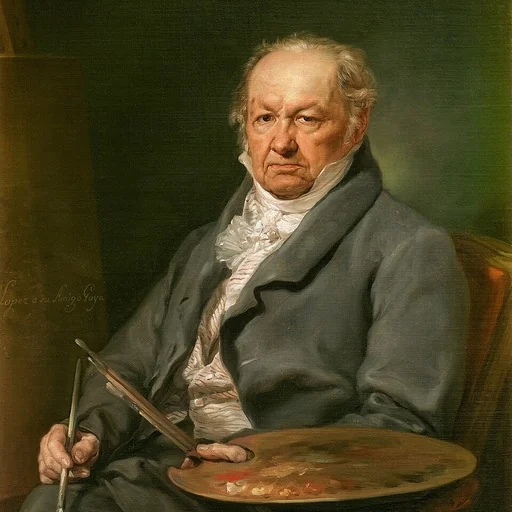
Artist
Francisco José de Goya y Lucientes (; Spanish: ; 30 March 1746 – 16 April 1828) was a Spanish romantic painter and printmaker.