Artwork
The rustic Offering
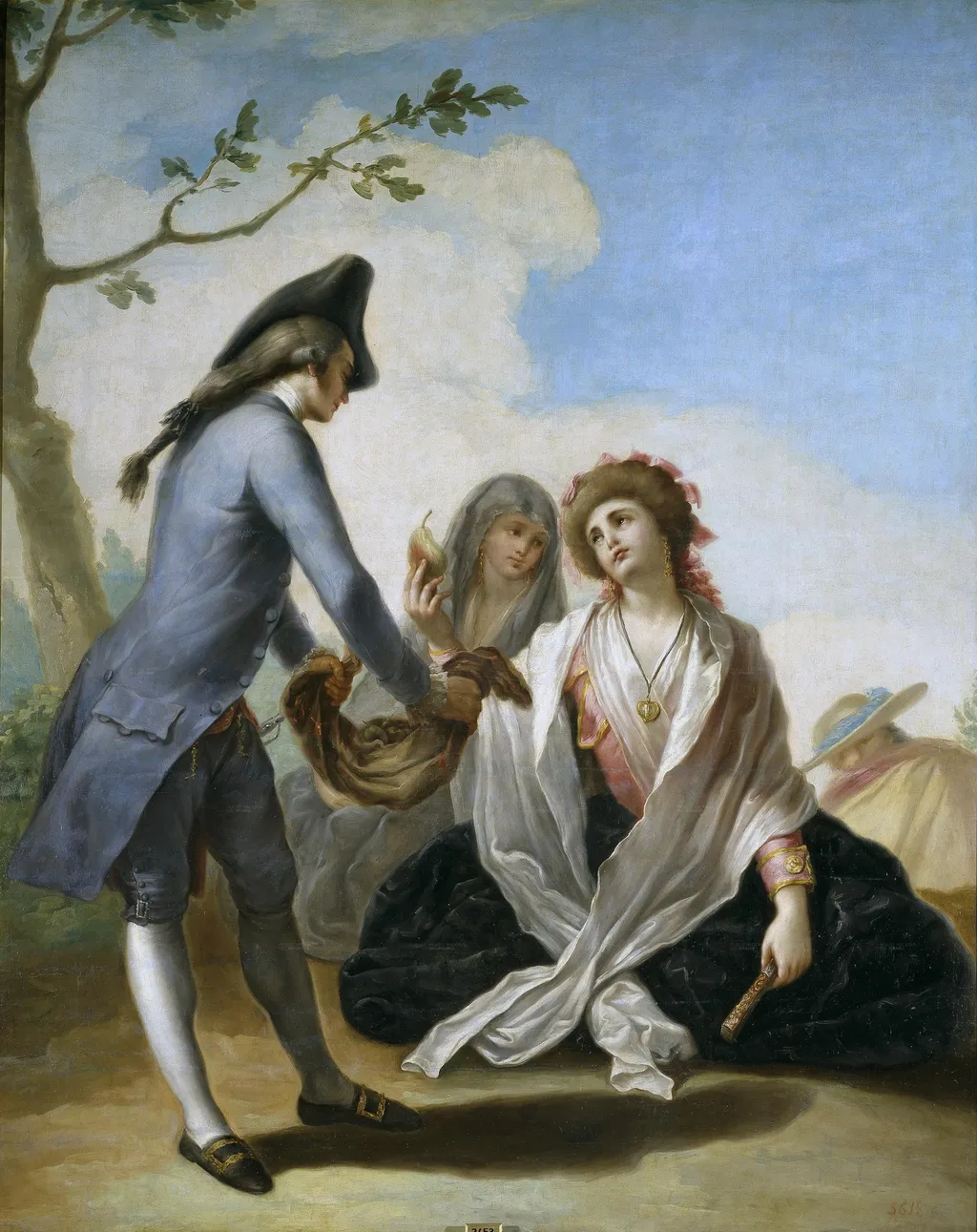
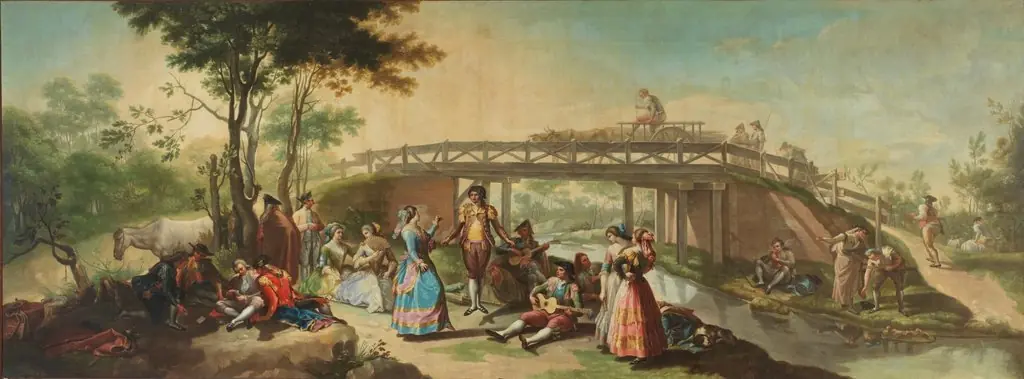
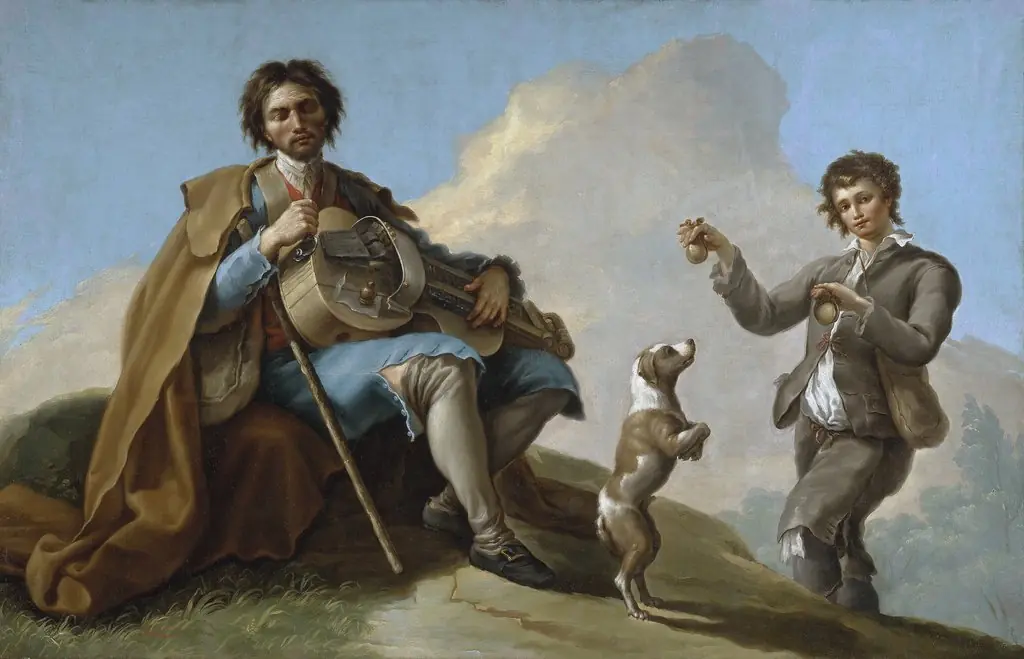
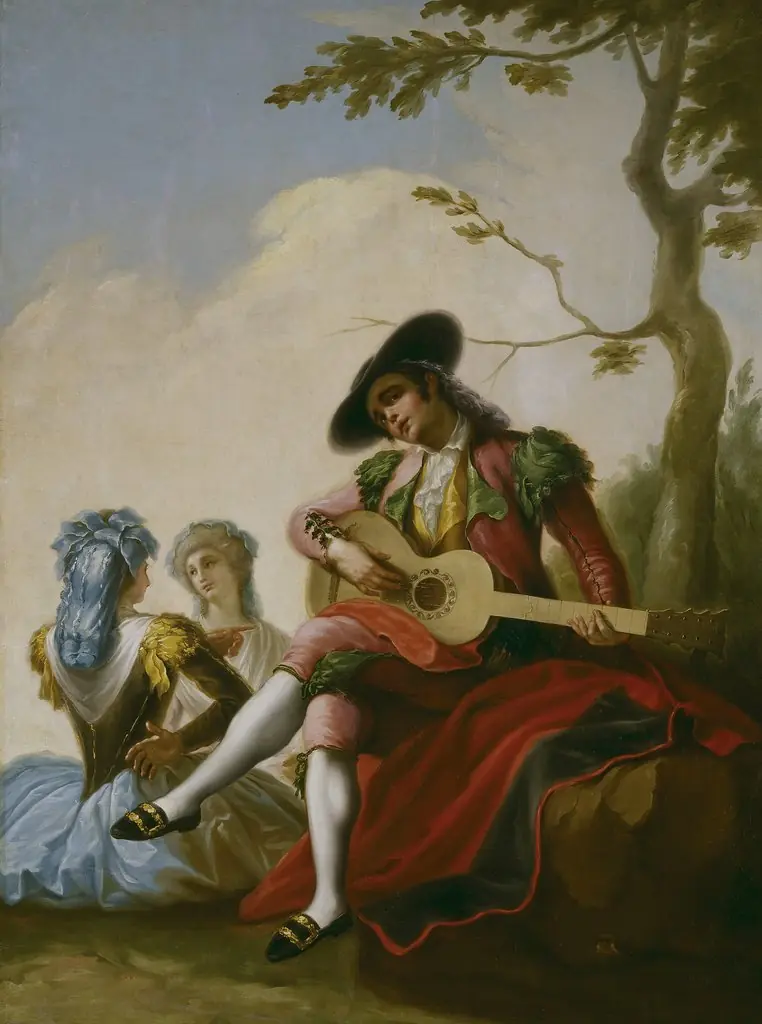
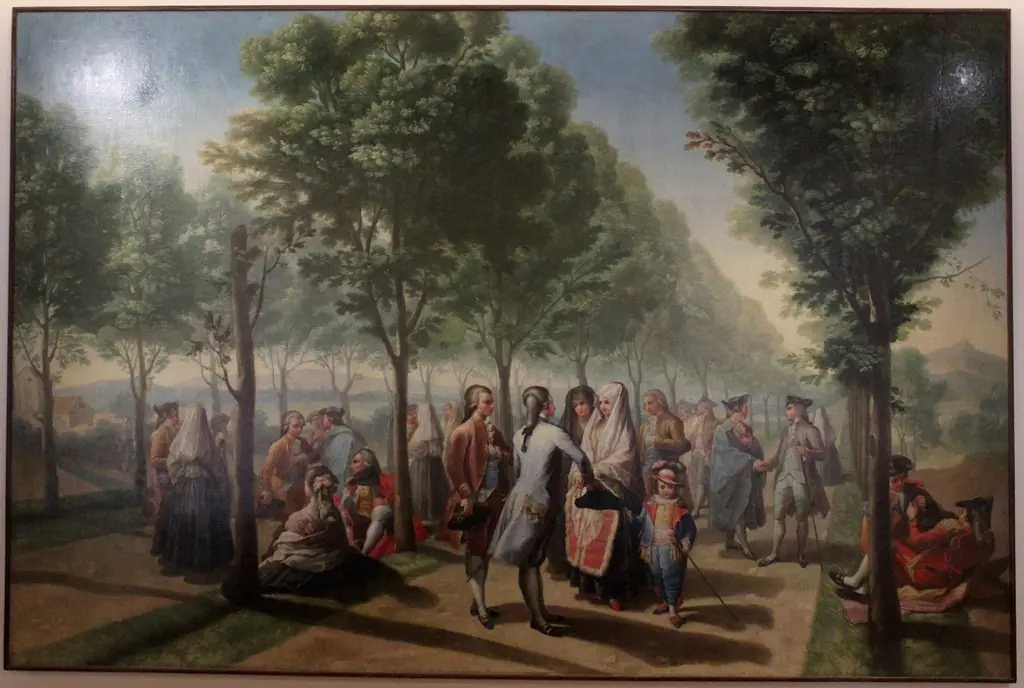
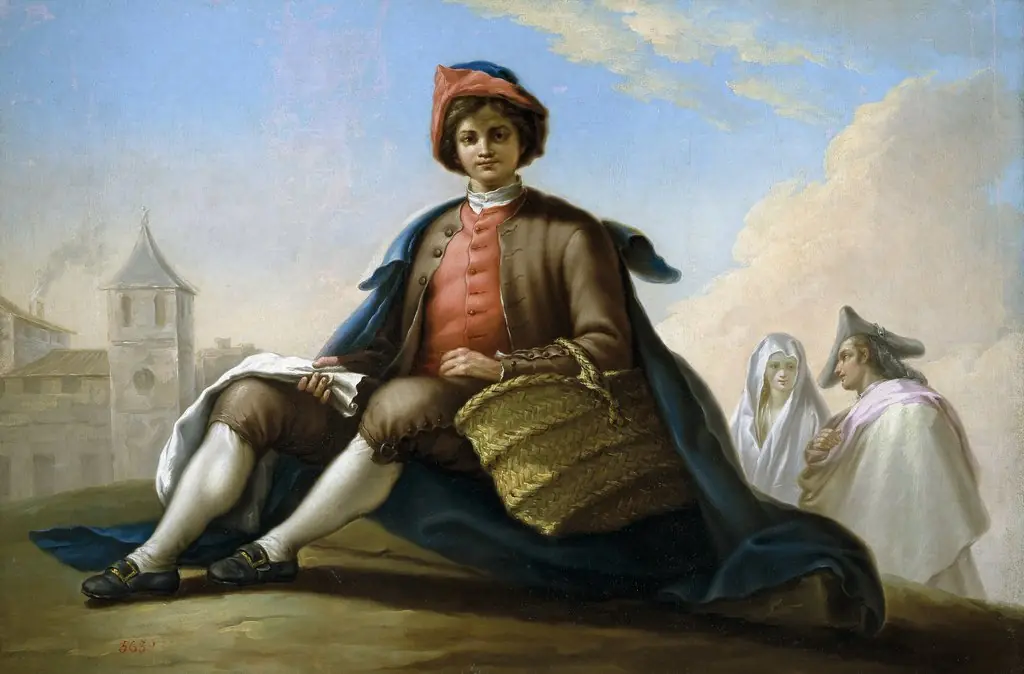
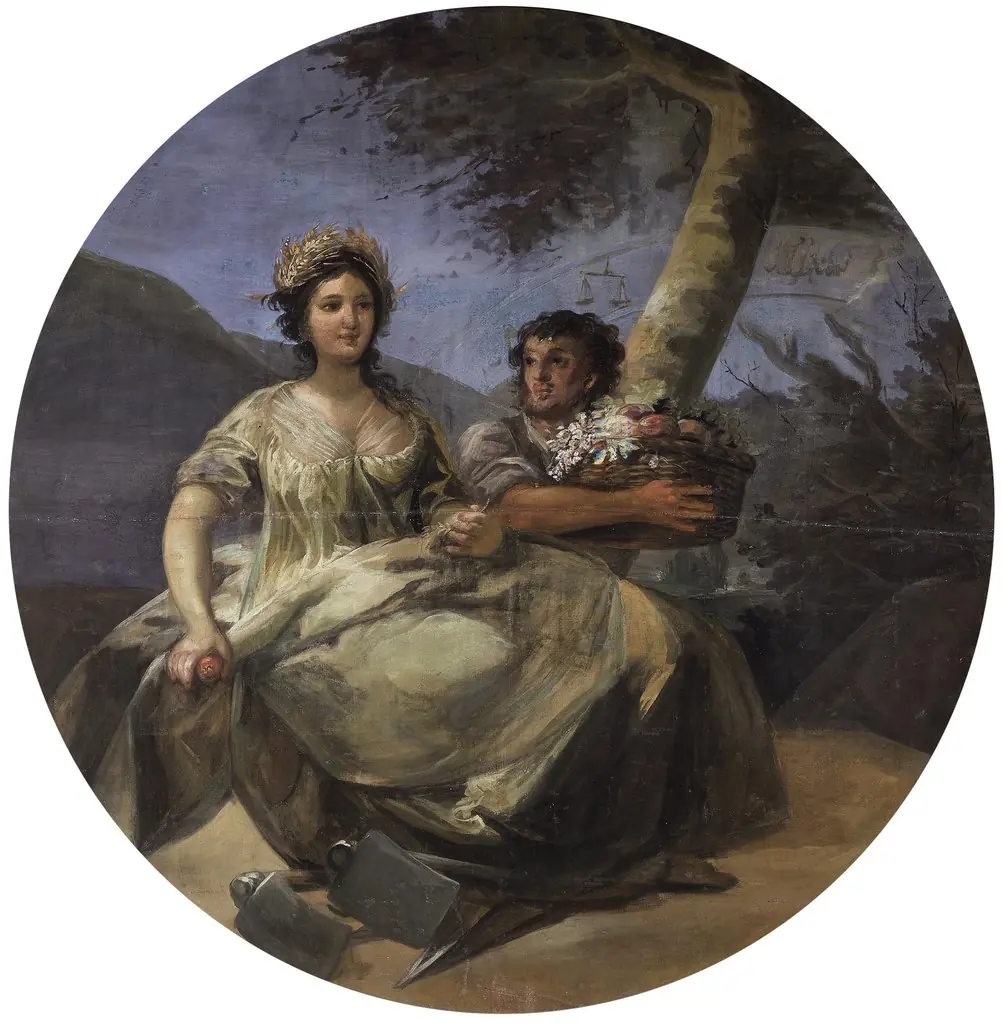
The rustic Offering is an oil painting by the Rococo painting artist Ramón Bayeu. It dates from 1790 and is held in the collection of the Museo del Prado.
About this work
Overview
It resides in the Museo del Prado’s collection, where it stands as a quiet example of late 18th-century Spanish genre painting.
Painted in 1790 by Ramón Bayeu, *The Rustic Offering* is an oil-on-canvas work that blends the refined aesthetics of Neoclassicism with the gentle informality of Rococo. Though Bayeu was primarily known for tapestry cartoons, this piece reflects his engagement with domestic and pastoral themes. It resides in the Museo del Prado’s collection, where it stands as a quiet example of late 18th-century Spanish genre painting.
Subject & Meaning
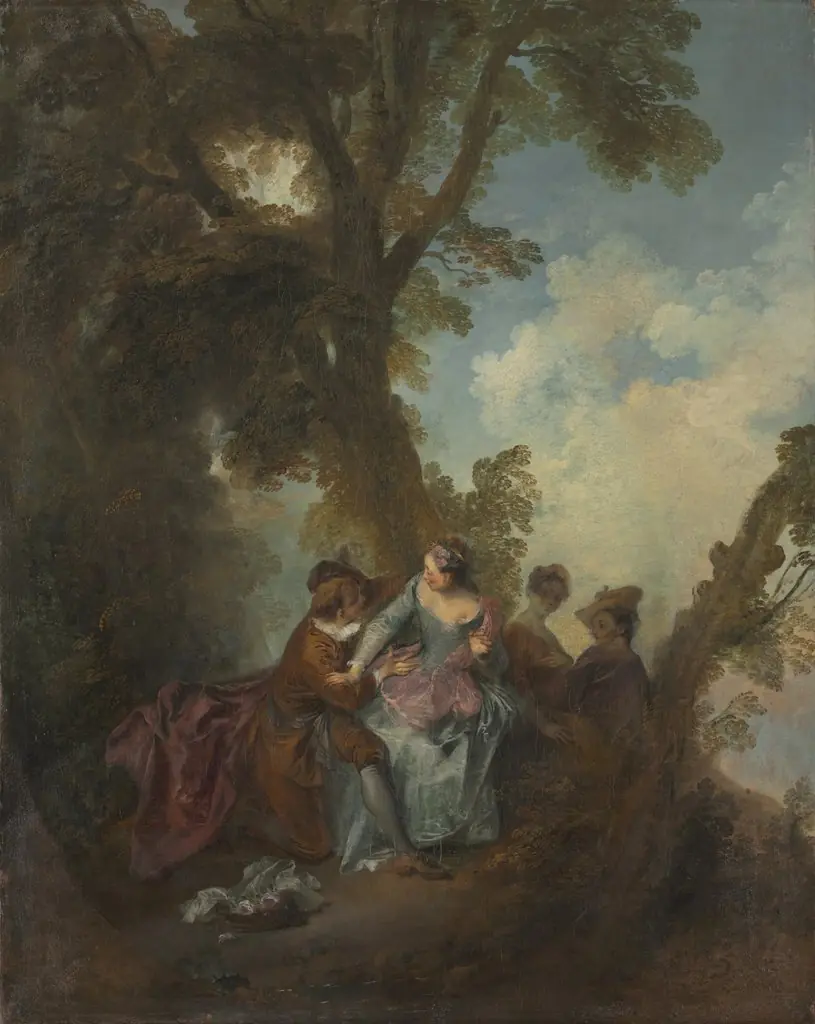
The scene depicts a man in formal attire beside two women in rural dress, one holding a basket of fruit, the other gently fanning herself. The objects—fruit and fan—are not merely decorative but suggest a ritualized moment of hospitality or offering. The contrast between the man’s powdered wig and the women’s simpler garments implies a social hierarchy, while the setting evokes an idealized, tranquil countryside.
Technique & Style
Bayeu employed soft brushwork and muted tones to render textures of fabric, skin, and foliage with subtle precision. The lighting is diffused, enhancing the sense of an outdoor afternoon. The composition is asymmetrical yet balanced, with the fan acting as a focal point. Figures are posed naturally, avoiding theatricality, yet retain a sense of staged elegance characteristic of Rococo-influenced genre scenes.
History & Provenance
Commissioned during Bayeu’s tenure at the Royal Tapestry Factory, the painting likely originated as a study for a larger decorative scheme. It entered the Prado’s collection in the 19th century, possibly through royal acquisitions. Its survival as a standalone work, rather than a tapestry design, is unusual, suggesting it was valued independently for its intimate portrayal of daily life.
Context
In late 18th-century Spain, depictions of rural life were increasingly favored by the court as expressions of natural virtue, countering earlier Baroque grandeur. The hand fan, a fashionable accessory among aristocratic women, appears here in a rustic context, signaling a cultural blending of urban refinement and pastoral simplicity. Such works reflected Enlightenment ideals of harmony between nature and social order.
Legacy
Though not widely exhibited, *The Rustic Offering* remains a representative example of how Spanish Neoclassicism absorbed Rococo sensibilities. It illustrates Bayeu’s ability to translate courtly motifs into accessible scenes, influencing later genre painters who sought dignity in ordinary moments. Its quiet composition continues to offer insight into the social rituals of its time.
Own this work as a print
Artist & collection
Artist
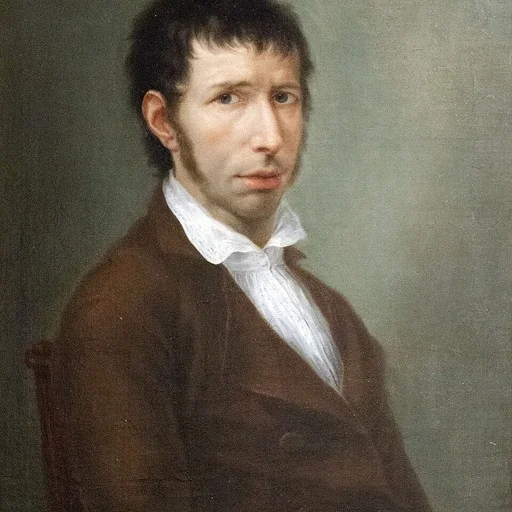
Ramón Bayeu y Subías (2 December 1744, Zaragoza – 1 March 1793, Aranjuez) was a Spanish Neoclassicist painter; known primarily for his work in tapestry design.