Artwork
The Spinner
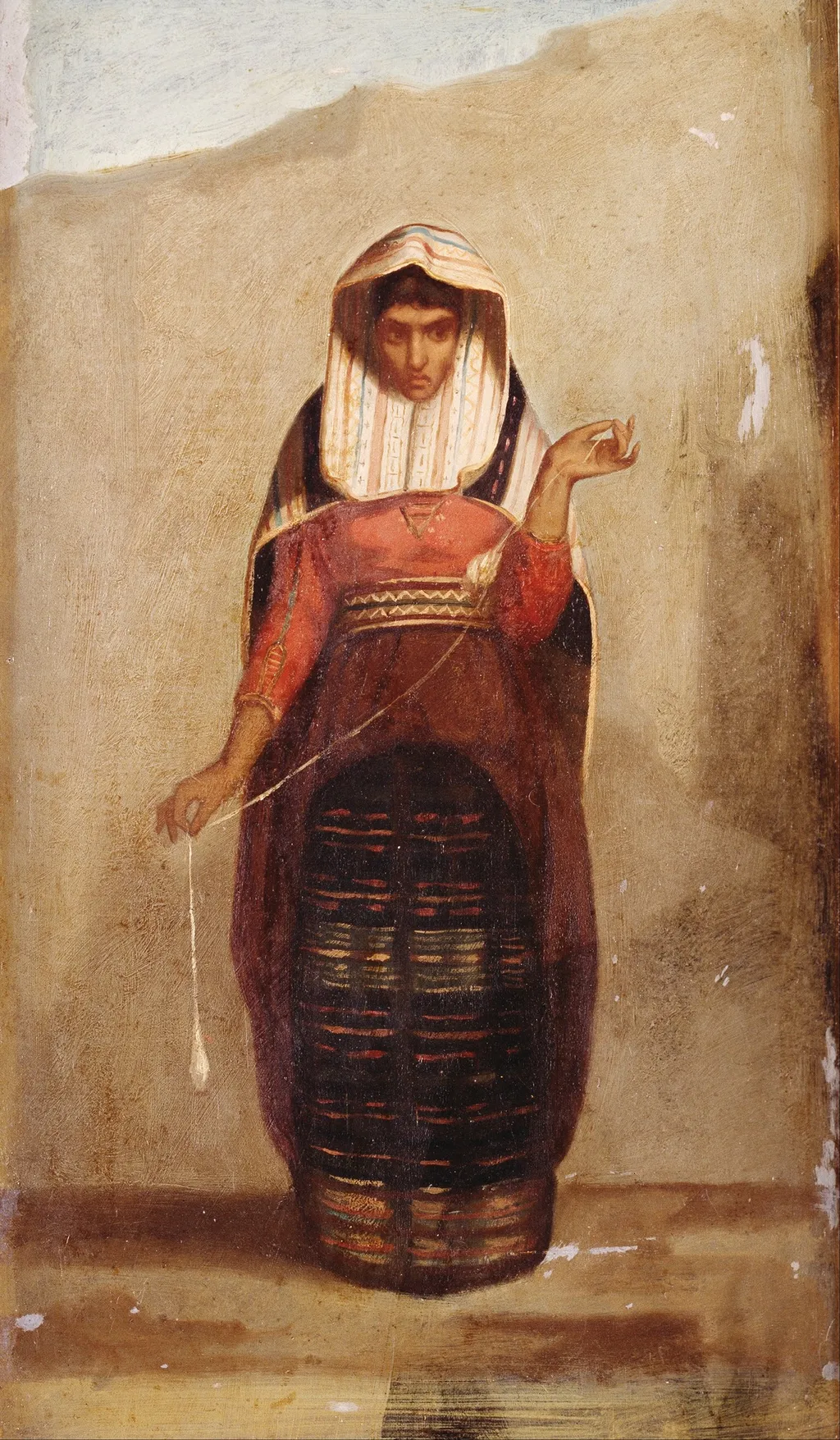
The Spinner is an oil painting by the Realist artist Francisco Laso. It dates from 1849 and is held in the collection of the Lima Art Museum.
About this work
Overview
Laso, known for his portraiture, turned his focus to indigenous Peruvian life during this period, seeking to represent local subjects with dignity.
Painted in 1849 by Francisco Laso, *The Spinner* is an oil-on-canvas work that captures a quiet moment of daily labor. Laso, known for his portraiture, turned his focus to indigenous Peruvian life during this period, seeking to represent local subjects with dignity. The painting is now part of the Lima Art Museum’s collection and stands as an early example of realism in Peruvian art, grounded in observation rather than idealization.
Subject & Meaning
The painting portrays a woman engaged in spinning, her hands holding a length of natural fiber rope. Dressed in a dark skirt and red tunic, with a white headscarf, her attire reflects regional dress patterns. Her three-quarter pose and focused expression suggest quiet concentration, emphasizing the dignity of manual labor. The work avoids romanticism, instead presenting the subject as a person immersed in routine, hinting at broader cultural continuity in rural Peru.
Technique & Style
Laso employed oil paint with restrained brushwork and careful attention to light and texture. Subtle chiaroscuro defines the contours of the figure and the folds of her clothing, grounding her in a dimly lit interior. The palette is muted, dominated by earth tones with a single red accent drawing attention to her upper body. The composition is simple, avoiding narrative embellishment, which reinforces the painting’s realist intent and emotional restraint.
History & Provenance
Created during Laso’s formative years as an artist, *The Spinner* emerged from his growing interest in Peru’s indigenous populations, a theme that would later influence the indigenismo movement. Though initially less recognized than his portraits, this work gained retrospective significance as national identity became a central concern in 19th-century Peruvian culture. It entered the Lima Art Museum’s holdings in the 20th century and remains a key piece in its 19th-century collection.
Context
In mid-19th-century Peru, artistic representation was often dominated by European models. Laso’s decision to depict an indigenous woman in a domestic setting challenged prevailing norms. His work coincided with broader social debates about national identity and the place of native peoples in the post-independence state. *The Spinner* reflects an emerging desire to locate cultural authenticity in everyday indigenous life, rather than in colonial or imported aesthetics.
Legacy
Though Laso’s reputation fluctuated after his death, *The Spinner* endured as a touchstone for later artists seeking to portray indigenous subjects with psychological depth. It contributed to the foundation of indigenismo in Peruvian art, influencing 20th-century painters who turned to rural life as a source of national imagery. The painting’s quiet realism continues to be studied for its role in shifting artistic priorities away from European conventions toward local experience.
Artist & collection
Artist
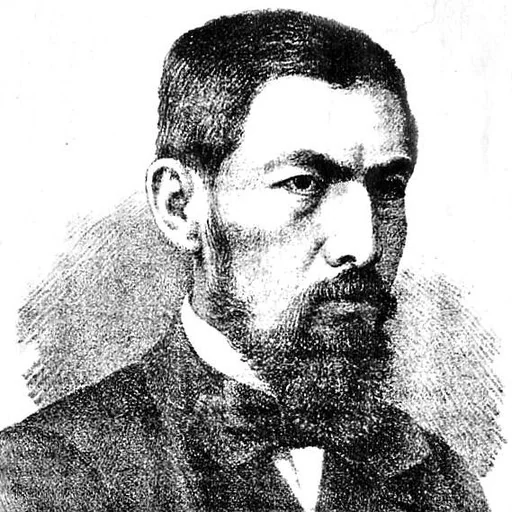
José Francisco Domingo Laso de la Vega y de los Ríos (8 May 1823, Tacna - 14 May 1869, San Mateo District) was a Peruvian painter and politician.

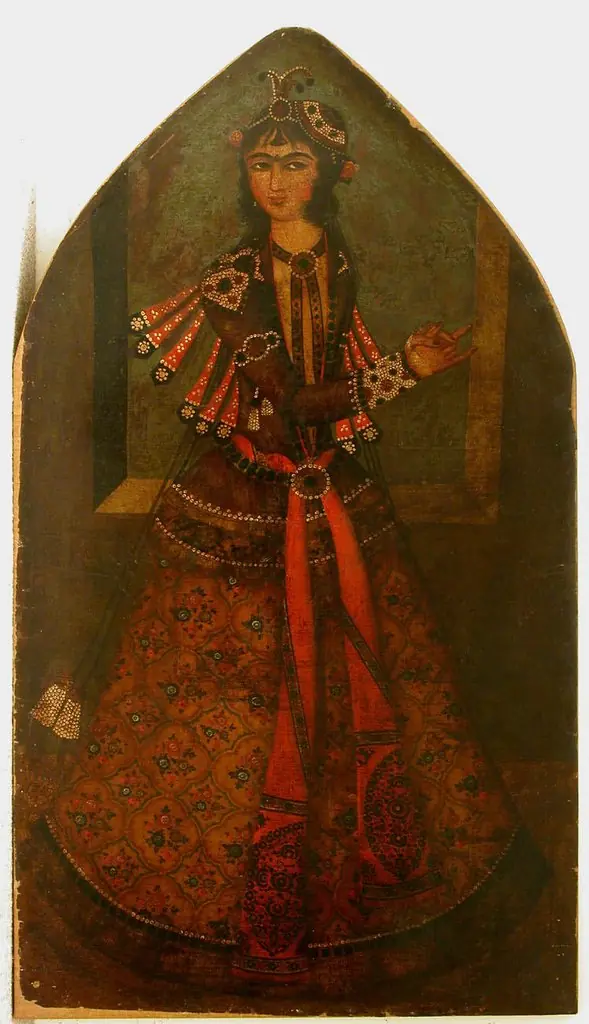 Painting of a Dancer
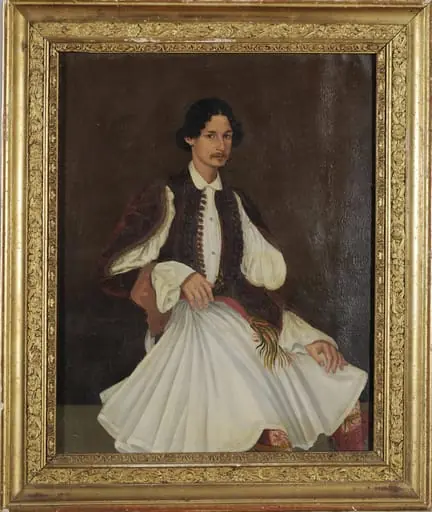 Προσωπογραφία του Αχιλλέα Αγγέλου Γέροντα
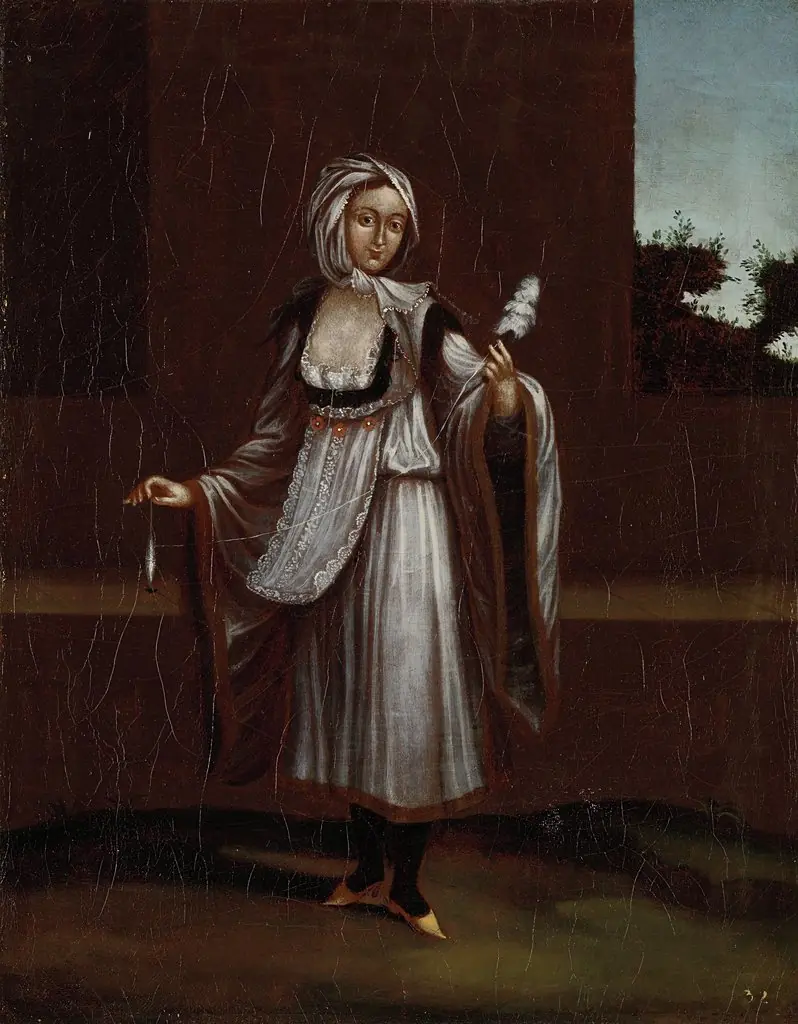 Woman from the Island of Patmos
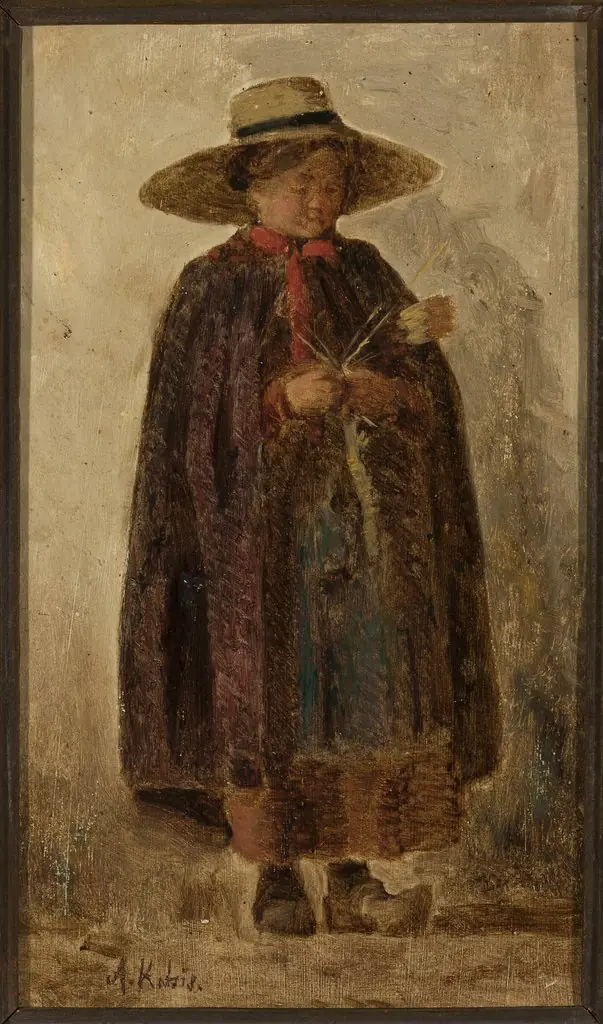 Woman knitting a garter
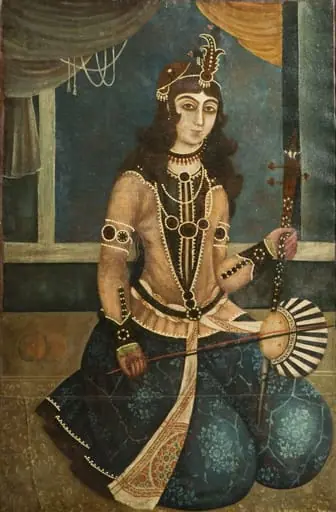 Woman playing a <i>kamānchah</i>
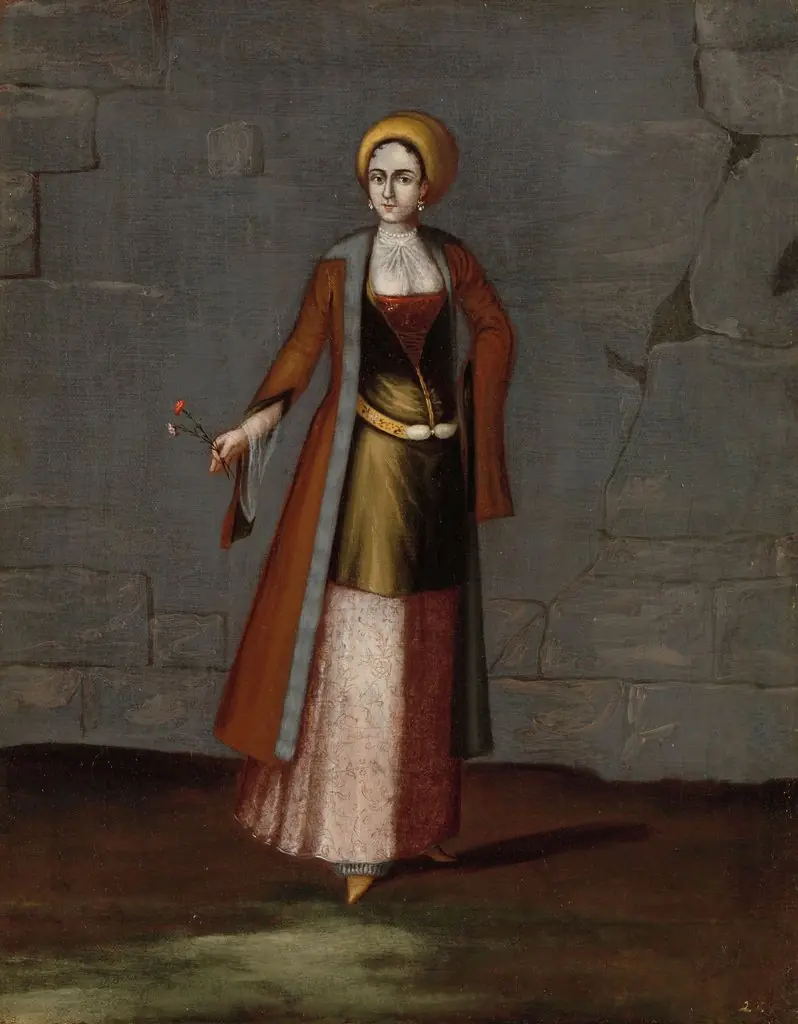 Woman from the Island of Tinos
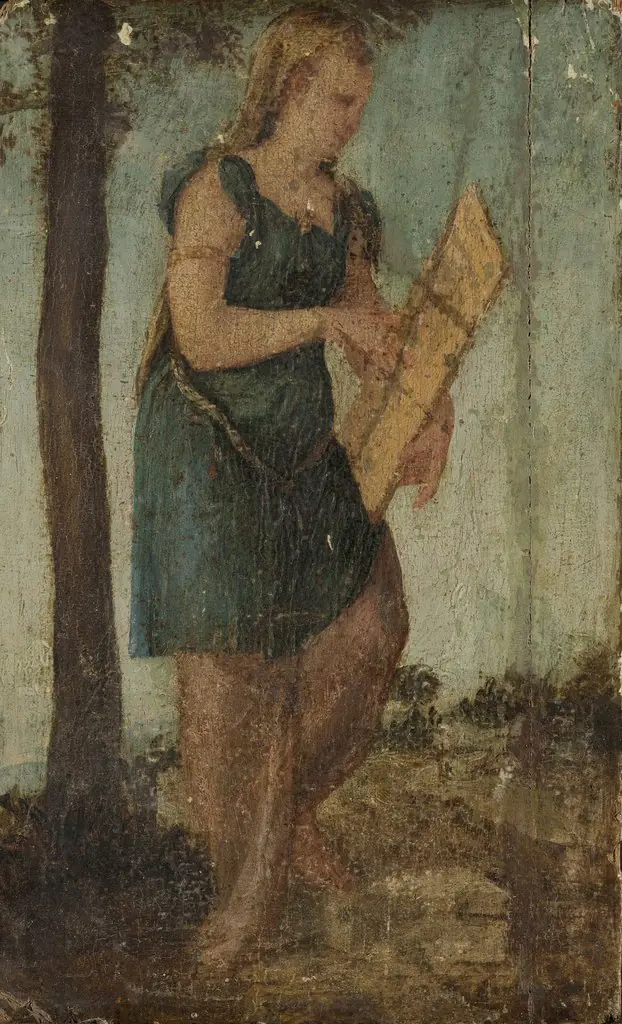 Woman with Shield
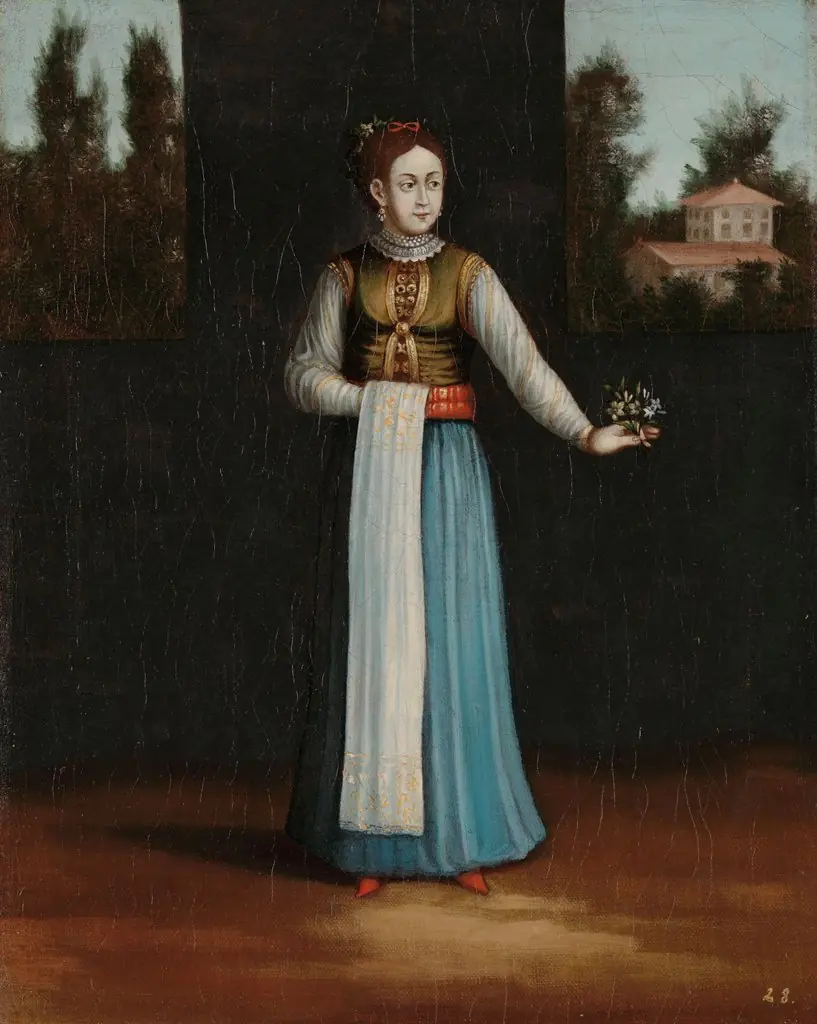 Woman from the Albanian Coast
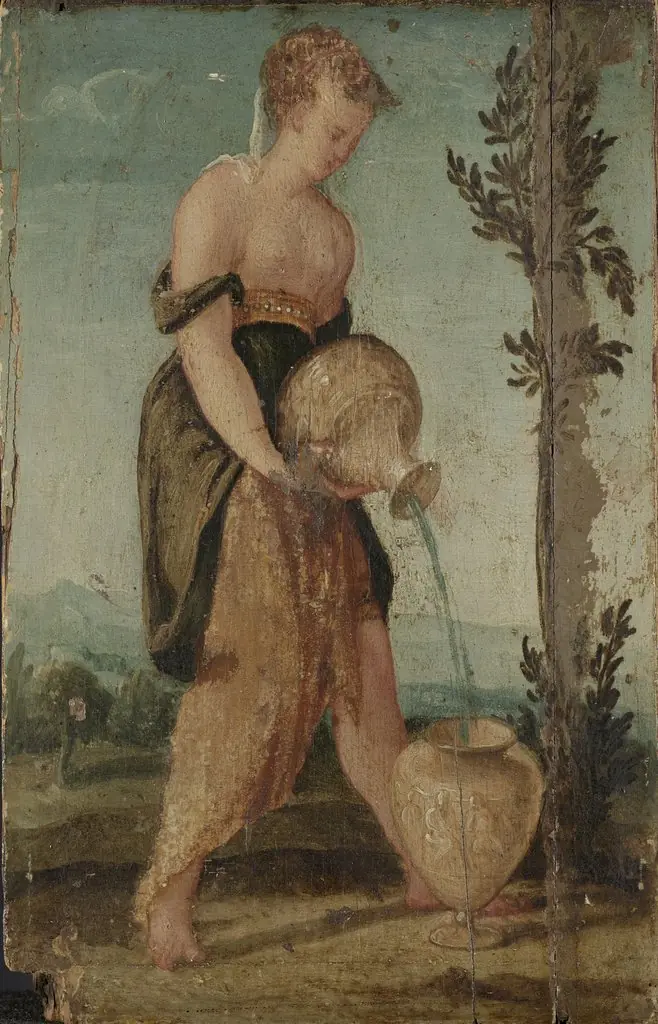 Woman with Water Jug
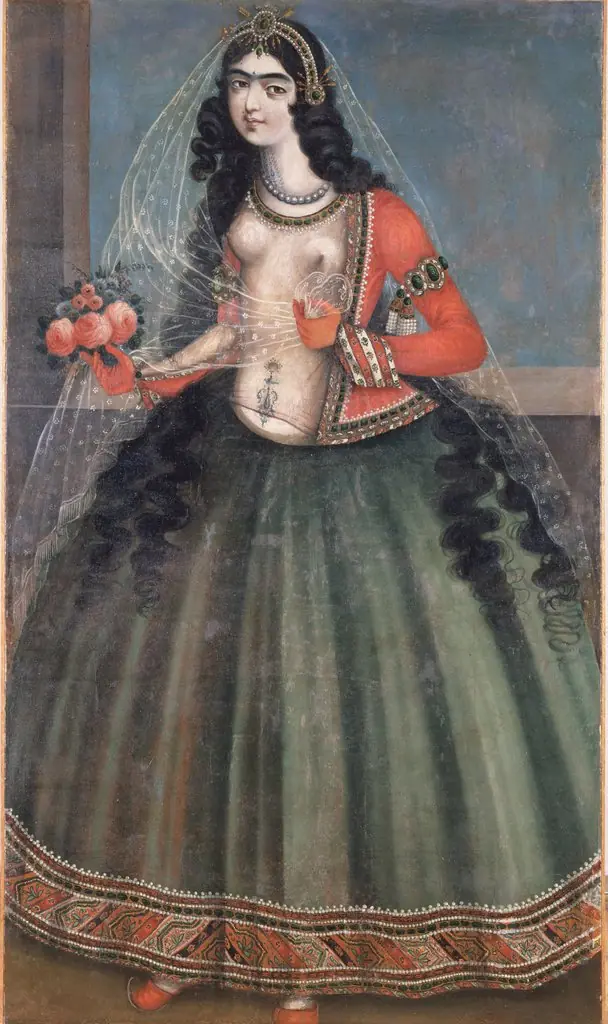 Woman with a Bouquet of Roses
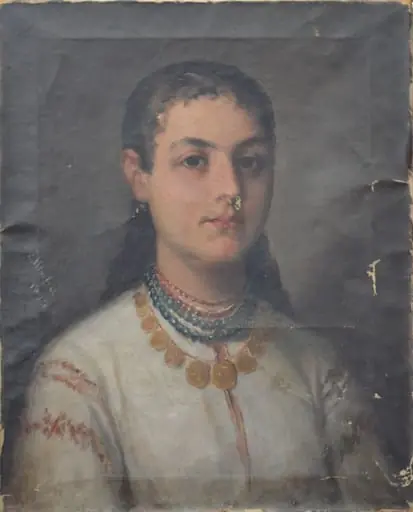 Fată cu salbă
 Woman from the Island of Mykonos