Artwork
Woman with Water Jug
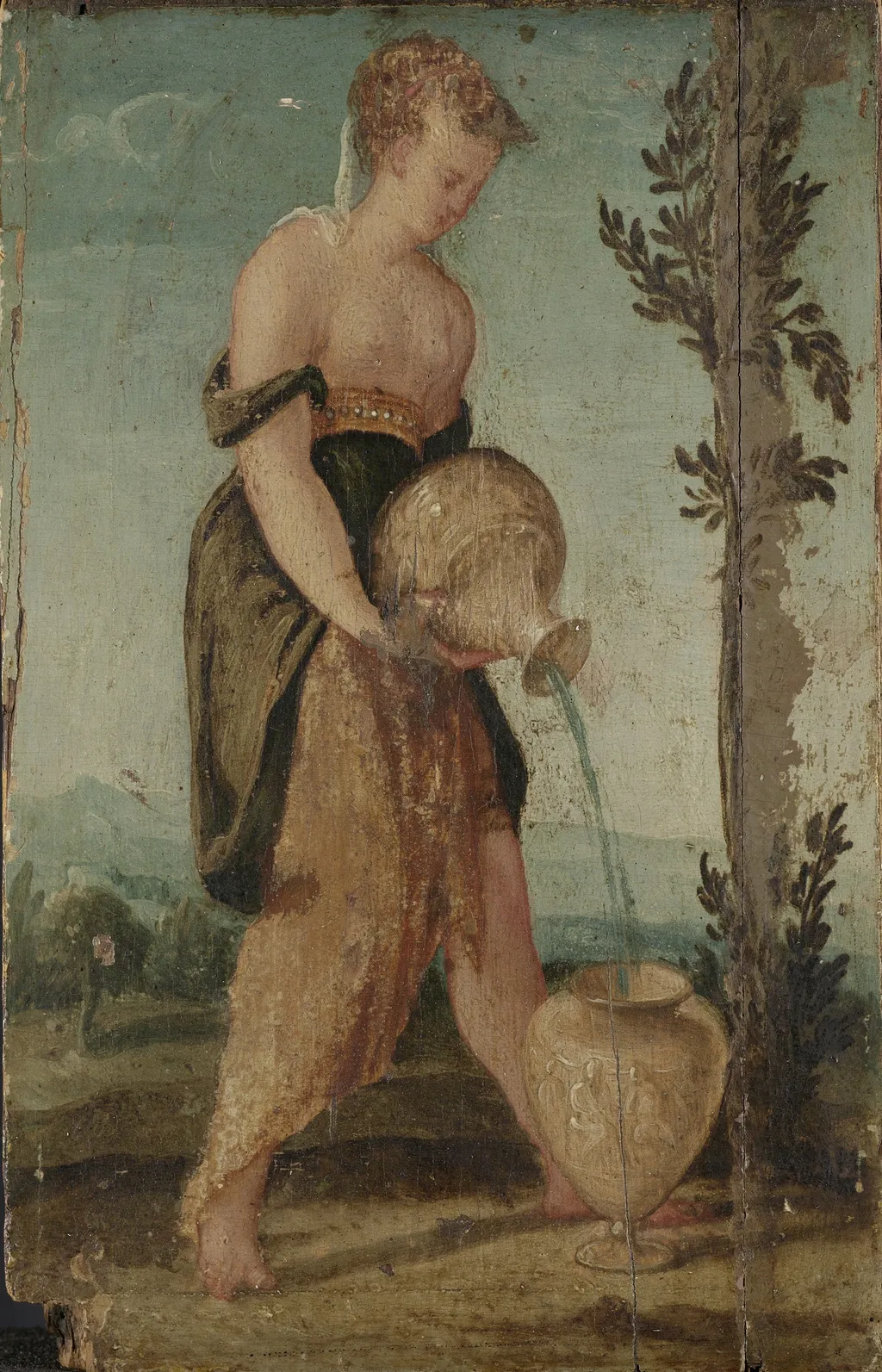
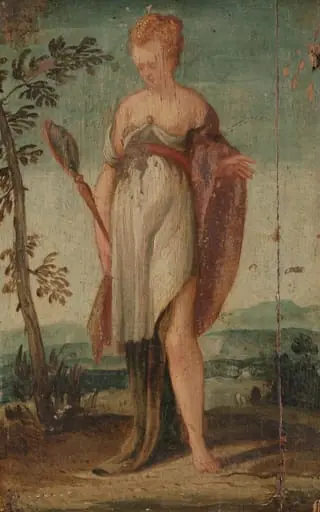
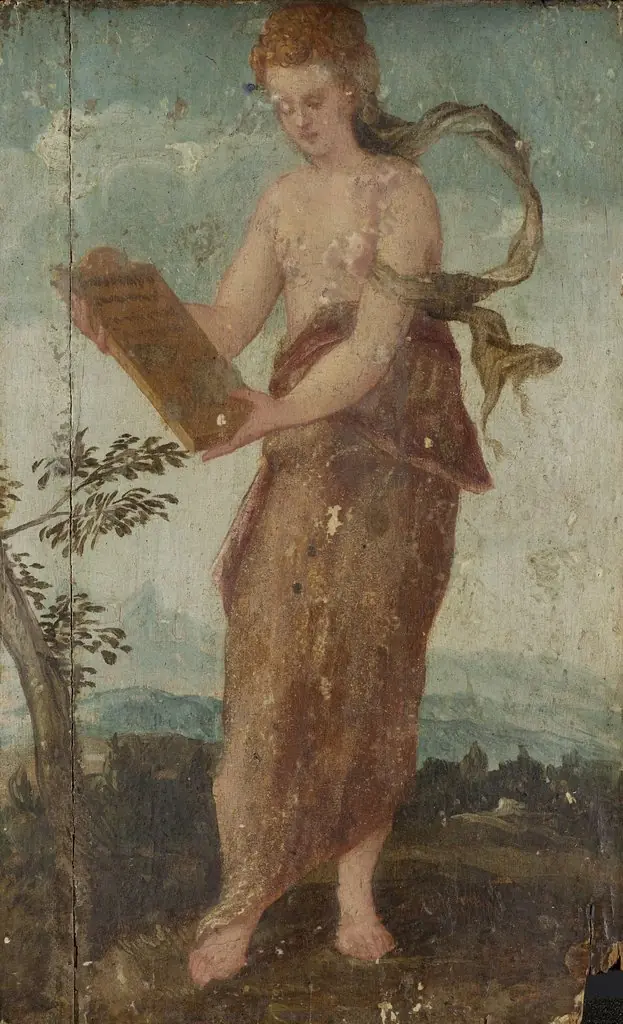
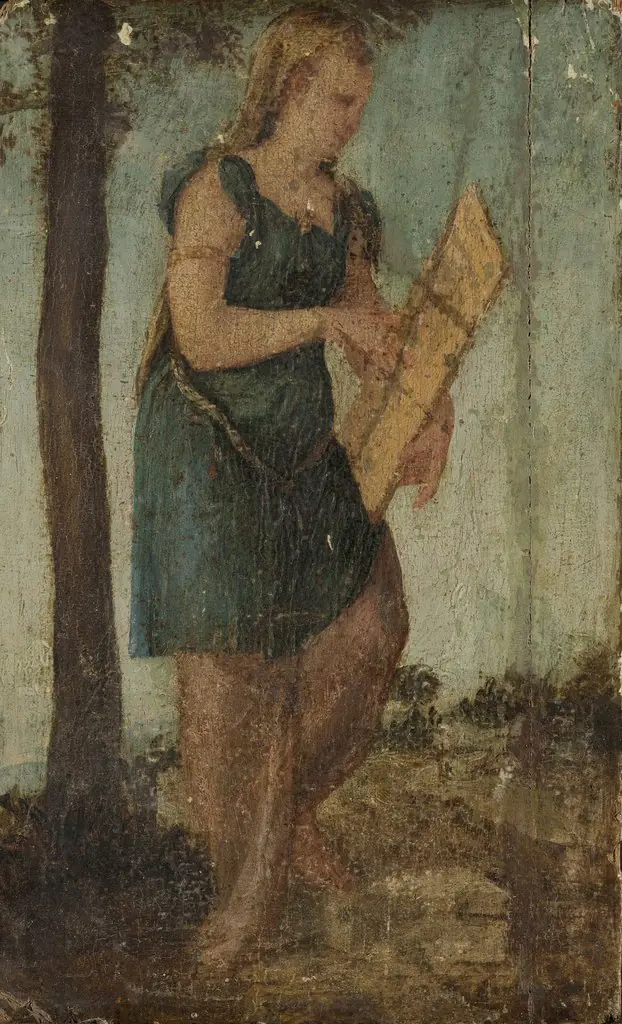
Woman with Water Jug is an oil painting by the Mannerist artist Lambert Sustris. It dates from 1550 and is held in the collection of the Rijksmuseum.
About this work
Overview
Woman with Water Jug, created circa 1550 by Lambert Sustris, is an oil painting depicting a serene scene of a woman pouring water from a jug into a smaller vessel, set against a tranquil landscape.
Subject & Meaning
The subject, a woman in a dark, off-the-shoulder gown with a gold belt, embodies subtle elegance. Her action of pouring water conveys a sense of everyday life infused with calmness, characteristic of Mannerist emphasis on refined, elongated figures and poetic scenes.
Technique & Style
The painting exhibits Mannerist stylistic traits, possibly influenced by Parmigianino, alongside potential chiaroscuro techniques. Sustris's training in Titian’s studio is evident in the balanced composition, harmonious color use, and effective play of light and shadow.
History & Provenance
Created during Sustris's time in Venice, the work reflects his evolution from Titian’s influence to adopting Mannerist styles. It is now part of the Rijksmuseum's collection.
Context
Executed in 16th-century Venice, the piece situates itself within the broader Mannerist movement, distinguished by its refined figures and elegant simplicity, contrasting with the preceding High Renaissance.
Legacy
As a Mannerist work, *Woman with Water Jug* contributes to the understanding of the movement's spread and evolution, particularly among artists influenced by both Italian and Northern European traditions.
Artist & collection
Artist
Lambert Sustris (c. 1515/1520 – c. 1584) was a Dutch painter active mainly in Venice. The works Sustris completed in Italy exhibit either a Mannerist style or qualities that may be deemed proto-Baroque. He is also…

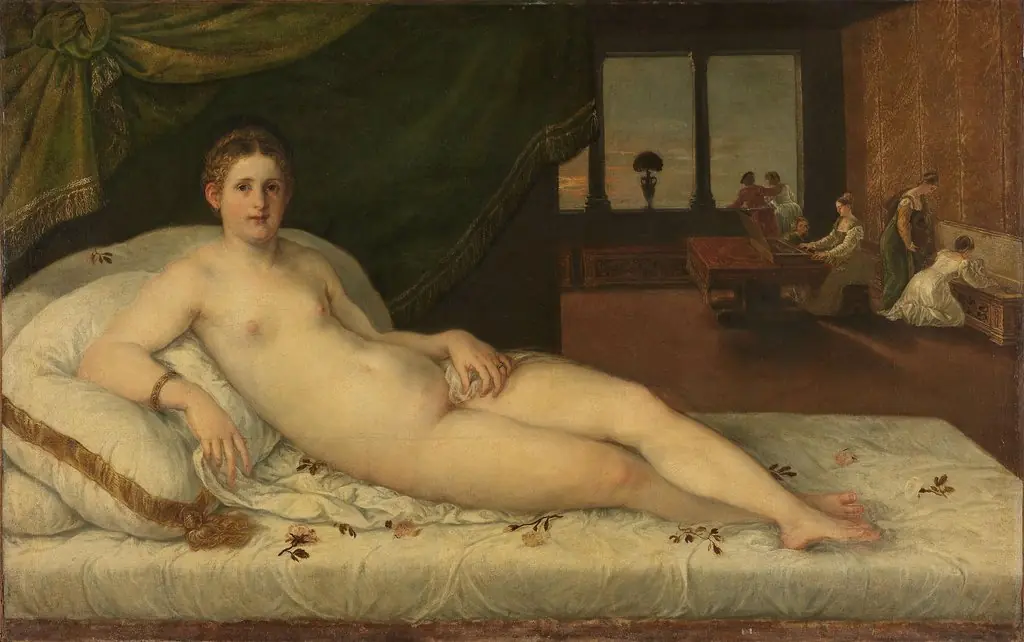 Reclining Venus
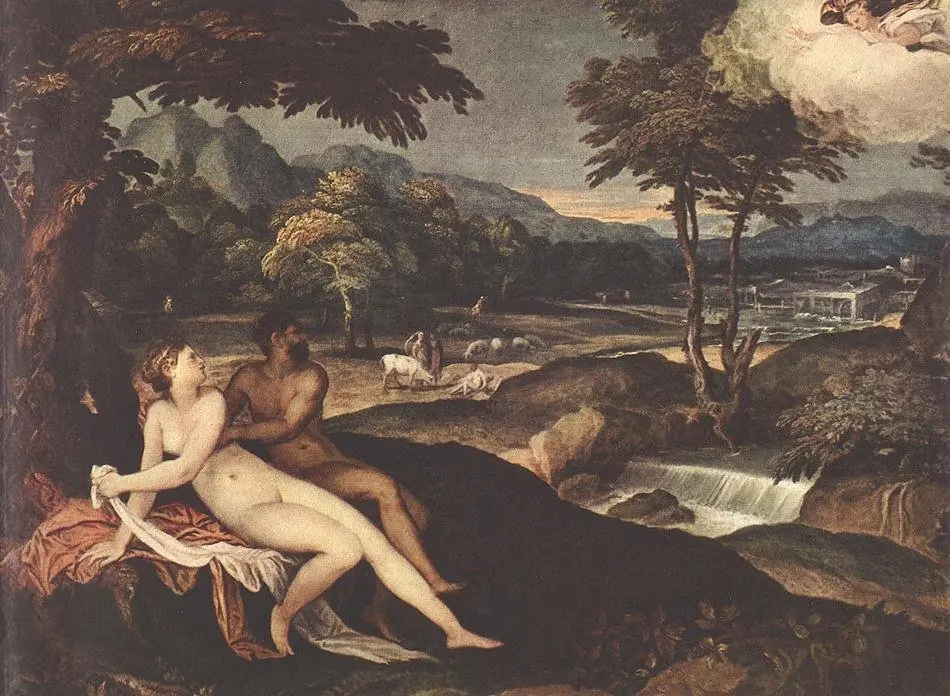 Landscape with Jupiter and Io
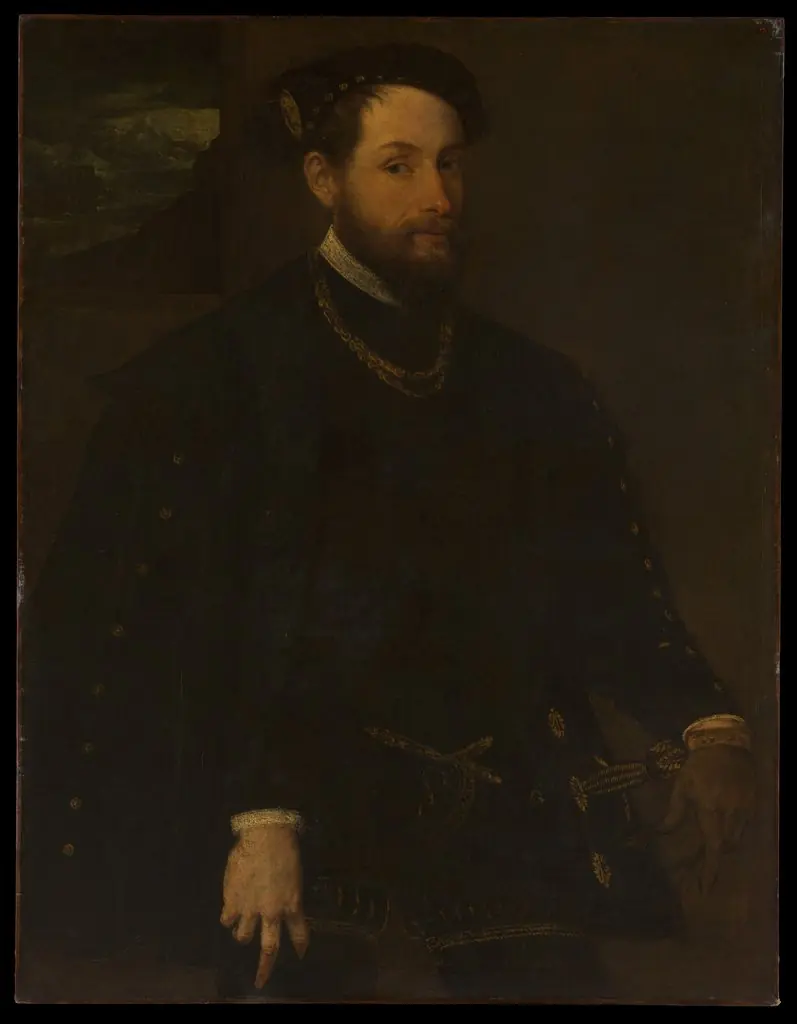 Portrait of a Man
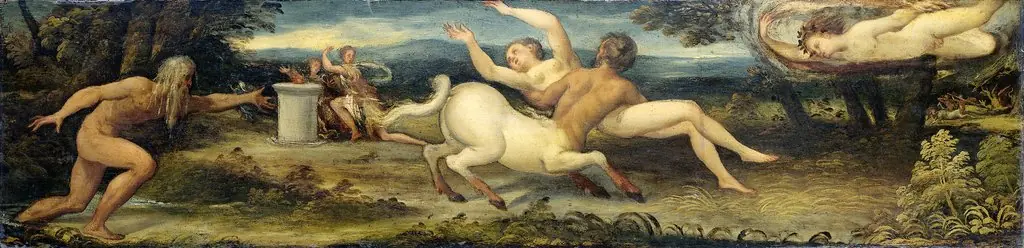 Nessus and Deianira
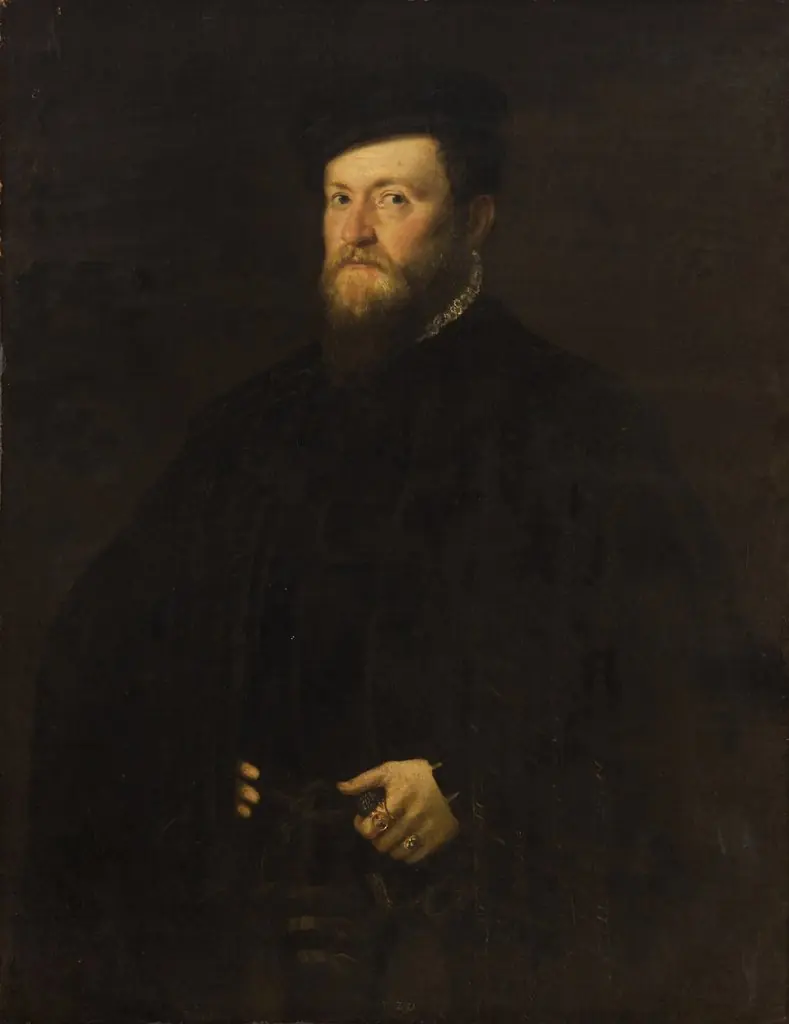 Portrait of a Man in a Cape
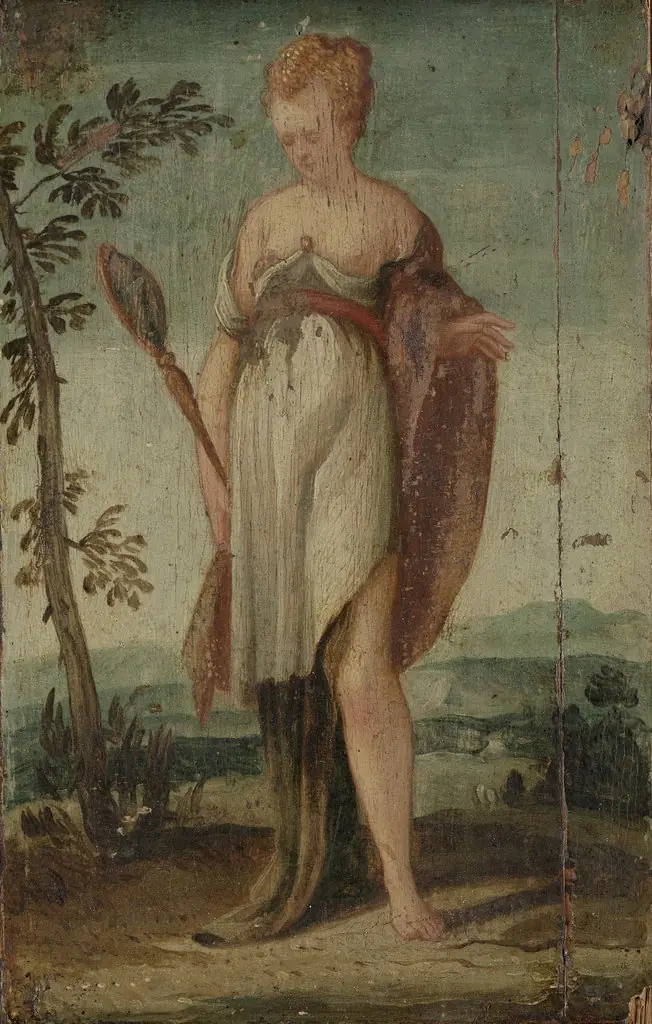 Woman with Mirror
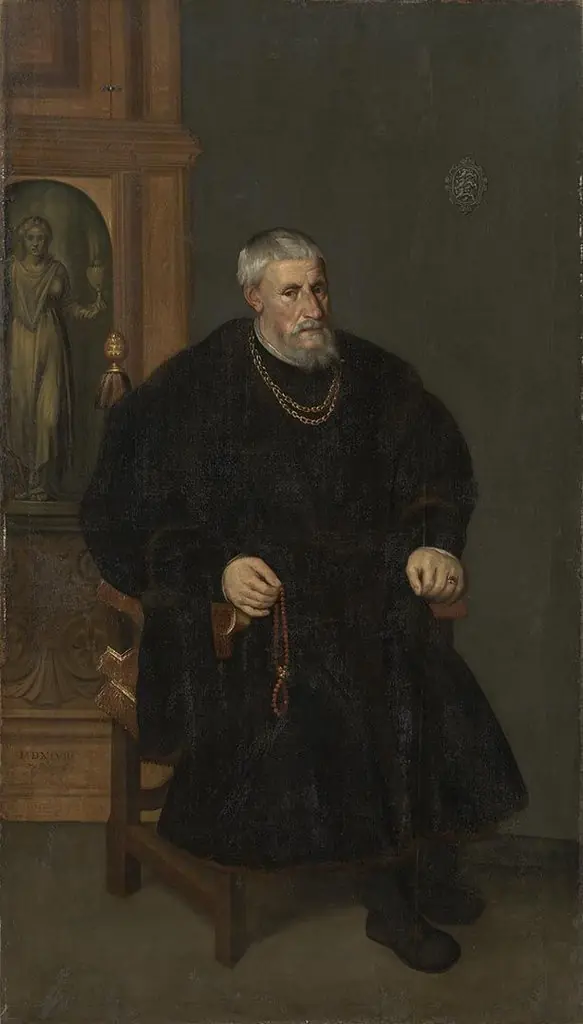 Bildnis des Wilhelm der Ältere, Reichserbtruchsess, Freiherr zu Waldburg, Herr zu Scheer und Trauchburg (1469-1557)
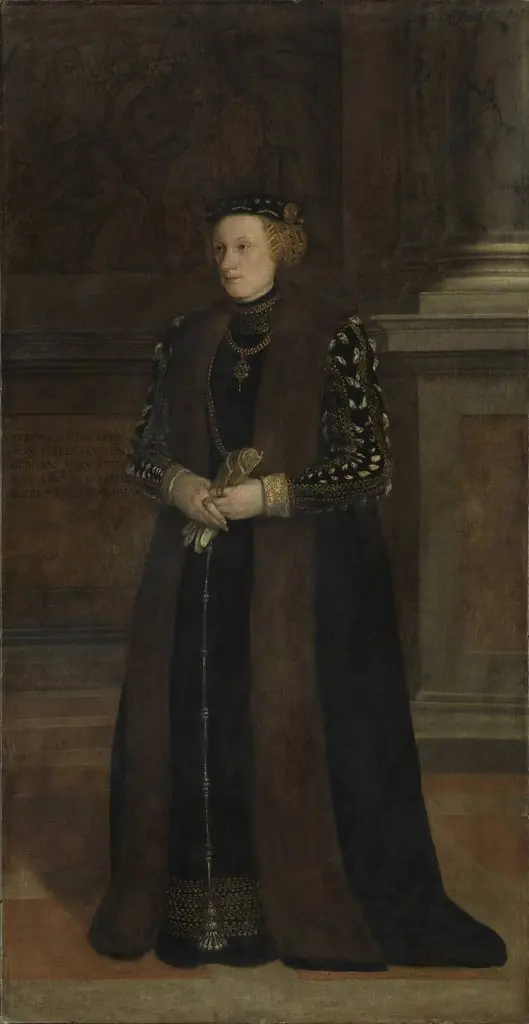 Veronika Vöhlin, geb. von Freyberg zum Eisenberg, Hallenwang und Neidlingen (1523-1582)