Artwork
Portrait of Antoni Bałutowski
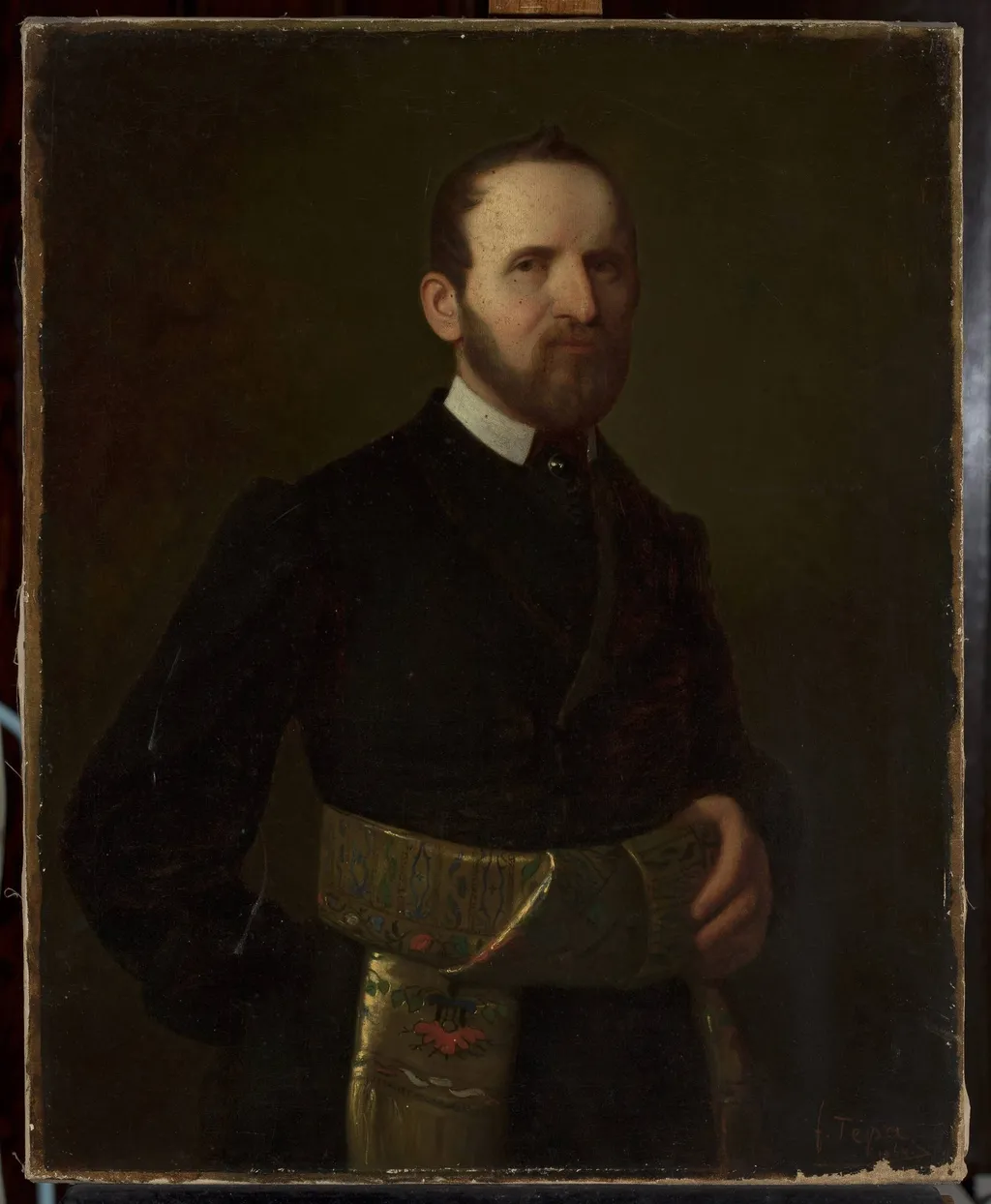
Portrait of Antoni Bałutowski is an oil painting by the Realist artist Franciszek Tepa. It dates from 1864 and is held in the collection of the National Museum in Warsaw.
About this work
Overview
It is part of the National Museum in Warsaw’s collection, where it contributes to the documentation of 19th-century Polish civic identity through portraiture.
Painted in 1864 by Franciszek Tepa, this oil portrait depicts Antoni Bałutowski, a Polish figure associated with the November Uprising. Executed in the realist tradition, the work reflects Tepa’s focus on individuals tied to Poland’s national struggles. It is part of the National Museum in Warsaw’s collection, where it contributes to the documentation of 19th-century Polish civic identity through portraiture.
Subject & Meaning
Antoni Bałutowski is portrayed in formal attire—a black jacket, white shirt, and gold sash—elements signaling status and possibly military or ceremonial rank. His hand resting on a sword suggests a connection to armed resistance, aligning with the broader context of Polish uprisings against partitioning powers. The portrait does not idealize but presents a composed, dignified presence, emphasizing personal resolve over grandeur.
Technique & Style
Tepa employed traditional oil painting methods to render subtle tonal shifts in fabric and skin, characteristic of mid-19th-century realism. The composition is restrained, with the figure centered against a neutral background, directing focus to the subject’s expression and attire. Brushwork is precise but not overly detailed, favoring clarity and psychological presence over ornamental flourish.
History & Provenance
The painting was completed in 1864, during a period of cultural consolidation in partitioned Poland. It entered the National Museum in Warsaw’s holdings in the late 19th or early 20th century, likely through state or institutional acquisition. Its preservation reflects efforts to maintain visual records of national figures amid political suppression.
Context
Tepa, active during and after the Revolutions of 1848, frequently portrayed participants in Poland’s uprisings. This portrait aligns with a broader artistic trend of honoring individuals who resisted foreign rule, serving as quiet acts of cultural memory. The choice of attire and pose reflects the symbolic language used by Polish elites to assert identity under occupation.
Legacy
Though not widely exhibited outside Poland, the portrait remains a representative example of Tepa’s portraiture and the realist approach to national subjects. It contributes to scholarly understanding of how visual art preserved the memory of political figures during a time when public commemoration was constrained by foreign authorities.
Artist & collection
Artist
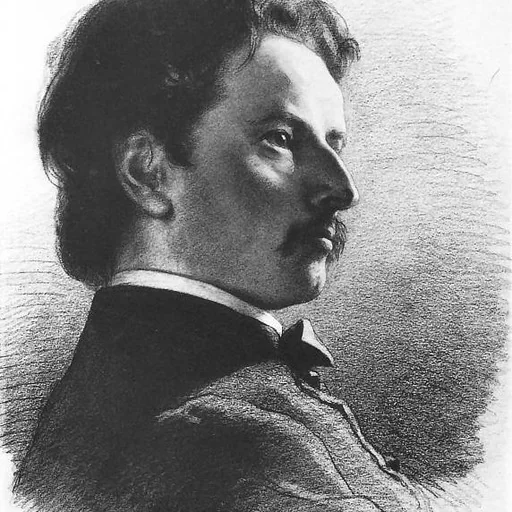
Franciszek Tomasz Tepa (17 September 1829, in Lwów – 23 December 1889, in Lwów) was a Polish mid-19th century realist painter who specialized in portraits and Orientalist themes.

 Portret Carol Davila
 Kemény Zsigmond
 Προσωπογραφία του Ανδρέα Λουριώτη
 Pinder, Julius Hermann
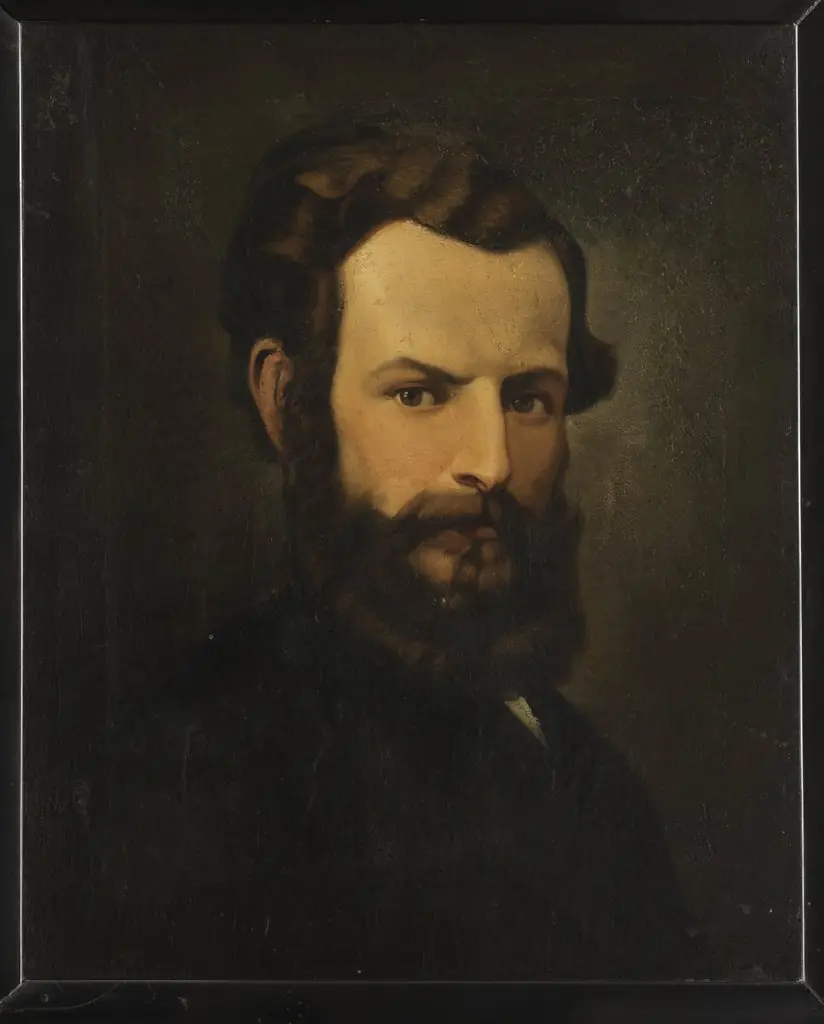 Portrait of Rafał Krajewski, member of the National Government in 1863
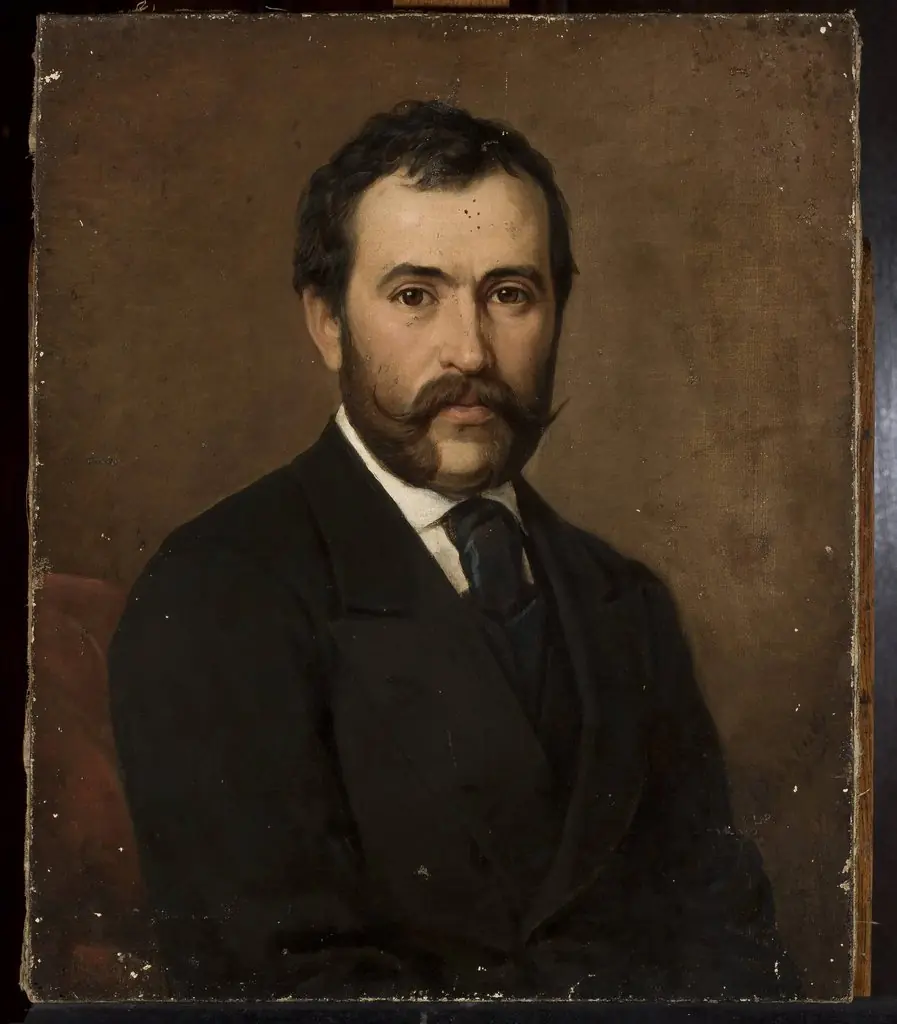 Male portrait
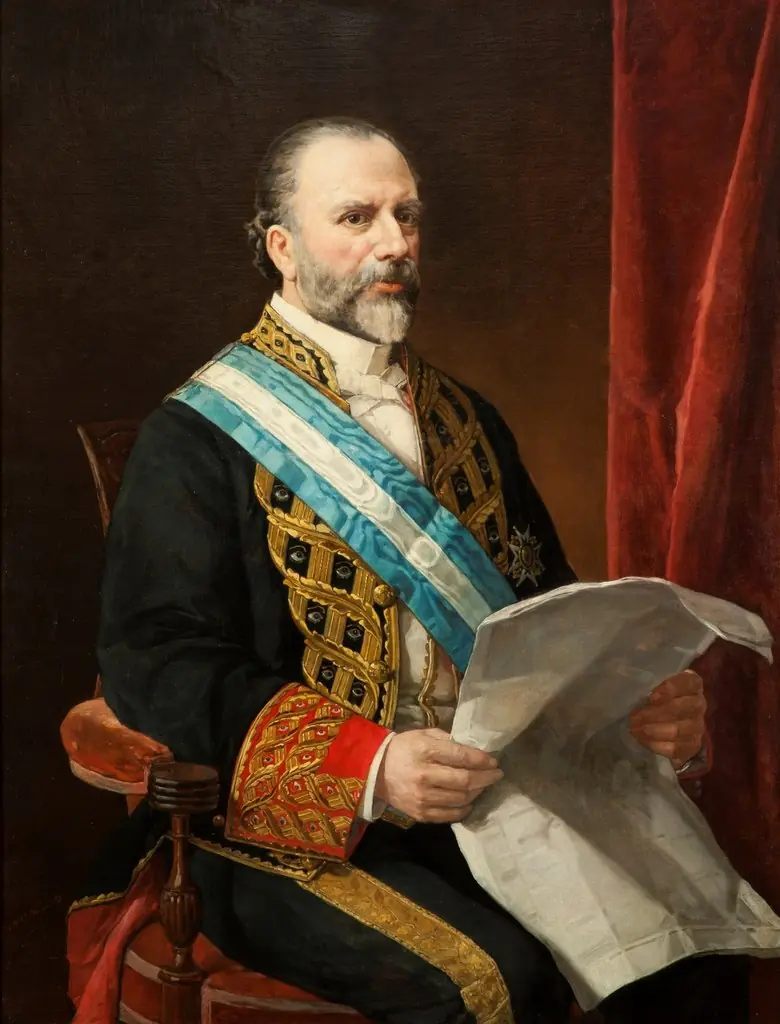 Salvador Albacete ministro de Ultramar
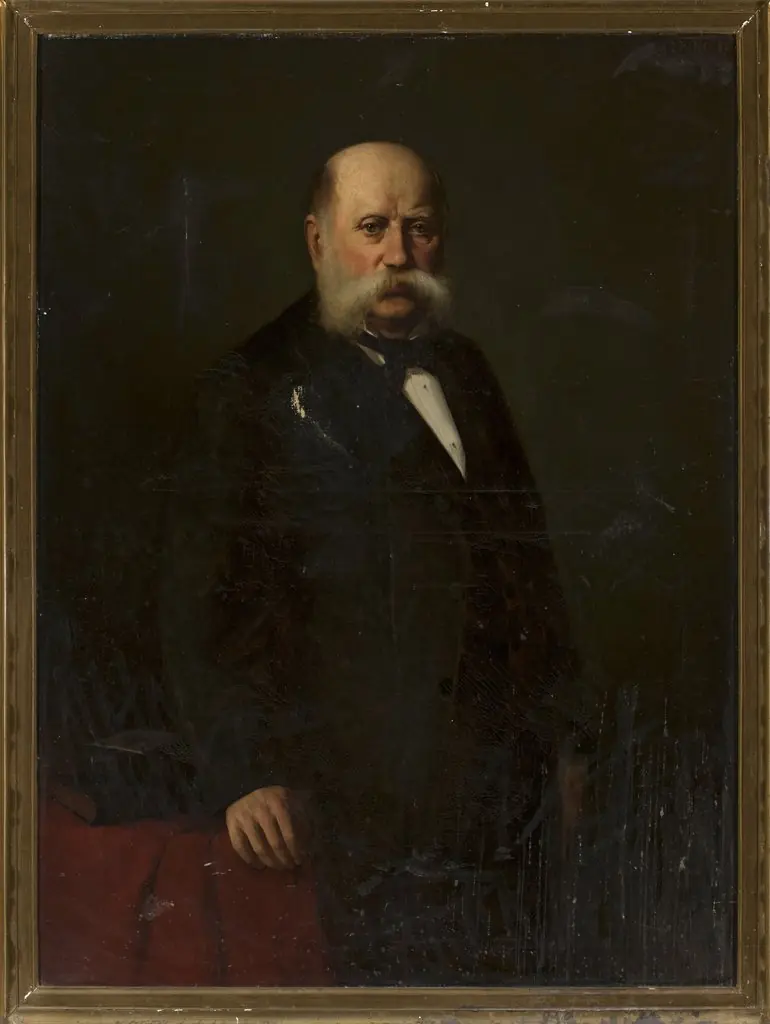 Portrait of a man with grey side-whiskers
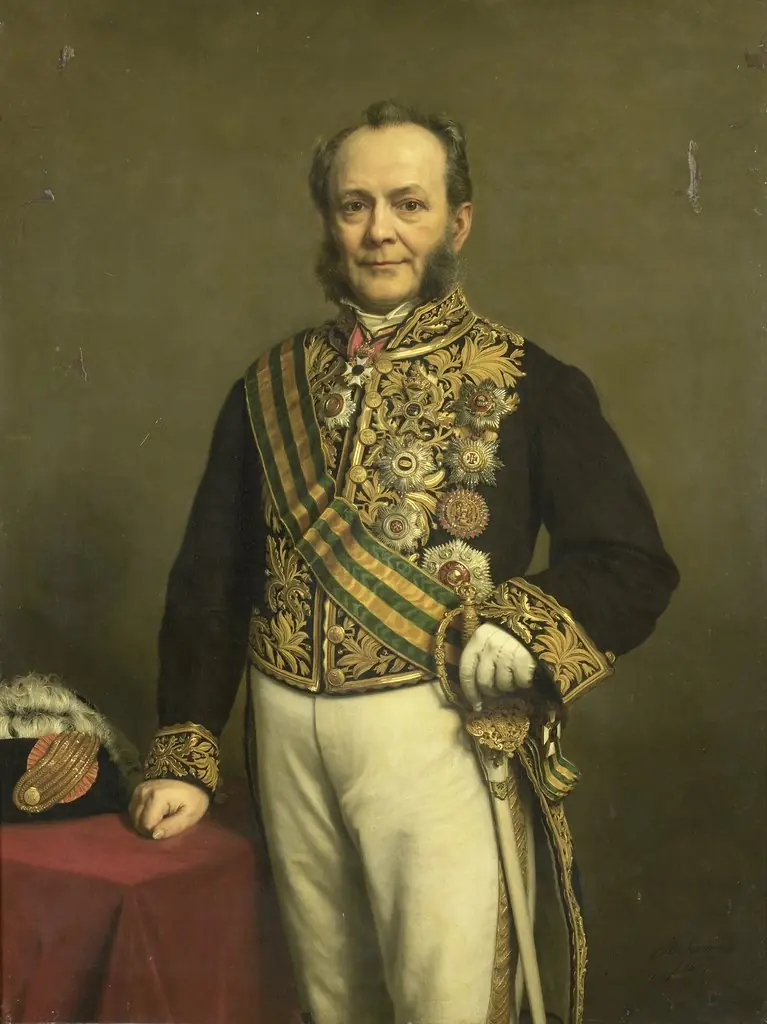 Pieter Mijer (1812-81). Gouverneur-generaal (1866-71)
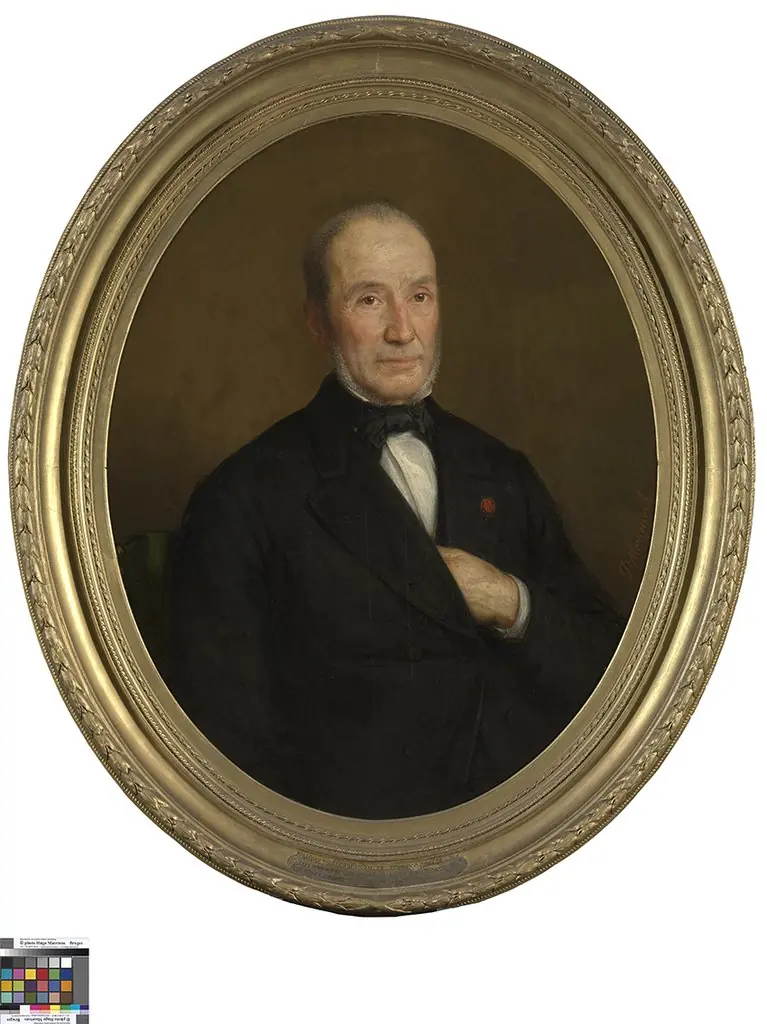 Portret van Auguste Waets
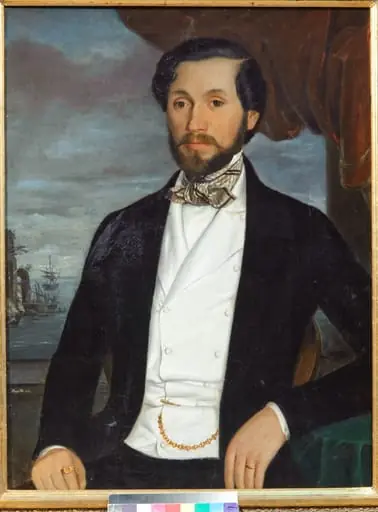 Portretul pictorului Carol Popp de Szathmári
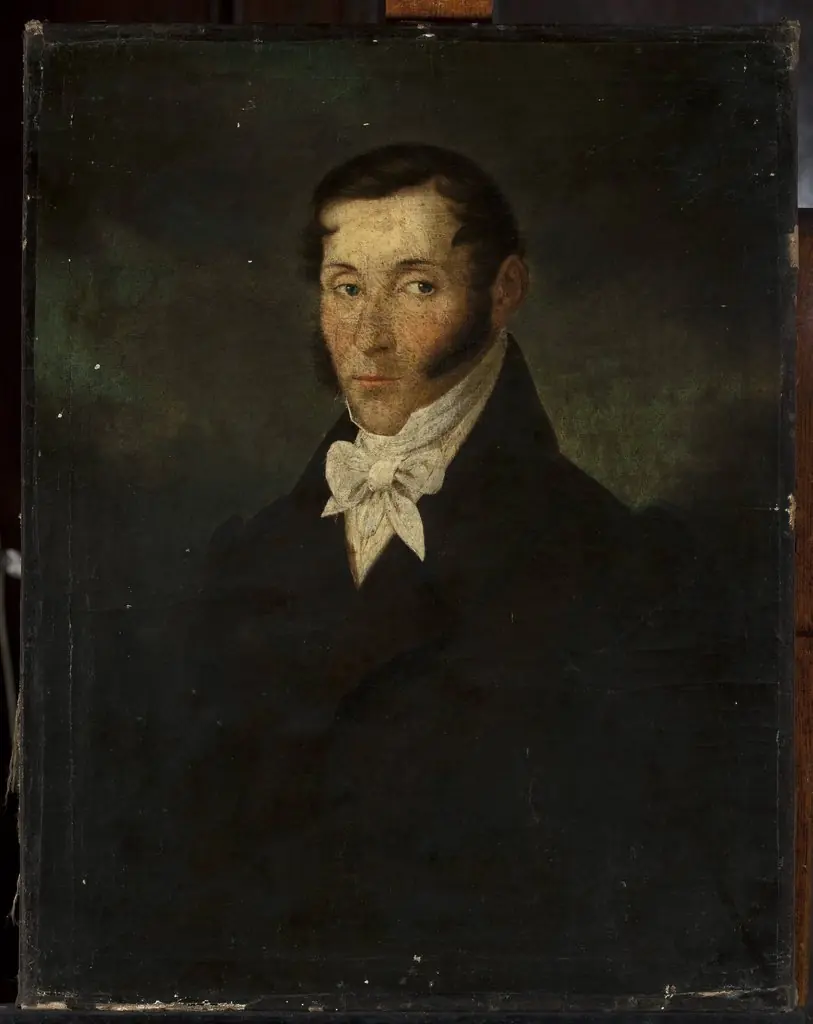 Portrait of Antoni Olechowski