Artwork
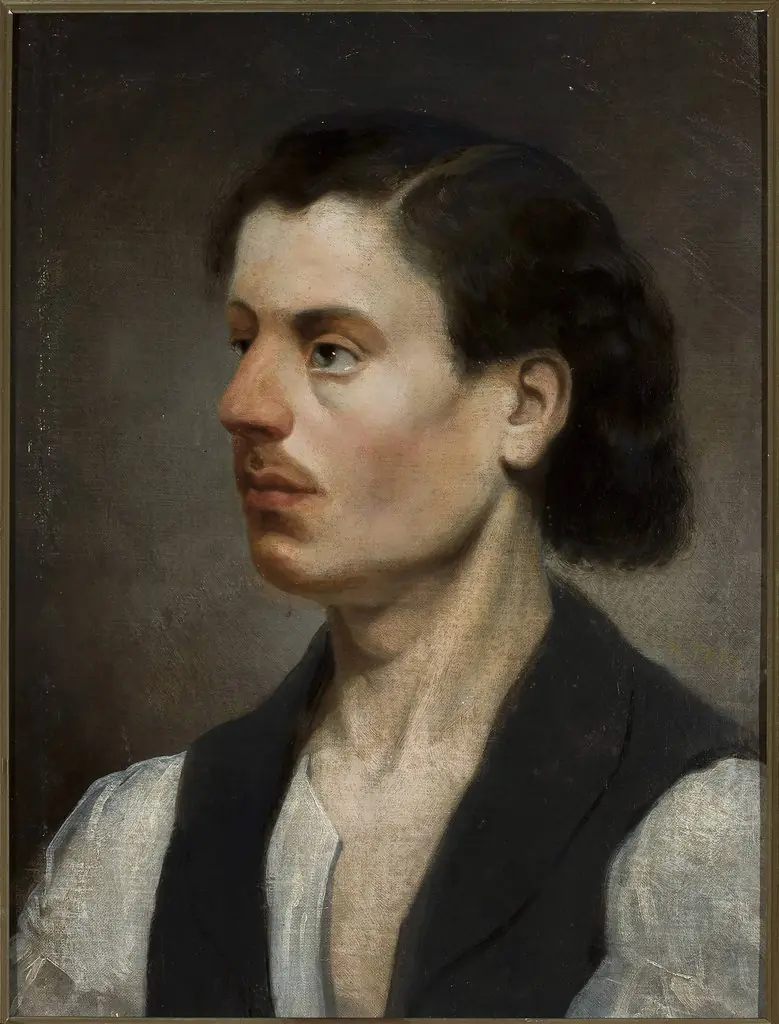
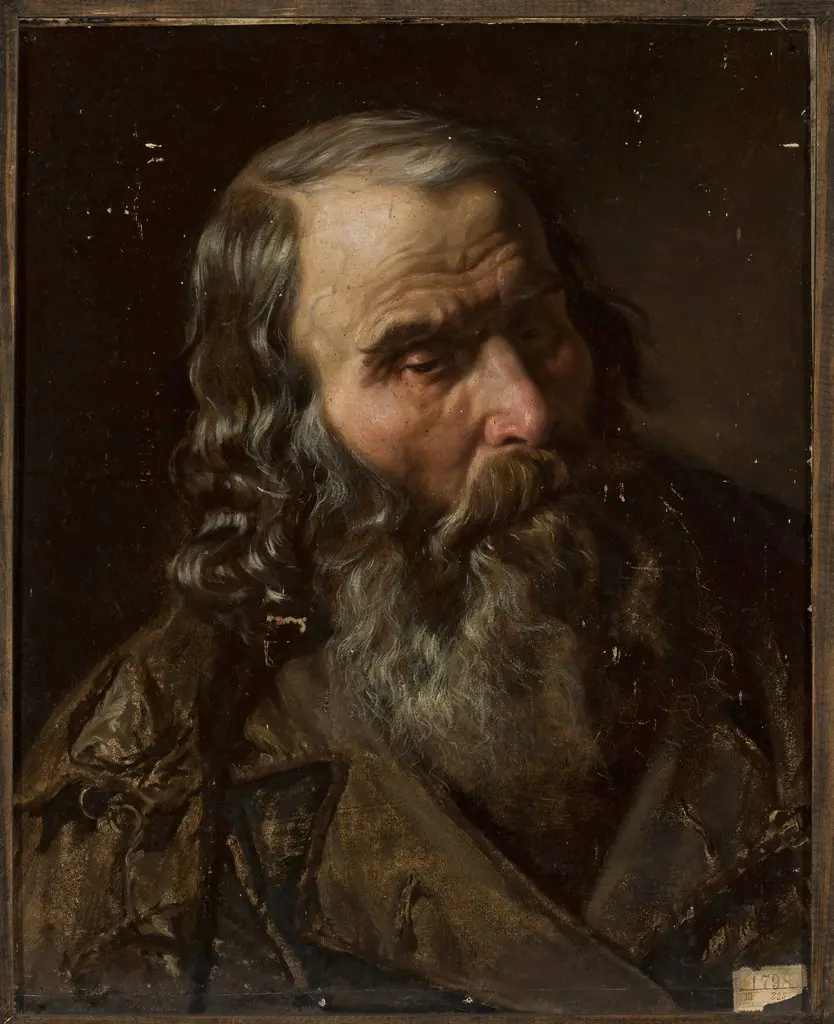
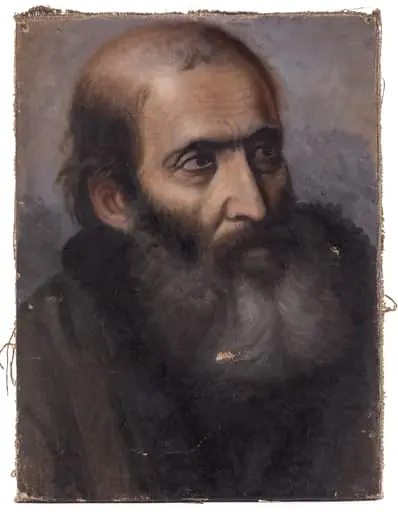
Head of a Highlander
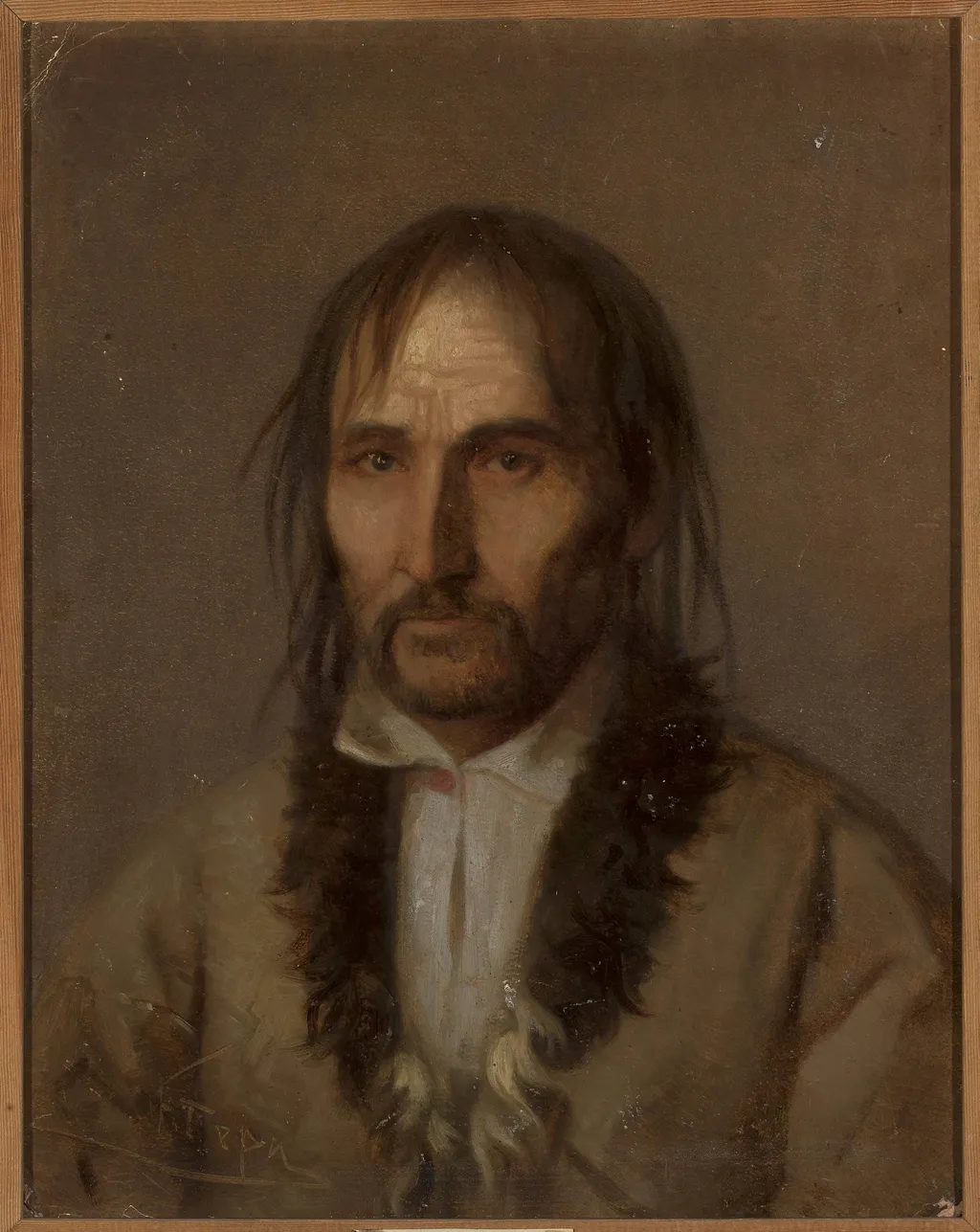
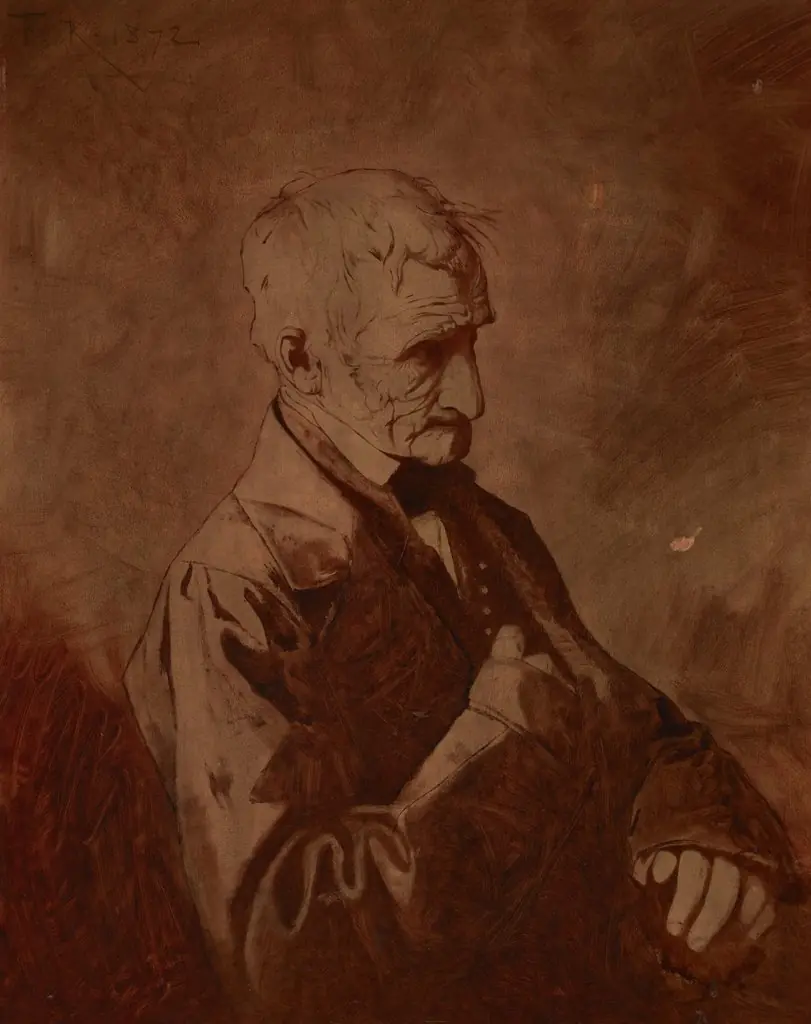
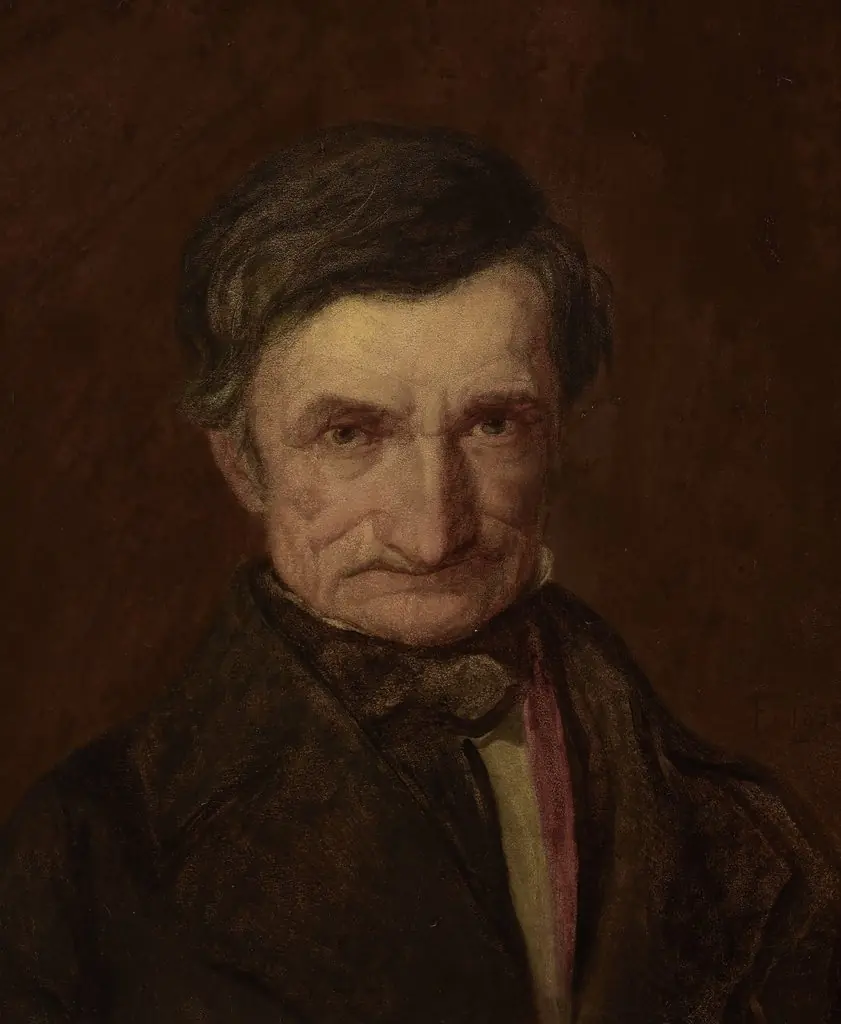
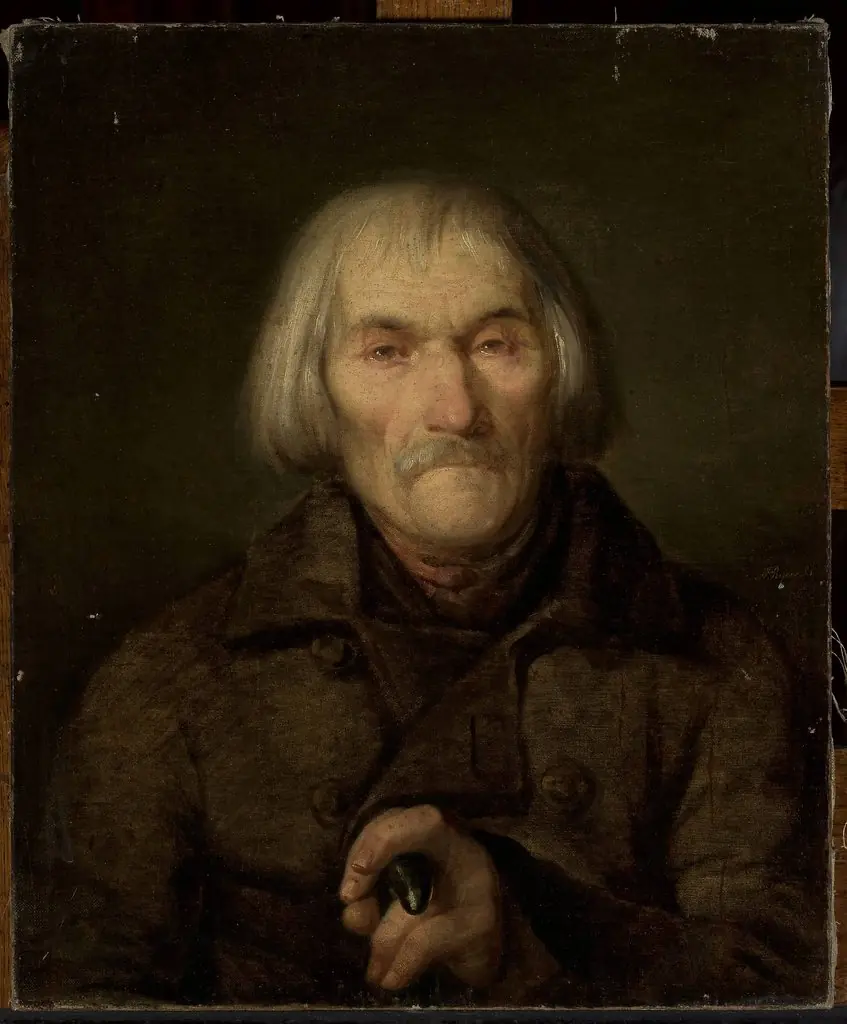
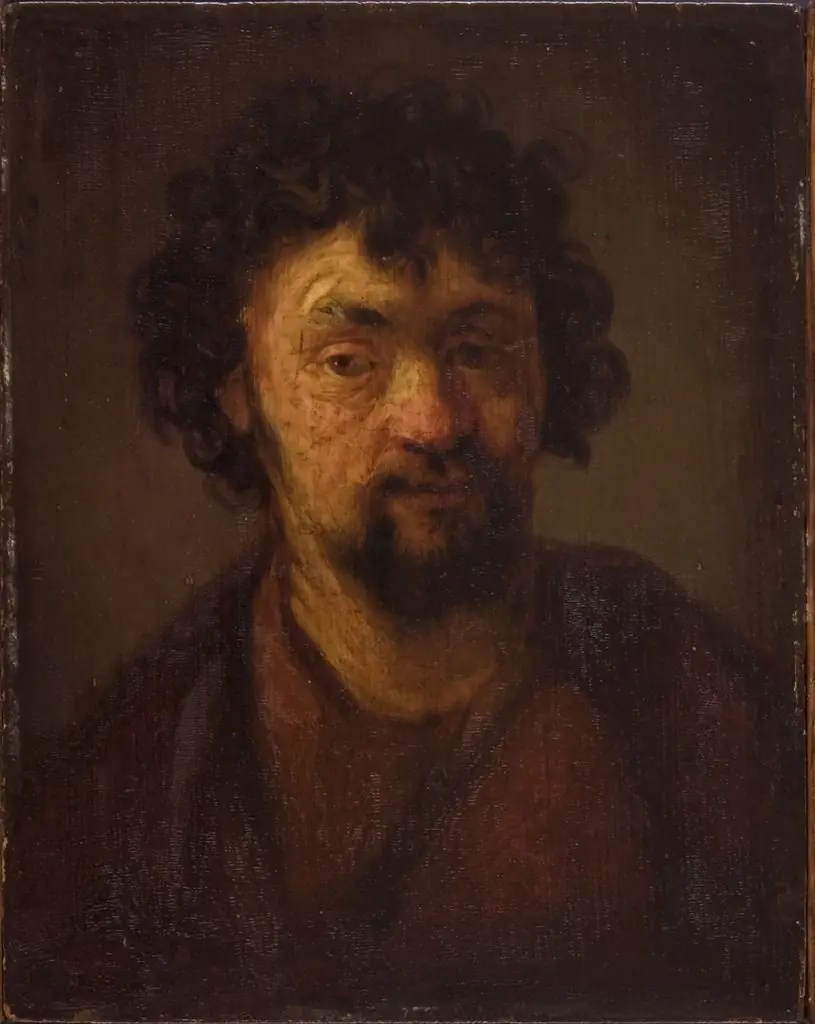
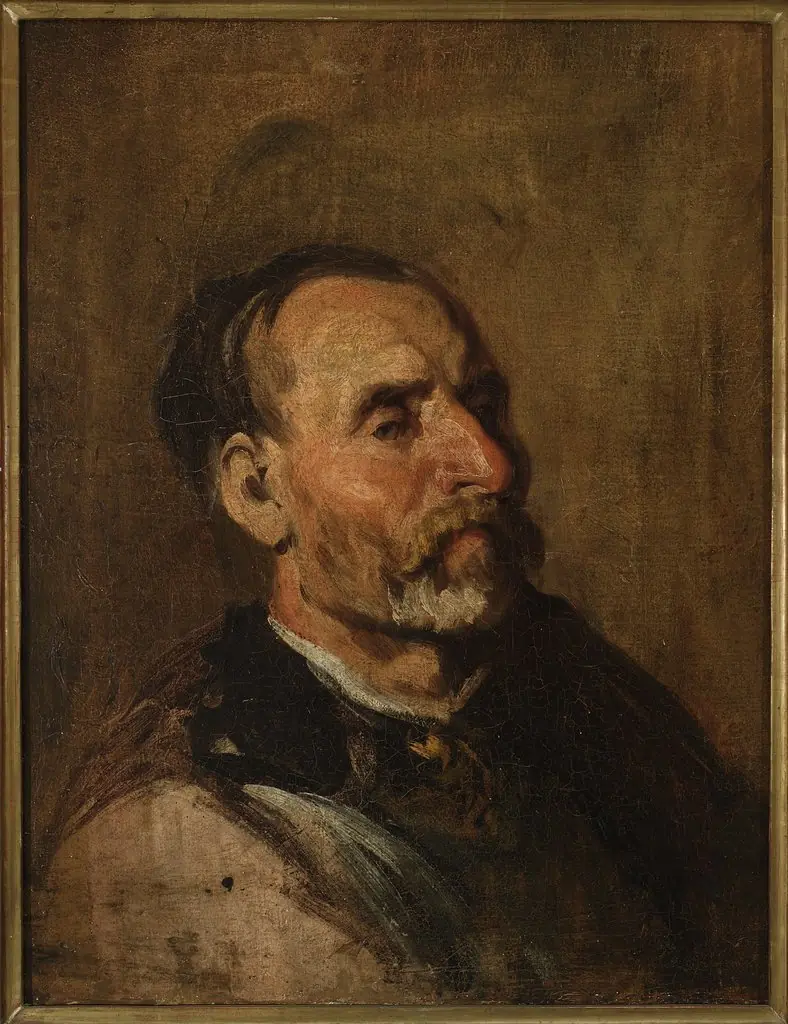
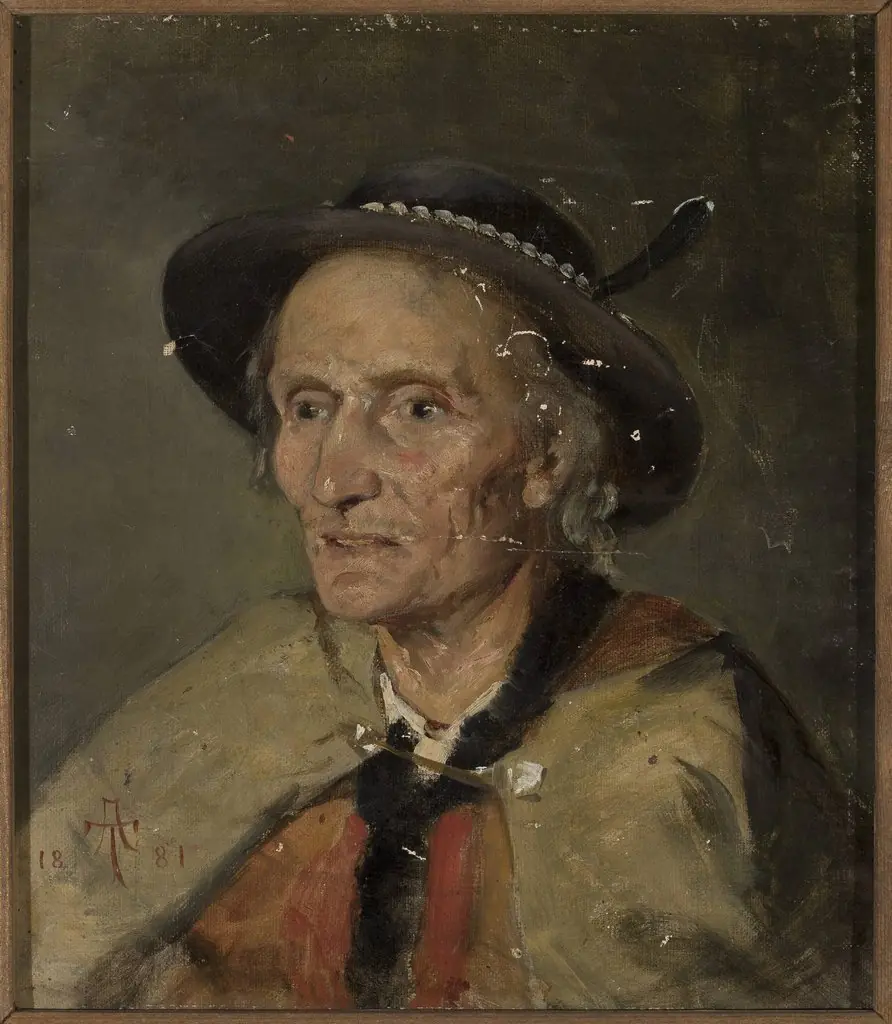
Head of a Highlander is an oil painting by Franciszek Tepa. It dates from 1869 and is held in the collection of the National Museum in Warsaw.
About this work
Overview
Painted around 1869 by Polish artist Franciszek Tomasz Tepa, this oil on canvas portrait captures a man from the Highlander regions of southern Poland.
Painted around 1869 by Polish artist Franciszek Tomasz Tepa, this oil on canvas portrait captures a man from the Highlander regions of southern Poland. Tepa, trained in realism and known for his portraiture, rendered the subject with careful attention to physical detail and psychological presence. The work resides in the National Museum in Warsaw, reflecting its cultural significance within Polish artistic heritage.
Subject & Meaning
The subject is a man of the Highlander community, identifiable by his traditional attire and rugged features. His direct gaze and solemn expression convey dignity and quiet resilience, possibly evoking the spirit of regional identity during a time of political upheaval. Tepa, himself a former political prisoner, may have intended the portrait as a quiet tribute to enduring cultural character amid national struggle.
Technique & Style
Tepa employed chiaroscuro to model the face with strong contrasts between light and shadow, enhancing the three-dimensionality of the subject’s features. The muted brown background isolates the figure, focusing attention on his textured skin, long beard, and white linen shirt. Brushwork is restrained yet precise, emphasizing realism over ornamentation, consistent with the artist’s broader commitment to truthful representation.
History & Provenance
Created in the aftermath of the 1848 uprisings, the painting emerged during a period when Polish artists often turned to regional identities as subtle acts of cultural preservation. Tepa, who had been imprisoned for his nationalist activities, likely approached this portrait with personal resonance. The work entered the National Museum in Warsaw’s collection in the late 19th century, where it remains part of its permanent holdings.
Context
In the mid-19th century, Polish artists increasingly turned to ethnographic subjects as national identity was suppressed under foreign partitions. Highlanders, with their distinct dress and customs, became symbols of authentic Polish heritage. Tepa’s portrait aligns with this trend, offering a dignified, unidealized depiction that resists romanticized stereotypes while affirming regional pride.
Legacy
Though not widely exhibited outside Poland, the portrait exemplifies Tepa’s contribution to Polish realism and his role in documenting regional life during a politically fragile era. It stands as a quiet testament to the power of portraiture in preserving cultural memory, influencing later generations of artists who sought to represent the Polish people with honesty and depth.
Artist & collection
Artist
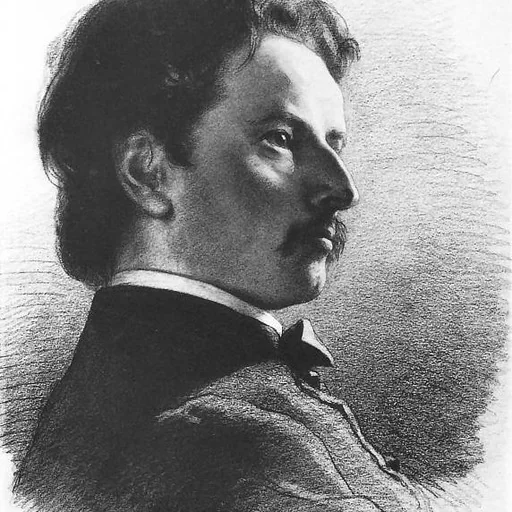
Franciszek Tomasz Tepa (17 September 1829, in Lwów – 23 December 1889, in Lwów) was a Polish mid-19th century realist painter who specialized in portraits and Orientalist themes.