Artwork
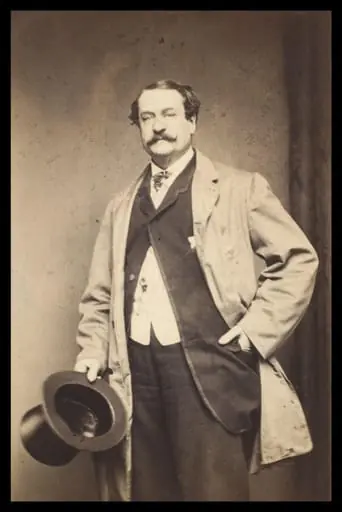
Guy Little Theatrical Photograph
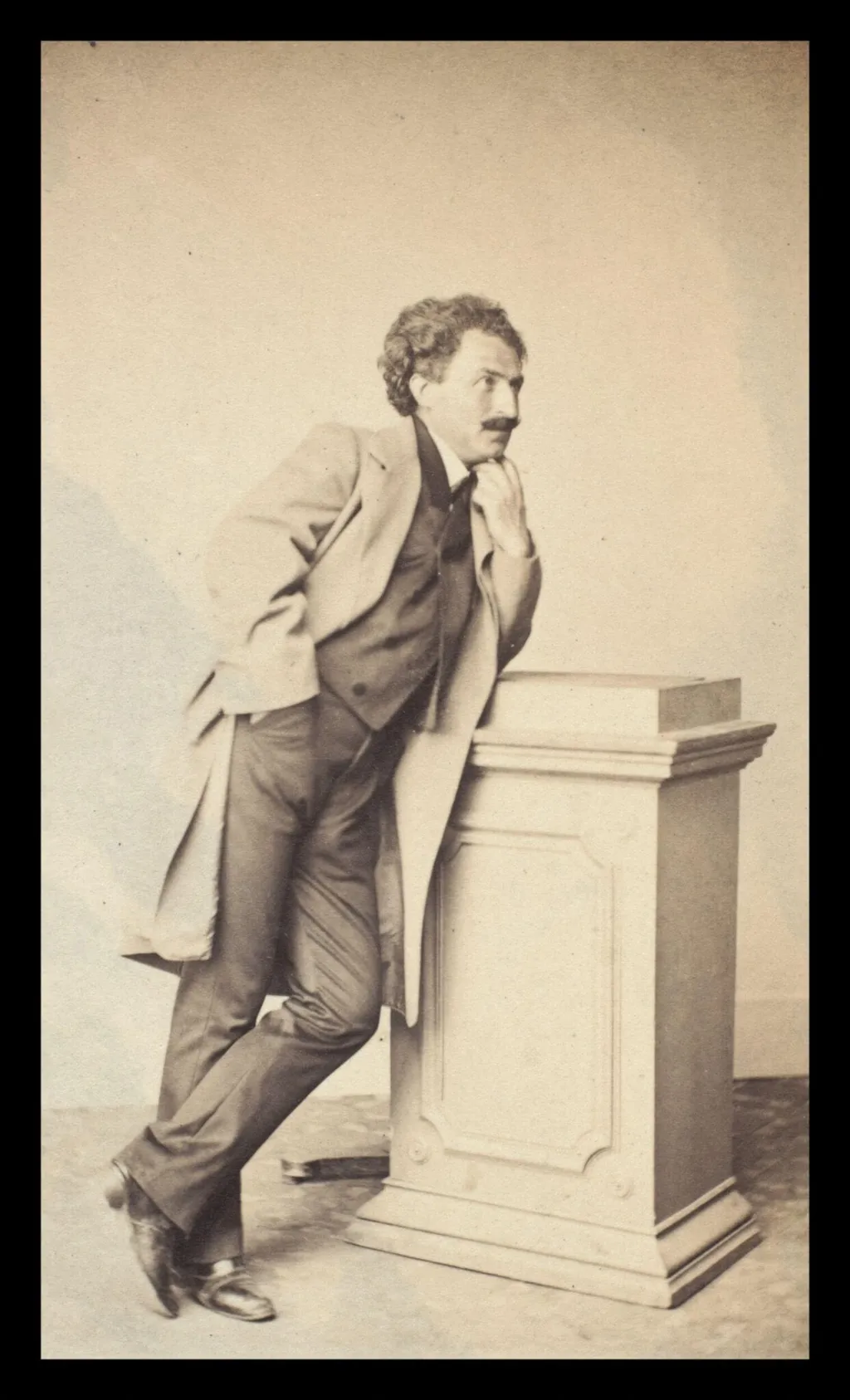
Guy Little Theatrical Photograph is a photographic photography by the Impressionist artist Frans Francken the Younger. It is held in the collection of the Victoria and Albert Museum. This photograph is part of a personal collection assembled by Guy Tristram Little, a solicitor and avid collector of visual ephemera.
About this work
Overview
This photograph is part of a personal collection assembled by Guy Tristram Little, a solicitor and avid collector of visual ephemera.
This photograph is part of a personal collection assembled by Guy Tristram Little, a solicitor and avid collector of visual ephemera. It was removed from its original card mount and preserved in an album alongside hundreds of similar images. Little bequeathed the collection to the Victoria and Albert Museum in 1953, where it contributes to the institutional archive of Victorian and Edwardian theatrical culture.
Subject & Meaning
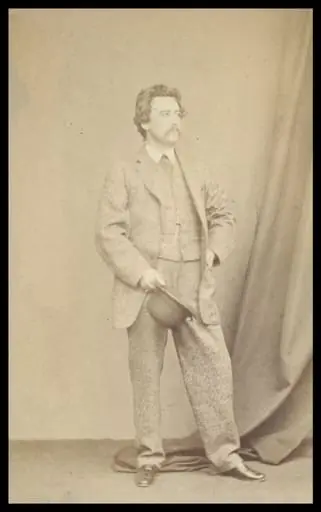
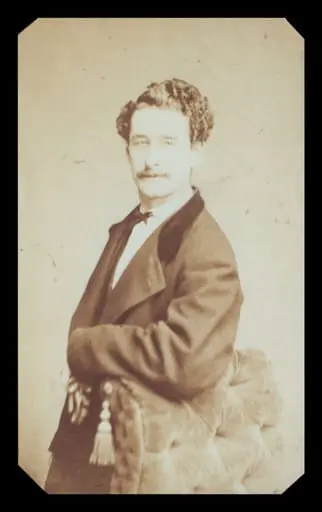
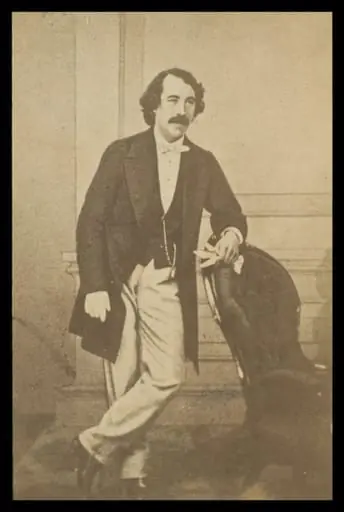
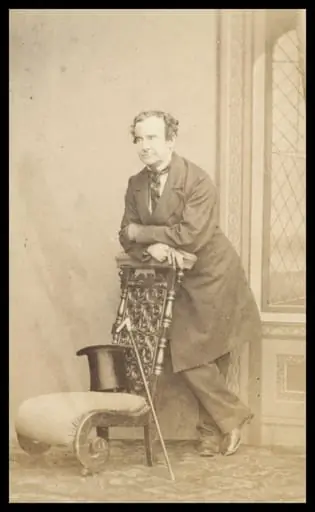
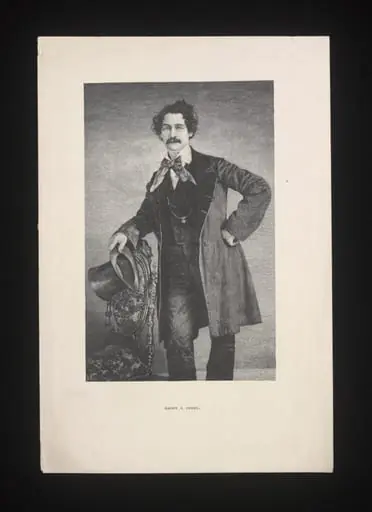
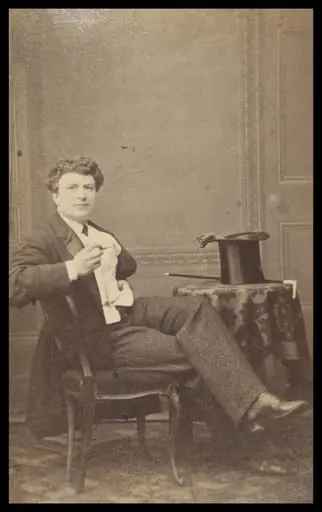
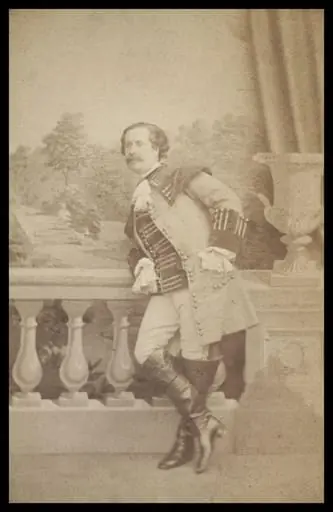
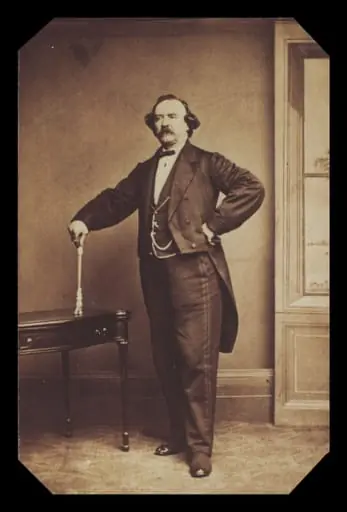
The image depicts M. Omer, a performer whose stage identity was captured for public circulation. Such portraits served as both promotional tools and personal mementos, allowing audiences to connect with actors beyond the theater. The choice of costume or attire reflects the performer’s public persona, blurring the line between private individual and theatrical character.
Technique & Style
The photograph is an albumen print made from a glass negative, typical of mid-to-late 19th-century studio practice. It was originally mounted on cardstock bearing the photographer’s imprint, a standard format for cartes de visite or cabinet cards. The print’s fine detail and tonal range reflect the technical precision of commercial photography studios of the era.
History & Provenance
The image was once part of a commercial photographic series distributed for private collection. Guy Little removed it from its original backing and integrated it into a curated album, preserving it outside its original commercial context. His collection, later donated to the V&A, includes thousands of such items, many sourced from theatrical circles through his connection to Gabrielle Enthoven.
Context
During the Victorian period, cartes de visite became a mass phenomenon, enabling the middle class to collect images of celebrities, landscapes, and artworks. Theatrical portraits were especially popular, reflecting the era’s fascination with performance and public identity. By the 1880s, larger cabinet cards replaced them, and by the 1890s, postcards began to dominate as the preferred format for personal and commercial imagery.
Legacy
Little’s collection preserves a snapshot of how theatrical imagery was consumed and archived in the 19th and early 20th centuries. His role as executor of Enthoven’s estate ensured the transfer of key materials to the V&A, anchoring the museum’s theater holdings in private collecting practices. The photograph, though modest in scale, contributes to a broader understanding of visual culture in the age of mechanical reproduction.
Artist & collection
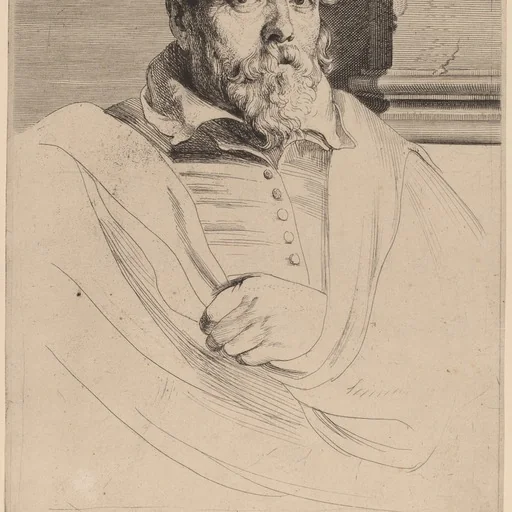
Artist
Frans Francken the Younger (1581, Antwerp – 6 May 1642, Antwerp) was a Flemish painter and the best-known and most prolific member of the large Francken family of artists.