Artwork
The Cumaean Sibyl
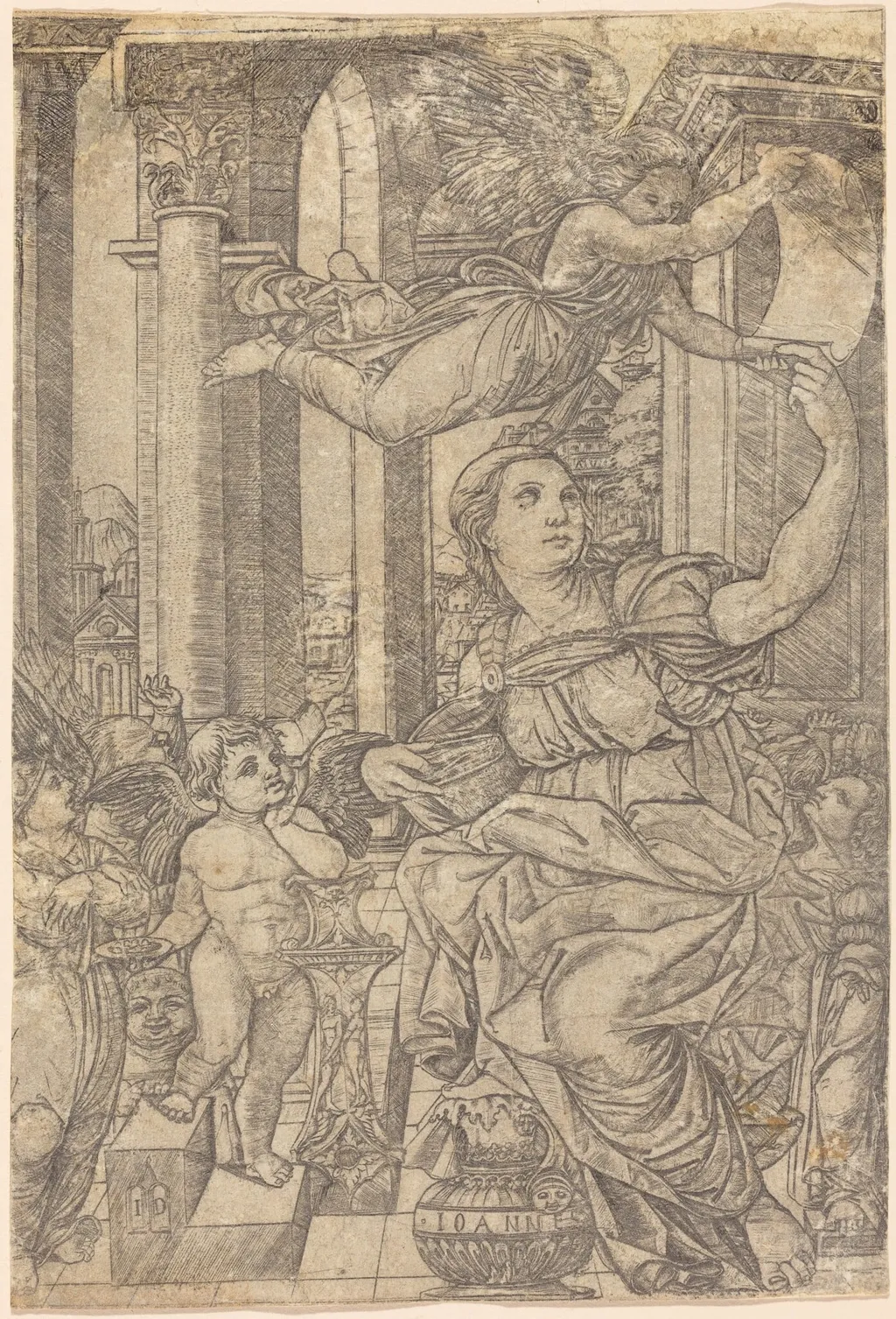
The Cumaean Sibyl is an ink print by the Renaissance artist Jean Duvet. It dates from 1517 and is held in the collection of the National Gallery of Art.
About this work
Overview
One of the earliest significant French printmakers, he worked with limited output, focusing on intricate engravings on laid paper.
Jean Duvet, a French goldsmith and engraver active in the early 16th century, produced *The Cumaean Sibyl* circa 1517. One of the earliest significant French printmakers, he worked with limited output, focusing on intricate engravings on laid paper. His style diverged from the prevailing Renaissance norms, favoring dense, emotionally charged imagery over classical harmony. This print exemplifies his singular approach to religious and prophetic subjects.
Subject & Meaning
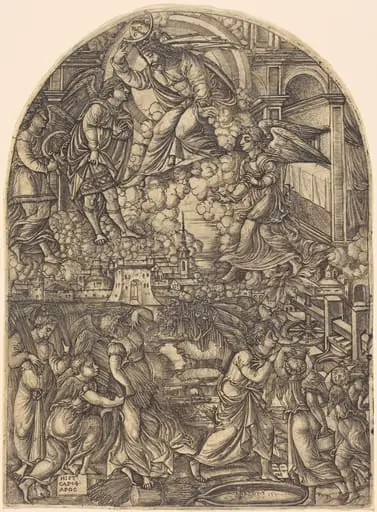
The image depicts the Cumaean Sibyl, a classical prophetess who foretold the future, seated beneath an arch with a scroll in hand. Above her, a winged celestial figure gestures toward the heavens, while a cherub watches intently. The composition suggests divine revelation, merging pagan antiquity with Christian symbolism. The scene is not a portrait but a narrative moment—capturing the instant of spiritual inspiration rather than mere representation.
Technique & Style
Duvet employed fine, tightly packed cross-hatching to model form and create depth, a technique that builds shadow through layered lines rather than tone. The surface is rich with texture, from the folds of fabric to the stonework of the arch and distant cityscape. His lines are deliberate and uneven, lending the image a raw, introspective quality. This method, though precise, avoids polish, resulting in a visual intensity that feels personal and urgent.
History & Provenance
Created during Duvet’s early career, the print likely circulated among collectors and religious patrons in France and beyond. Few of his works survive, and *The Cumaean Sibyl* remains among the most studied. Its provenance traces through private collections and institutional holdings, with no known major alterations or restrikes. The print’s rarity reflects Duvet’s limited output and the specialized nature of his audience.
Context
In early 16th-century France, printmaking was still emerging as a serious art form. Duvet worked outside the dominant Italianate trends, drawing instead from northern European traditions and medieval iconography. His engagement with prophetic figures aligned with contemporary religious anxieties and the revival of classical lore. Unlike his contemporaries, he prioritized emotional expression over idealized form, setting his work apart in a period of stylistic consolidation.
Legacy
Later critics noted parallels between Duvet’s expressive line work and the visionary style of William Blake, though separated by centuries. His prints were not widely influential in his own time but gained renewed attention in the 19th and 20th centuries for their psychological depth and idiosyncratic vision. Today, he is recognized as a unique voice in early French printmaking, valued for his uncompromising individuality rather than technical conformity.
Artist & collection

Artist
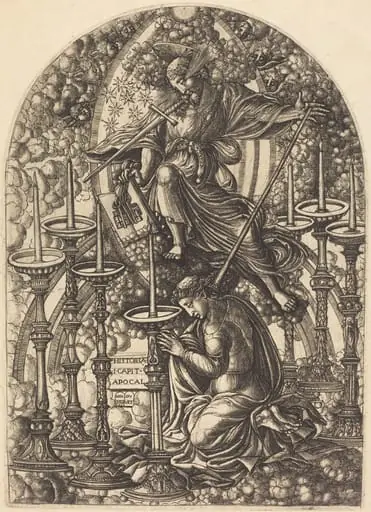
Jean Duvet (1485 – after 1562) was a French Renaissance goldsmith and engraver, now best known for his engravings.

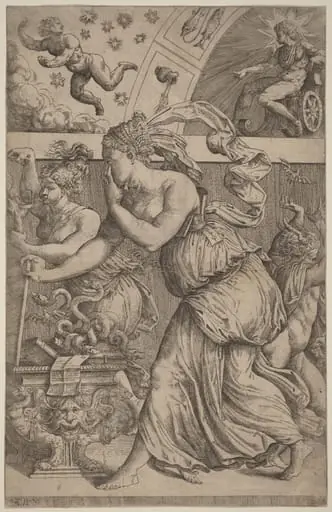 Pandora Opening Her Box
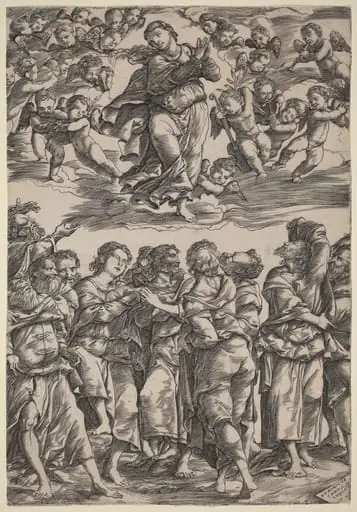 The Assumption of the Virgin
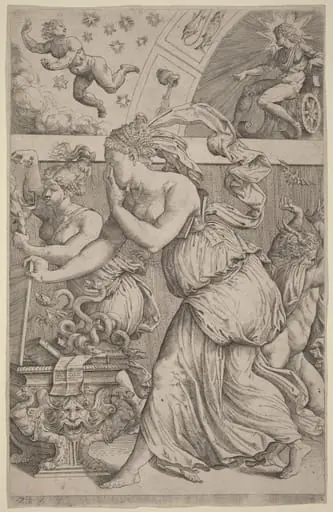 Pandora Opening Her Box
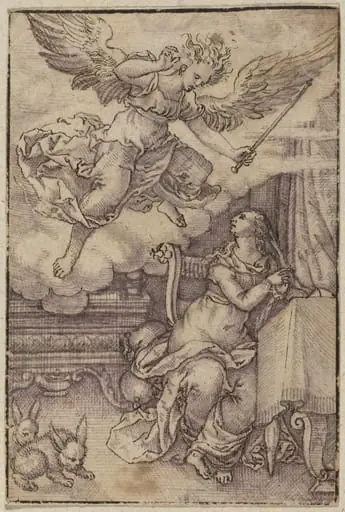 The Annunciation
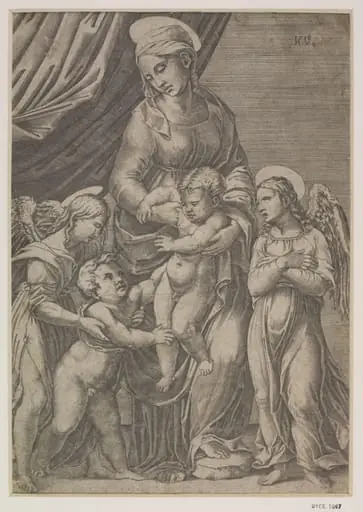 Untitled
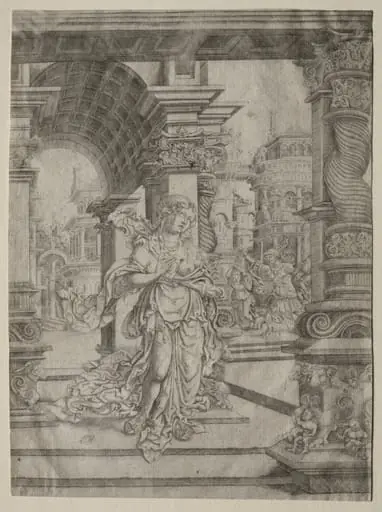 Death of Lucretia
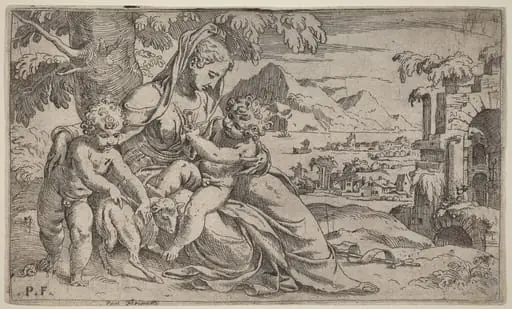 Madonna and Child with John the Baptist
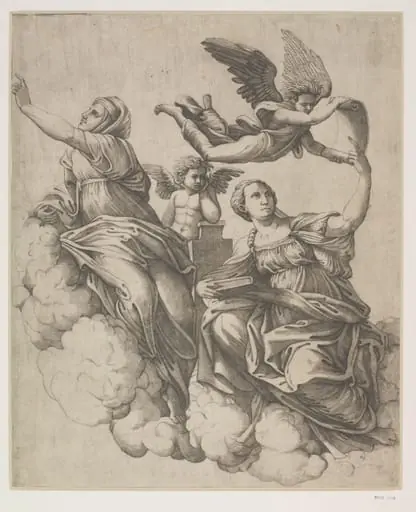 La Théologie et la Métaphysique
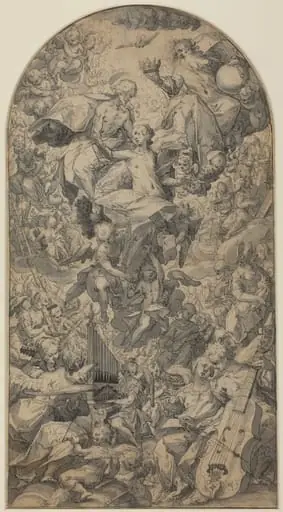 The Coronation of the Virgin with Angel Musicians and All Saints
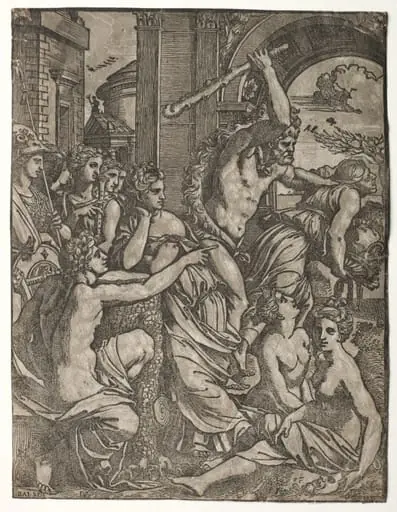 Hercules Driving Envy from the Temple of the Muses
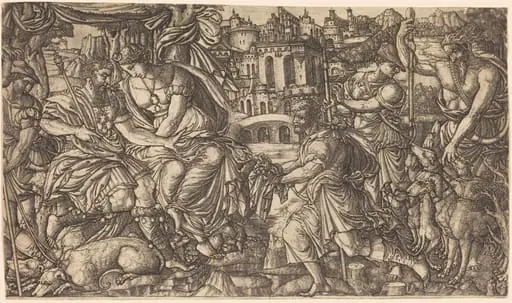 A King and Diana Receiving Huntsmen
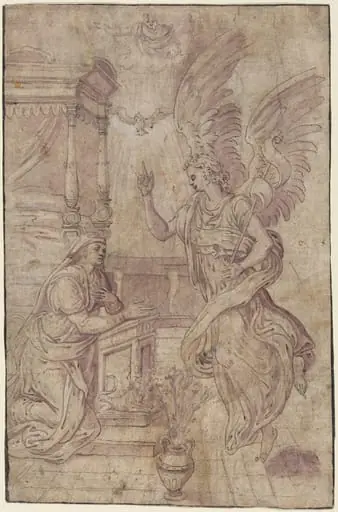 The Annunciation