Artwork
Reitergefecht
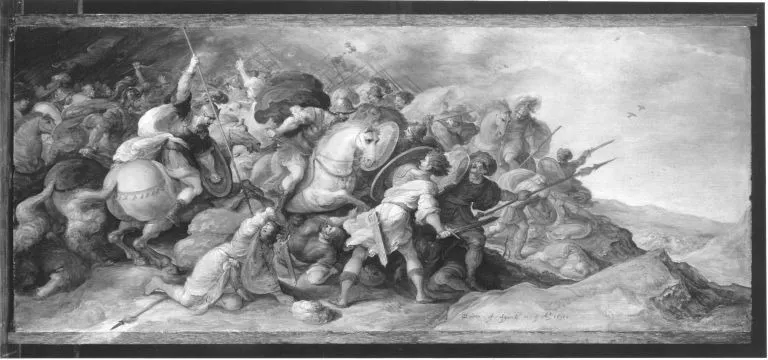
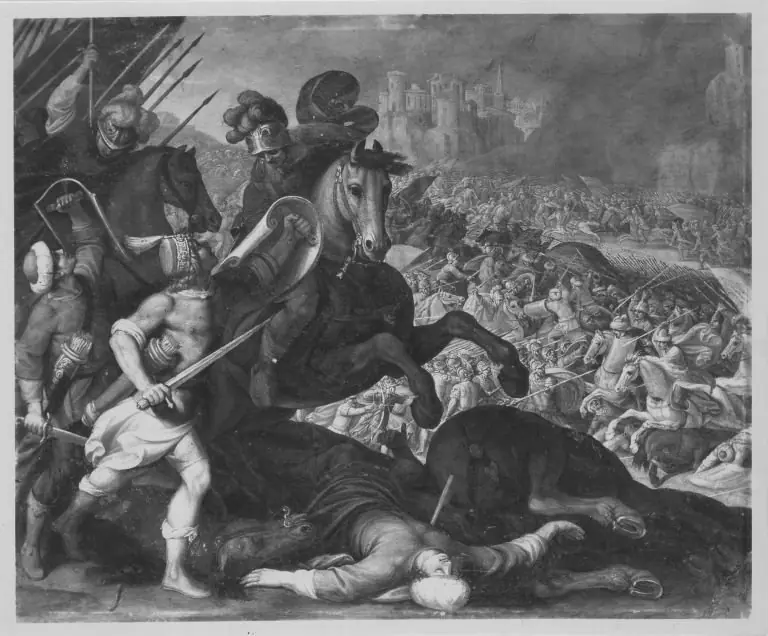
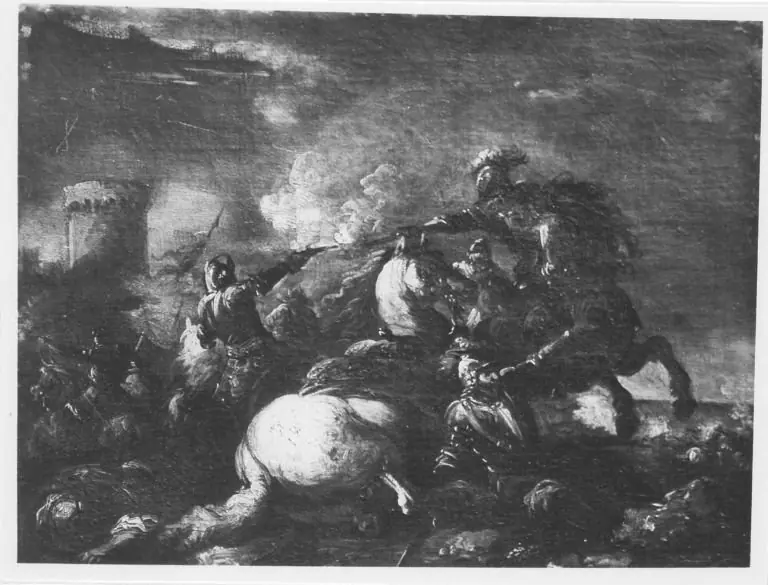
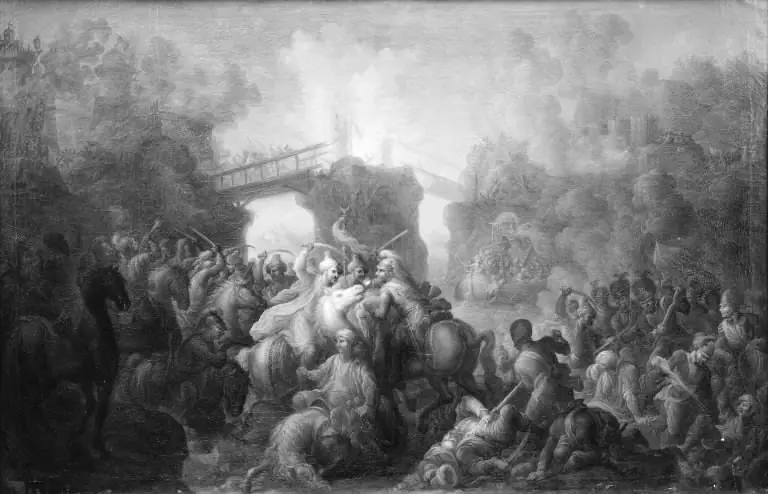
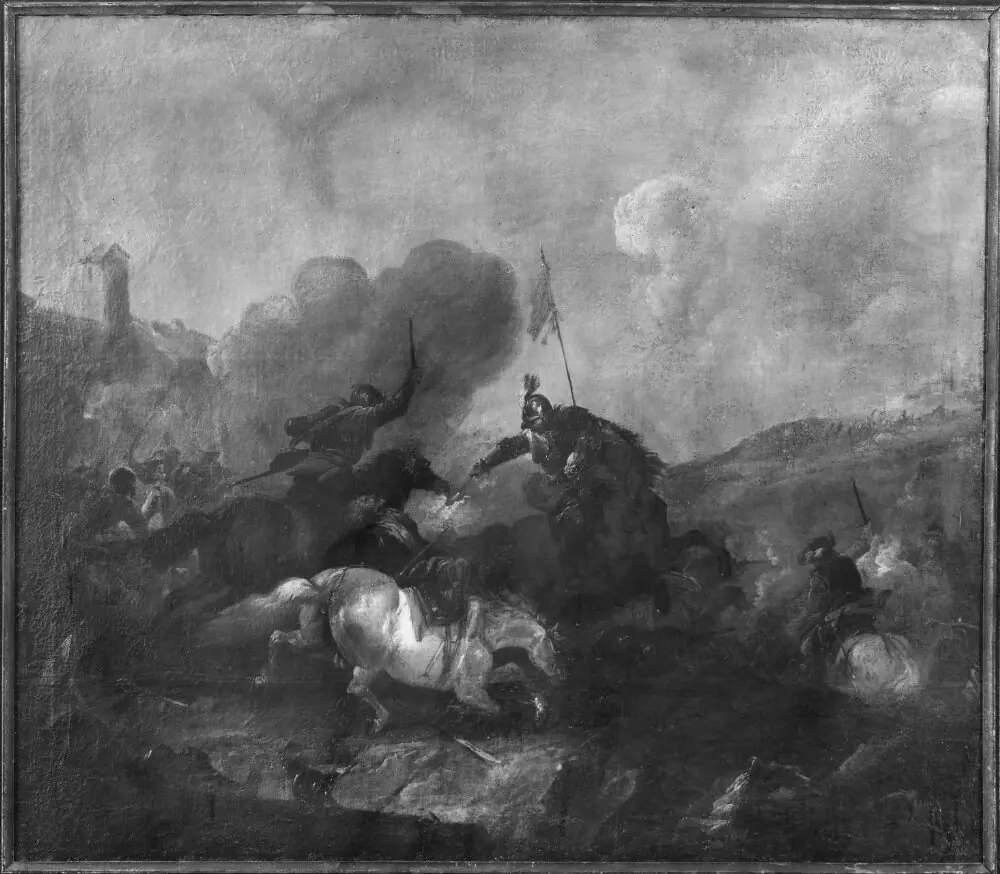
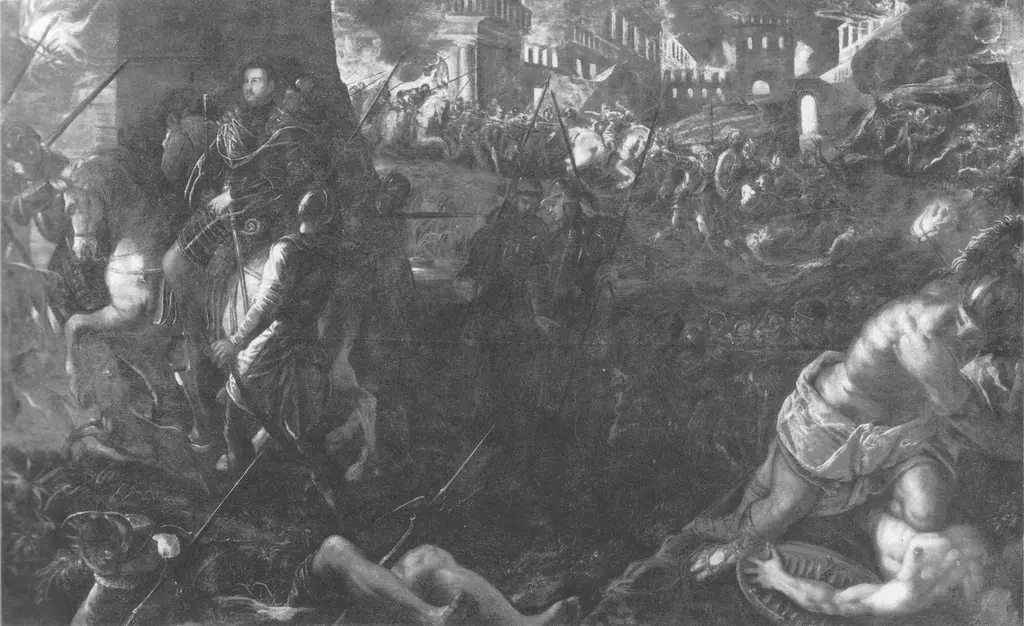
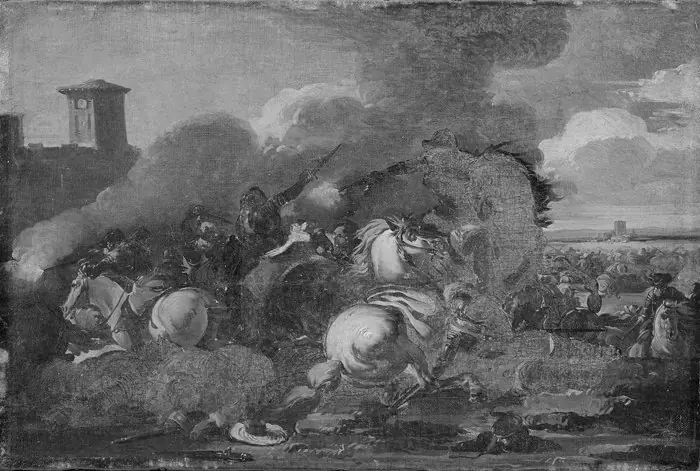
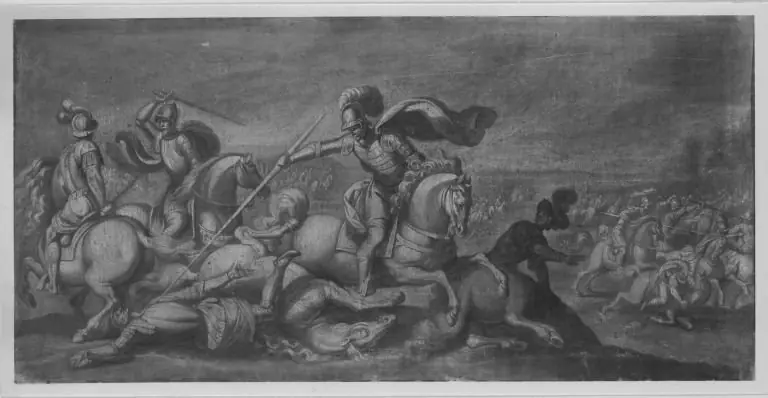
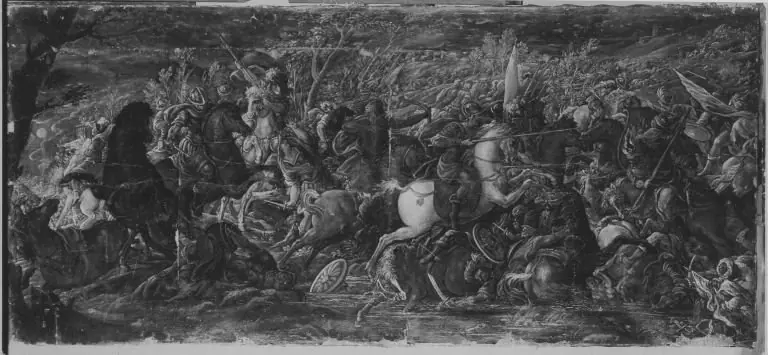
Reitergefecht is an unspecified painting by the Flemish Baroque painting artist Frans Francken the Younger. It dates from 1631 and is held in the collection of the Bavarian State Painting Collections.
About this work
Overview
Francken, known for his narrative precision and collaborative approach, assembled this composition with attention to movement and disorder.
Painted in 1631 by Frans Francken the Younger, *Reitergefecht* is a dynamic cavalry battle scene executed during the Flemish Baroque era. Francken, known for his narrative precision and collaborative approach, assembled this composition with attention to movement and disorder. The work resides in the Alte Pinakothek in Munich, reflecting its early acquisition by a major European collection. Its scale and detail suggest it was intended for a private patron with interest in military and historical themes.
Subject & Meaning
The painting portrays a disordered cavalry engagement, with no clear narrative or identifiable historical event. Central figures—a kneeling man in white and a standing figure in dark robes—draw attention but lack definitive identification. Their contrast may symbolize vulnerability and authority amid chaos, though no allegorical program is documented. The scene prioritizes visual intensity over storytelling, emphasizing the turbulence of war rather than its political or moral dimensions.
Technique & Style
Francken employed a layered technique, combining fine brushwork for figures with looser handling in the background to suggest depth and motion. Color contrasts—bright robes against muted armor and earth tones—guide the viewer’s eye toward the central group. Chiaroscuro enhances the drama, with light falling selectively on key figures while shadows obscure surrounding chaos. The composition is densely packed, reflecting Francken’s affinity for crowded, multi-figured scenes common in Flemish painting of the period.
History & Provenance
The painting entered the Alte Pinakothek’s collection in the early 19th century, likely through the Bavarian royal acquisitions of Flemish and German art. Its documented history before this is sparse, though its style aligns with works Francken produced for private collectors in Antwerp. The painting’s survival in good condition suggests it was preserved in a stable, affluent environment, possibly as part of a cabinet of curiosities or a military-themed collection.
Context
Created during the Thirty Years’ War, *Reitergefecht* reflects a European fascination with warfare’s visual spectacle, even as actual conflict ravaged the Low Countries. While Francken did not witness battles firsthand, he drew from prints, eyewitness accounts, and artistic conventions. His work fits within a broader trend of Flemish painters who rendered historical and martial subjects with theatrical flair, catering to patrons seeking both entertainment and moral reflection on violence.
Legacy
Though not among Francken’s most widely studied works, *Reitergefecht* exemplifies his skill in orchestrating complex, multi-figured scenes with emotional resonance. It contributes to understanding how Flemish artists navigated the tension between realism and spectacle in depicting war. The painting remains a reference point for scholars examining the evolution of battle imagery in Northern European art, particularly in its blend of narrative ambiguity and visual dynamism.
Artist & collection
Artist
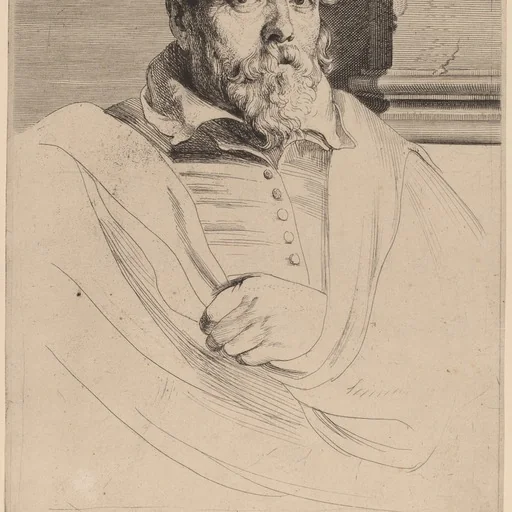
Frans Francken the Younger (1581, Antwerp – 6 May 1642, Antwerp) was a Flemish painter and the best-known and most prolific member of the large Francken family of artists.