Artwork
The Adoration of the Magi
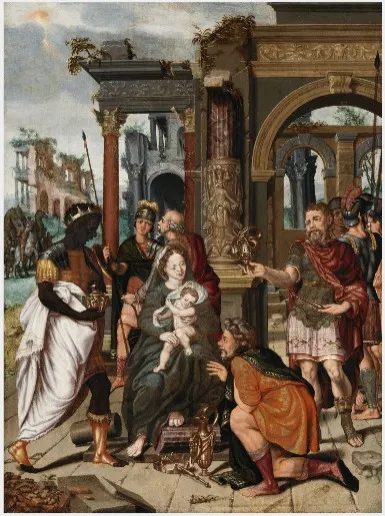
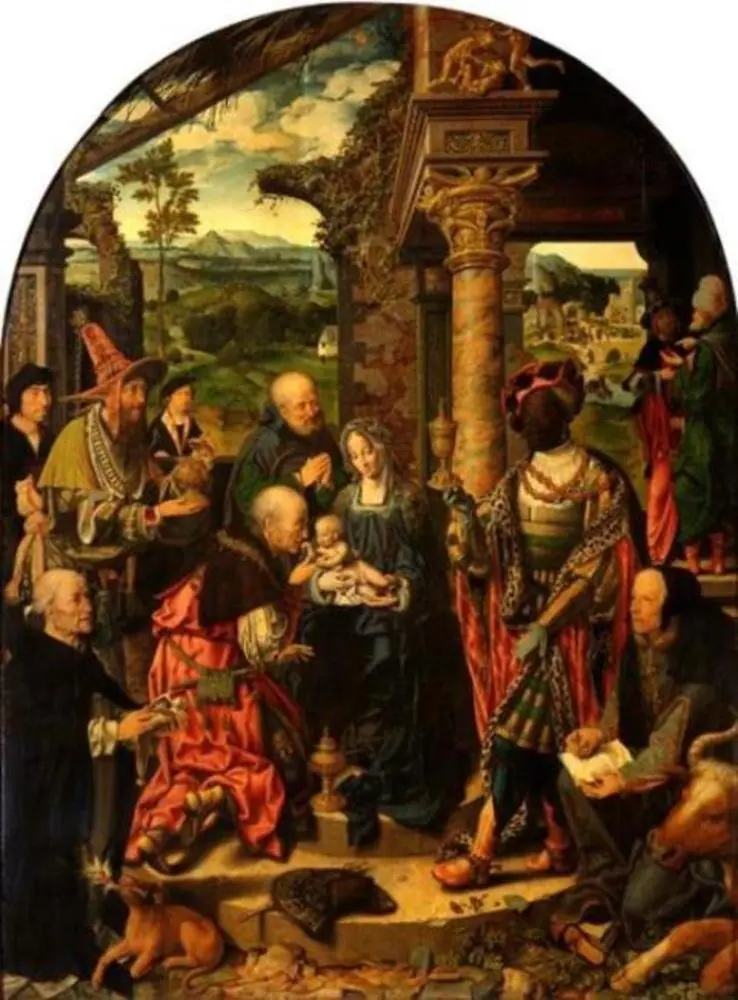
The Adoration of the Magi is an unspecified painting by the Flemish Baroque painting artist Pieter Coecke van Aelst. It dates from 1536 and is held in the collection of the National Gallery of Ireland.
About this work
Overview
The Adoration of the Magi, painted around 1536 by Pieter Coecke van Aelst, is a religious artwork depicting a pivotal biblical scene. Currently, it is part of the collection at the National Gallery of Ireland.
Subject & Meaning
The painting illustrates the biblical narrative of the Magi visiting the Christ Child, symbolizing the recognition of Jesus by the wise men. The central figure is the Virgin Mary, dressed in distinctive blue and white attire, holding the infant Jesus, who gazes directly forward.
Technique & Style
The composition employs chiaroscuro, evident in the contrast between the brightly lit faces of the main subjects and the shadowy aspects of others. The Virgin's blue robe contrasts with the warm, rich tones of the Magi's elaborate robes and the grand, columned architectural background.
History & Provenance
Created circa 1536, the painting's history prior to its current location is not detailed here. It is now housed at the National Gallery of Ireland.
Context
The use of chiaroscuro and the depiction of luxury in the Magi's attire reflect artistic and cultural influences of the time, blending religious narrative with elements of Renaissance style.
Legacy
While specific influence or notable reproductions are not highlighted, the painting remains a significant example of 16th-century religious art, particularly in the Northern European tradition.
Artist & collection
Artist
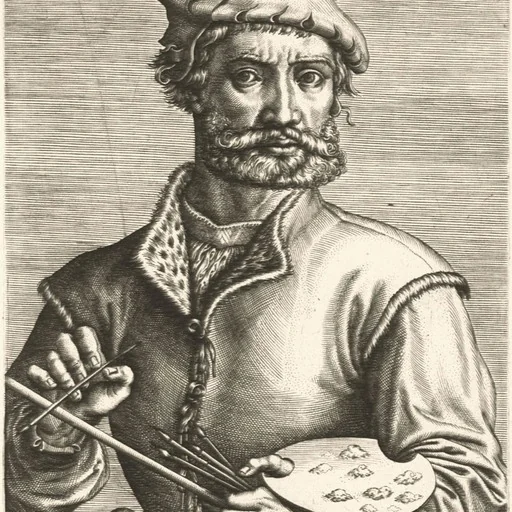
Pieter Coecke van Aelst or Pieter Coecke van Aelst the Elder was a Flemish painter, sculptor, architect, author and designer of woodcuts, goldsmith's work, stained glass and tapestries.

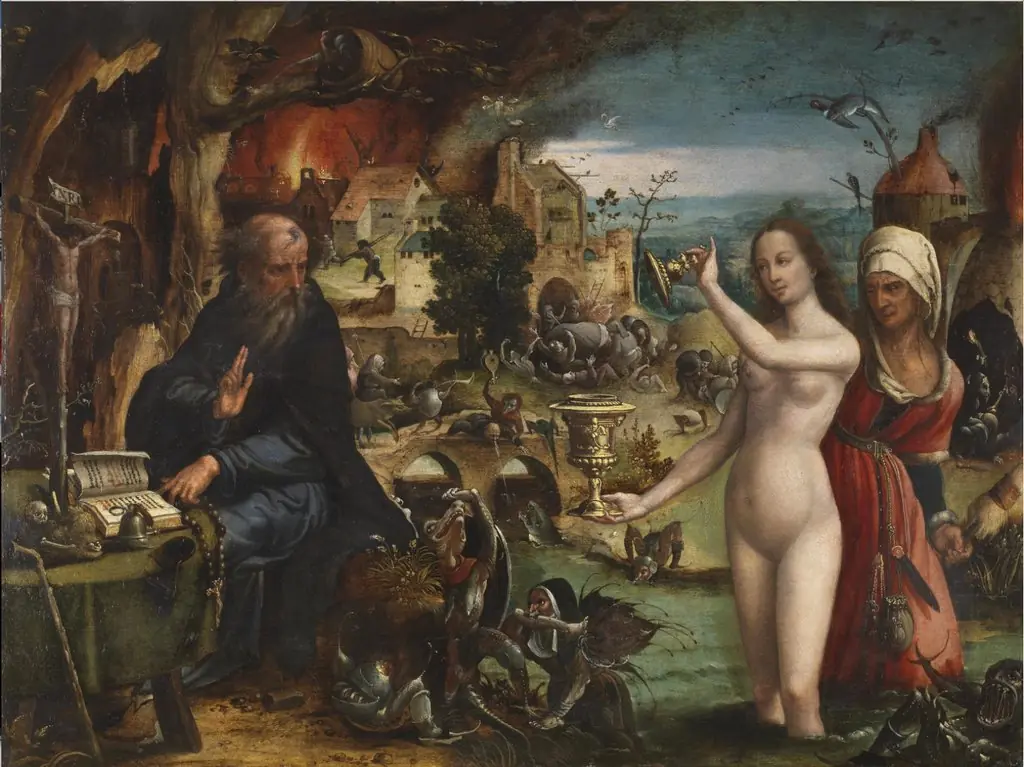 The Temptations of Saint Anthony Abbot
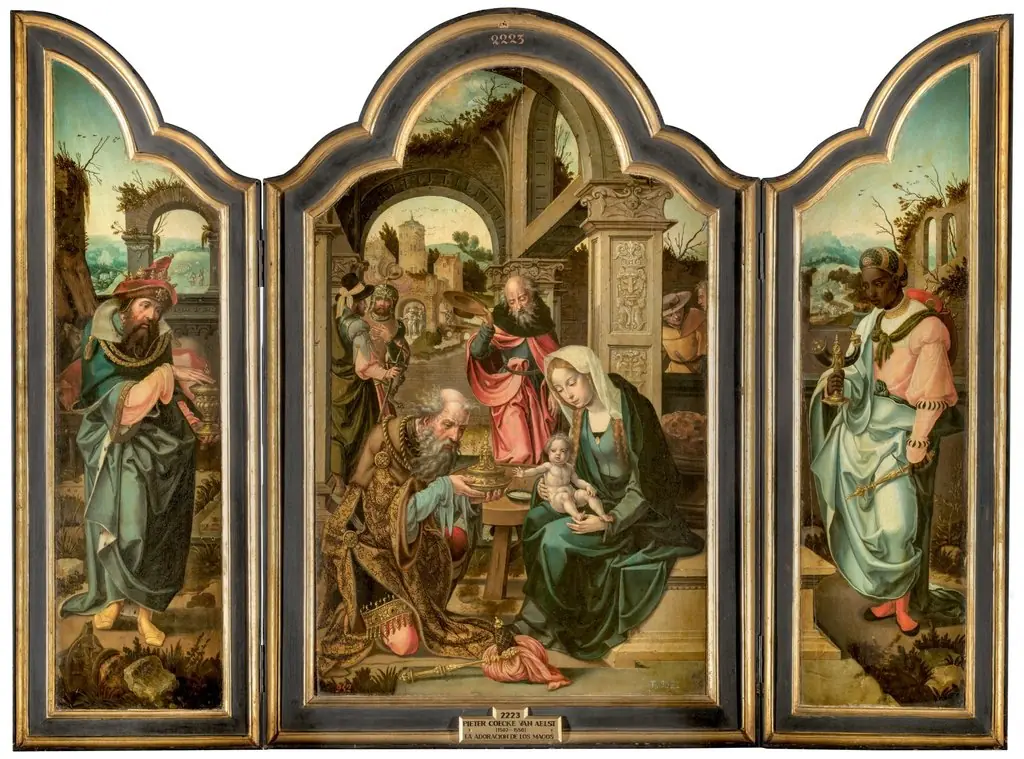 The Adoration of the Magi
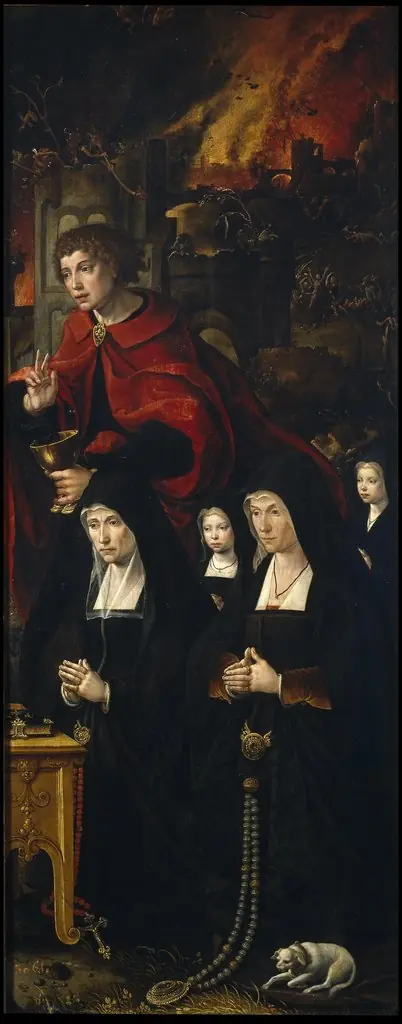 Saint John the Evangelist with Two Ladies and Two Girls (front). Saint Hadrian (reverse)
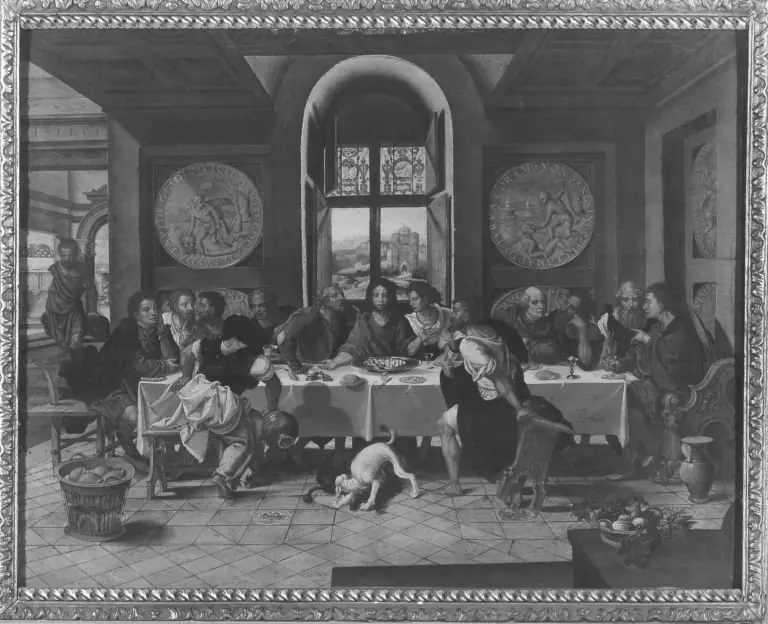 The Last Supper
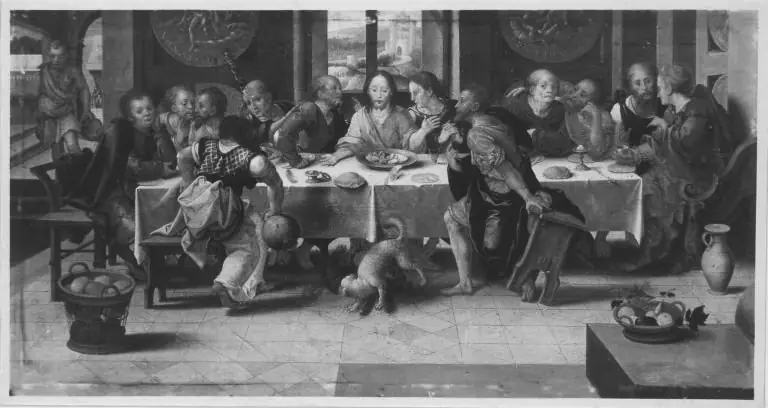 Last Supper
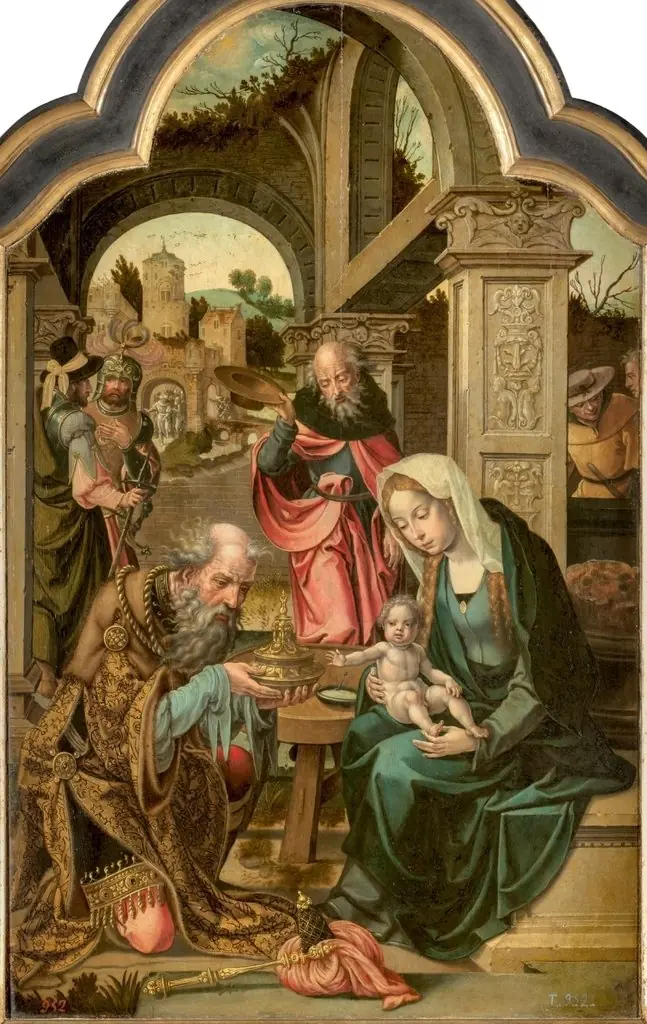 Adoration of the Magi
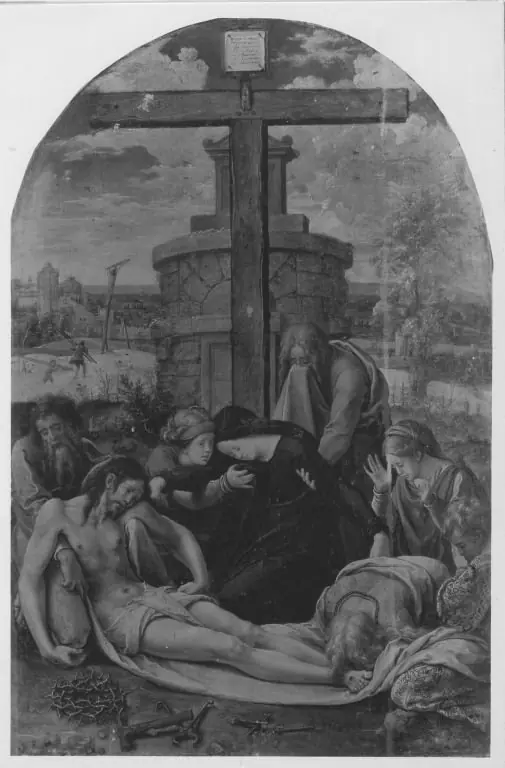 Lamentation of Christ (after Raphael)
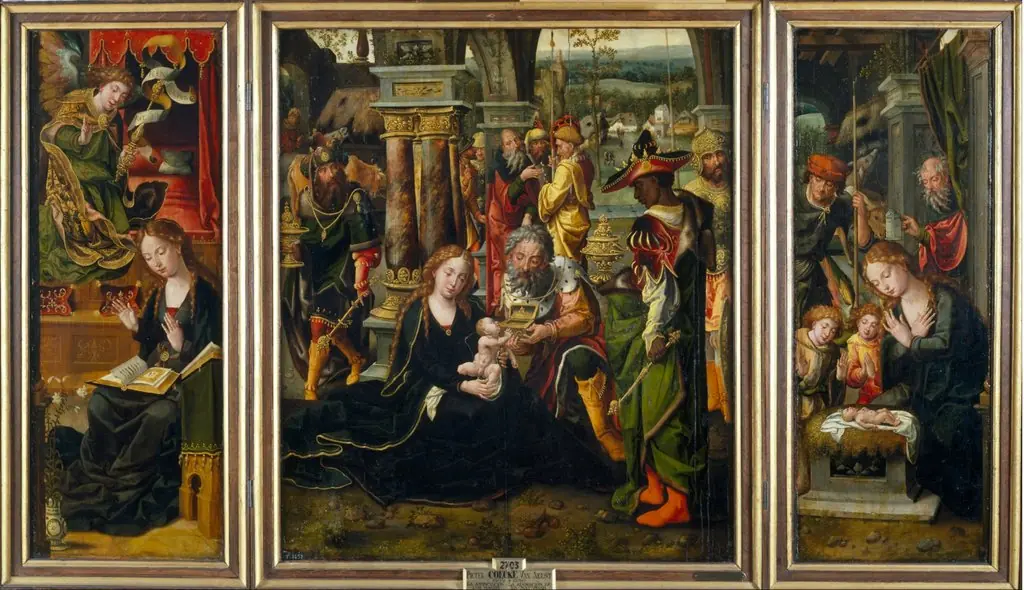 Triptych with the Annunciation, the Adoration of the Magi and the Nativity with Angels and Shepherds
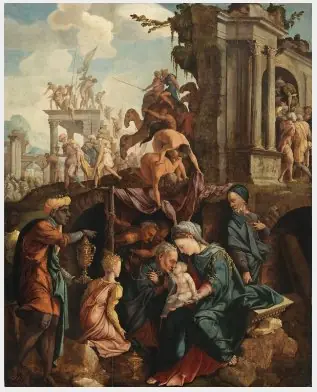 The Adoration of the Magi
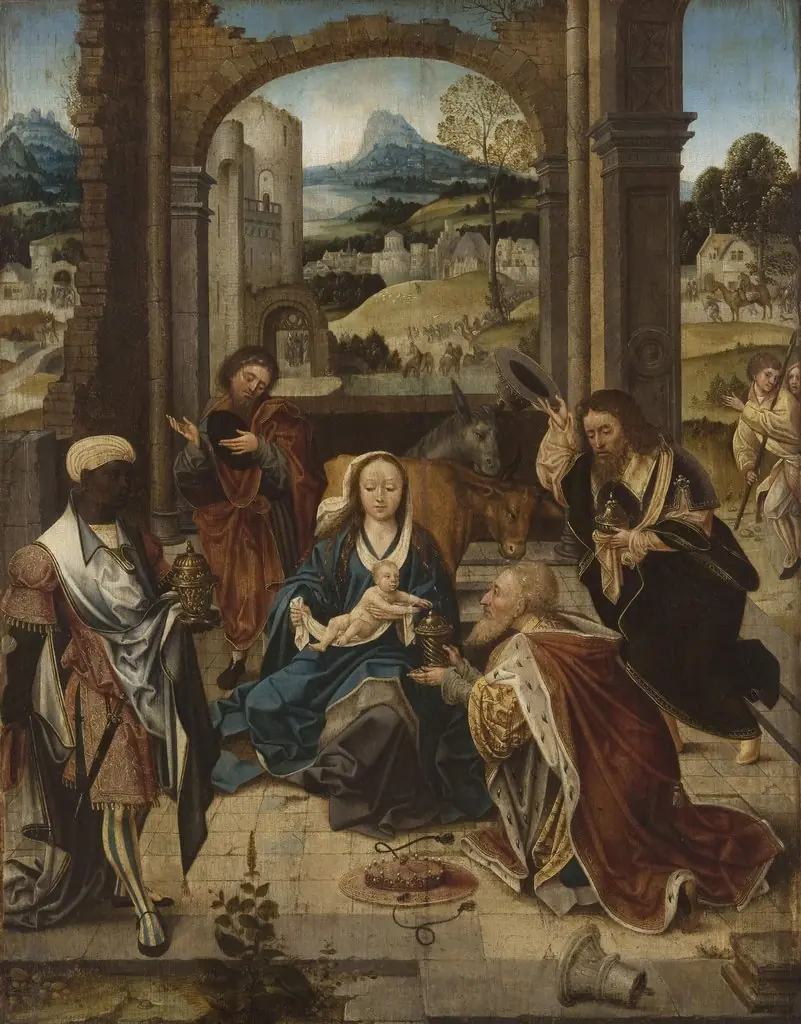 The Adoration of the Magi
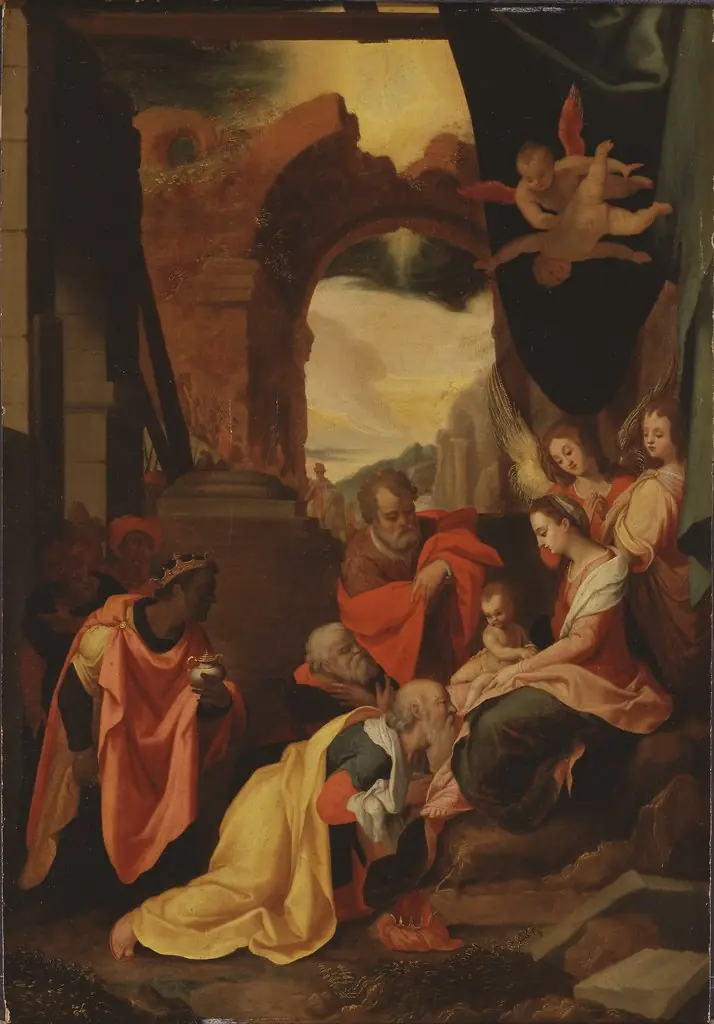 The Adoration of the Magi
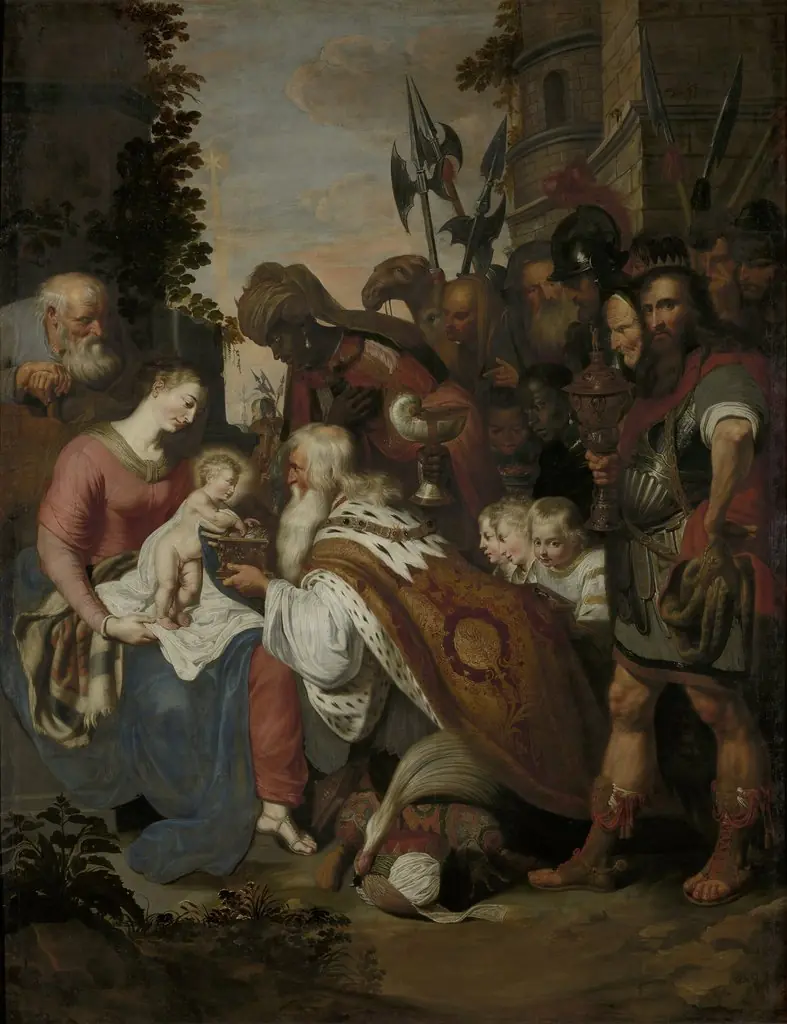 The Adoration of the Magi
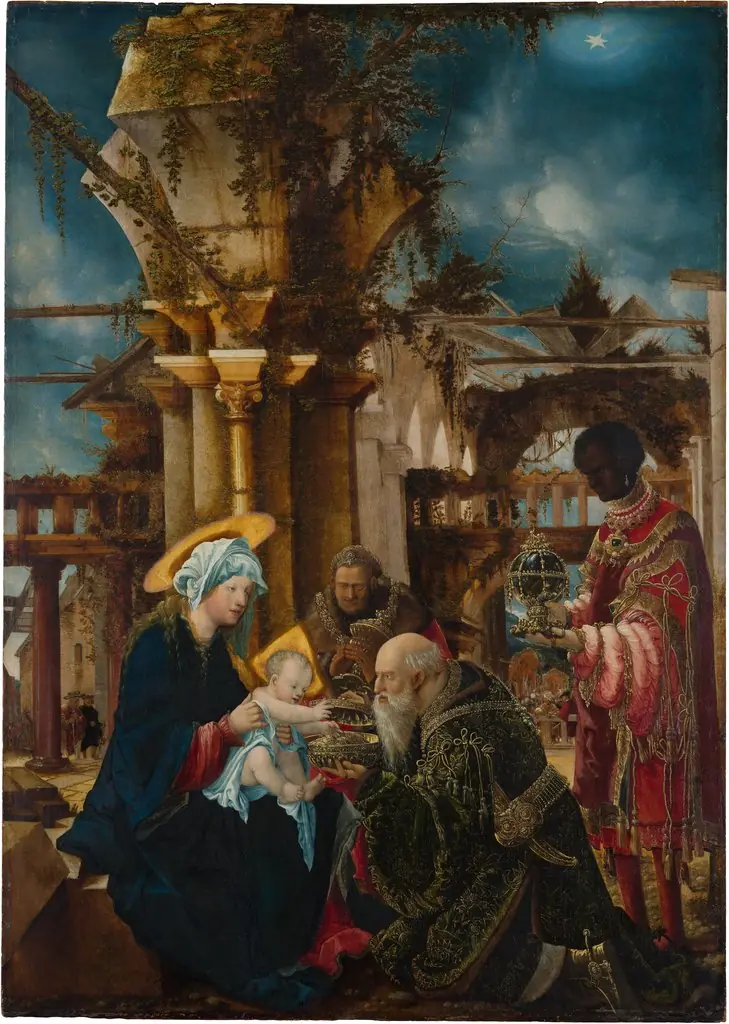 The Adoration of the Magi
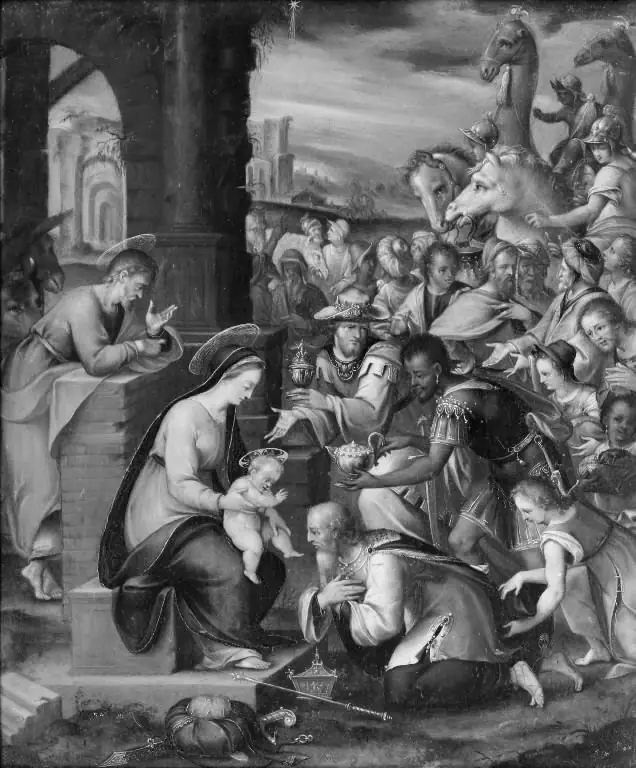 The Adoration of the Magi
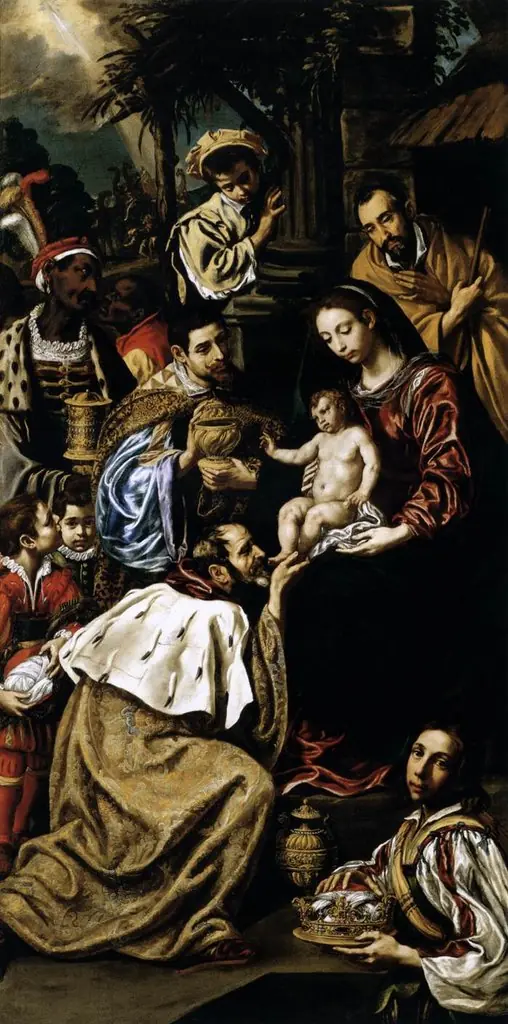 The Adoration of the Magi
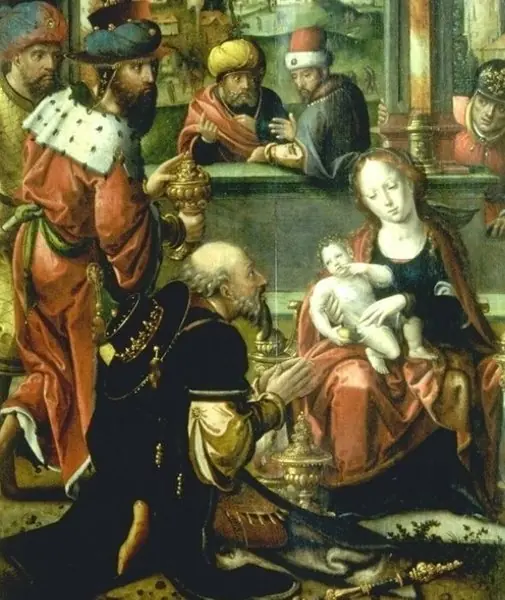 Triptychon mit der Anbetung der Könige (3 Tafeln)
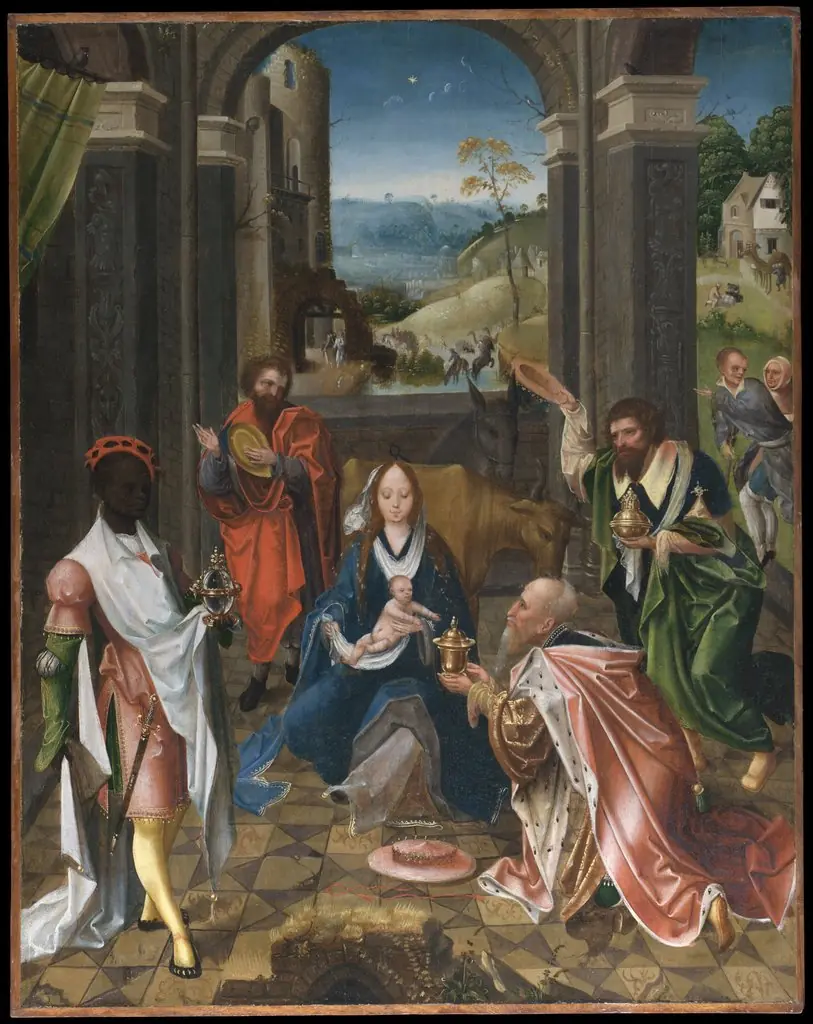 The Adoration of the Magi
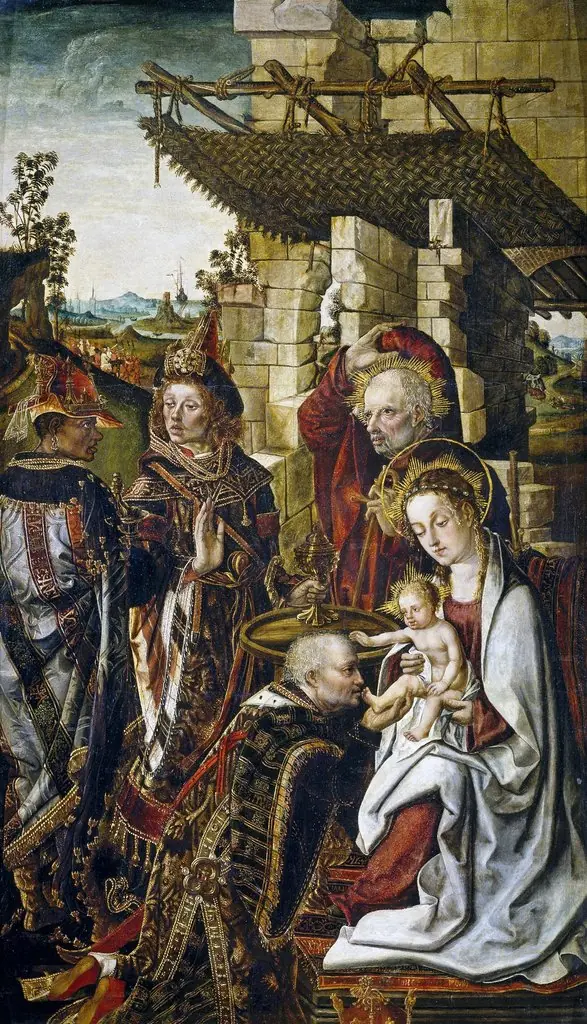 The Adoration of the Magi
 The large Adoration of the Kings
 The Adoration of the Magi