Artwork
Portrait of Eleonora of Gonzaga-Nevers (1639-1686)
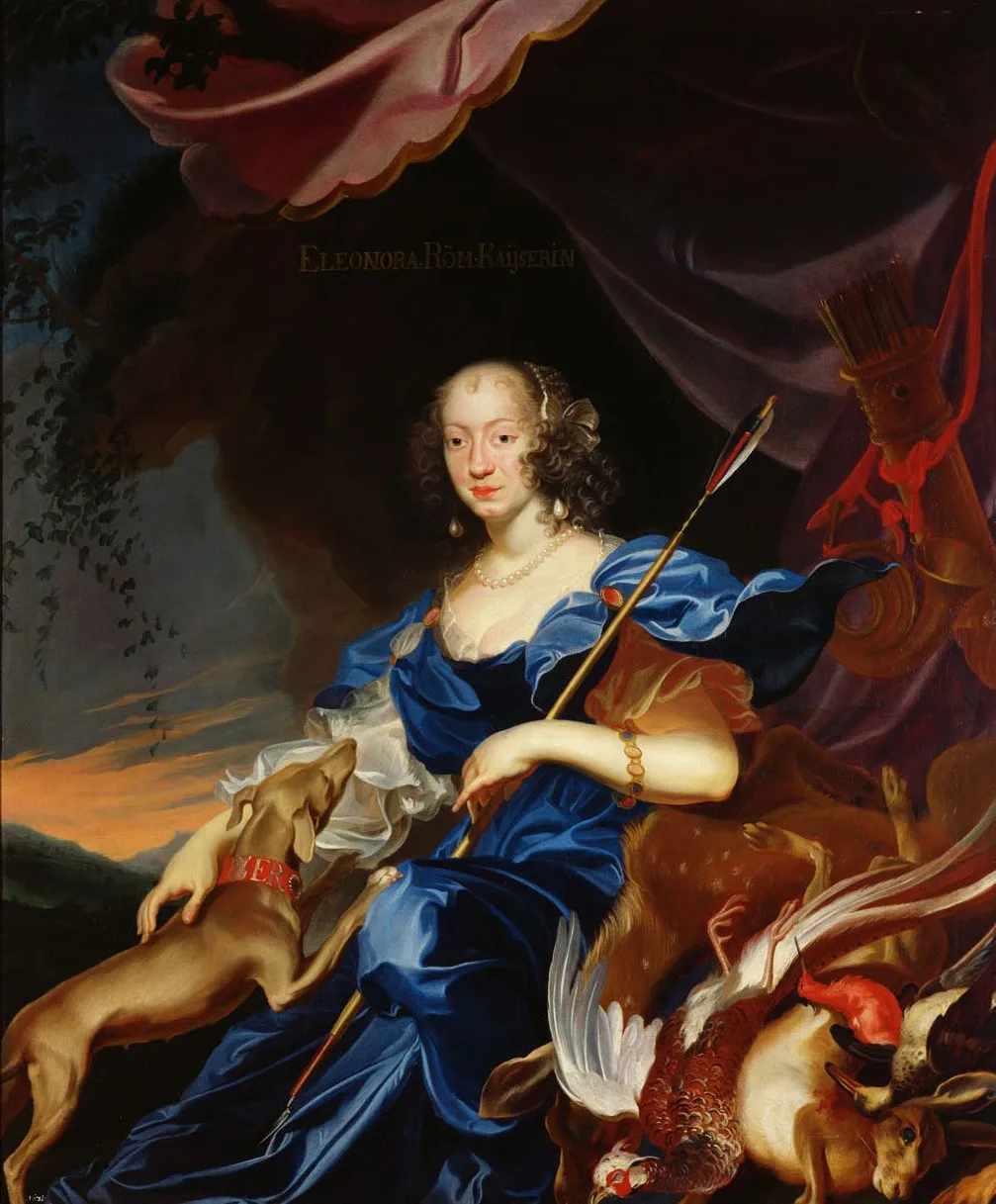
Portrait of Eleonora of Gonzaga-Nevers (1639-1686) is an oil painting by the Flemish Baroque painting artist Frans Luycx. It dates from 1651 and is held in the collection of the Kunsthistorisches Museum.
About this work
Overview
The work reflects the formal portraiture conventions of the Flemish Baroque period, characterized by meticulous detail and a refined depiction of status.
Executed in 1651, this oil painting represents Eleonora of Gonzaga-Nevers, a member of the European aristocracy linked to the Habsburg dynasty. The work reflects the formal portraiture conventions of the Flemish Baroque period, characterized by meticulous detail and a refined depiction of status. It remains part of the Kunsthistorisches Museum’s holdings, where it serves as an example of courtly art under Emperor Ferdinand III.
Subject & Meaning
The portrait presents Eleonora in an allegorical guise, seated atop a heap of game animals while holding a hunting spear. Her attire—richly embroidered and accessorized with pearls—signals nobility, while the inclusion of a dog and slain prey underscores themes of dominion and leisure. The composition elevates her beyond mere likeness, framing her identity within the symbolic language of aristocratic privilege.
Technique & Style
Luycx employs a restrained yet precise technique, rendering textures—fabric, fur, feathers—with exacting clarity. The dark background heightens the luminous quality of the subject’s garments and jewelry, a hallmark of Flemish portraiture. Subtle chiaroscuro and controlled brushwork lend the scene an air of quiet authority, balancing naturalism with the demands of dynastic representation.
History & Provenance
Commissioned by the imperial court in Vienna, the portrait entered the Habsburg collections shortly after its completion. It has remained within institutional custody, transitioning to the Kunsthistorisches Museum’s permanent display. No significant gaps exist in its documented ownership, aligning with the artist’s established role as a court painter for Ferdinand III.
Context
The work emerges from a period when portraiture served as a tool of political consolidation for the Habsburgs. Luycx’s specialization in depicting the imperial family reflects the dynasty’s reliance on visual culture to project continuity and legitimacy. The allegorical elements resonate with contemporary conventions, where hunting imagery often symbolized the ruler’s command over nature and society.
Legacy
Though not among the most frequently reproduced Baroque portraits, the painting exemplifies the intersection of Flemish technique and Habsburg iconography. Its inclusion in the Kunsthistorisches Museum’s collections ensures its study as part of the broader narrative of European court art, particularly within the context of dynastic portraiture and the visual strategies of the seventeenth century.
Artist & collection
Artist
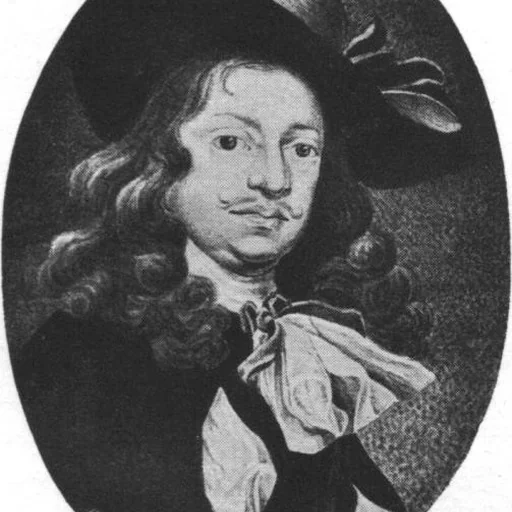
Frans Luycx or Frans Luyckx (Dutch pronunciation: ; before 17 April 1604 – 1 May 1668) was a Flemish painter who became the leading portrait painter at the imperial court of Emperor Ferdinand III in Vienna.

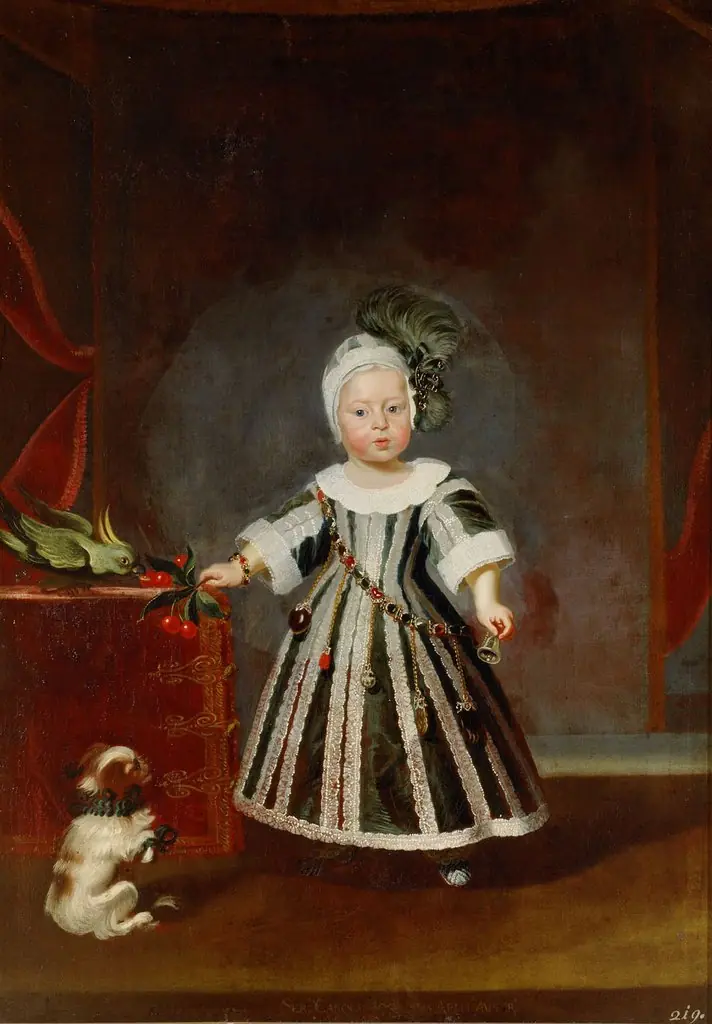 Portrait of Charles Joseph, Archduke of Austria (1745-1761)
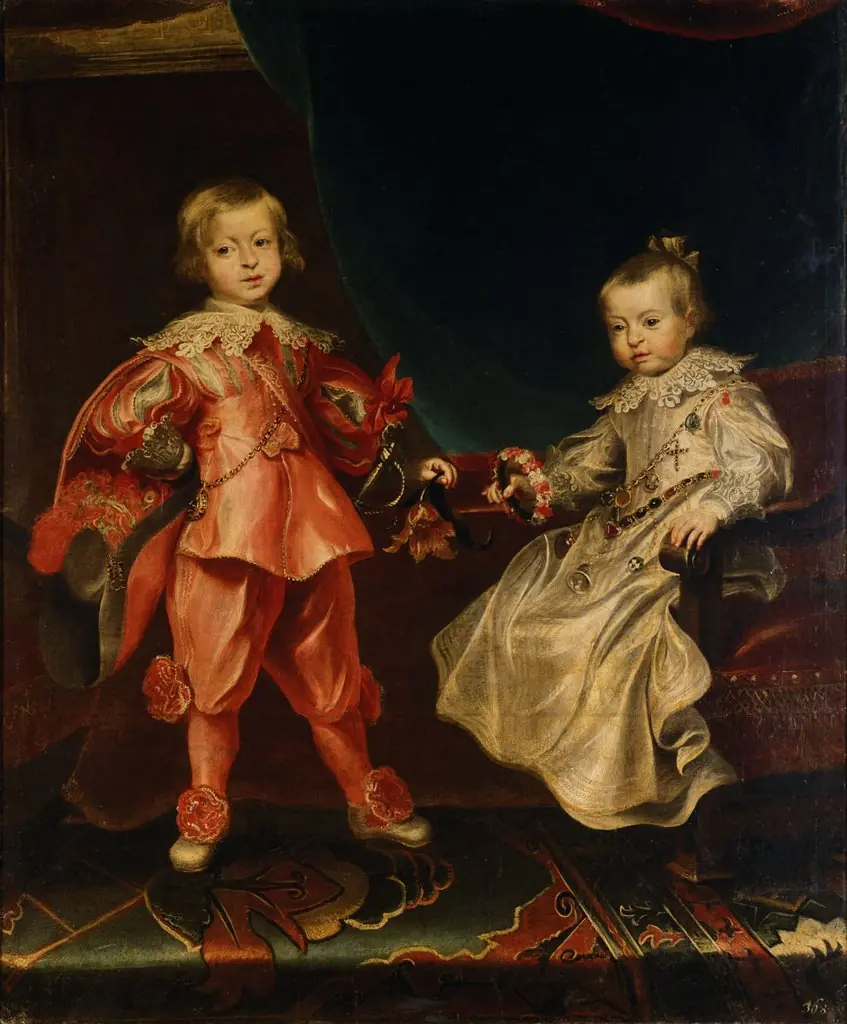 Portrait of Ferdinand IV with his sister Maria Anna
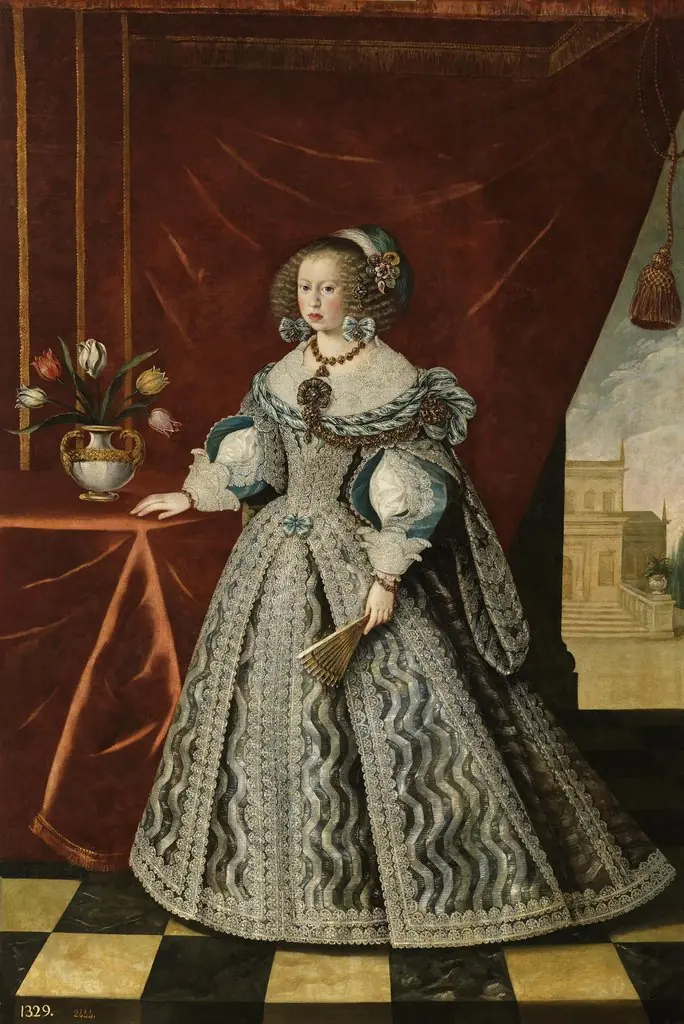 Mariana of Austria
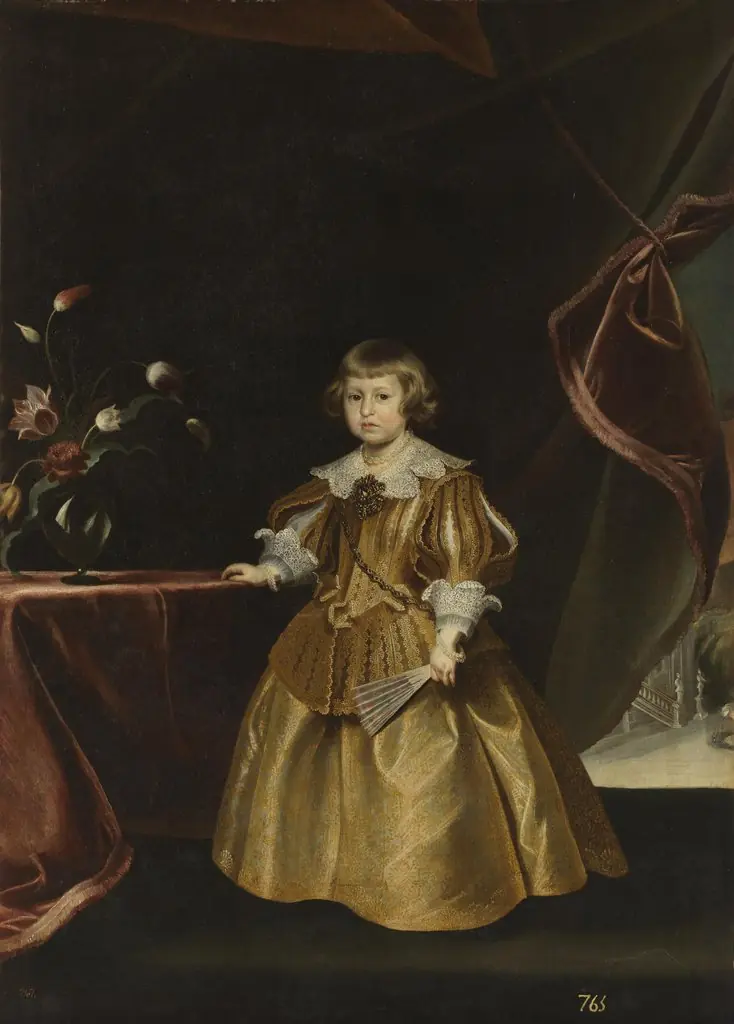 Portrait of an infanta
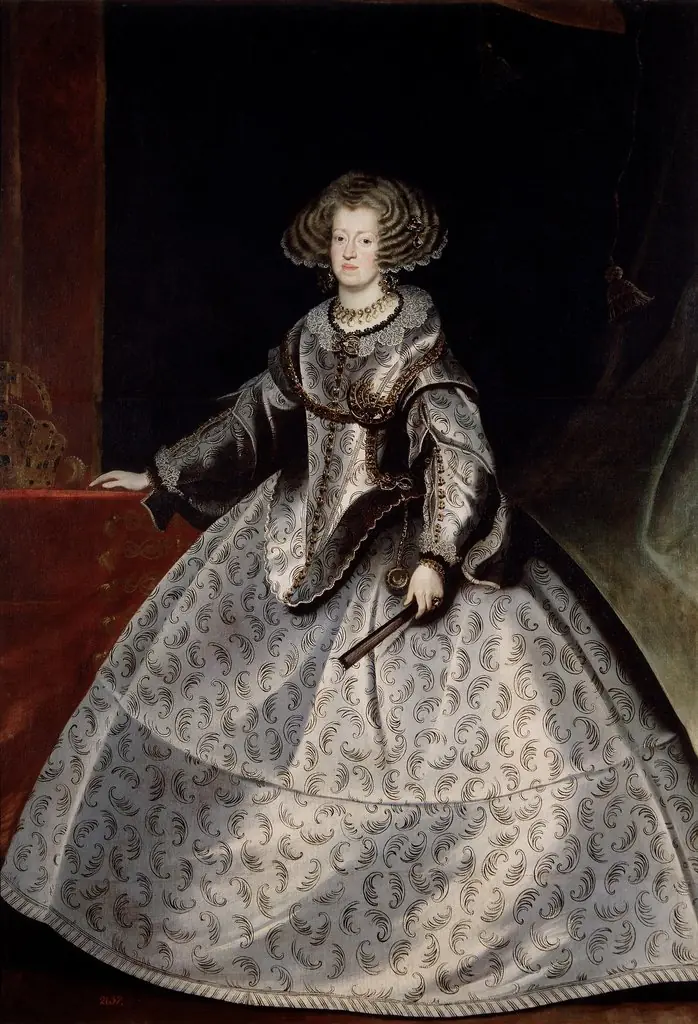 María of Austria Queen of Hungary
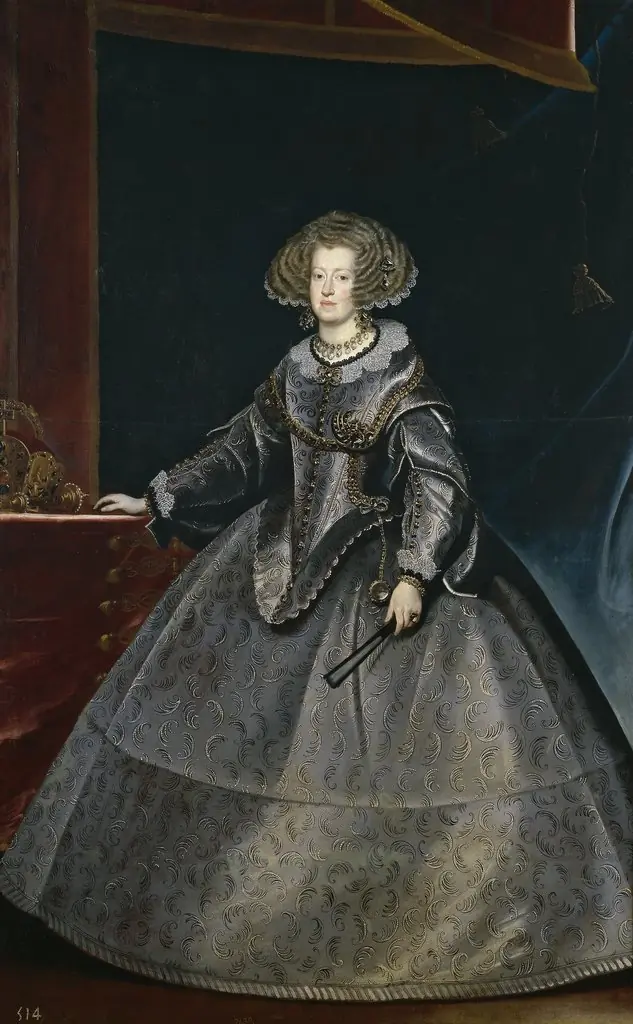 María of Austria Queen of Hungary
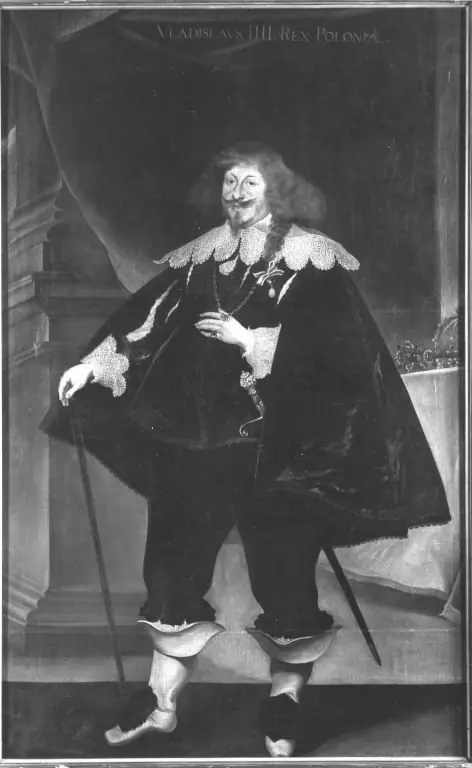 Portrait of King Ladislaus IV Vasa.
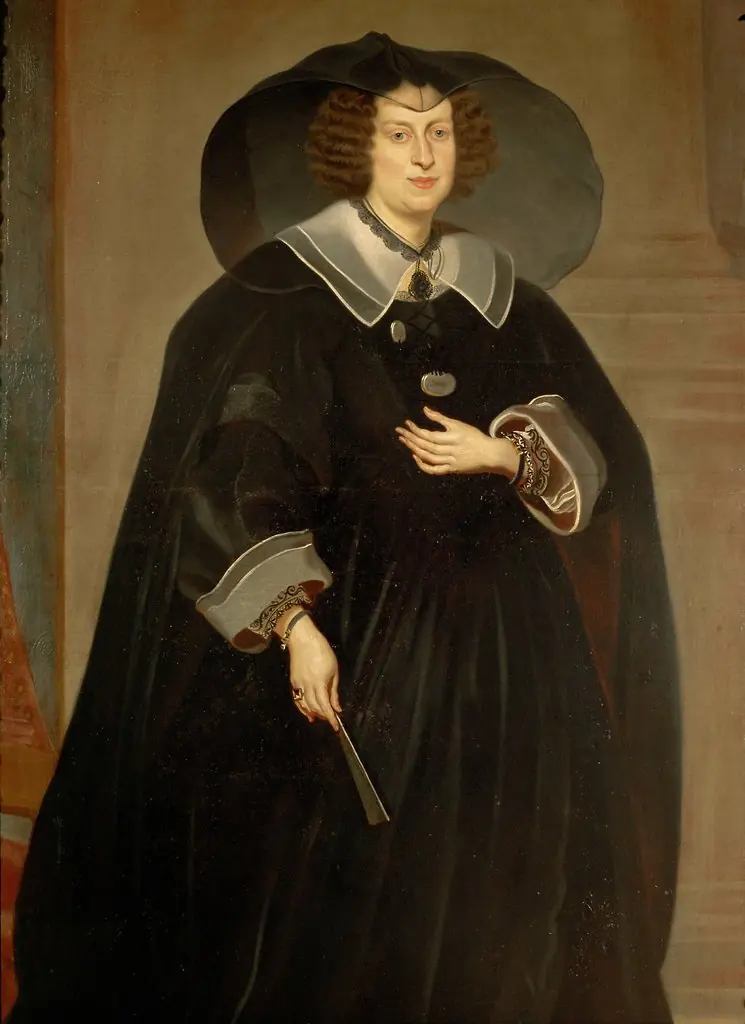 Claudia de' Medici (1604-1648), Erzherzogin, in Witwentracht, Kniestück
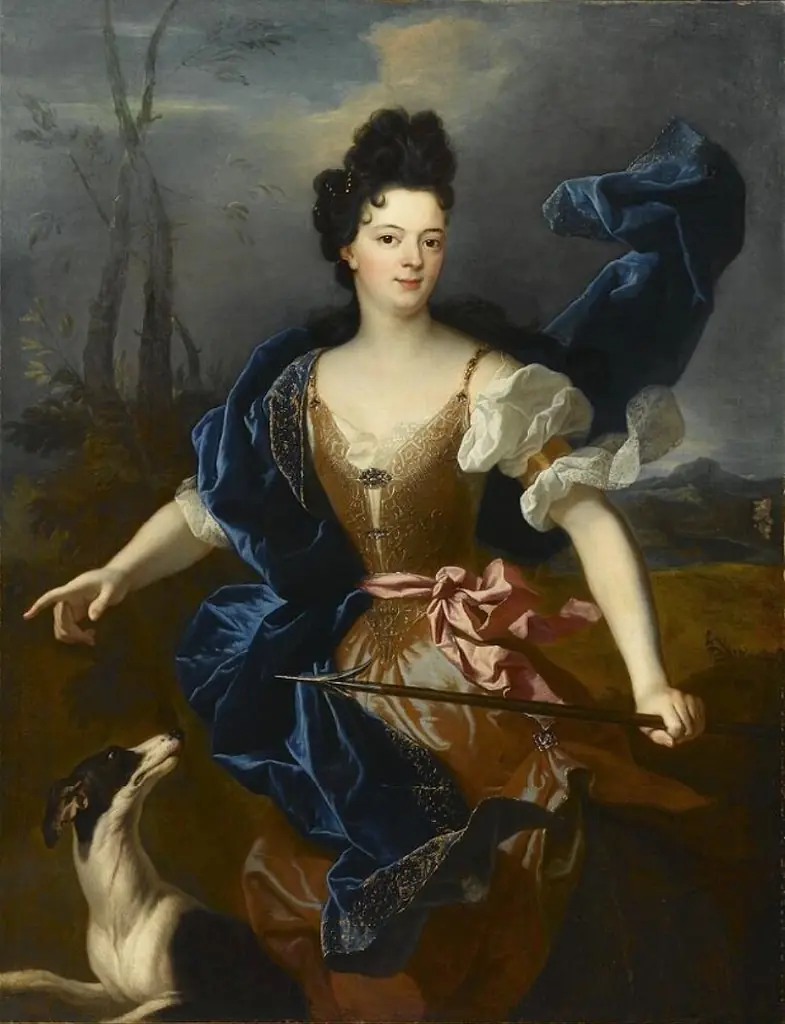 "The Duchesse de Choiseul as Diana"
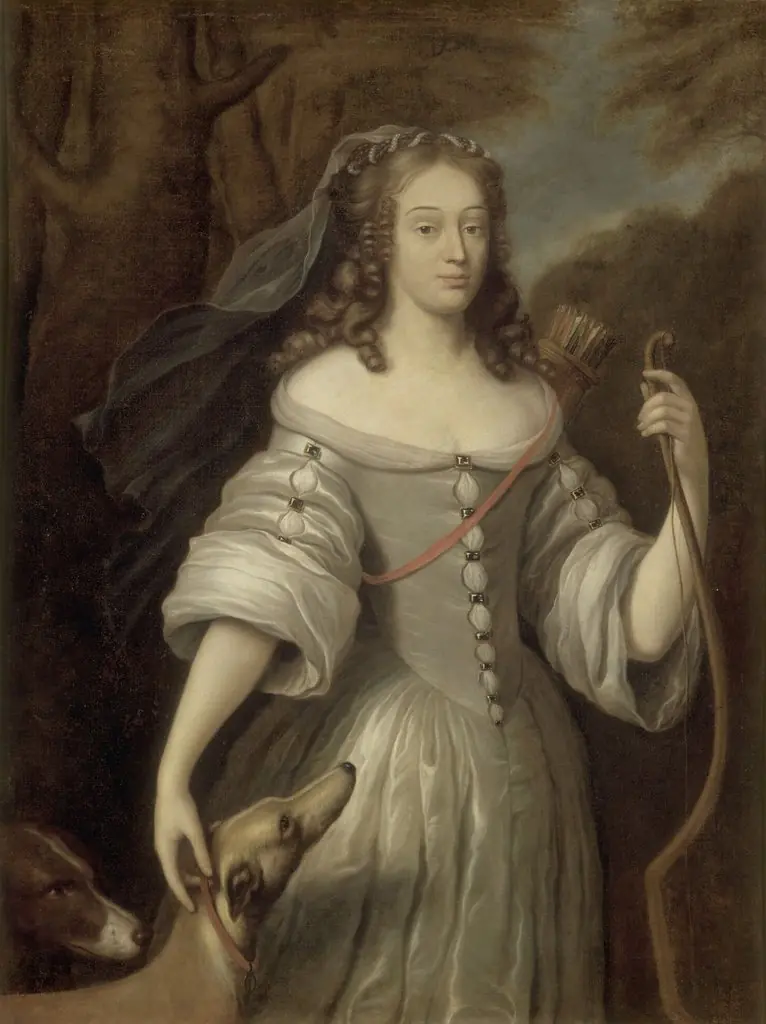 Presumed portrait of Louise-Françoise de La Baume Le Blanc, duchesse de La Vallière as Diana
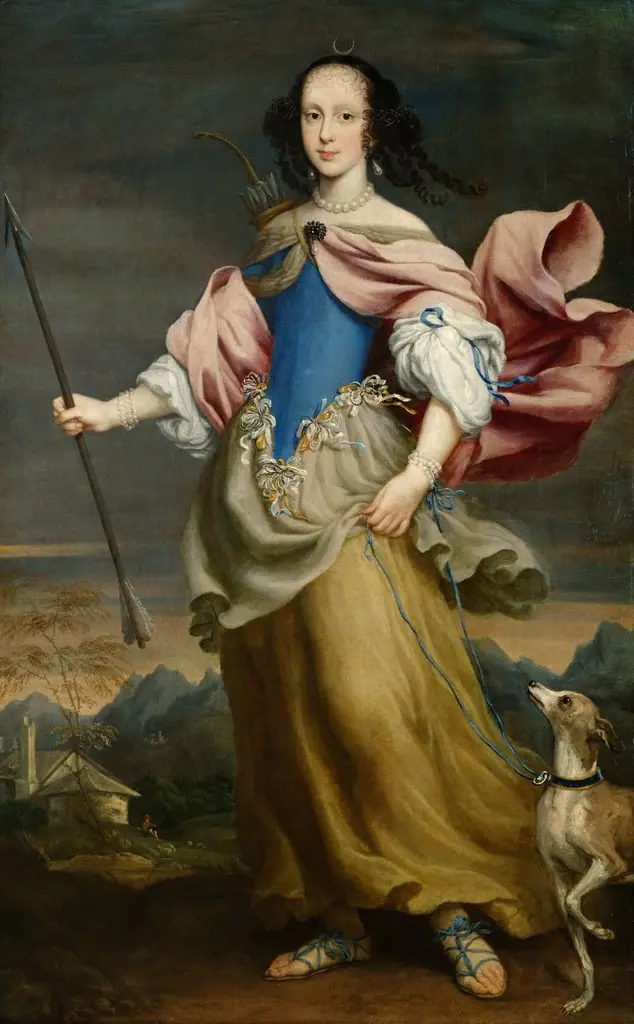 Erzherzogin Claudia Felicitas (1653-1676), Kaiserin, als Diana, Gattin Kaiser Leopolds I.
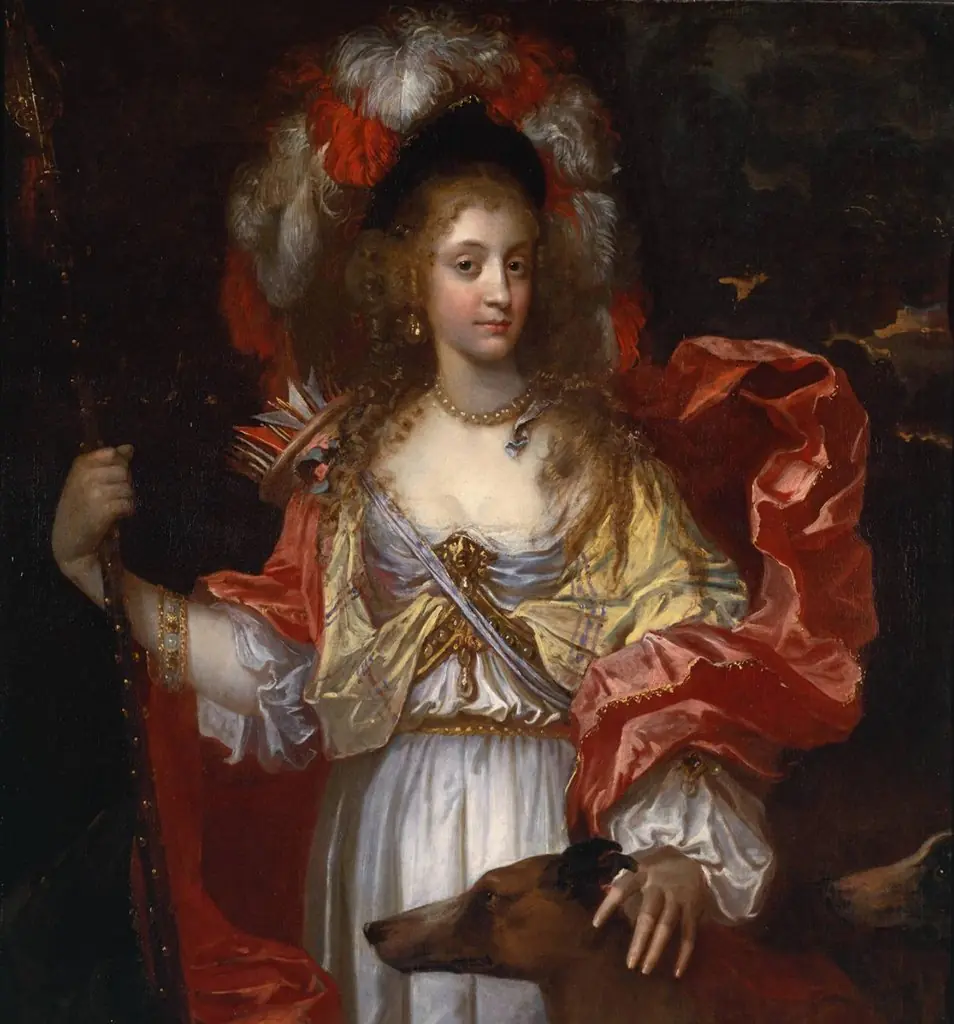 Portrait of a Lady as Diana
 Naisen muotokuva
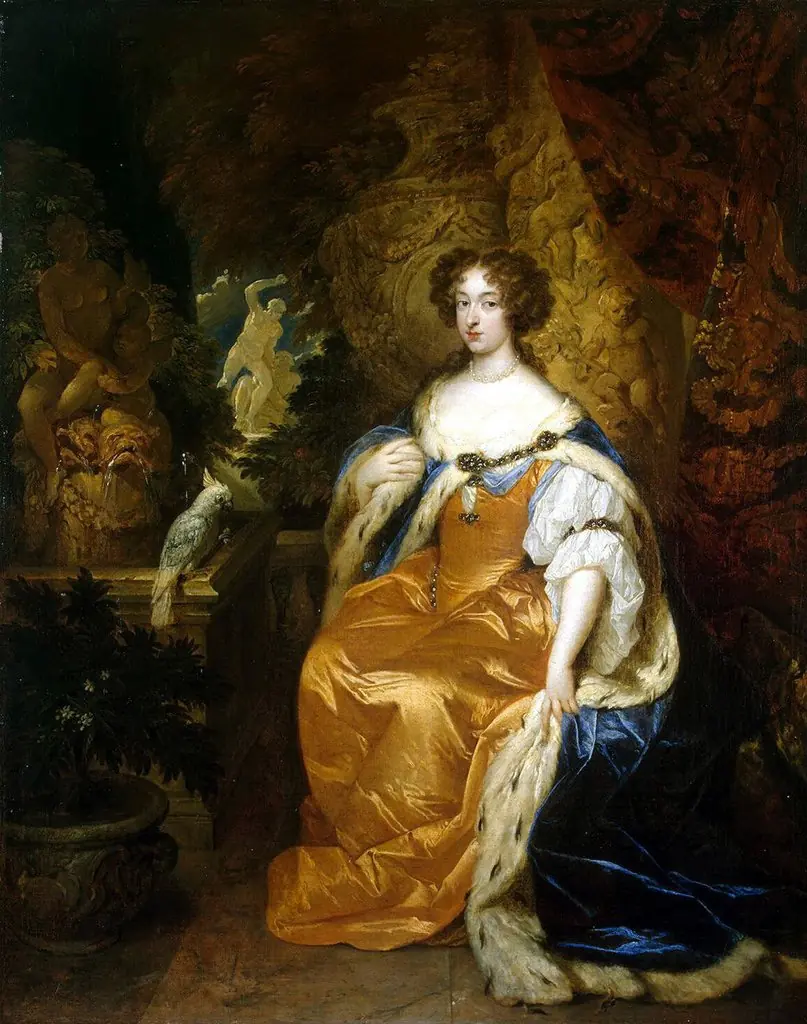 Portrait of Mary Stuart II
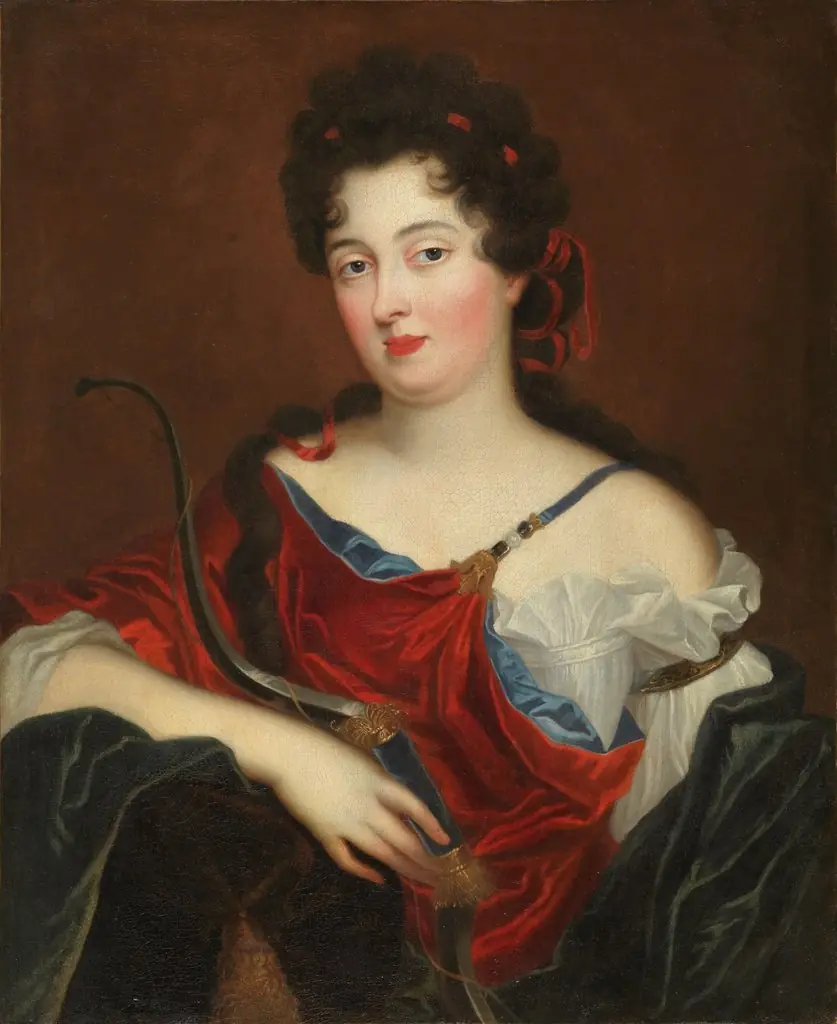 Portrait of a Princess of France as Diana
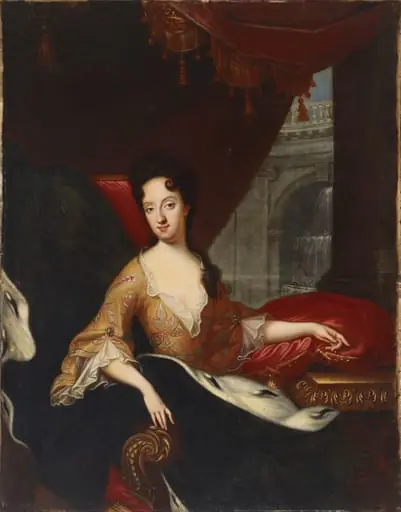 Kuningatar Ulrika Eleonora vanh.
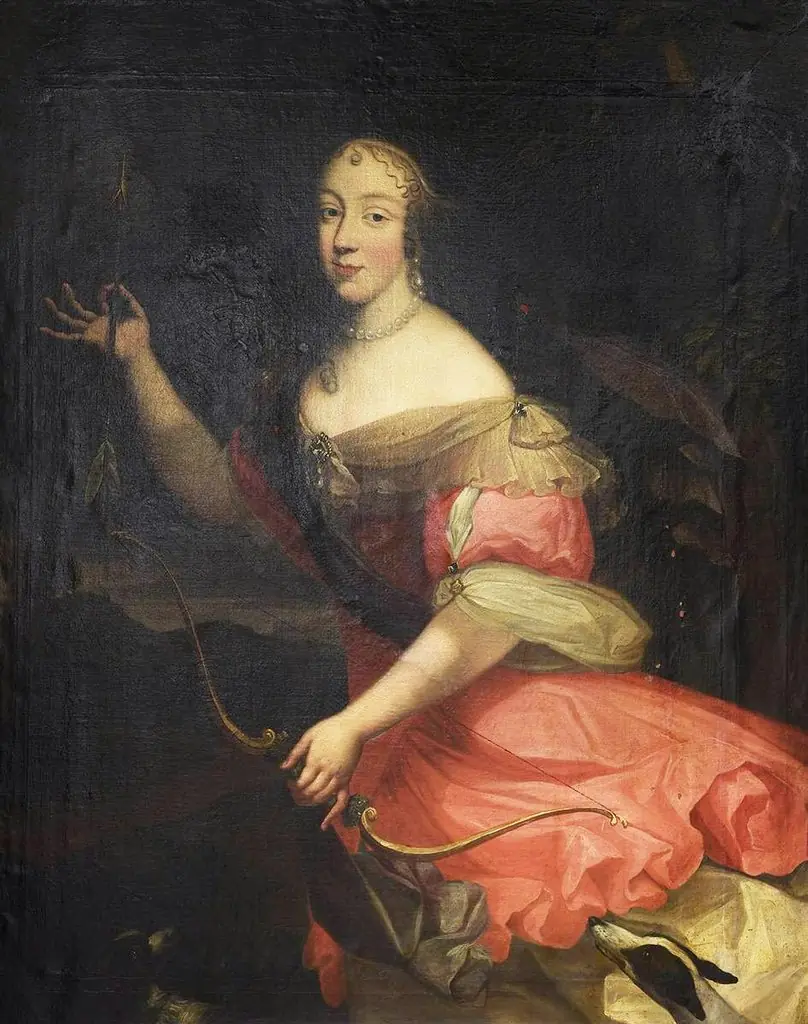 Bildnis einer Hofdame
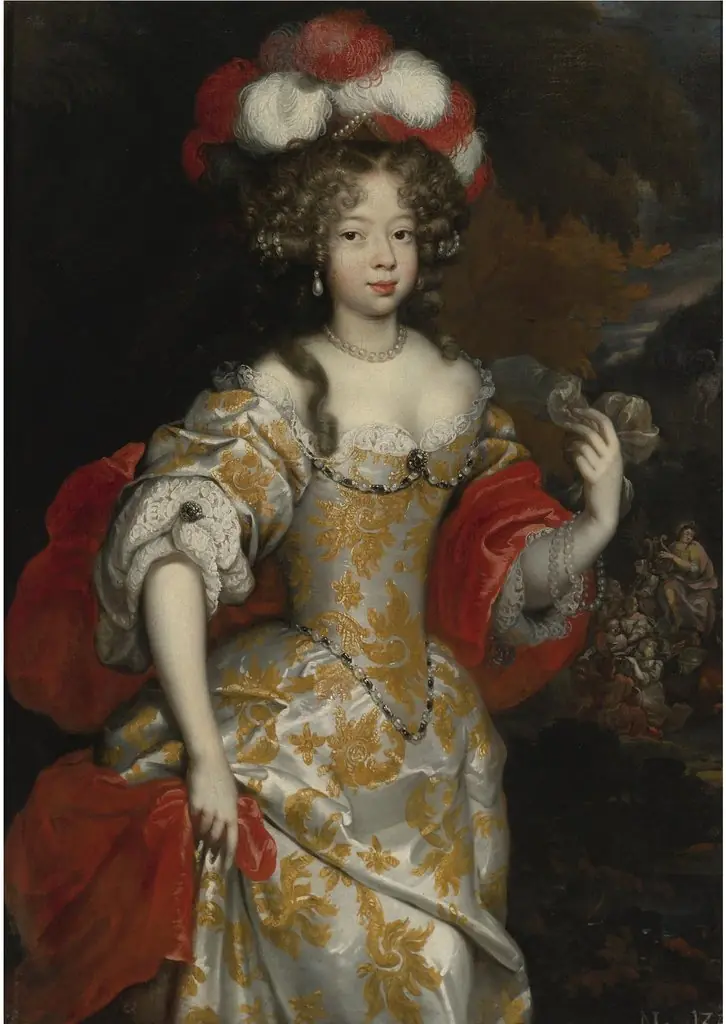 Portrait of Hortense Mancini
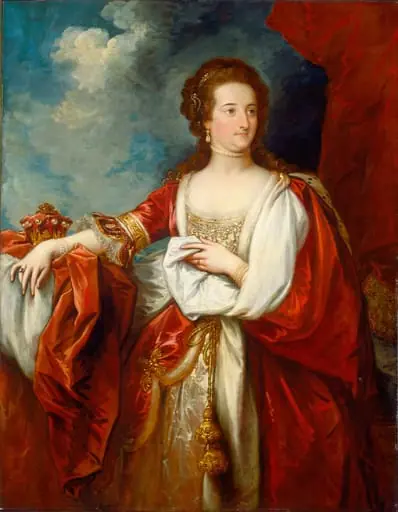 Elizabeth, Countess of Effingham
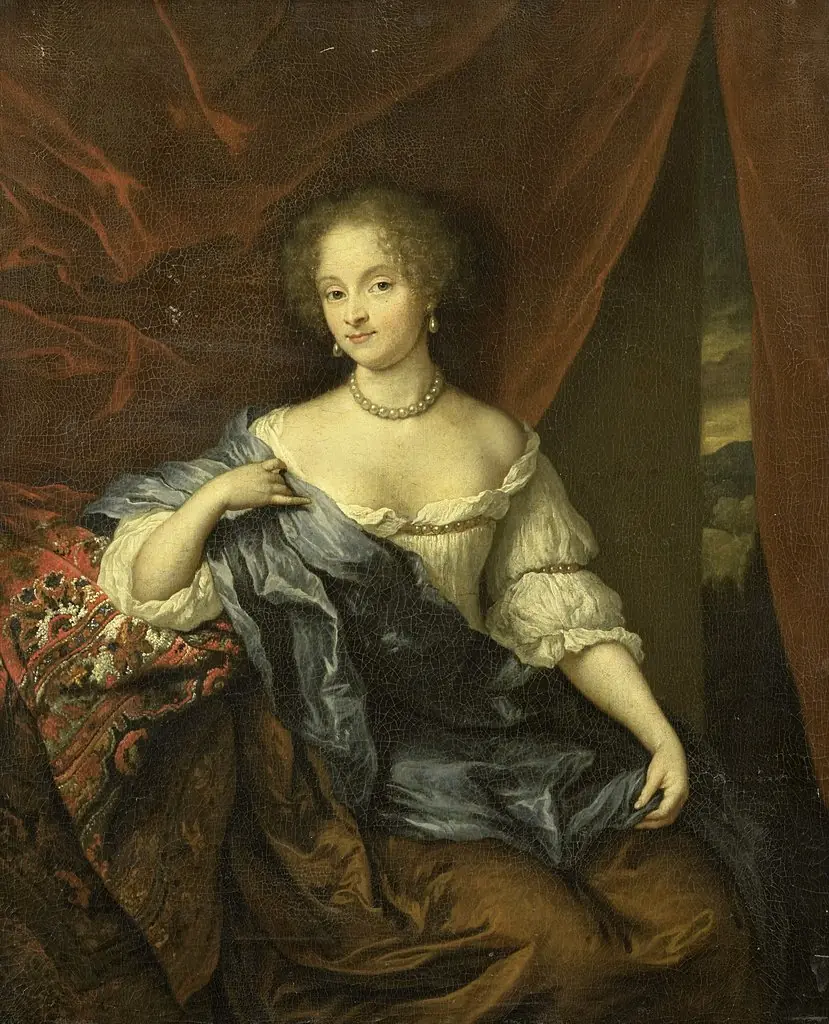 Portrait of a woman, possibly a member of the van Citters family