Artwork
Portrait of a Princess of France as Diana
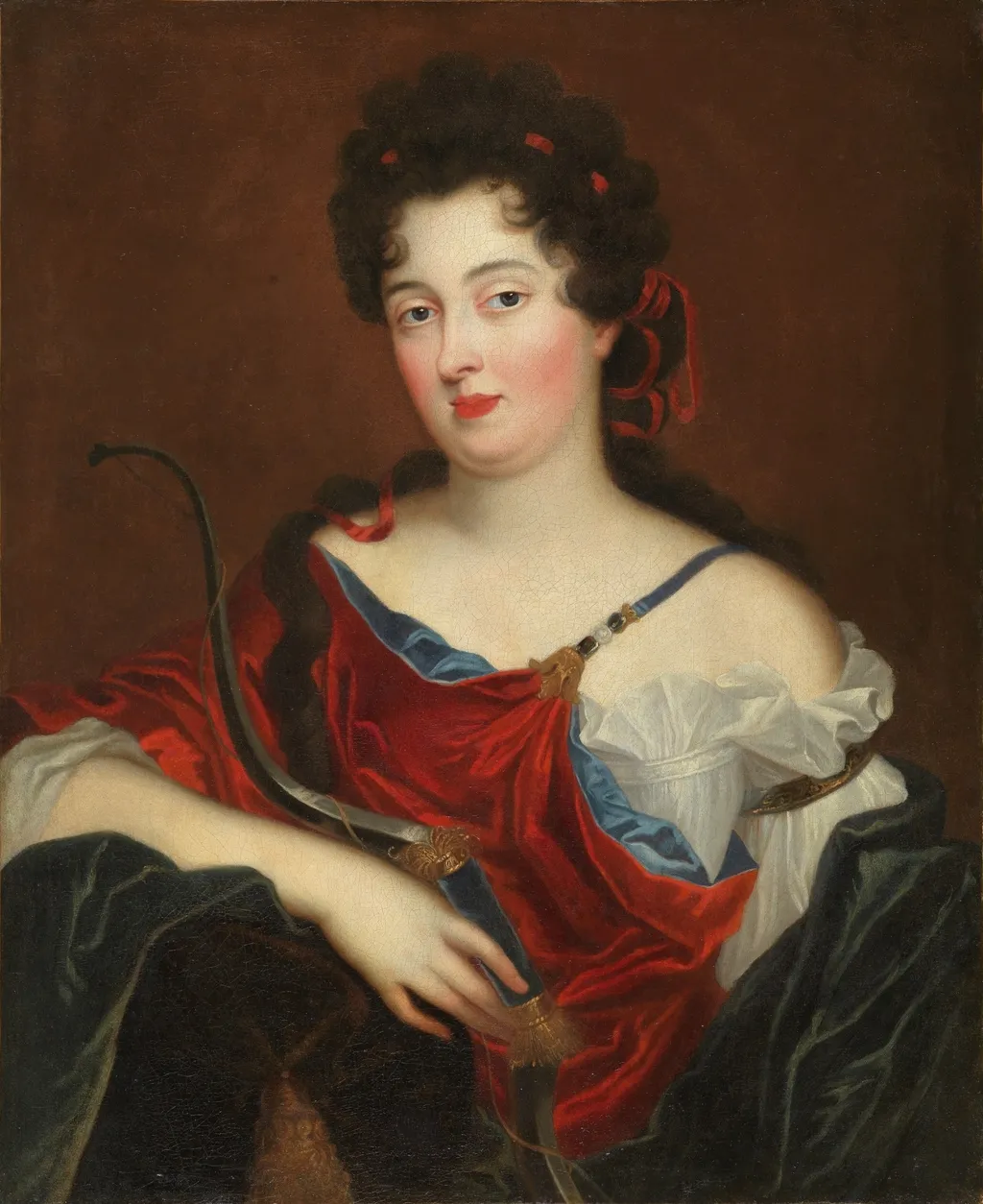
Portrait of a Princess of France as Diana is an oil painting by the Rococo painting artist Philippe Vignon. It dates from 1700 and is held in the collection of the Museo del Prado.
About this work
Overview
This oil painting, completed in 1700 by Philippe Vignon, depicts an unidentified noblewoman from the French court. The work is part of the permanent collection of the Museo del Prado in Madrid. Executed with meticulous detail, the portrait employs a restrained palette dominated by deep tones, allowing the subject’s attire and facial features to emerge with clarity.
Subject & Meaning
Her costume—richly colored and adorned with lace—signals aristocratic status, while the fan and ribbons reinforce contemporary ideals of grace and femininity.
The sitter is presented in the guise of Diana, the Roman goddess of the hunt, a common allegorical device in European portraiture of the period. Her costume—richly colored and adorned with lace—signals aristocratic status, while the fan and ribbons reinforce contemporary ideals of grace and femininity. The allegory elevates the portrait beyond mere likeness, imbuing it with classical and courtly significance.
Technique & Style
Vignon’s technique emphasizes volumetric modeling through controlled contrasts of light and shadow, a method known as chiaroscuro. The rendering of textiles, particularly the delicate lace and flowing sleeves, demonstrates a refined handling of oil paint, capturing both texture and drape. The dark background serves to isolate the figure, directing attention to the interplay of fabrics and flesh tones.
History & Provenance
Created at the turn of the 18th century, the portrait likely originated within the French royal or aristocratic circles before entering the Spanish royal collection. Its presence in the Museo del Prado suggests a transfer through dynastic or diplomatic channels, though specific early ownership remains unrecorded. The painting has been conserved as part of the museum’s holdings since its acquisition.
Context
Portraits of this kind were commissioned to assert social rank and cultural refinement, often employing mythological guises to ennoble the sitter. The choice of Diana reflects both the enduring influence of classical antiquity and the tastes of the French court under Louis XIV, where allegorical portraiture flourished. Such works functioned as visual assertions of lineage and intellect within elite circles.
Own this work as a print
Artist & collection

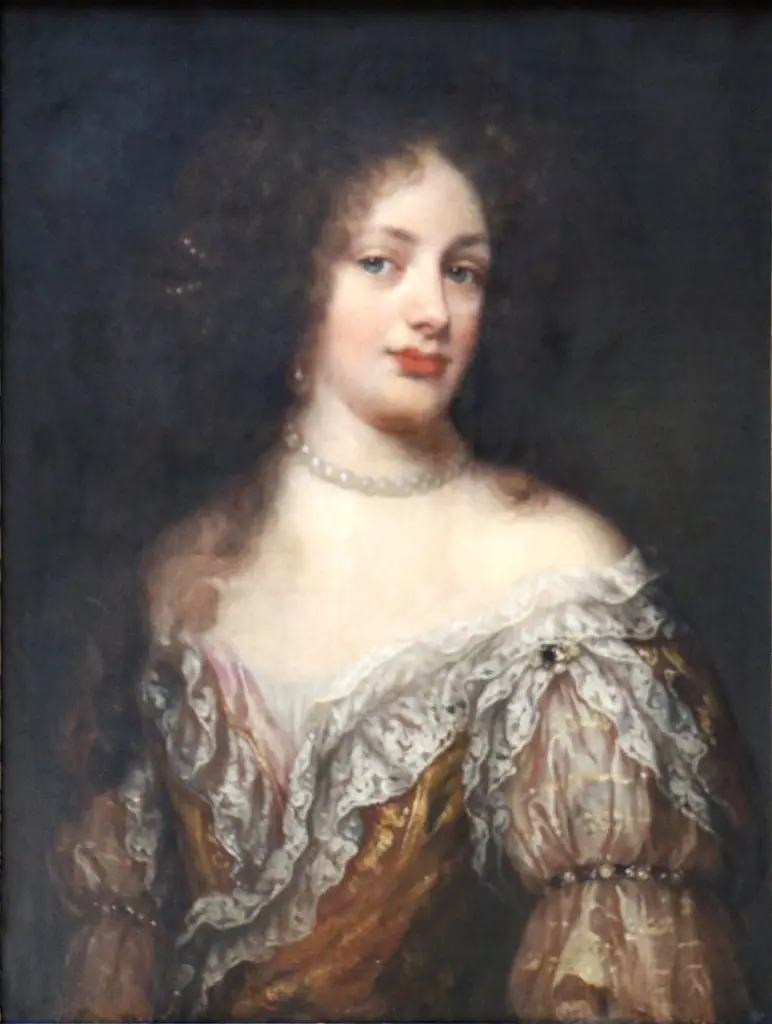 Portrait of a lady
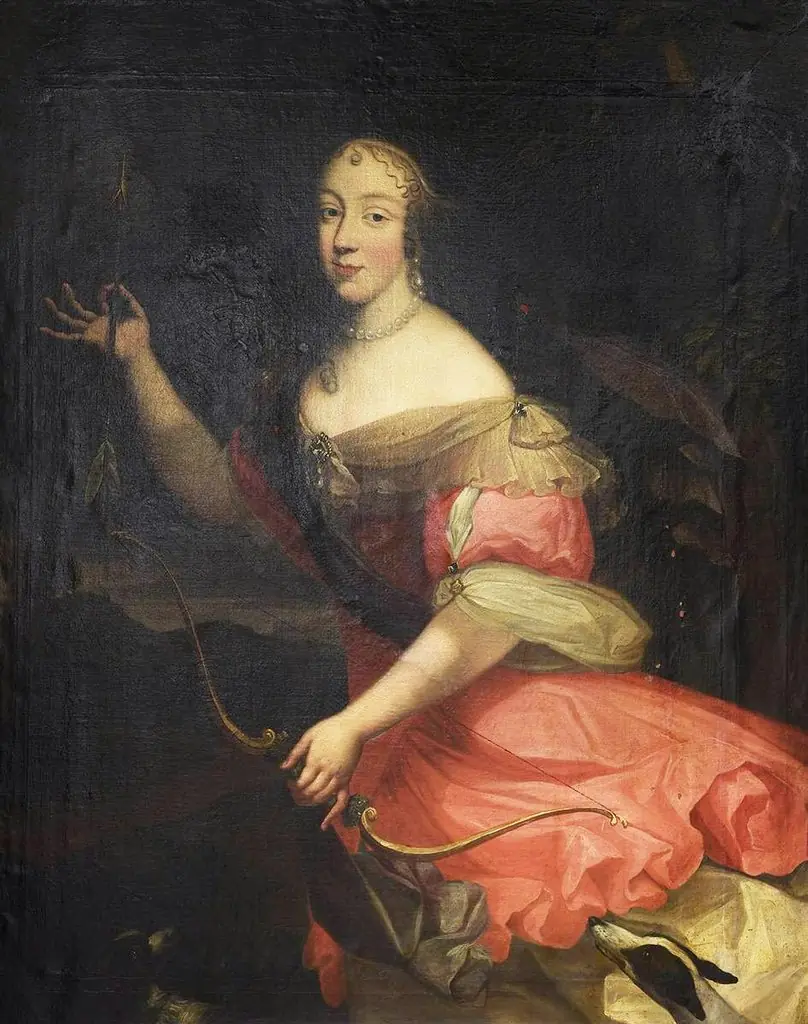 Bildnis einer Hofdame
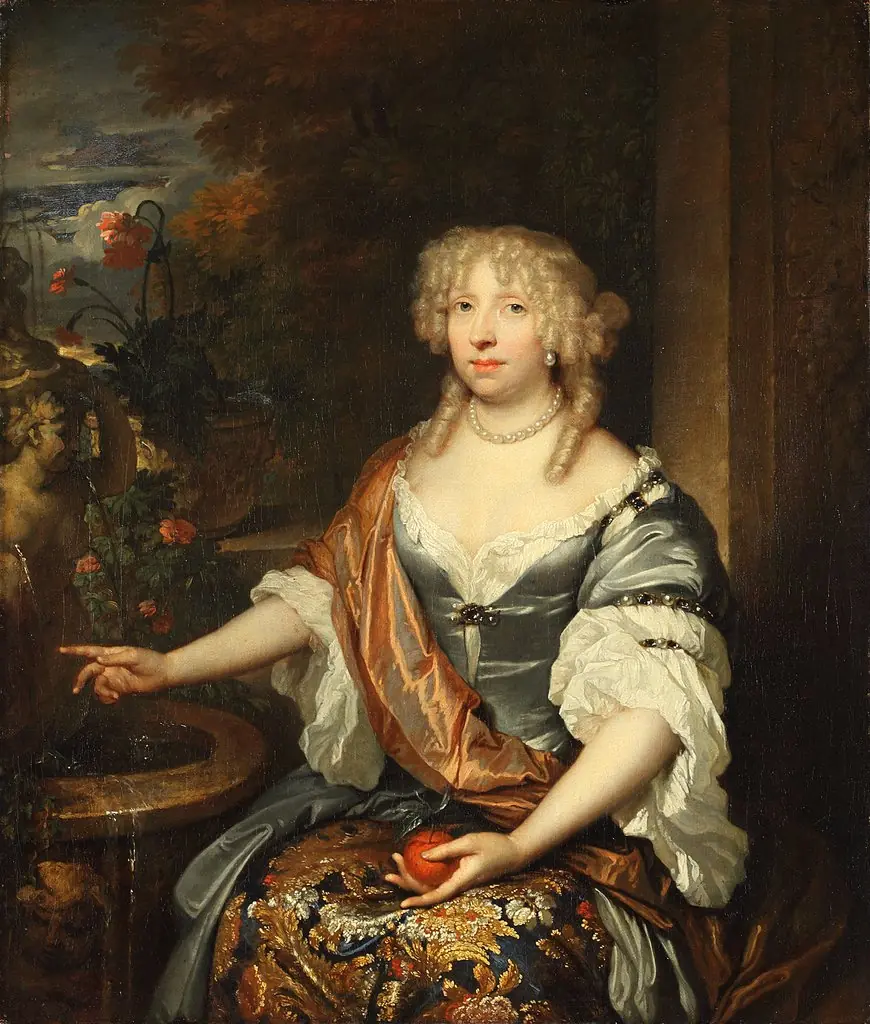 Portrait of a Lady
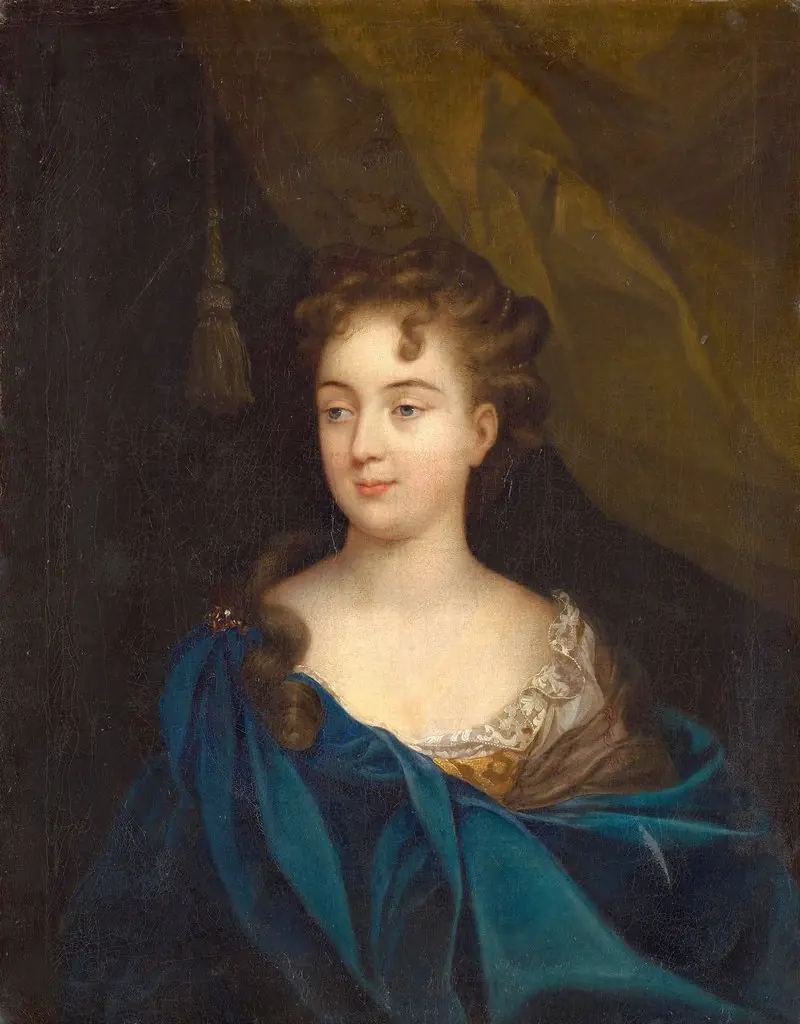 Maria Anna Christina, Dauphine von Frankreich (1660-1690) (Umkreis)
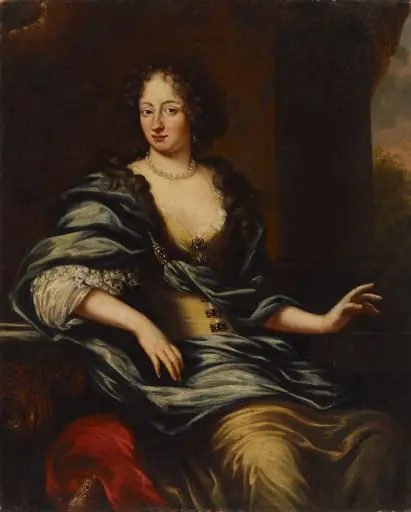 Kuningatar Ulrika Eleonora vanhempi
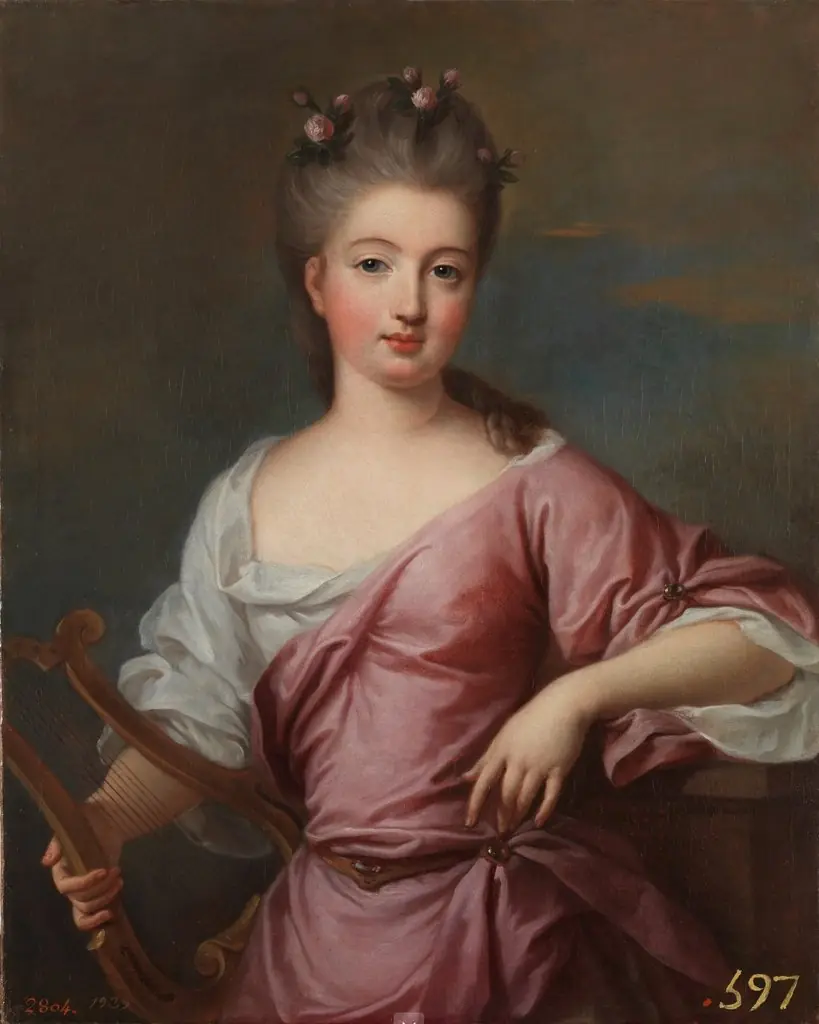 Portrait of Mlle de Berry
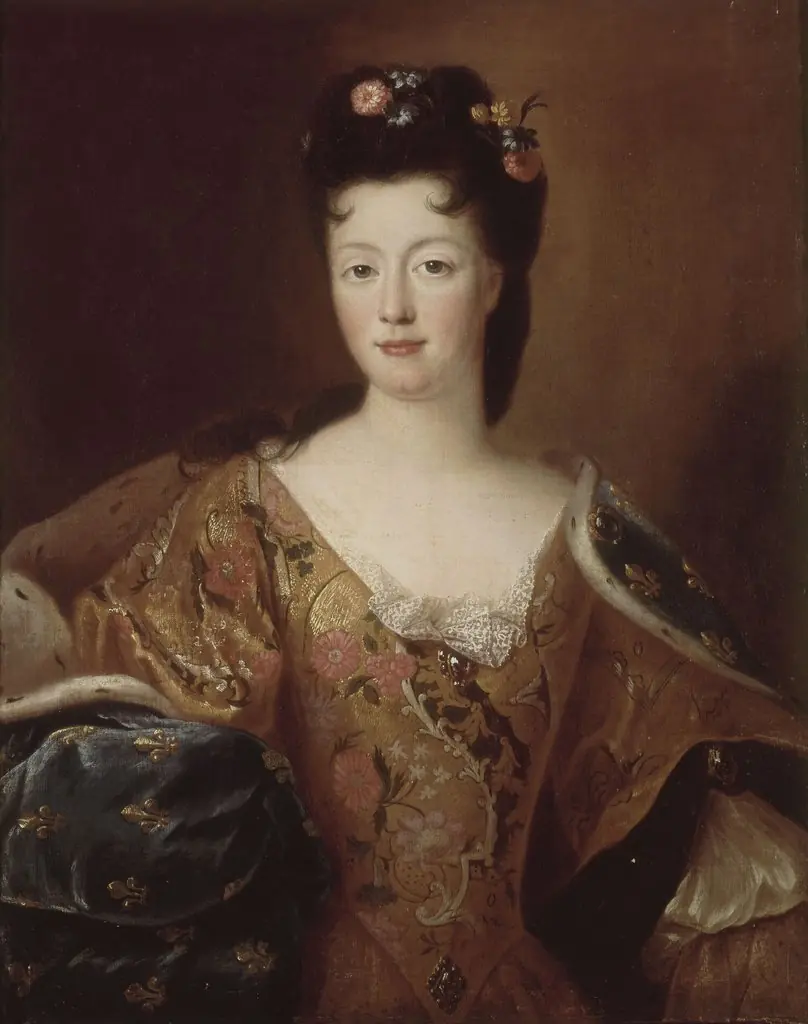 Elisabeth-Charlotte d'Orléans, Duchess of Lorraine
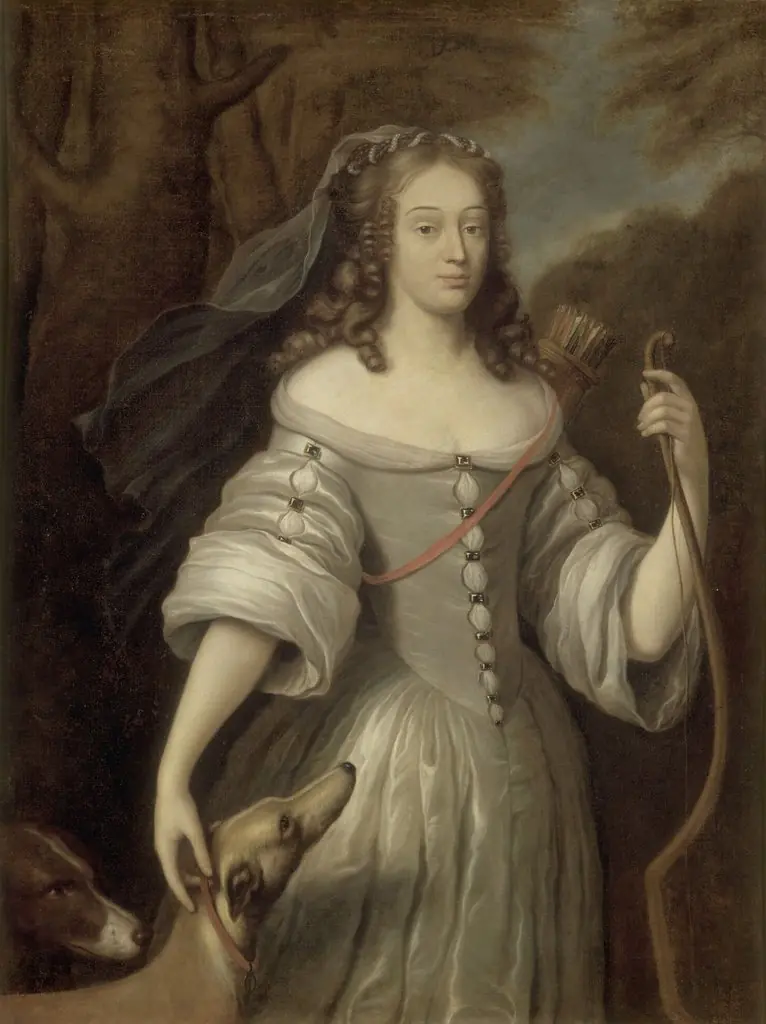 Presumed portrait of Louise-Françoise de La Baume Le Blanc, duchesse de La Vallière as Diana
 Portrait of a woman in Minerva’s costume
 Jennings-suvun jäsen
 Kreivitär Ingeborg Posse
 Portrait of a Woman with Attributes of Diana