Artwork
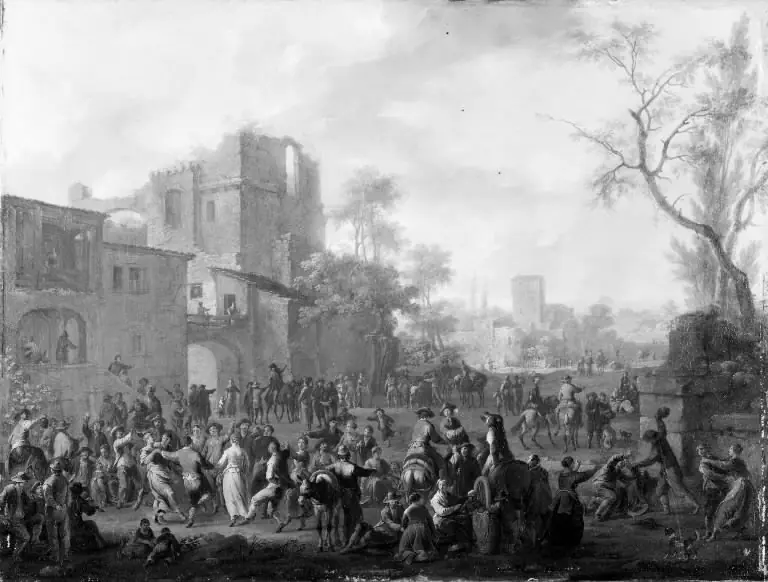
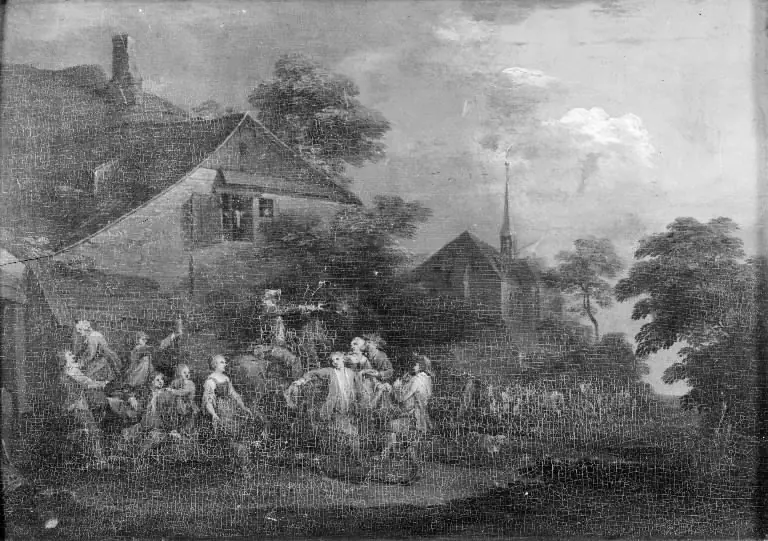
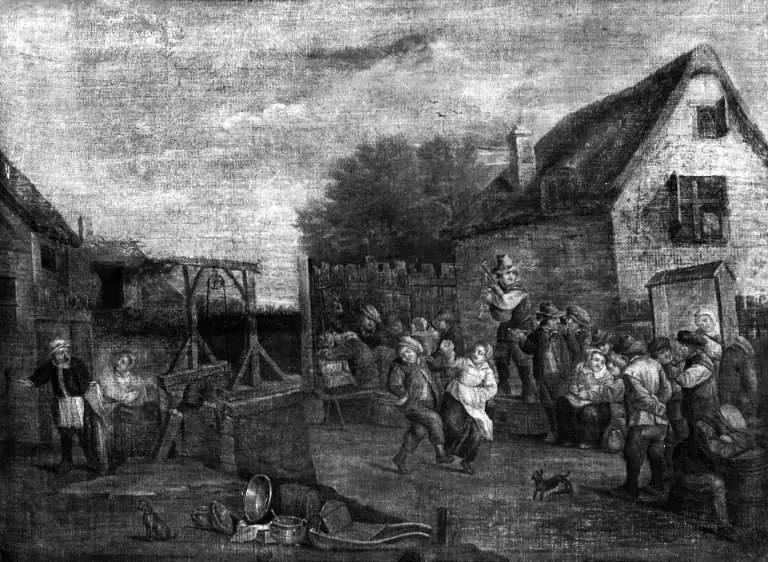
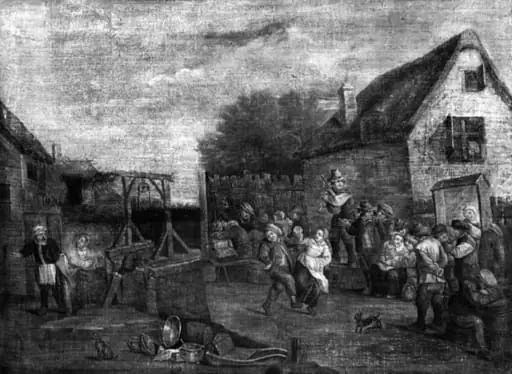
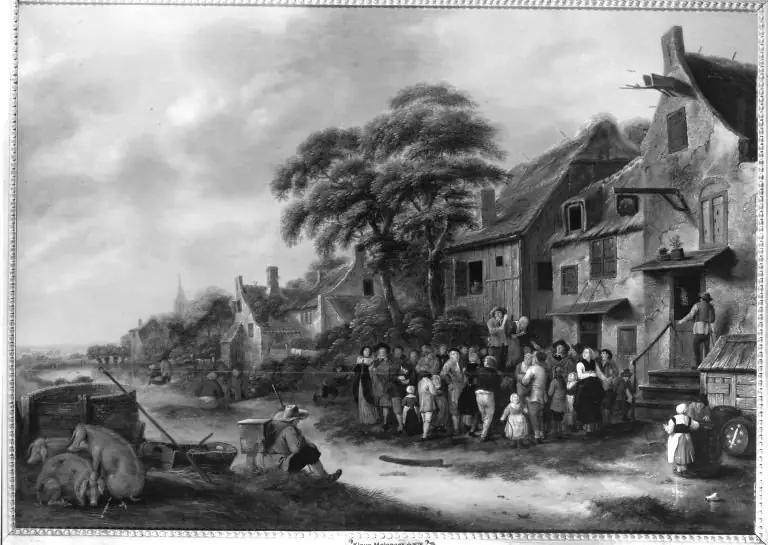
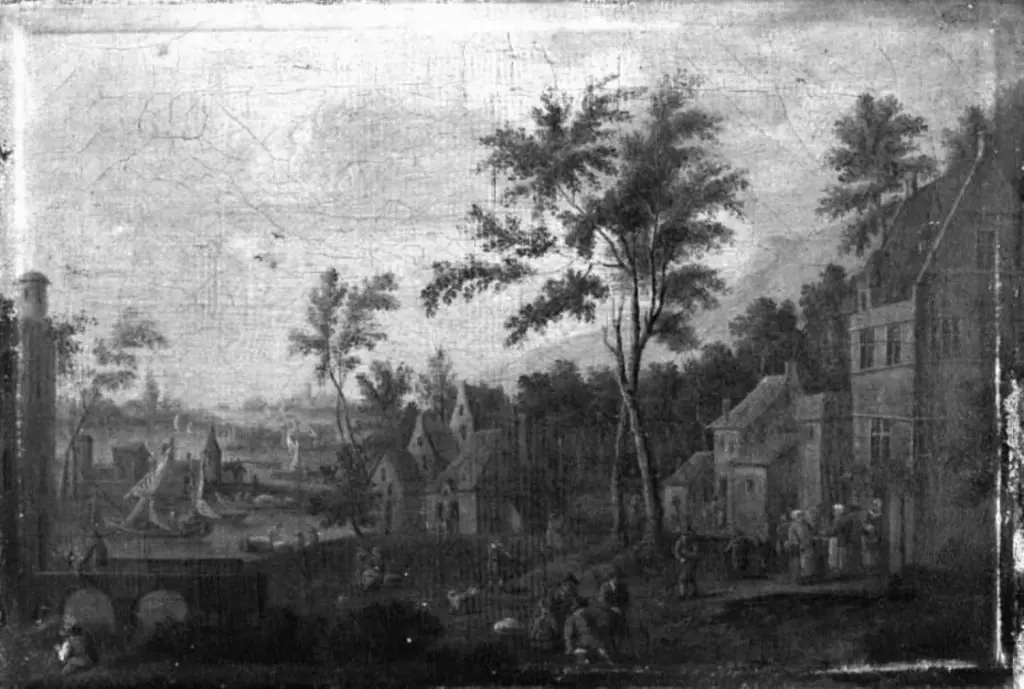
Peasants Merry-Making
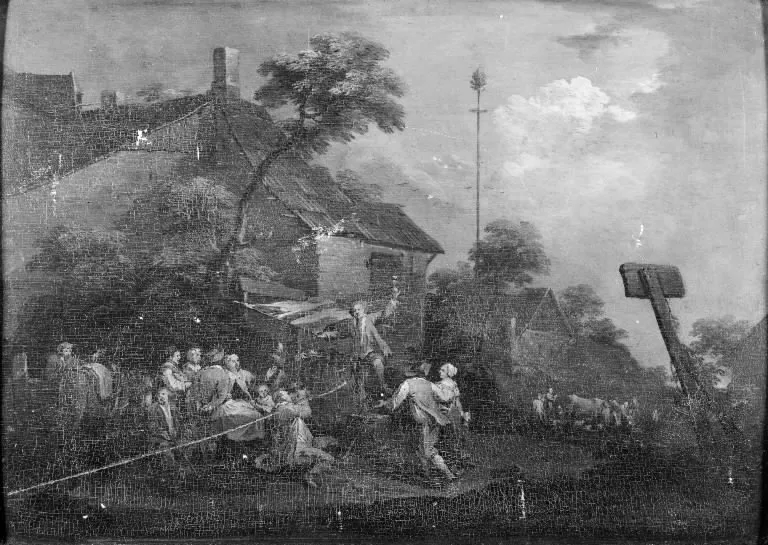
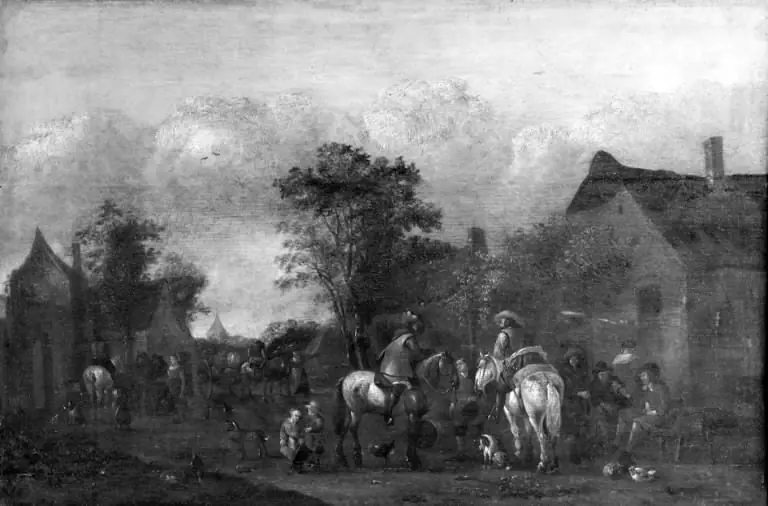
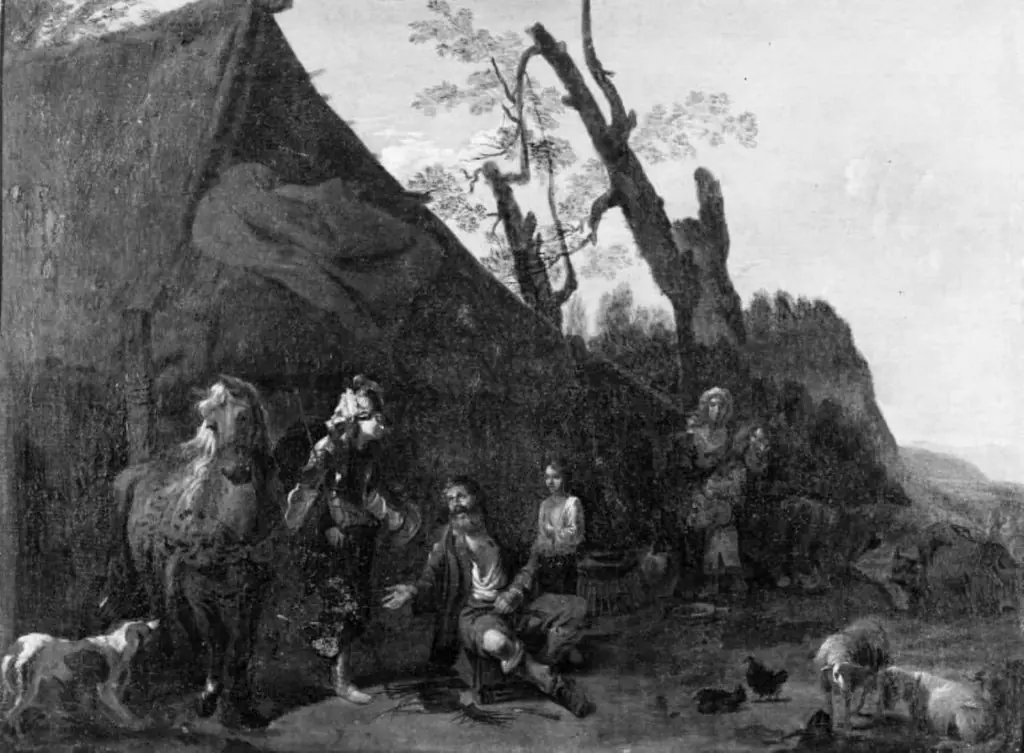
Peasants Merry-Making is an unspecified painting by the Rococo painting artist Franz de Paula Ferg. It dates from 1722 and is held in the collection of the Statens Museum for Kunst.
About this work
Overview
It captures a moment of communal celebration in a village setting, rendered with attention to movement and atmosphere rather than idealized form.
Franz de Paula Ferg, an Austrian artist active in the early 18th century, painted *Peasants Merry-Making* in 1722. The work belongs to the Rococo era and exemplifies his interest in rural social life. It captures a moment of communal celebration in a village setting, rendered with attention to movement and atmosphere rather than idealized form. The painting is part of the permanent collection at Statens Museum for Kunst in Copenhagen.
Subject & Meaning
The scene portrays villagers engaged in spontaneous celebration, centered on a musician playing a stringed instrument. Others dance, clap, or observe from the periphery, suggesting a casual, unscripted gathering. Ferg avoids moralizing or romanticizing peasant life; instead, he presents it as a natural expression of community. The absence of aristocratic figures underscores the autonomy of rural social rituals.
Technique & Style
Ferg employs strong chiaroscuro to define figures against a dimmer background, enhancing the sense of motion and focus. Brushwork is energetic and direct, with bold strokes defining clothing and gestures. Colors are rich but grounded in earth tones, accented by brighter hues in garments and lanterns. The composition is asymmetrical, guiding the eye through the crowd without formal symmetry.
History & Provenance
Painted in 1722, the work entered the Danish national collection at Statens Museum for Kunst in the 19th century, likely through acquisition or donation. Its presence in Denmark reflects broader European interest in genre scenes from the Habsburg territories. No significant alterations or restorations are documented, preserving Ferg’s original handling of light and texture.
Context
During the early 1700s, genre painting gained traction across Central Europe as a counterpoint to religious and mythological themes. Ferg’s work aligns with a regional tradition of depicting peasant life with observational fidelity, influenced by Dutch and Flemish precedents. Unlike later Romanticized depictions, his scenes avoid sentimentality, reflecting a more documentary impulse.
Legacy
Ferg’s *Peasants Merry-Making* remains a representative example of 18th-century Austrian genre painting. While not widely reproduced, it contributes to scholarly understanding of how rural life was visually recorded outside major artistic centers. The painting’s endurance in a national collection affirms its value as a record of social practice, not merely aesthetic achievement.
Artist & collection
Artist
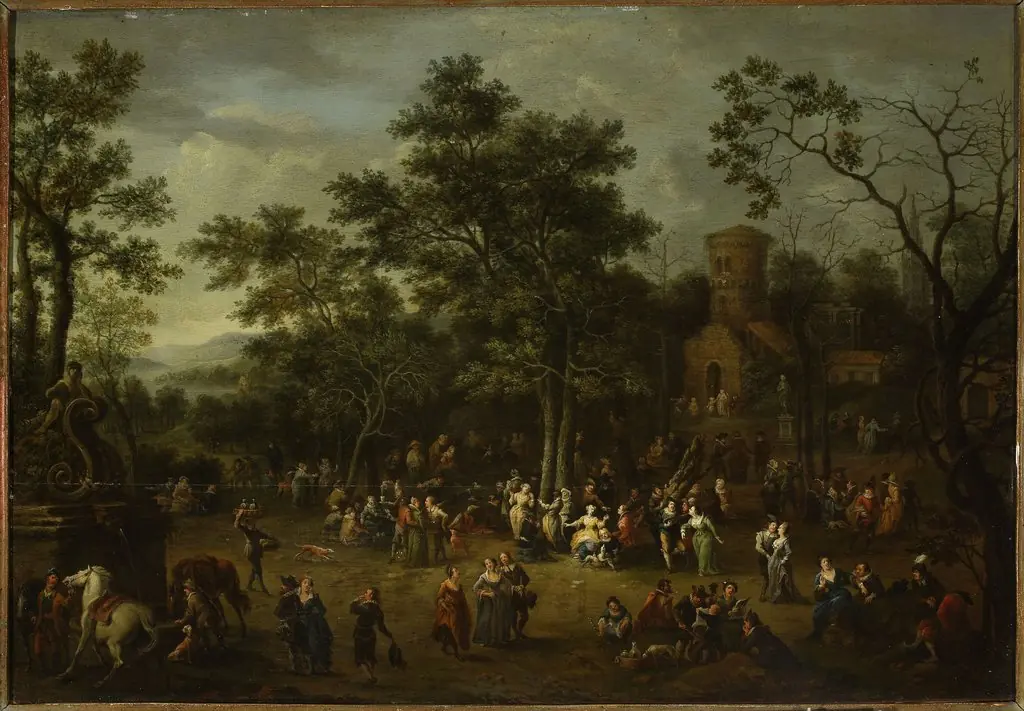
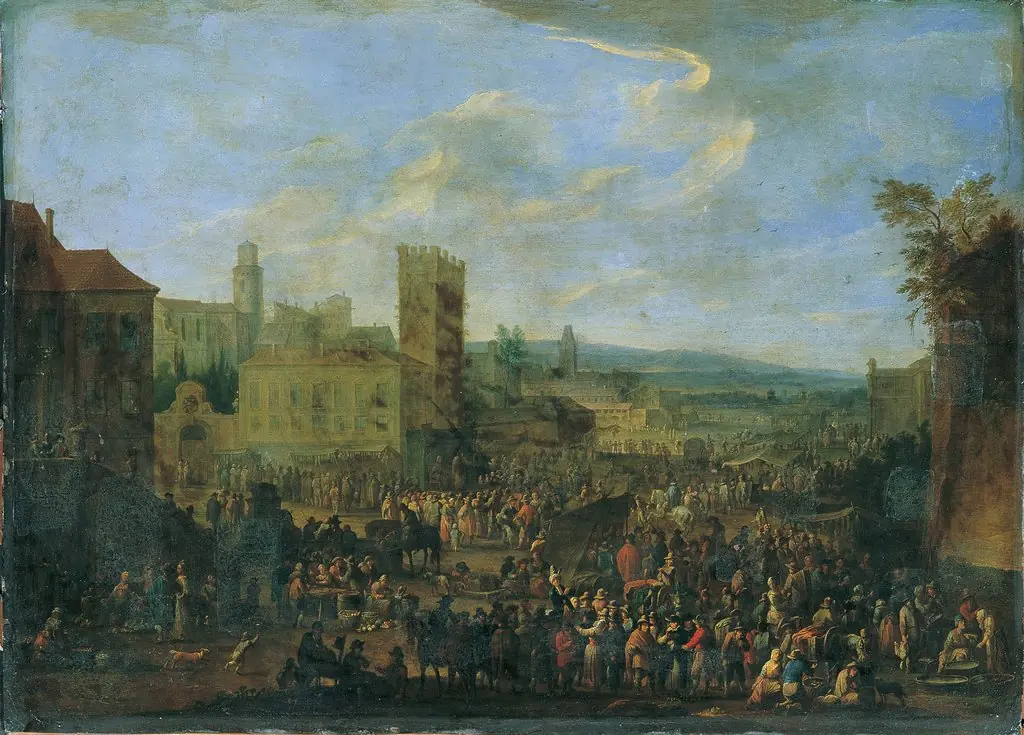
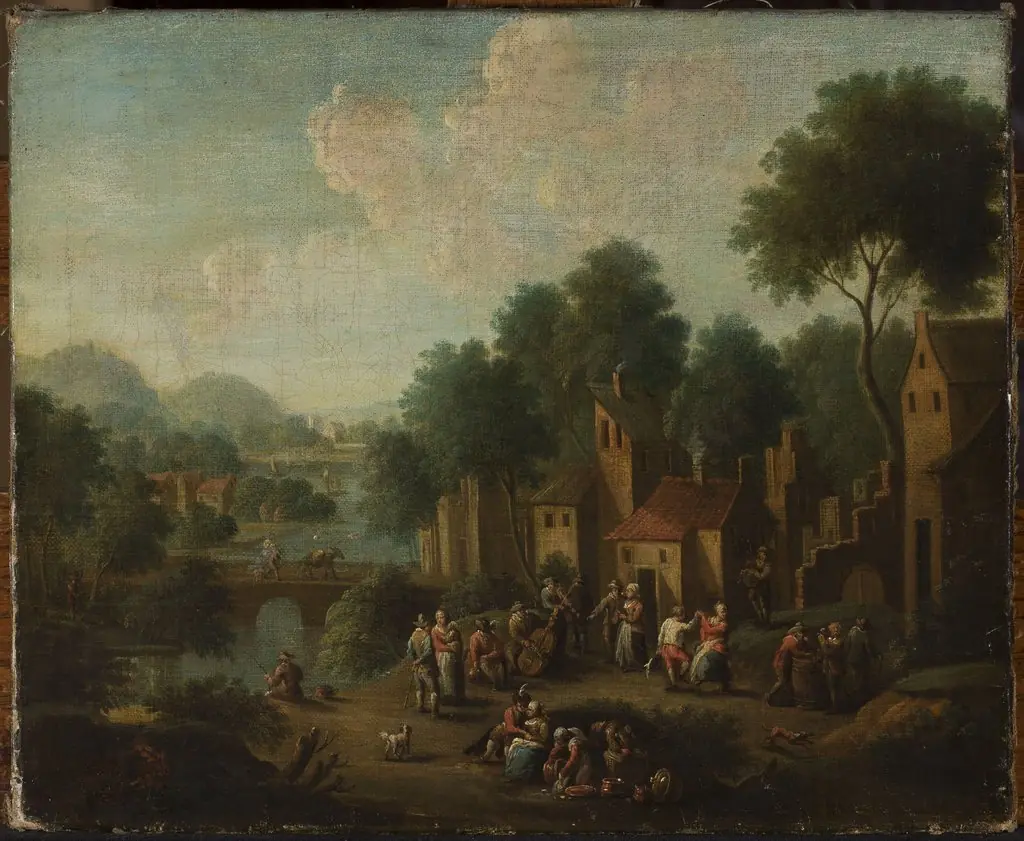
Franz de Paula Ferg (2 May 1689 – 1740), also known as Francis Paul Ferg, was an Austrian painter, draughtsman, and printmaker. He painted primarily scenes of daily life, such as people interacting in markets and villages.