Artwork
Landscape
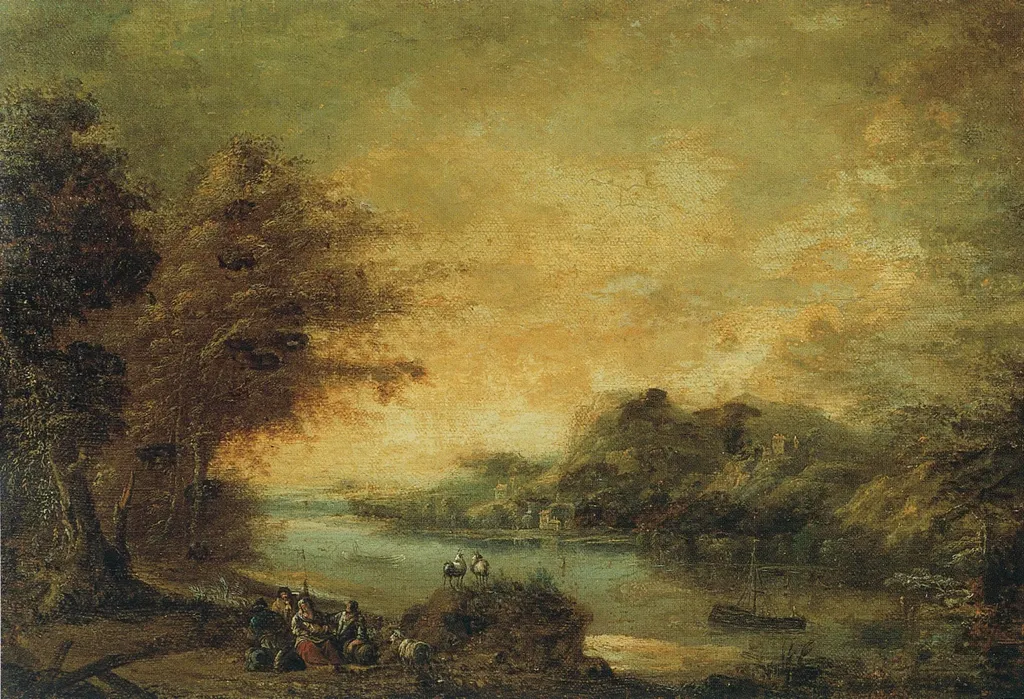
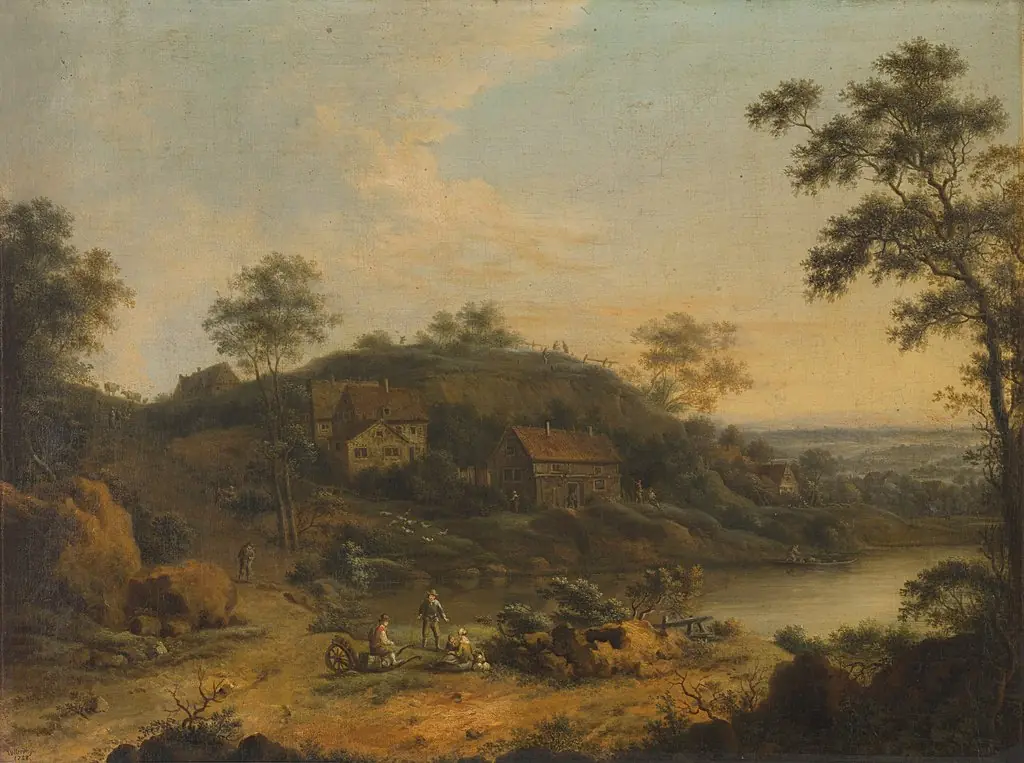
Landscape is an unspecified painting by Franz Schütz. It dates from 1776 and is held in the collection of the National Museum of Fine Arts, Argentina.
About this work
Overview
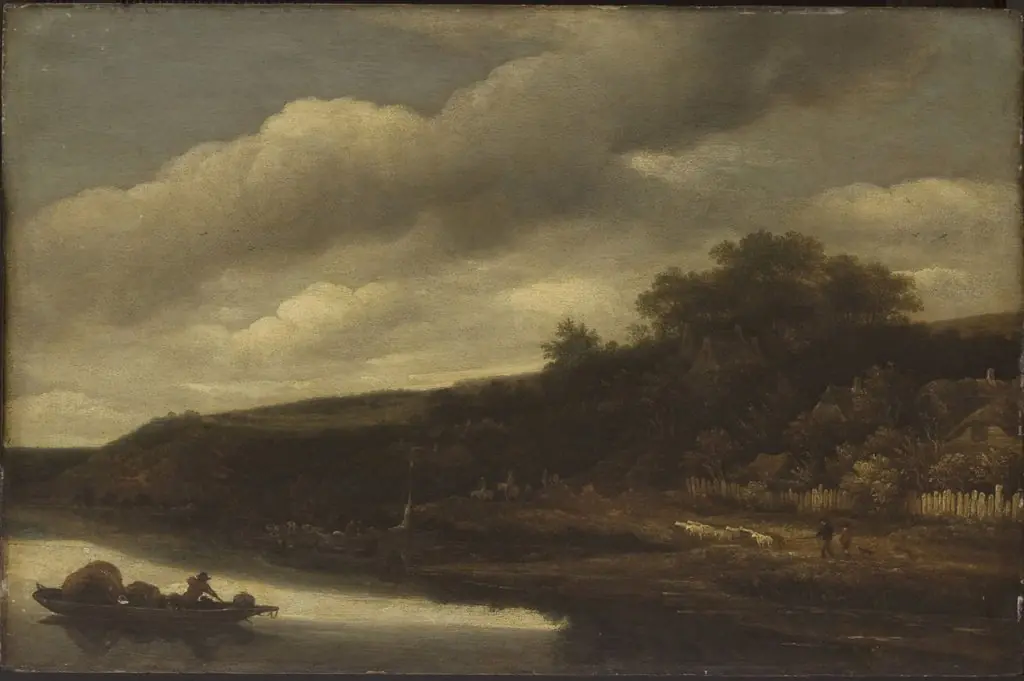
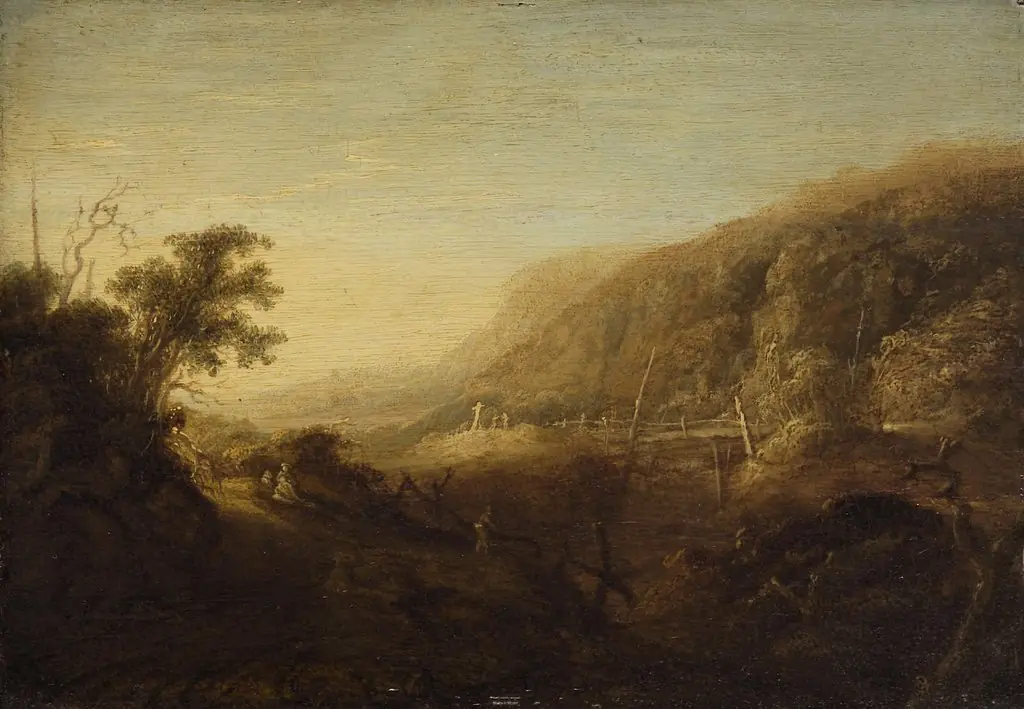
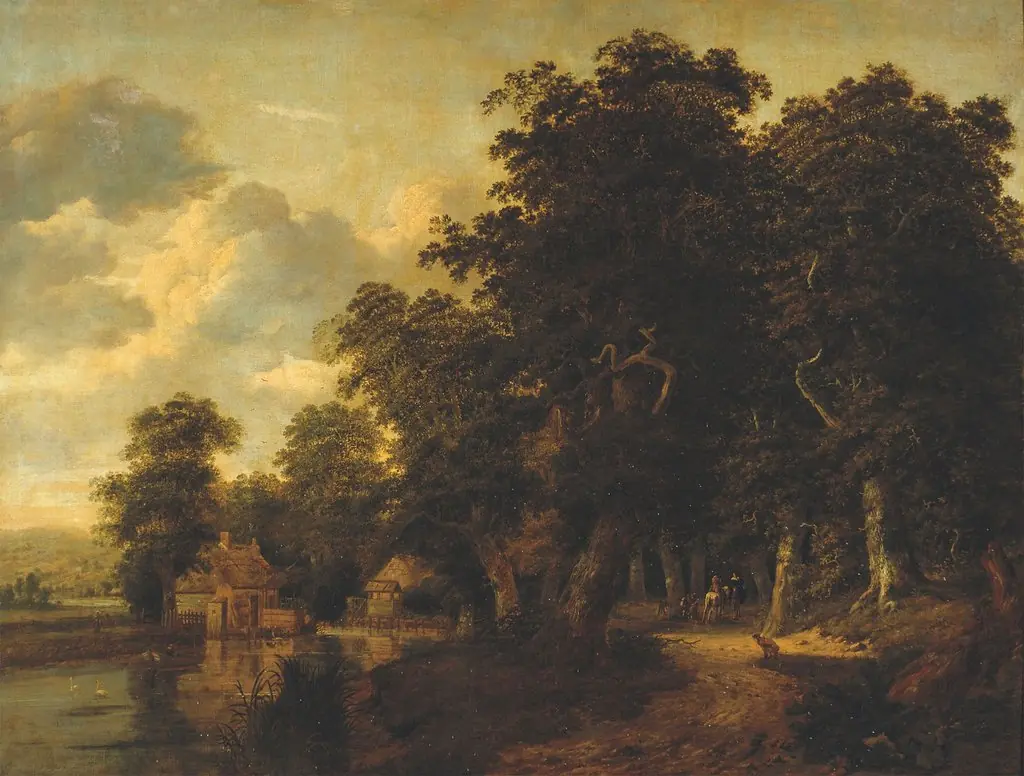
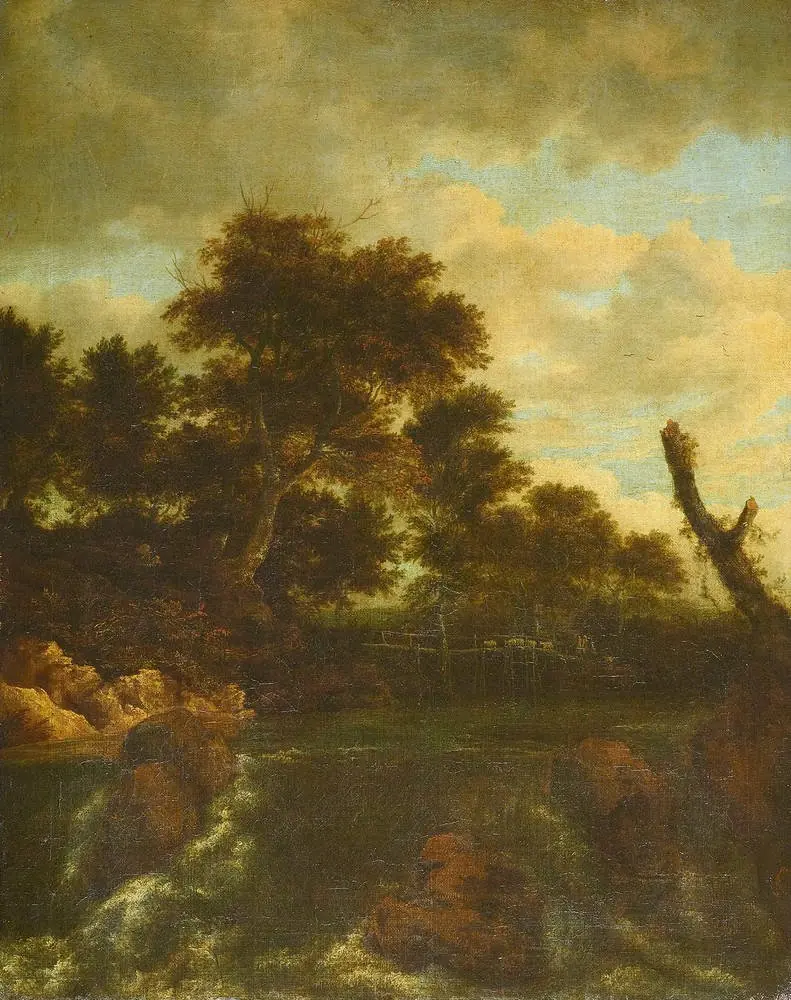
Painted around 1776, this landscape by Franz Schütz is a quiet depiction of natural stillness, now part of the National Museum of Fine Arts in Buenos Aires.
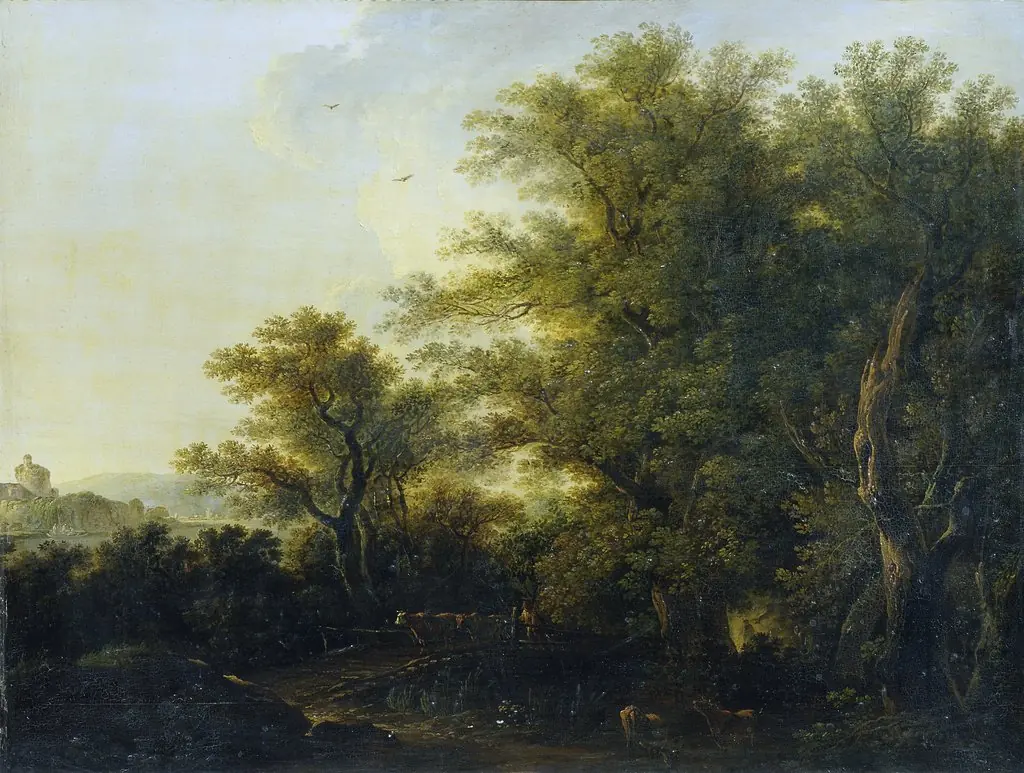
Painted around 1776, this landscape by Franz Schütz is a quiet depiction of natural stillness, now part of the National Museum of Fine Arts in Buenos Aires. The composition centers on a broad expanse of water, flanked by dense vegetation and distant structures, all rendered with restrained tonal variation. The atmosphere is calm, emphasizing harmony between land, water, and sky without dramatic intervention.
Subject & Meaning
The scene presents an unpopulated, contemplative environment—no figures or signs of activity interrupt the stillness. The water, trees, and modest buildings suggest a rural setting, perhaps a private estate or remote countryside. The absence of human presence invites reflection rather than narrative, aligning with 18th-century ideals of nature as a refuge from urban life.
Technique & Style
Schütz employs soft, blended brushwork to render the sky and water, using muted yellows and grays to suggest diffuse daylight. Subtle shifts in tone on the water’s surface imply gentle ripples and reflected light, while the foliage is suggested with loose, textured strokes. The perspective recedes gently, avoiding sharp lines to maintain a hazy, atmospheric quality consistent with early Romantic sensibilities.
History & Provenance
The painting entered the collection of the National Museum of Fine Arts in Buenos Aires in the early 20th century, though its earlier ownership remains undocumented. Its presence in Argentina reflects broader 19th-century efforts to build European-style collections in Latin American institutions, even when works originated in Central Europe.
Context
Created during the late Enlightenment, the work aligns with a growing European interest in landscape as a subject worthy of quiet observation, separate from religious or historical themes. Schütz’s approach echoes contemporaries who favored mood over detail, responding to philosophical shifts that valued nature as a source of emotional and intellectual resonance.
Legacy
Though Franz Schütz is not widely known today, this painting contributes to the understanding of minor German-speaking artists who cultivated intimate landscapes in the decades before Romanticism fully emerged. Its preservation in Buenos Aires underscores the global circulation of small-scale European works during the colonial and post-colonial eras.
Own this work as a print
Artist & collection

Museum
National Museum of Fine Arts, Argentina
Continue through works from the same source collection.