Artwork
Blumen und Früchte
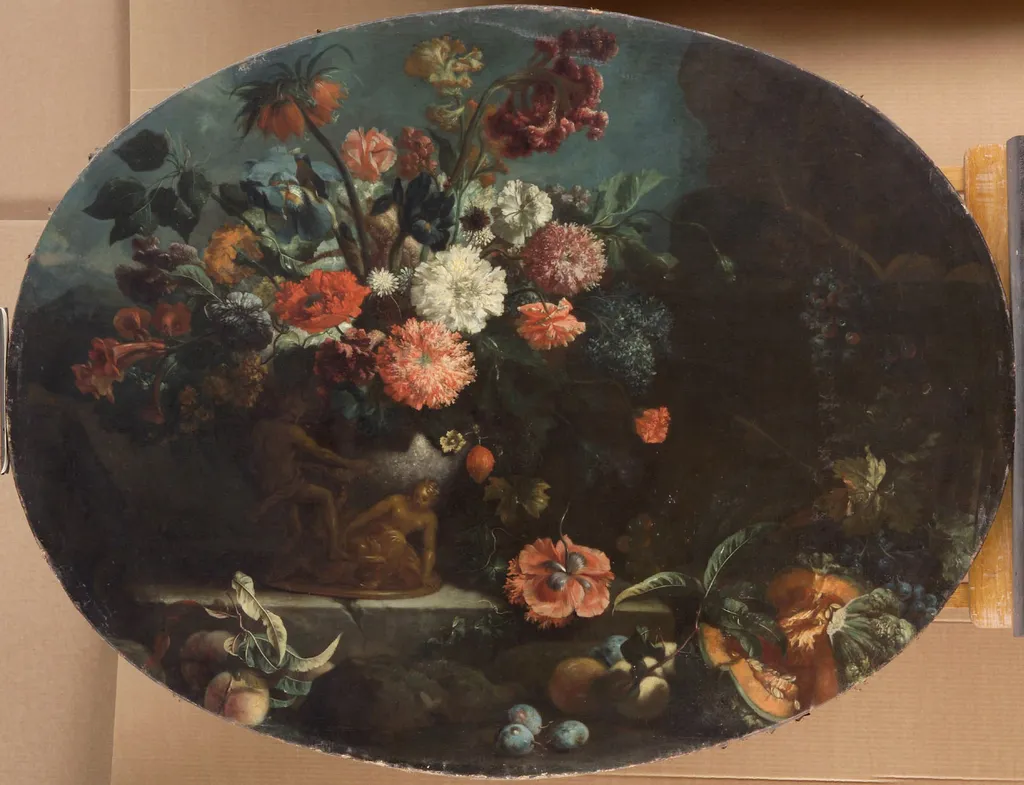
Blumen und Früchte is an unspecified painting by Franz Werner Tamm. It dates from 1701 and is held in the collection of the Kunsthistorisches Museum.
About this work
Overview
The dark background enhances the luminosity of the subjects, creating a quiet sense of abundance without overt theatricality.
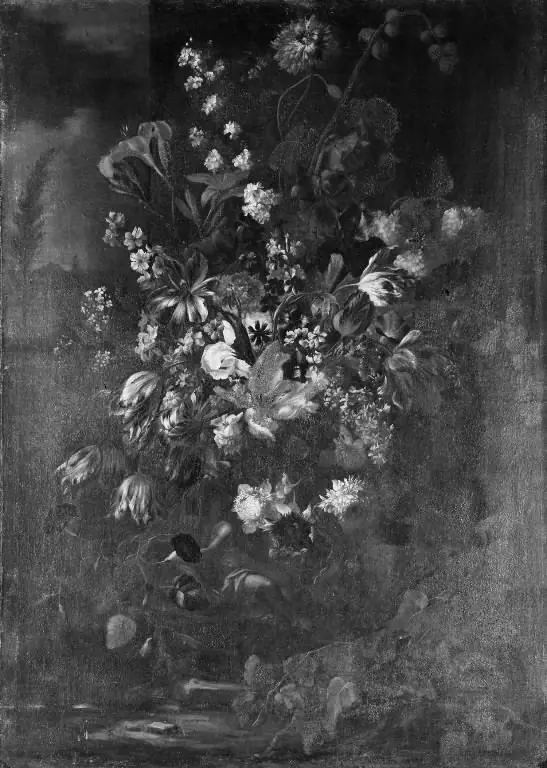
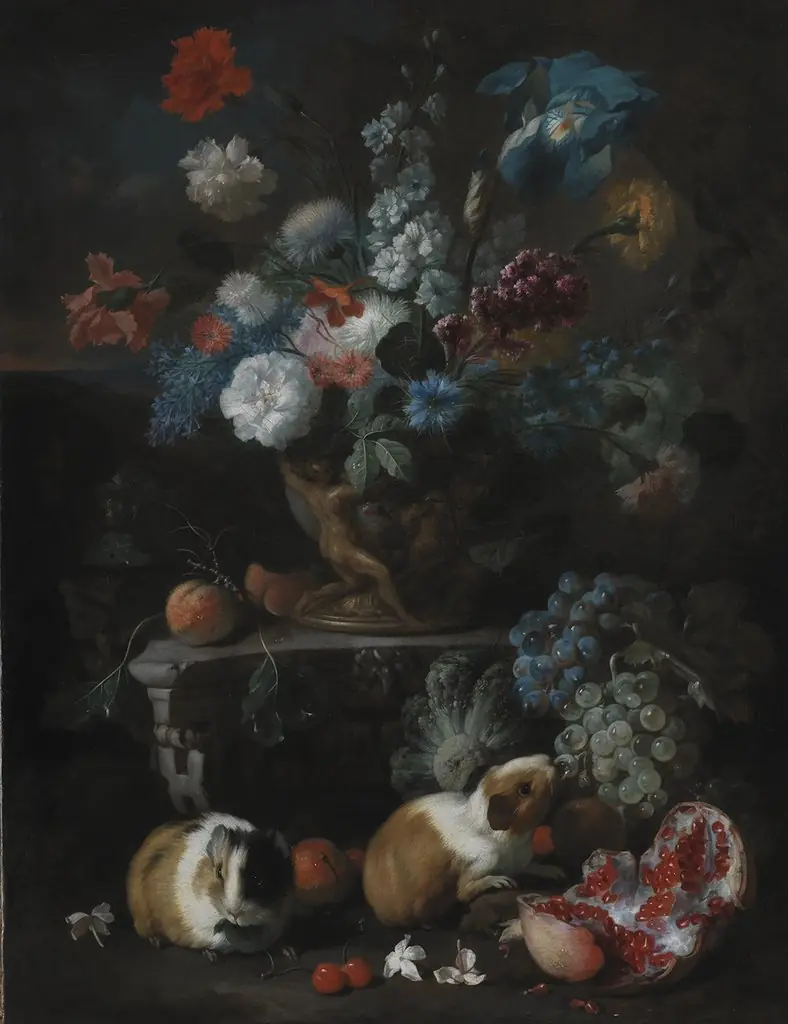
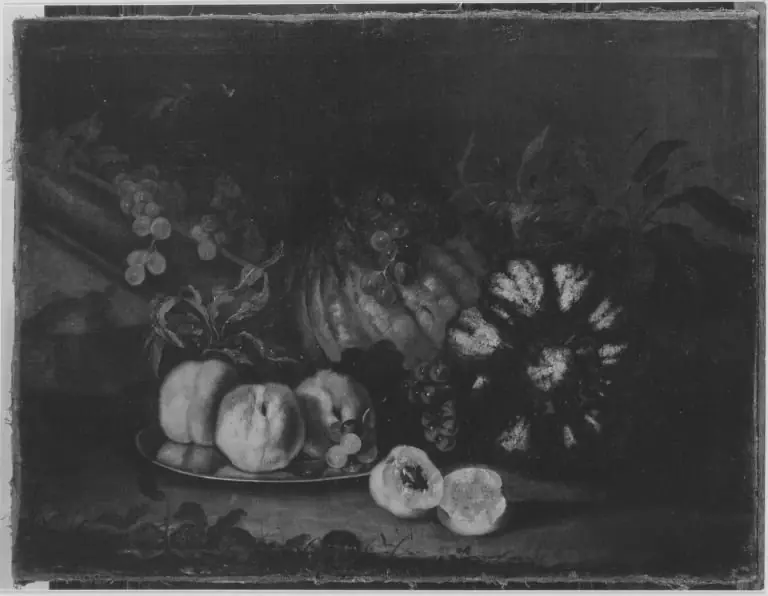
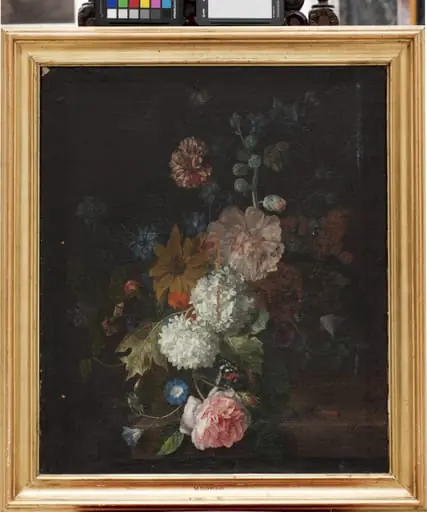
Painted around 1701 by Franz Werner Tamm, this oval still life depicts a dense arrangement of flowers and fruit. Held in the Kunsthistorisches Museum, the composition centers on a naturalistic grouping of blooms and produce, rendered with careful attention to texture and spatial depth. The dark background enhances the luminosity of the subjects, creating a quiet sense of abundance without overt theatricality.
Subject & Meaning
The painting presents a selection of seasonal flowers—pinks, whites, and reds—alongside scattered fruits and foliage. These elements reflect the 17th- and early 18th-century tradition of floral still lifes, which often symbolized transience and the cyclical nature of life. The inclusion of both cultivated blooms and wild fruit suggests an appreciation for nature’s variety, grounded in observation rather than allegory.
Technique & Style
Tamm employs subtle gradations of tone and delicate brushwork to model petals, leaves, and fruit surfaces. The muted palette, combined with layered placement of objects, creates a sense of three-dimensionality. Shadows are softly rendered, avoiding harsh contrasts, while the dark ground absorbs ambient light, allowing the organic forms to emerge with quiet clarity and tactile presence.
History & Provenance
The painting entered the collection of the Kunsthistorisches Museum in Vienna, where it remains today. Its origins trace to the early 18th century, likely commissioned by a private patron in the Habsburg territories. While little is documented about Tamm’s personal life, his works were part of a broader Central European tradition of precise, intimate still-life painting favored by aristocratic collectors.
Context
This work belongs to a genre popular in Northern Europe during the Baroque period, where detailed floral still lifes conveyed both aesthetic pleasure and moral reflection. Unlike Dutch counterparts that often included symbolic vanitas elements, Tamm’s approach is more restrained, emphasizing natural beauty and compositional harmony over explicit symbolism.
Legacy
Franz Werner Tamm’s paintings, though not widely known today, represent a regional variant of the still-life tradition that prioritized quiet observation over dramatic effect. His work contributes to understanding how floral subjects were interpreted beyond the major artistic centers, offering insight into the tastes and visual culture of provincial Habsburg patrons in the early 1700s.
Artist & collection

 Flowers
 Blumenstilleben
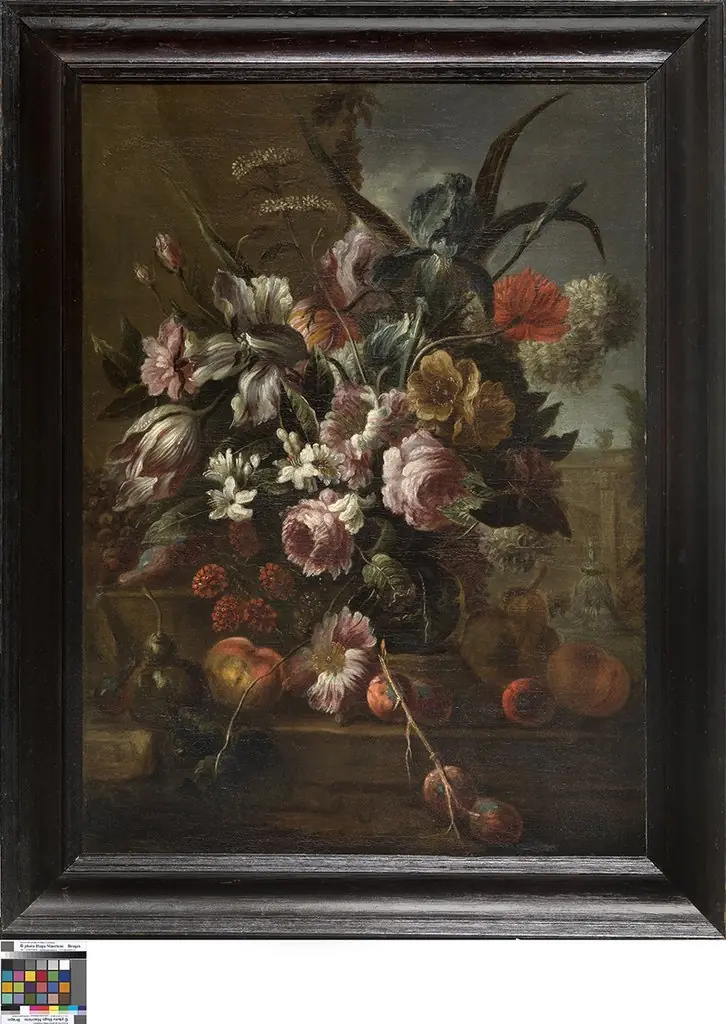 Bloemstuk
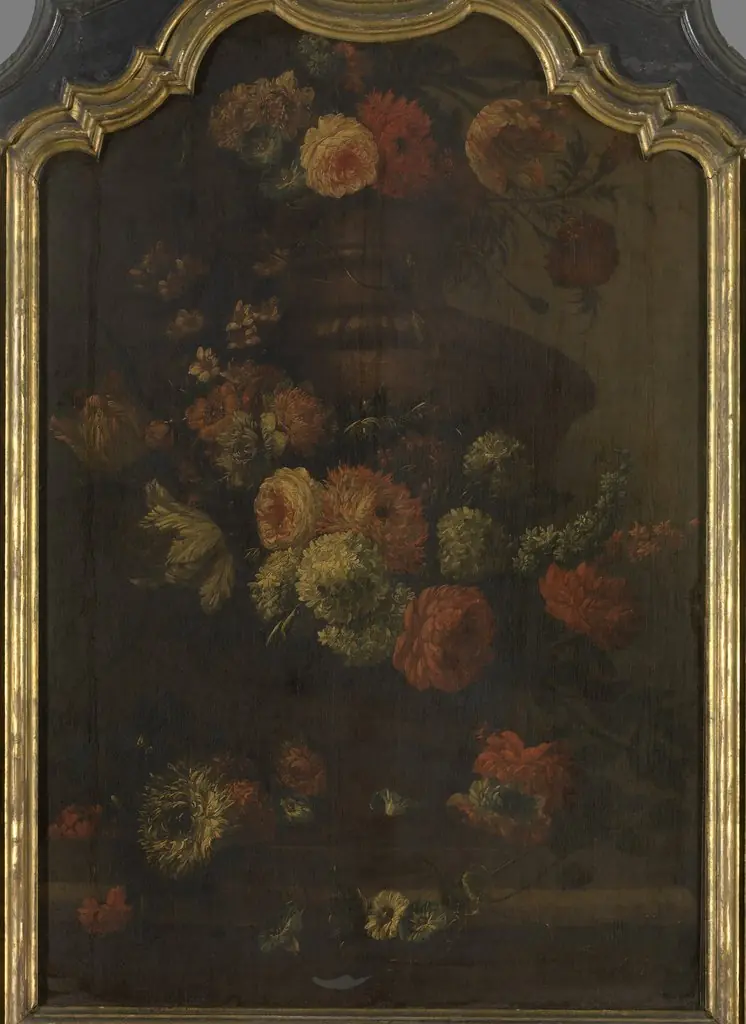 Flowers in a Vase
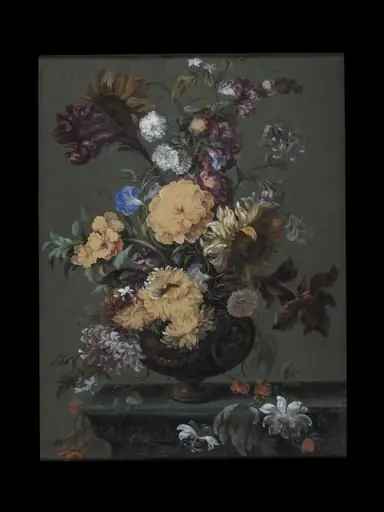 Flowers in a Vase
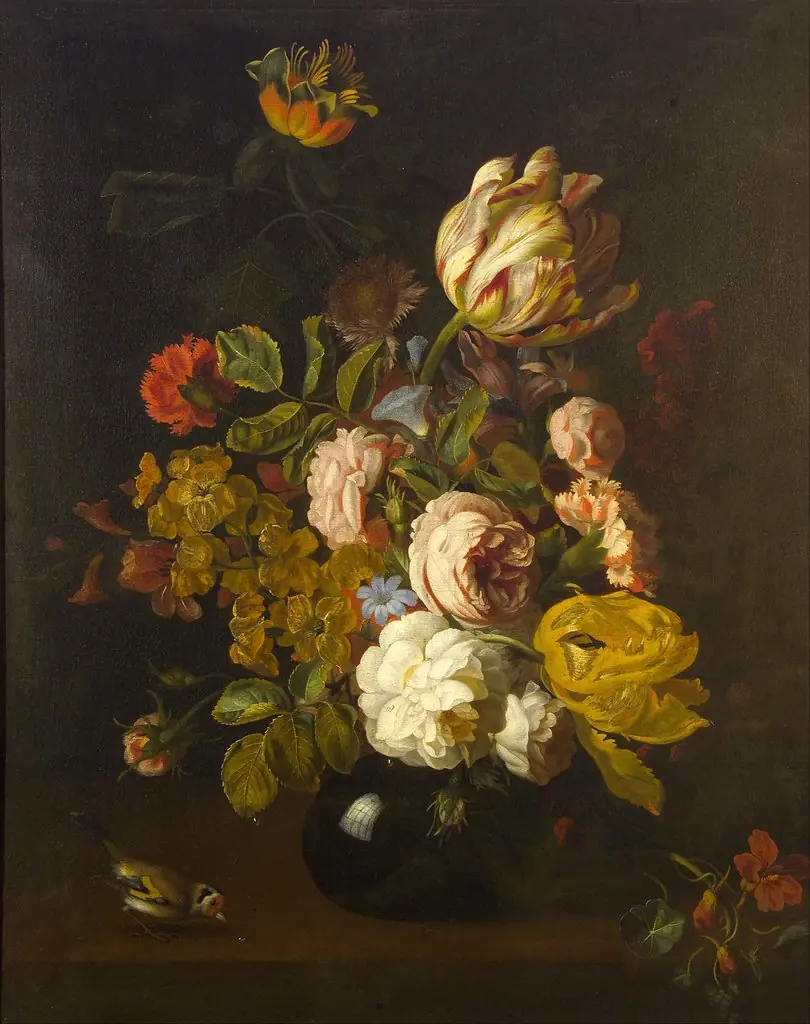 Still-Life with Flowers
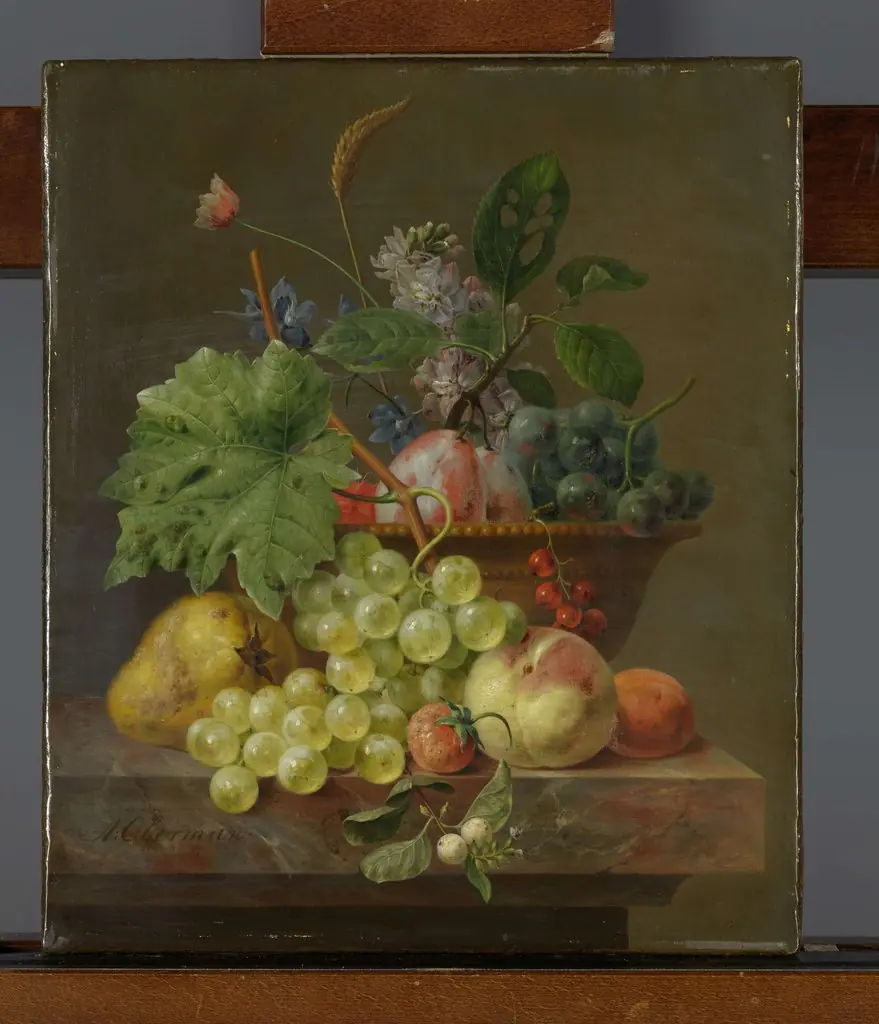 Still Life with Fruit in a Terracotta Dish
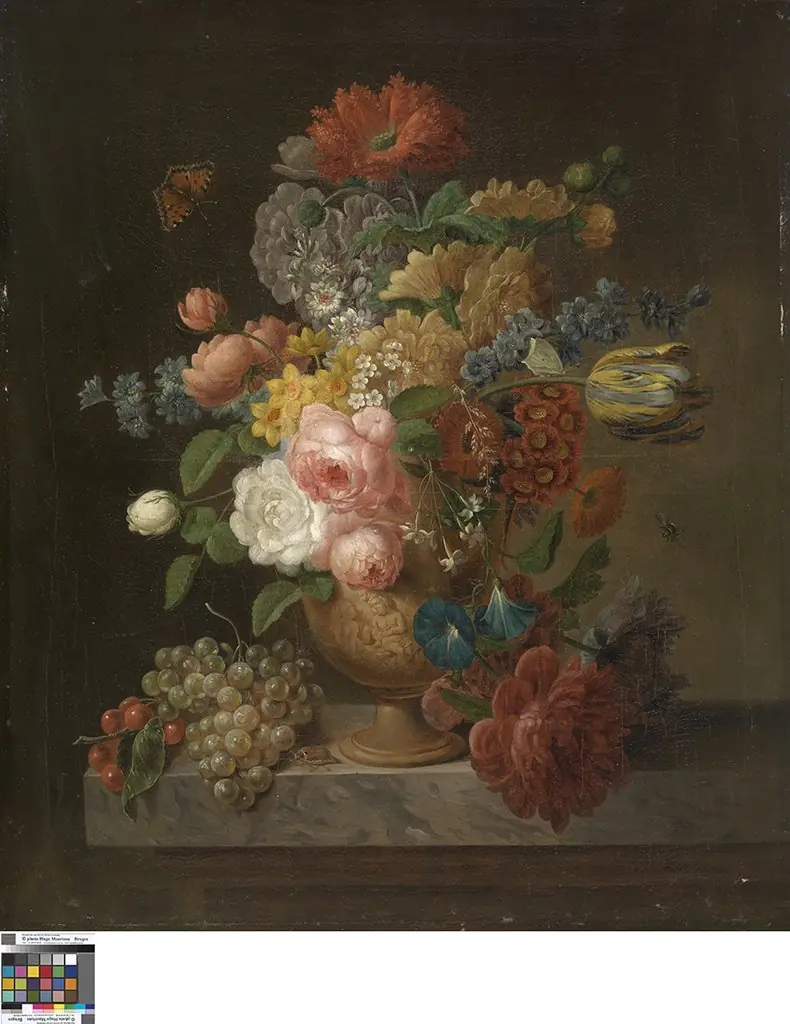 Still Life of Flowers
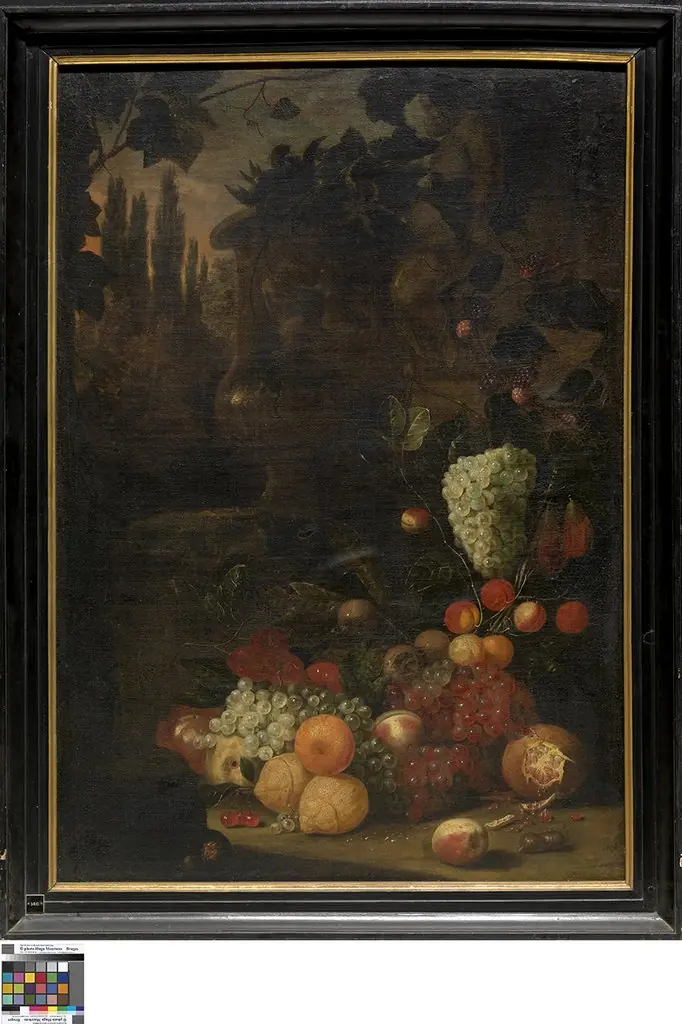 Stilleven met fruit
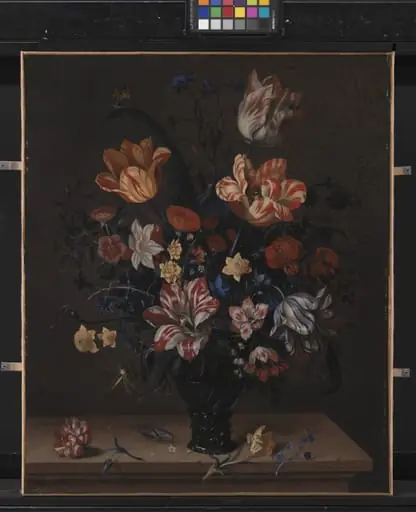 Tulips and Other Flowers in a Rummer
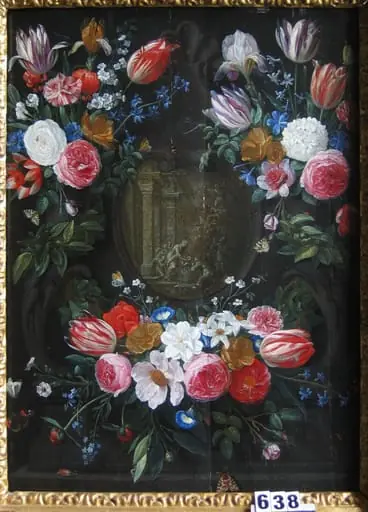 Cunună de flori cu Nașterea lui Isus (în registrul inventar: Nașterea Domnului și o cunună de flori)
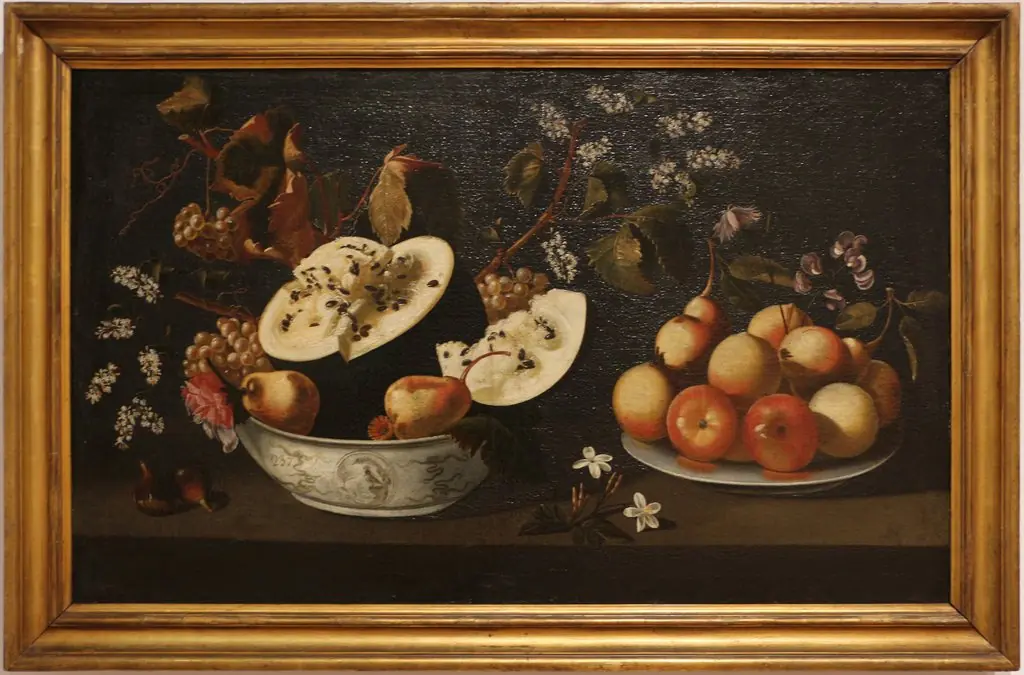 Still life with watermelon and pear