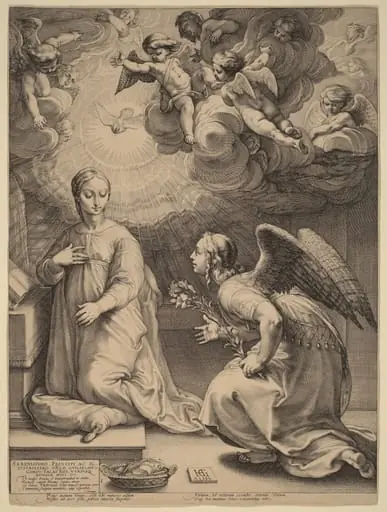
Artwork
Annunciation
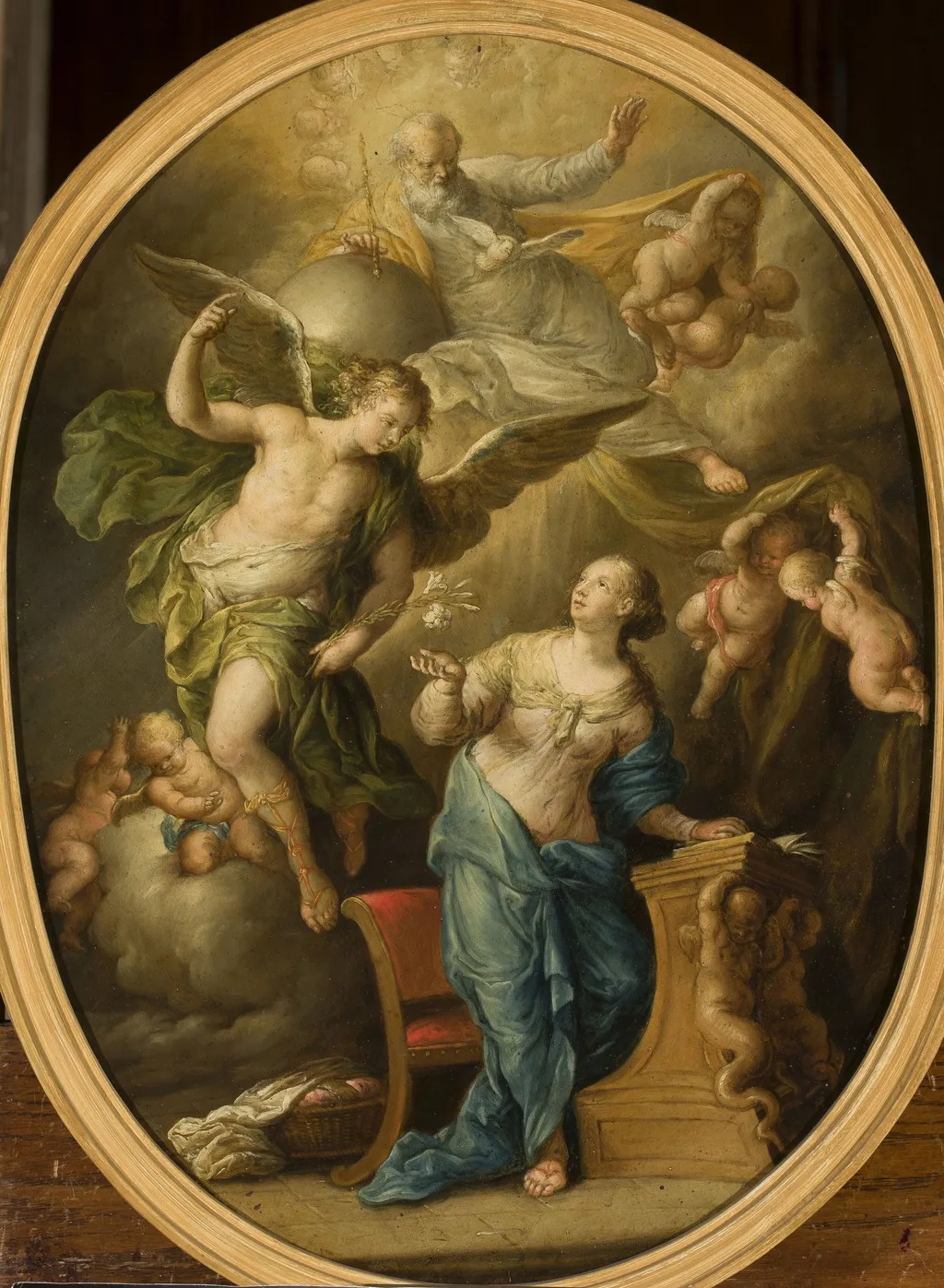
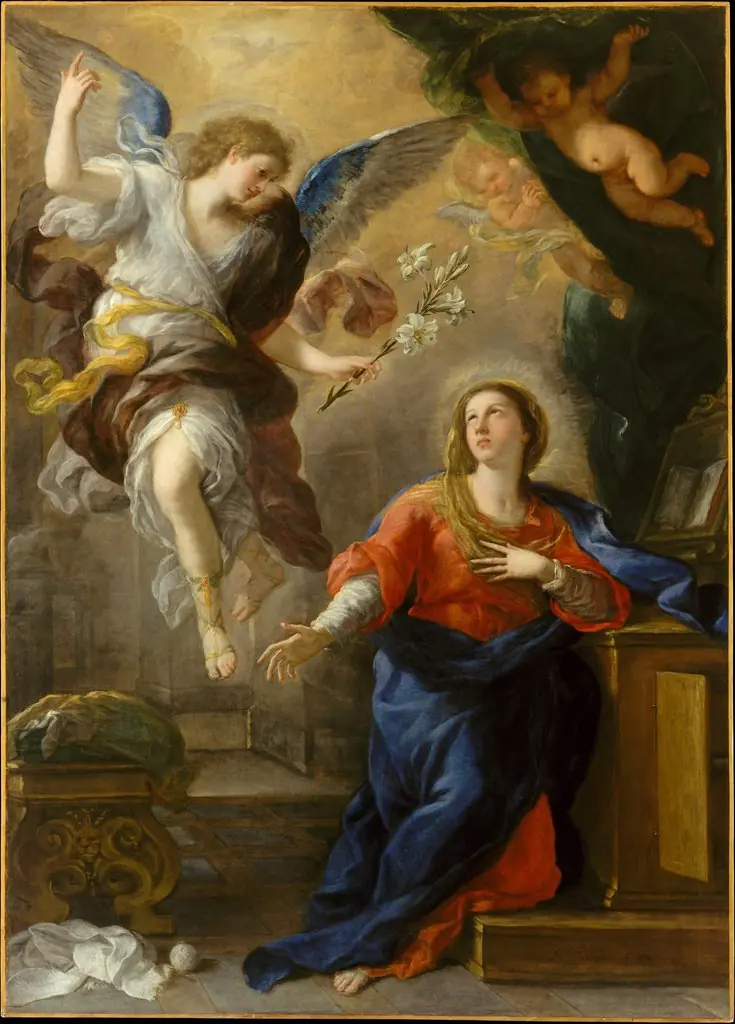
Annunciation is an unspecified painting by the Rococo painting artist Franz Xaver Wagenschön. It dates from 1763 and is held in the collection of the National Museum in Warsaw.
About this work
Overview
Executed during the transition from Rococo to Neoclassicism, the painting balances ornamental grace with restrained emotion.
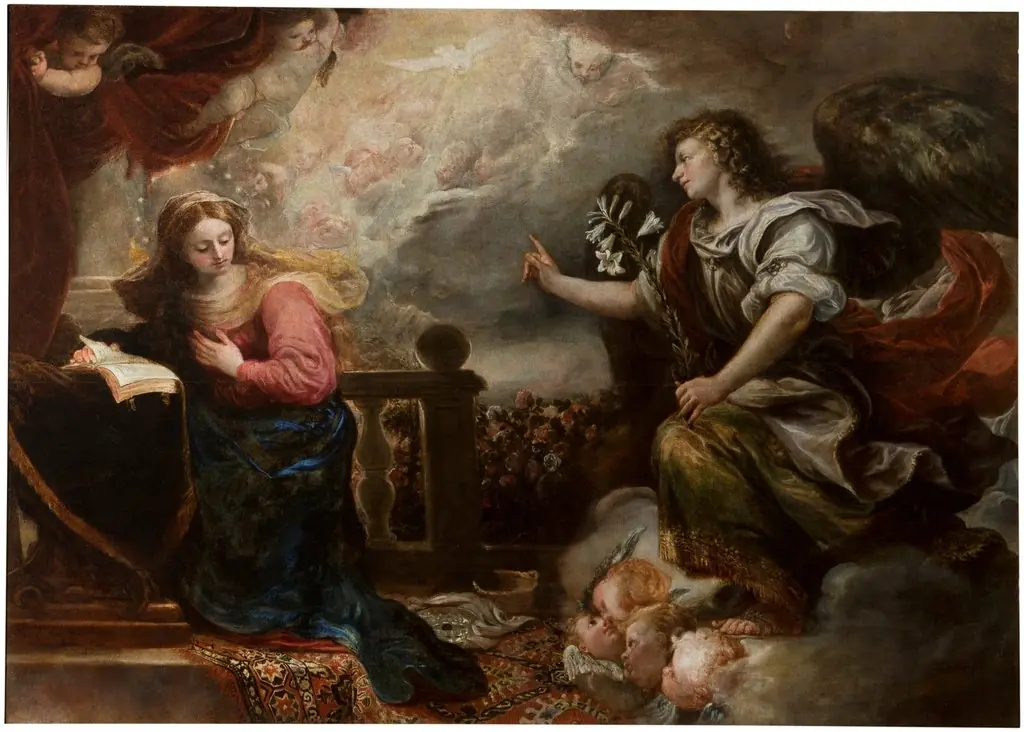
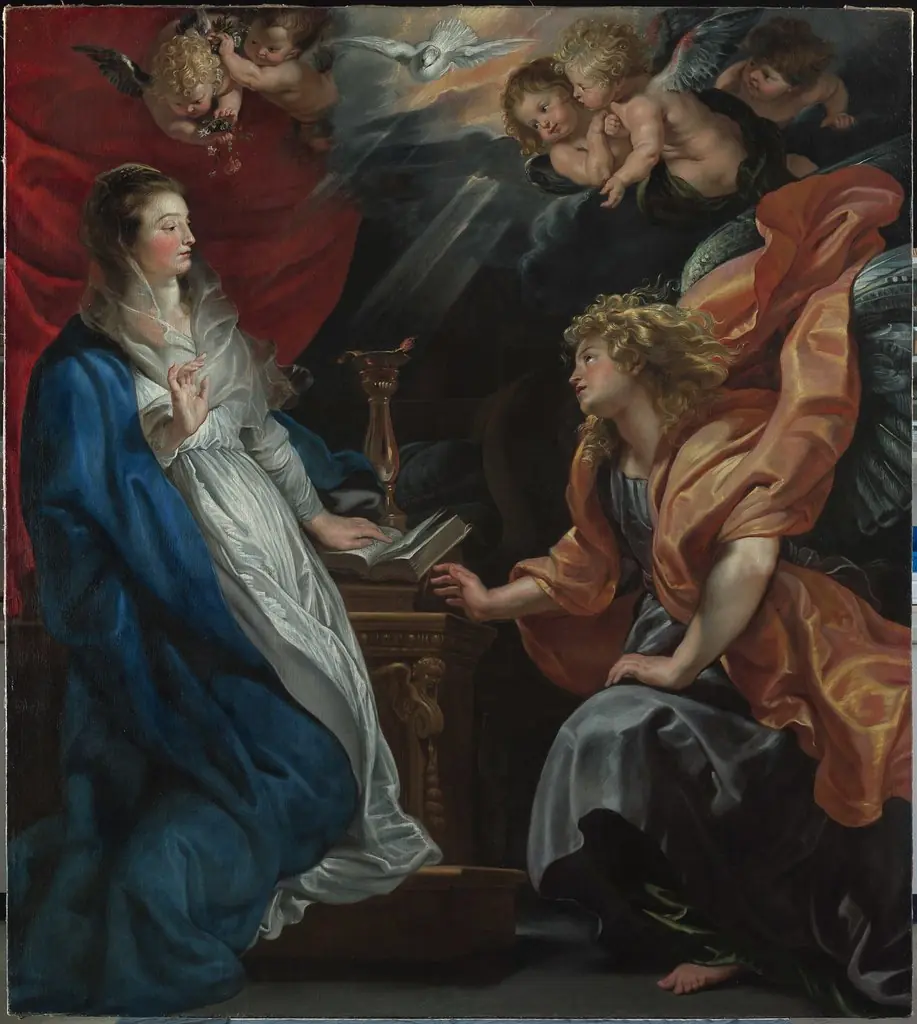
Painted in 1763 by Franz Xaver Wagenschön, this religious work depicts the Annunciation, a moment from the Gospel of Luke when the angel Gabriel announces to Mary that she will bear the Son of God. Executed during the transition from Rococo to Neoclassicism, the painting balances ornamental grace with restrained emotion. It resides in the National Museum in Warsaw, among several of the artist’s works preserved in Central European collections.
Subject & Meaning
The scene centers on the Virgin Mary, depicted in quiet contemplation as the angel Gabriel, holding a lily, delivers the divine message. Their postures convey reverence rather than drama, emphasizing spiritual receptivity over theatricality. Surrounding cherubs and subtle background figures reinforce the sacred nature of the moment without overwhelming the central interaction, aligning with devotional ideals of the period.
Technique & Style
Wagenschön employs fine brushwork to render textures in fabric, skin, and feathers with quiet precision. The palette favors muted earth tones—ochres, browns, and soft golds—contrasting with the pale blues and greens of the figures’ garments. Light is diffused evenly, avoiding strong chiaroscuro, which contributes to the painting’s tranquil, intimate atmosphere and reflects a shift toward classical restraint.
History & Provenance
Created during Wagenschön’s active years in Bohemia and Austria, the painting entered the National Museum in Warsaw’s collection in the 19th century. While details of its early ownership are sparse, its presence in a major Polish institution suggests it was acquired during a period of cultural exchange between Central European courts and religious institutions.
Context
Wagenschön worked amid the waning influence of Rococo ornamentation and the rising tide of Neoclassical clarity. This painting reflects that transition: its decorative elements remain, yet the composition favors calm balance over exuberance. Religious subjects like the Annunciation continued to be commissioned by churches and monasteries, even as artistic tastes evolved toward more restrained expression.
Legacy
Though not widely known outside Central Europe, Wagenschön’s oeuvre contributes to the regional understanding of late 18th-century sacred art. His ability to merge decorative tradition with emerging classical ideals offers insight into how religious imagery adapted during a period of stylistic change, preserving devotional function while embracing new aesthetic values.
Artist & collection
Artist
Franz Xaver Wagenschön (2 September 1726, Littisch, Bohemia (now Litíč, Czech Republic) – 1 January 1790, Vienna) was a German Bohemian painter of the Rococo and Neoclassical styles.