Artwork
Death of Belisarius
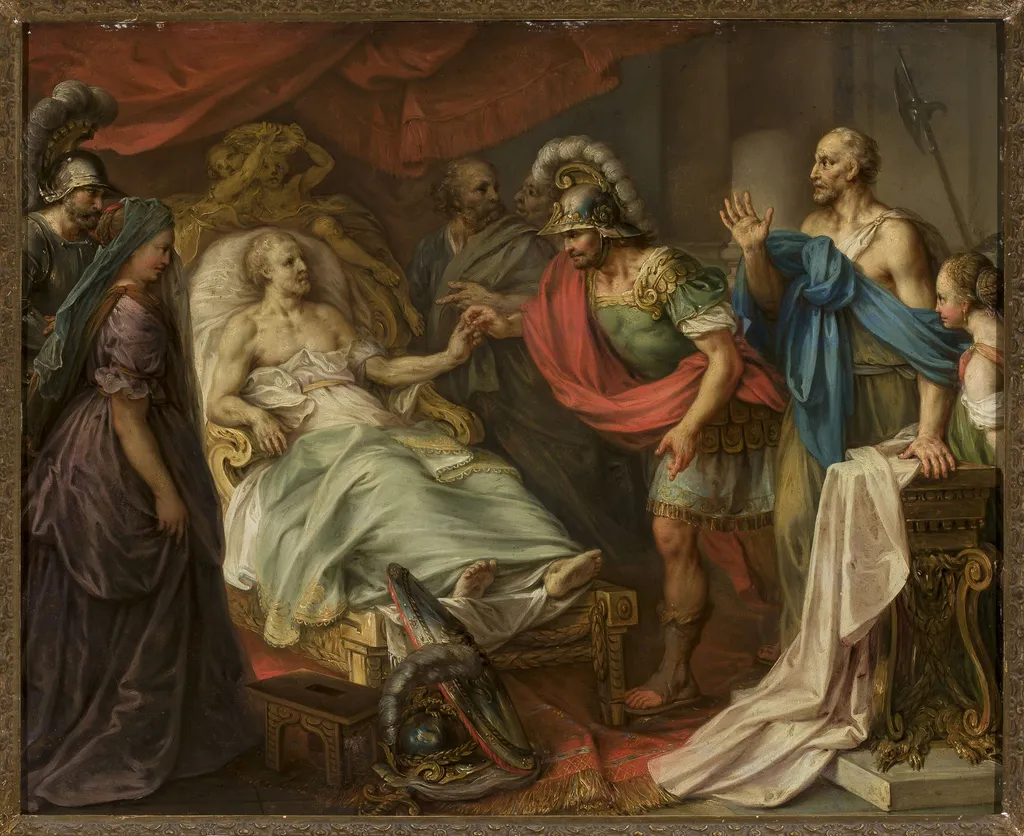
Death of Belisarius is an unspecified painting by the Neoclassicist artist Franz Xaver Wagenschön. It is held in the collection of the National Museum in Warsaw.
About this work
Overview
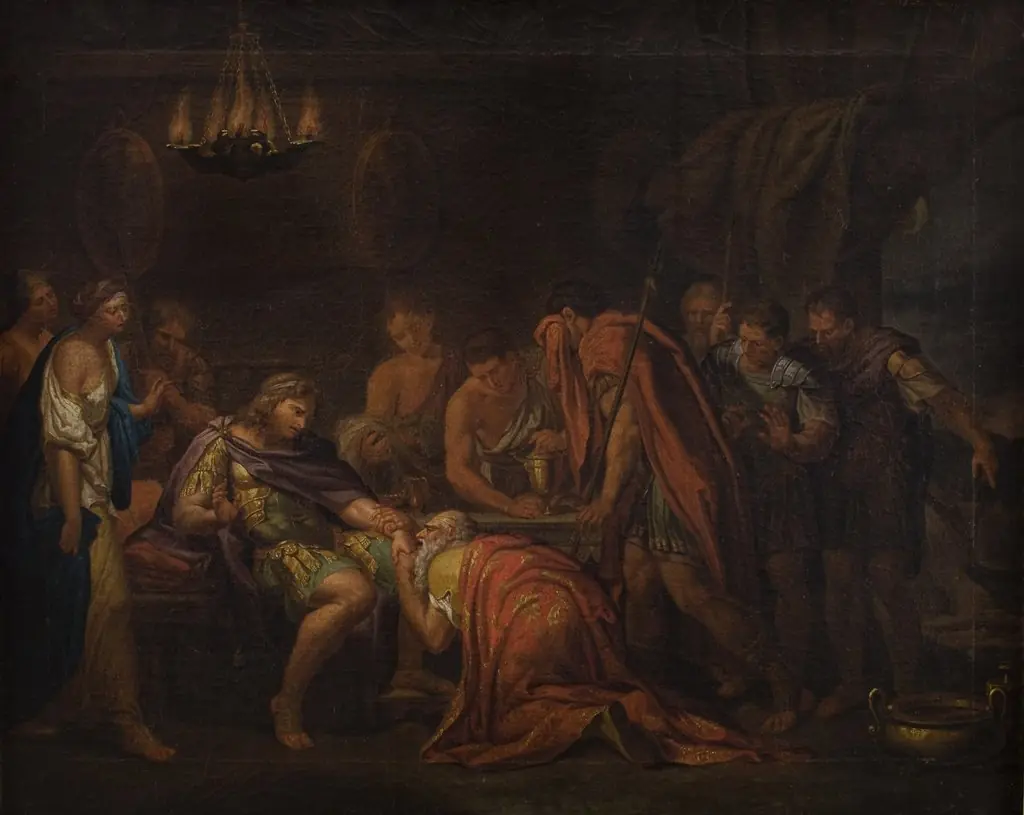
Death of Belisarius is a painting created around 1800 by Franz Xaver Wagenschön, a German Bohemian artist associated with the Neoclassical movement. The work depicts the final moments of Belisarius, a renowned Byzantine general.
Subject & Meaning
The painting illustrates the dying Belisarius surrounded by mournful figures, including armored individuals and a woman in purple, conveying a sense of solemnity and loss. The scene is inspired by historical accounts of Belisarius’s service under Emperor Justinian.
Technique & Style
Wagenschön employed chiaroscuro to create strong light and dark contrasts, imbuing the somber atmosphere with depth and emotional intensity, characteristic of Neoclassical dramatic flair.
History & Provenance
Part of the National Museum in Warsaw’s collection, the painting reflects Wagenschön’s influence in late 18th-century European art, with his works also held in prominent institutions like Vienna’s Kunsthistorisches Museum.
Context
Created during the Neoclassical period, the painting aligns with the era’s fascination with ancient history and moral themes, using Belisarius’s story to evoke reflections on honor, decline, and legacy.
Legacy
While specific impact details are scarce, *Death of Belisarius* contributes to the broader legacy of Neoclassical art’s exploration of historical narratives and emotional depth through visual composition.
Artist & collection
Artist
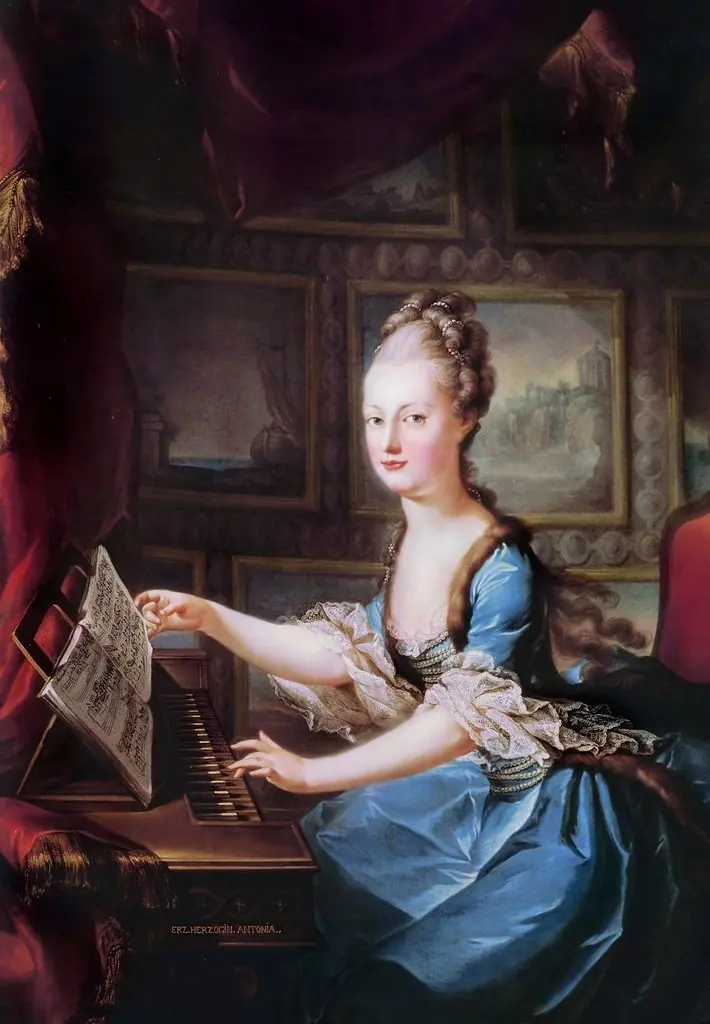
Franz Xaver Wagenschön (2 September 1726, Littisch, Bohemia (now Litíč, Czech Republic) – 1 January 1790, Vienna) was a German Bohemian painter of the Rococo and Neoclassical styles.

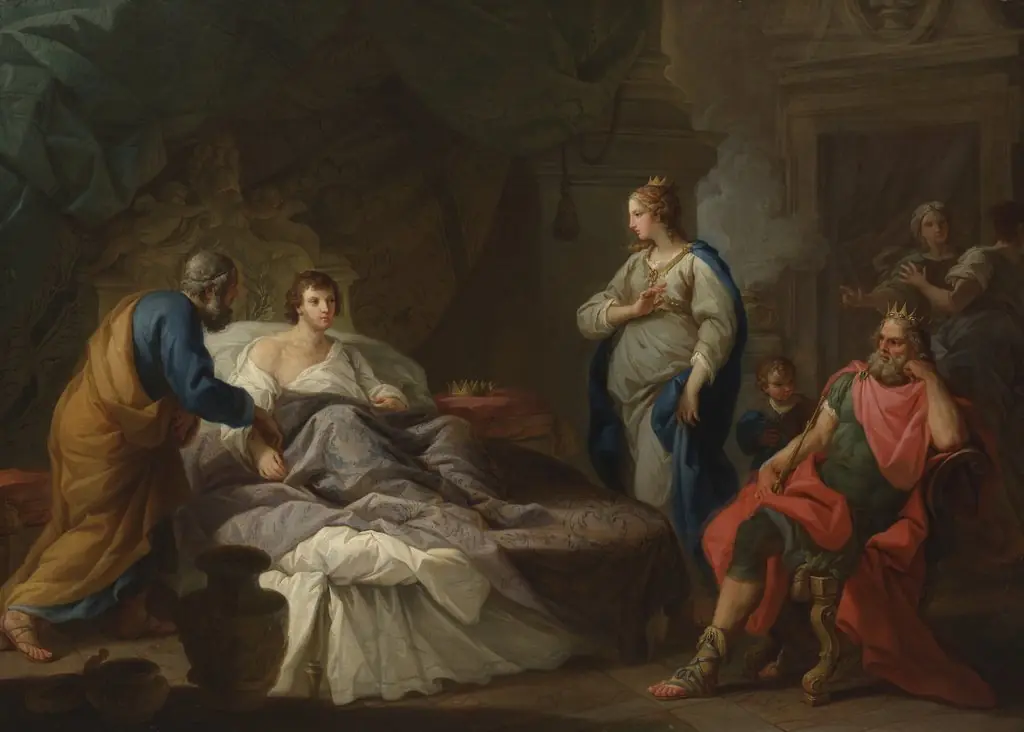 Antiochus Yearning for Stratonice
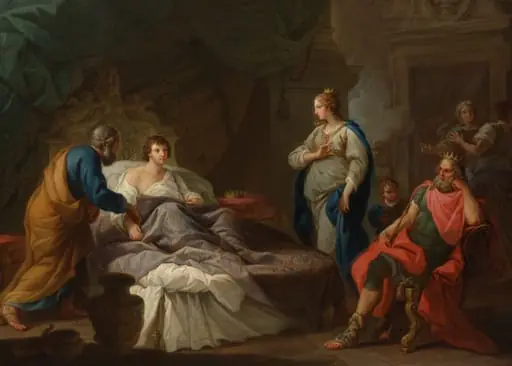 Antiochus Yearning for Stratonice
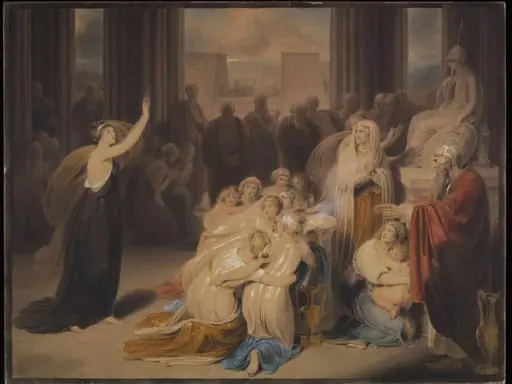 Cassandra in the Temple of Minerva
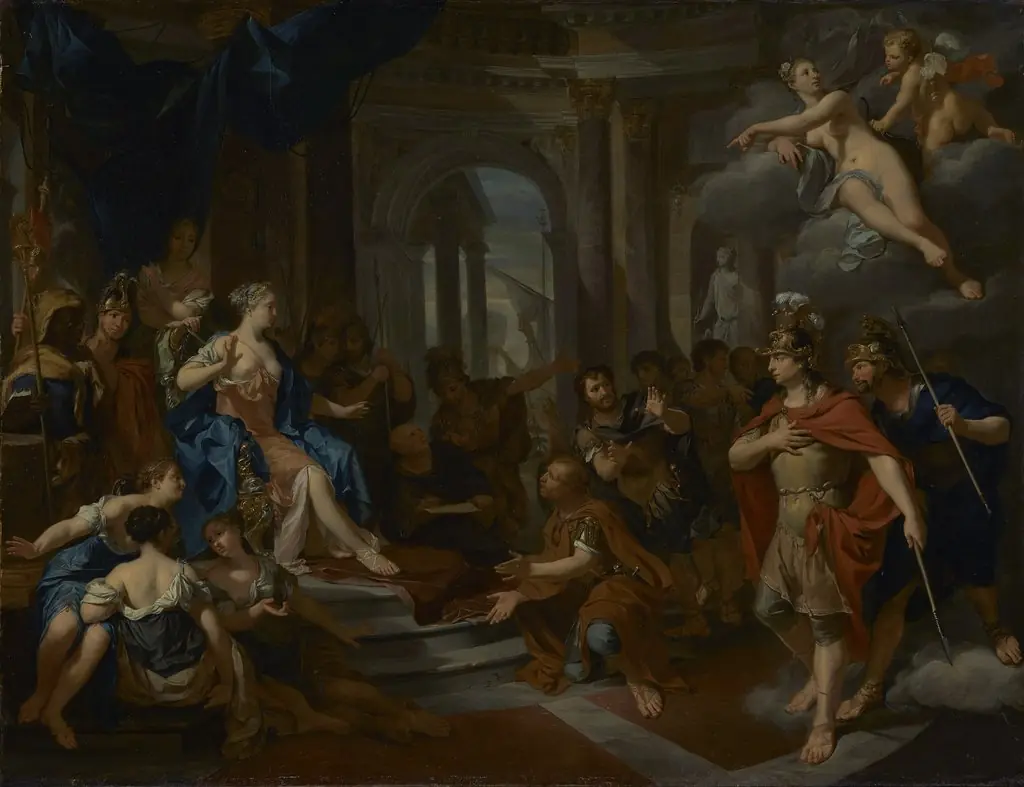 Dido and Aeneas
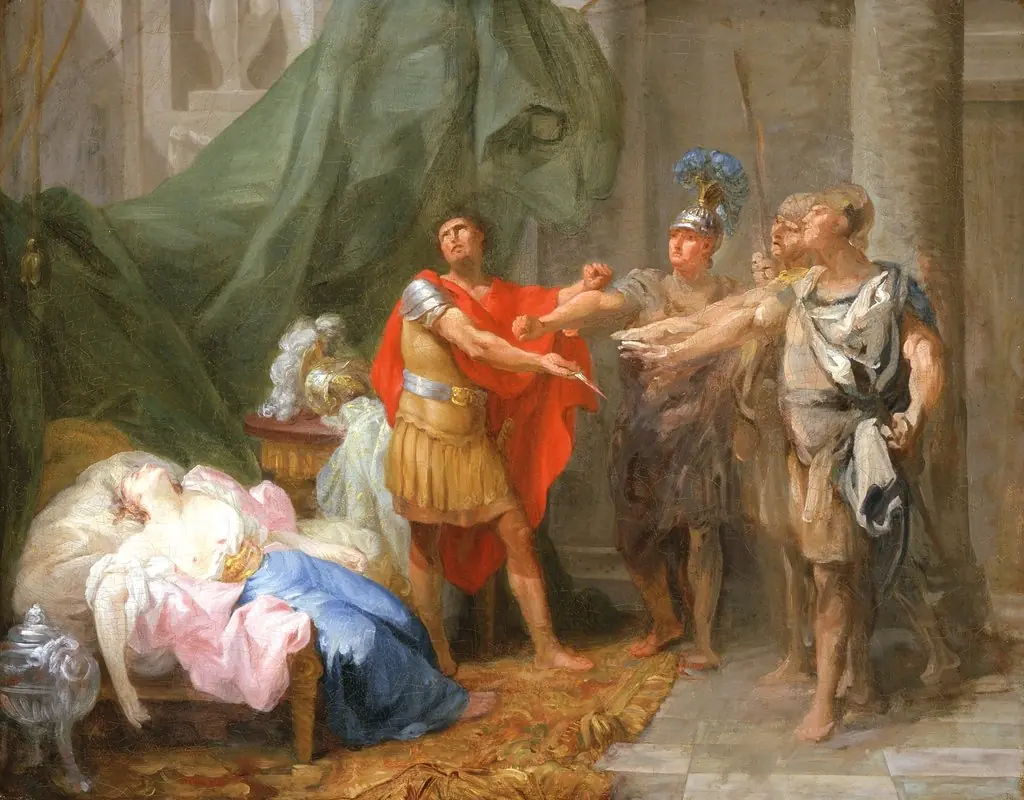 The Oath of Brutus
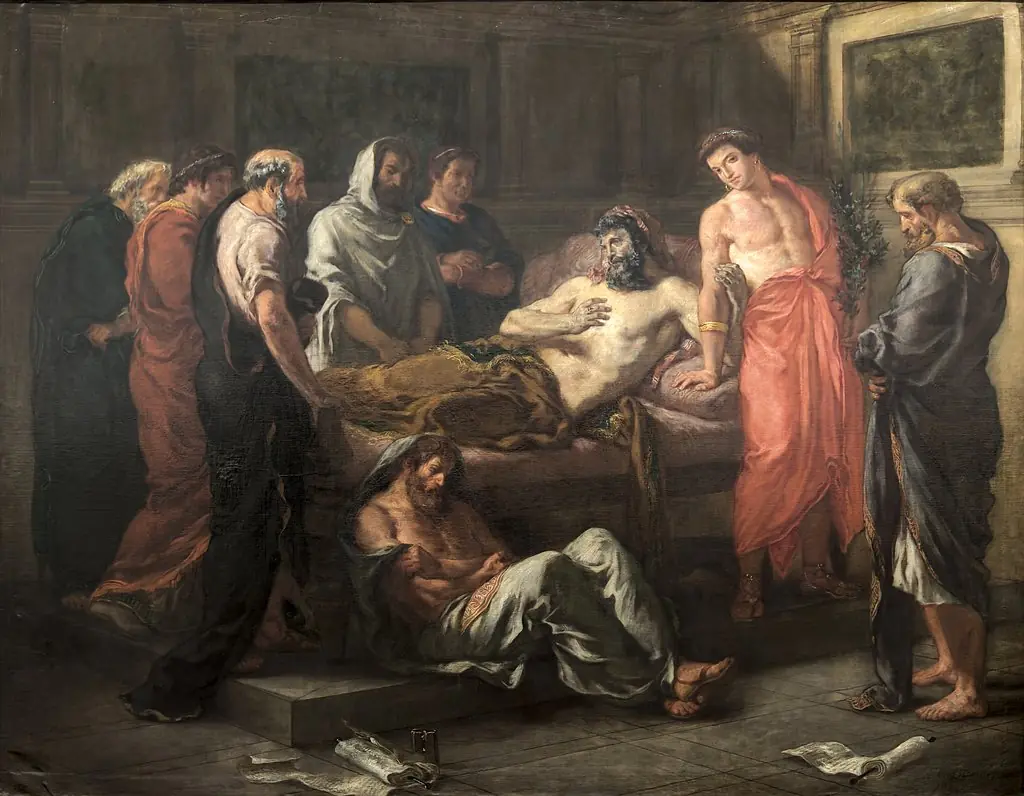 Last Words of the Emperor Marcus Aurelius
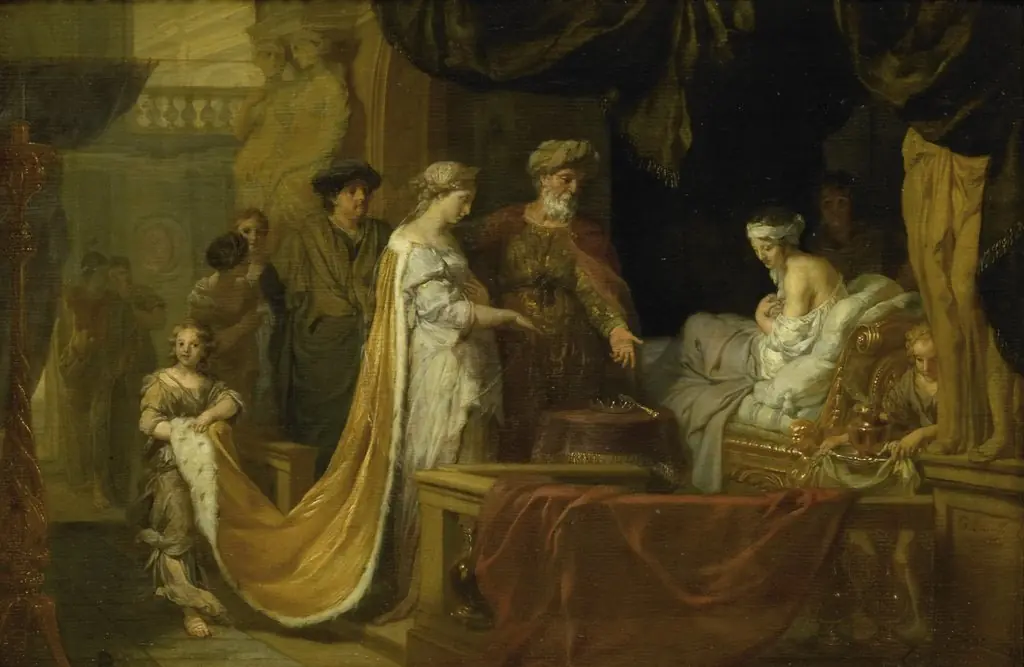 Antiochus and Stratonice
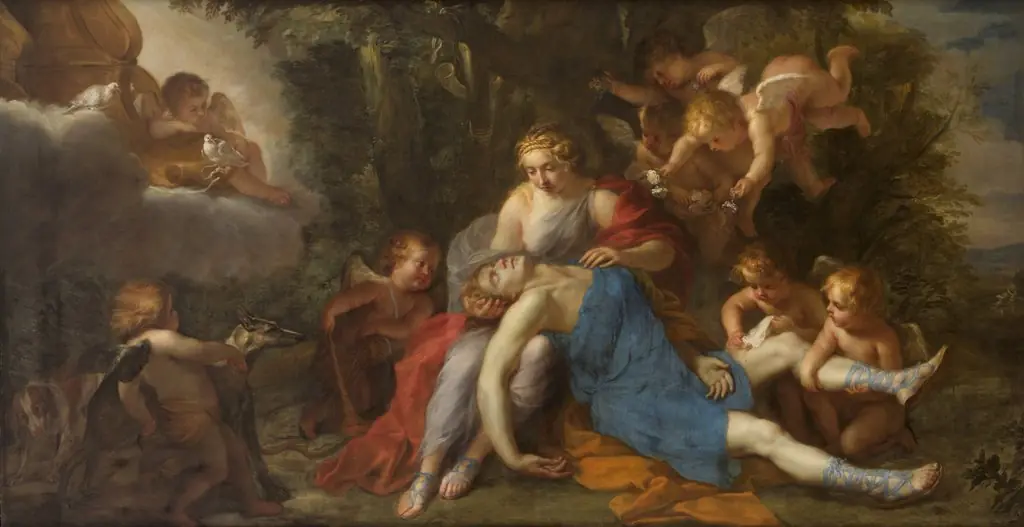 Venus beweint den toten Adonis
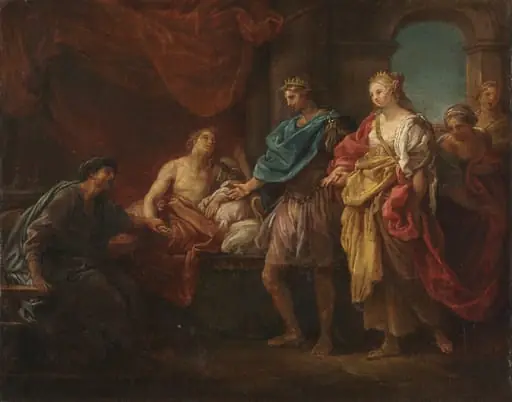 Study for "Antiochus and Stratonice"
 Priam Pleading with Achilles for the Body of Hector
 Het sterfbed van Epaminondas
 The Death of Belisarius' Wife