Artwork
Untitled
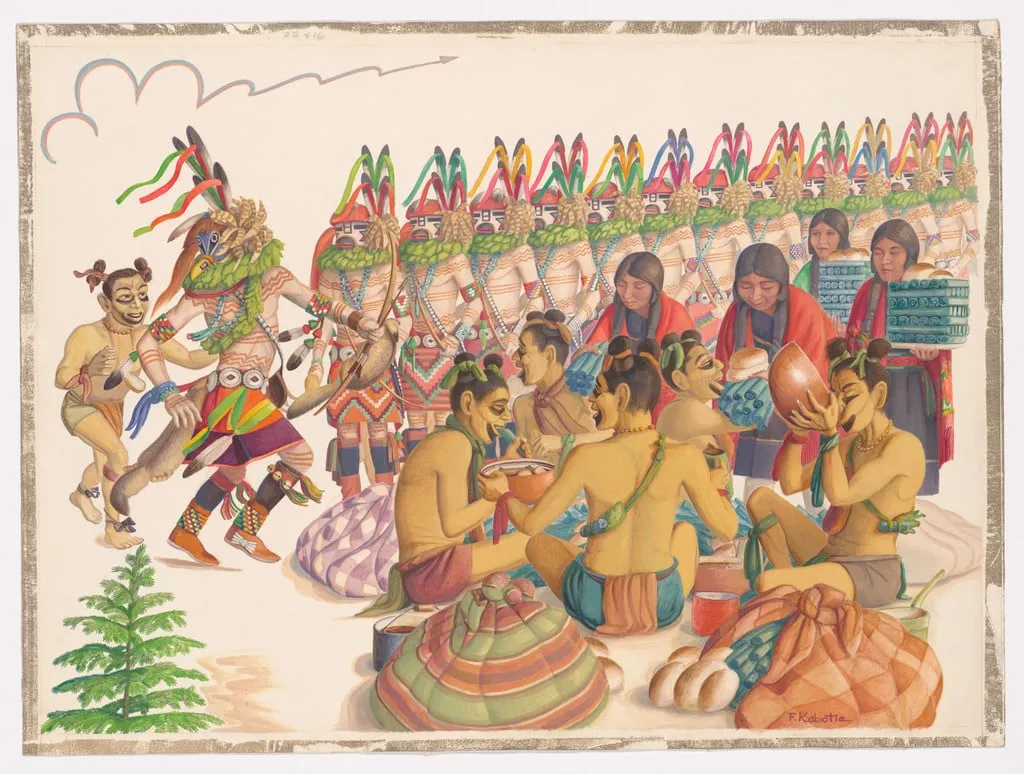
Untitled is a watercolor drawing by Fred Kabotie. It dates from 1950 and is held in the collection of the Museum of Modern Art.
About this work
Overview
Executed with fluid brushwork and vivid pigments, the work reflects Kabotie’s deep engagement with his cultural heritage.
Created around 1950, this watercolor on paper by Fred Kabotie captures a ceremonial gathering rooted in Hopi tradition. Executed with fluid brushwork and vivid pigments, the work reflects Kabotie’s deep engagement with his cultural heritage. As both an artist and cultural advocate, he translated communal rituals into intimate visual narratives, preserving elements of Hopi life through artistic documentation rather than idealization.
Subject & Meaning
The scene depicts a ceremonial event with figures wearing stylized animal masks, dancing, and sharing food. Gourds and communal meals suggest ritual participation, while the tall poles adorned with symbolic forms may reference katsina figures or spiritual markers. The composition balances movement and stillness, emphasizing collective identity and continuity. Kabotie’s focus on daily ritual underscores the living nature of Hopi ceremonies, not as relics but as active traditions.
Technique & Style
Kabotie employed transparent watercolor to achieve luminous, blended hues in greens, reds, and yellows, creating a sense of radiant light. His brushwork is deliberate yet fluid, defining forms with clean lines and soft transitions. The figures are rendered with simplified, expressive contours, avoiding realism in favor of symbolic clarity. This approach aligns with his broader practice of merging traditional iconography with modern artistic techniques.
History & Provenance
The work entered the collection of The Museum of Modern Art as part of a broader mid-20th-century effort to recognize Native American artists within modern art institutions. Kabotie’s reputation as a cultural bridge—through his roles as educator, curator, and silversmith—helped secure institutional interest in his work. Its inclusion reflects a shift toward acknowledging Indigenous artists as contributors to American modernism, not merely ethnographic subjects.
Context
In the postwar period, many Native artists navigated the tension between cultural preservation and engagement with mainstream art systems. Kabotie, trained at the Santa Fe Indian School and later employed by the Museum of New Mexico, operated within both Hopi and Euro-American frameworks. His watercolors served as quiet acts of cultural affirmation, documenting ceremonies often restricted from public view.
Legacy
Kabotie’s work laid groundwork for later generations of Native artists who sought to assert cultural authority through visual media. By depicting Hopi ceremonies with dignity and specificity, he countered stereotypical representations. His integration of traditional knowledge into fine art practices helped redefine institutional understandings of Native art as both culturally grounded and formally innovative.
Artist & collection
Artist
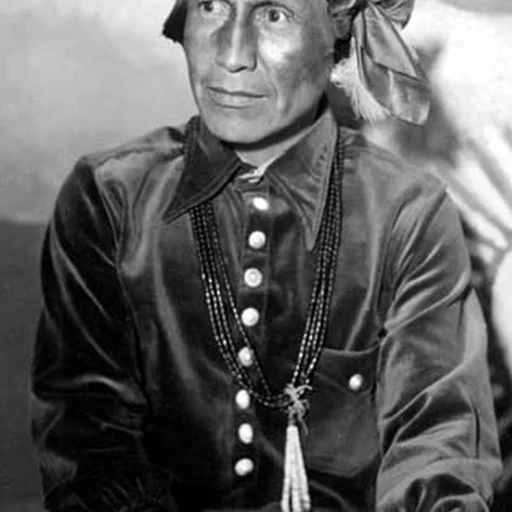
Fred Kabotie (c. 1900–1986) was a celebrated Hopi painter, silversmith, illustrator, potter, author, curator and educator. His native name in the Hopi language is Naqavoy'ma, which translates to Day After Day.

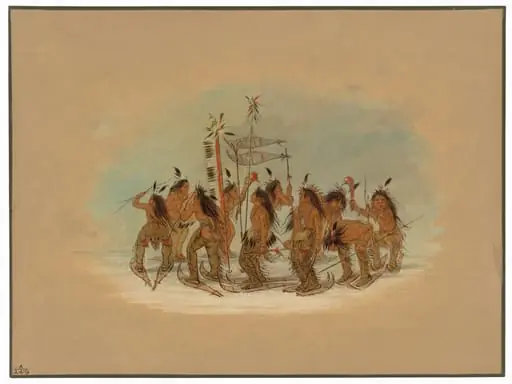 Snow Shoe Dance - Ojibbeway
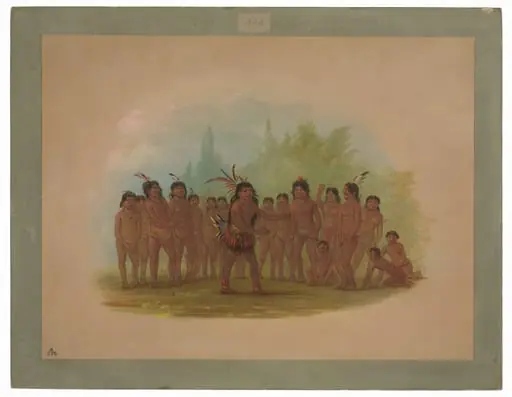 Zurumati Indians
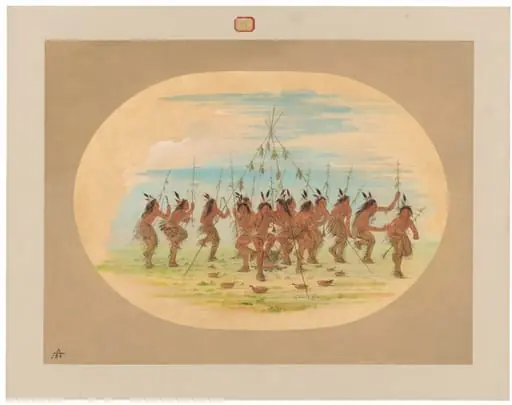 Green Corn Dance - Minatarrees
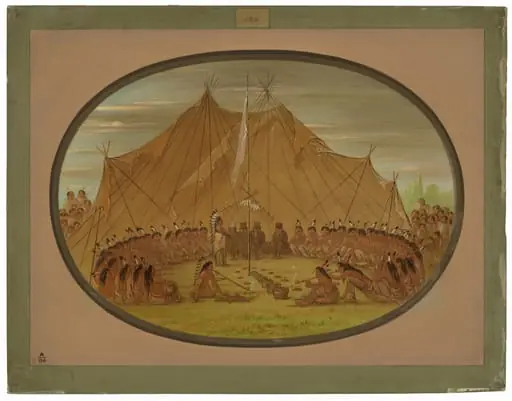 A Dog Feast - Sioux
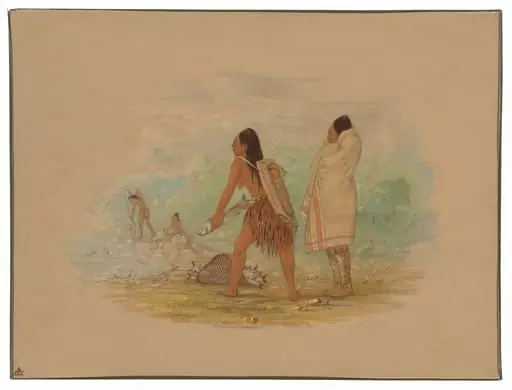 Flathead Indians
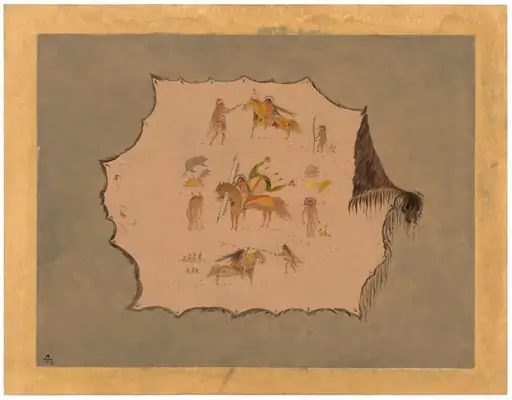 Facsimile of a Pawnee Doctor's Robe with Fantastic Professional Designs
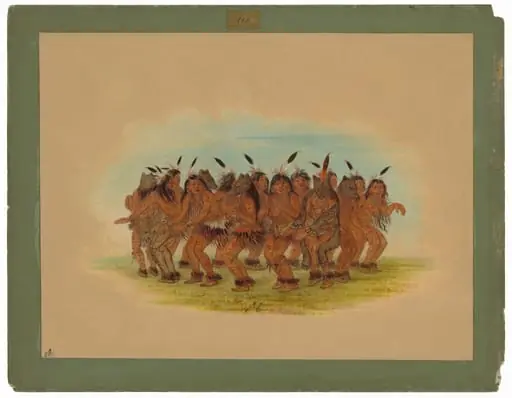 Bear Dance - K'nisteneux
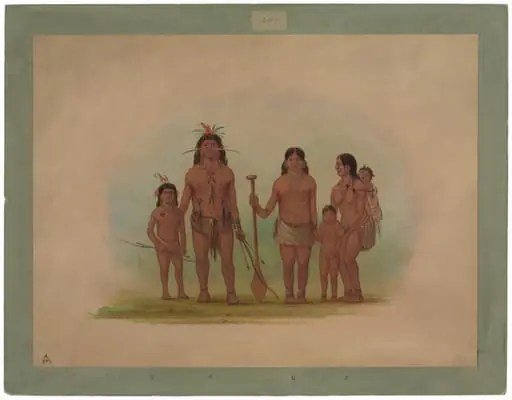 Orejona Chief and Family
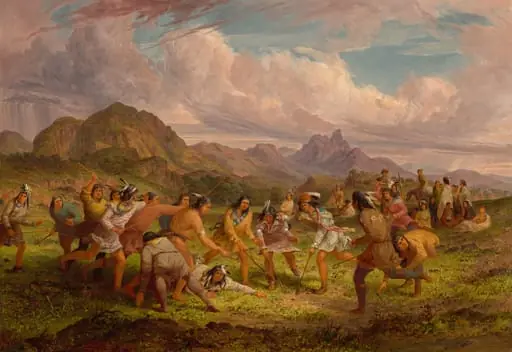 Ball Playing among the Sioux Indians
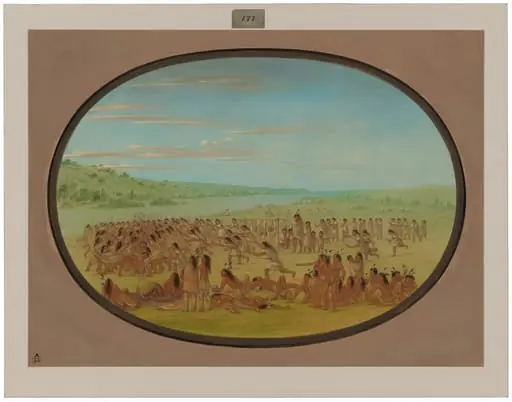 Ball-Play of the Women - Sioux
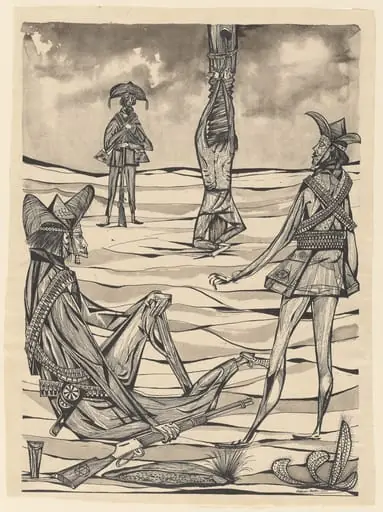 Untitled
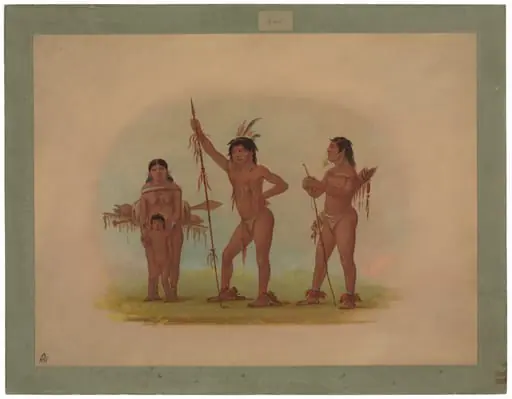 Four Mura Indians