Artwork
Bookplate: Irving Kent Hall and Mary Kent Hall, Ex Libris inscribed
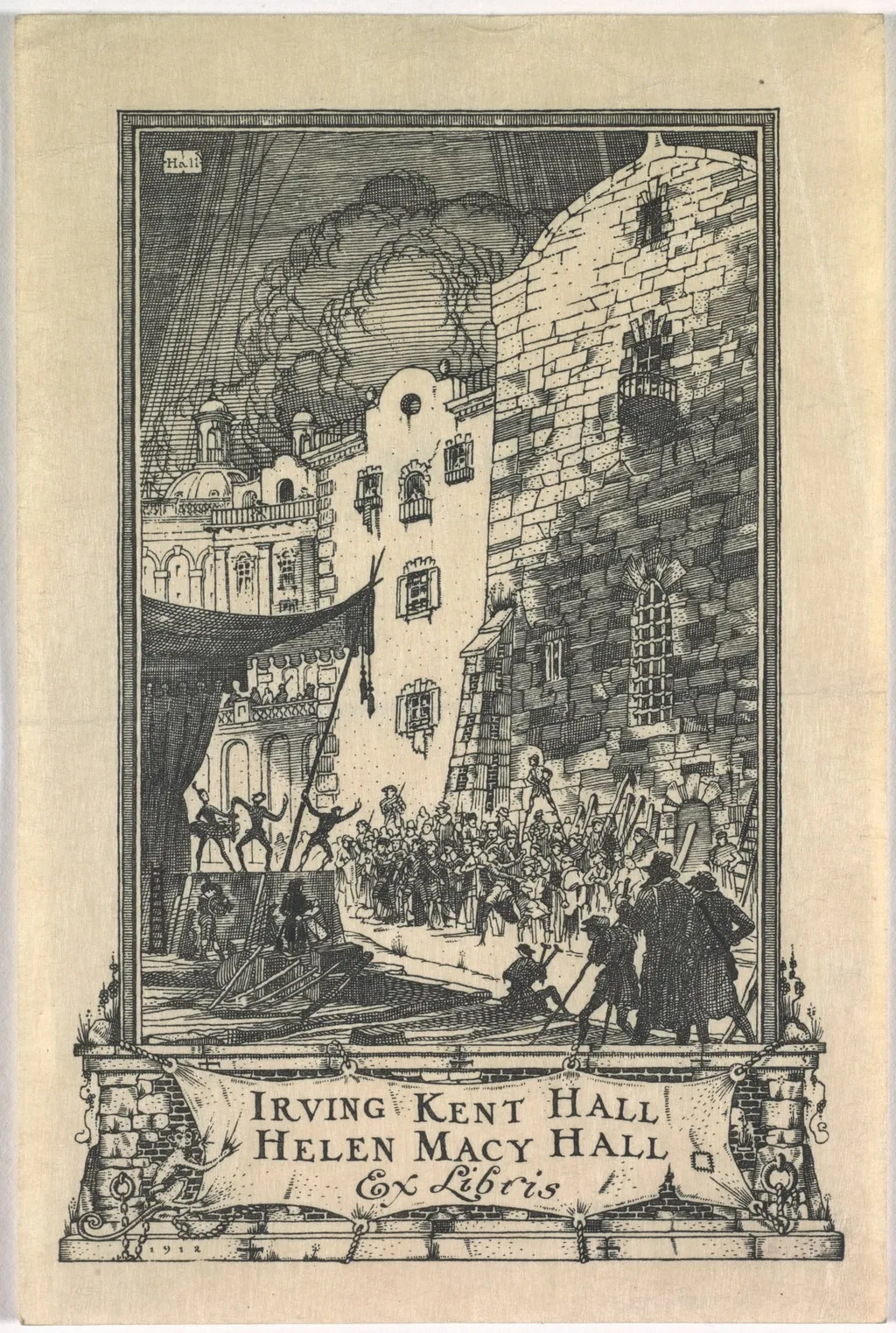
Bookplate: Irving Kent Hall and Mary Kent Hall, Ex Libris inscribed is a print by Frederick Garrison Hall. It dates from 1922 and is held in the collection of the Cleveland Museum of Art.
About this work
Overview
Executed as a printed design rather than a painting, it features architectural and figural elements arranged to signify ownership and intellectual identity.
Created around 1922 by Frederick Garrison Hall, this ex libris print serves as a personal bookplate for Irving Kent Hall and Mary Kent Hall. Executed as a printed design rather than a painting, it features architectural and figural elements arranged to signify ownership and intellectual identity. The work resides in the collection of The Cleveland Museum of Art, where it is preserved as an example of early 20th-century American bookplate design.
Subject & Meaning
The design centers on a monumental building with a tower and dome, symbolizing knowledge and institutional prestige. Figures are depicted ascending or gathering around the structure, suggesting pursuit of learning or communal intellectual life. The banner bearing the names Irving Kent Hall and Mary Kent Hall asserts personal ownership, while the inclusion of 'Helen Macy Hall'—likely a familial or marital connection—reinforces the domestic and cultural values tied to the collection.
Technique & Style
The print employs fine line work and tonal contrast to define architectural forms and human figures. Dark, subdued backgrounds isolate the lighter, detailed structure and figures, enhancing visual focus. The style reflects early 20th-century American bookplate traditions, blending illustrative precision with symbolic composition. No color is used; the work relies on ink contrast and intricate engraving to convey depth and hierarchy.
History & Provenance
Commissioned for private use, the bookplate was likely produced in limited numbers for the Halls’ personal library. It entered the collection of The Cleveland Museum of Art through documented acquisition, possibly as part of a broader effort to preserve domestic graphic arts. Its survival reflects the cultural value placed on book ownership and the artistic expression of private libraries during the interwar period.
Context
In the 1920s, ex libris designs were common among educated American families as markers of literary taste and social standing. This piece aligns with a tradition of heraldic and architectural bookplates, where buildings stood in for libraries or institutions of learning. The inclusion of multiple names suggests a shared domestic space for books, reflecting the era’s emphasis on family intellectual life and curated personal collections.
Legacy
Though not widely known outside specialist circles, the bookplate contributes to the understanding of how personal identity was visually encoded in domestic objects. It exemplifies the quiet artistry of bookplate design and the role of print culture in shaping private intellectual spaces. Its preservation in a major museum underscores its value as a historical artifact of American domestic aesthetics.
Artist & collection
Artist
Frederick Garrison Hall (1879–1946) was an American artist, born in Baltimore.

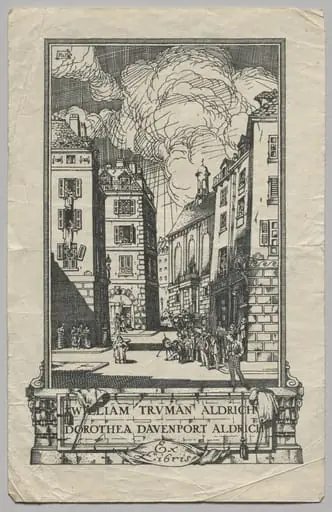 Bookplate: William Truman Aldrich and Dorthea Davenport Aldrich, Ex Libris inscribed
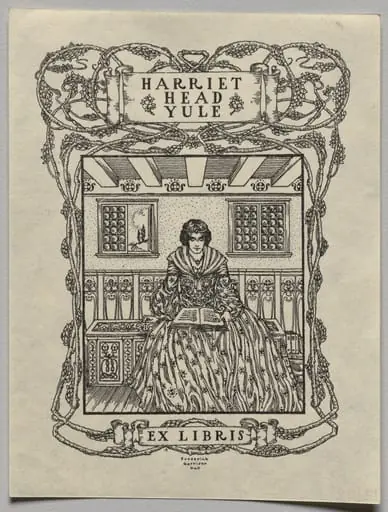 Bookplate: Harriet Head Yule, Ex Libris inscribed
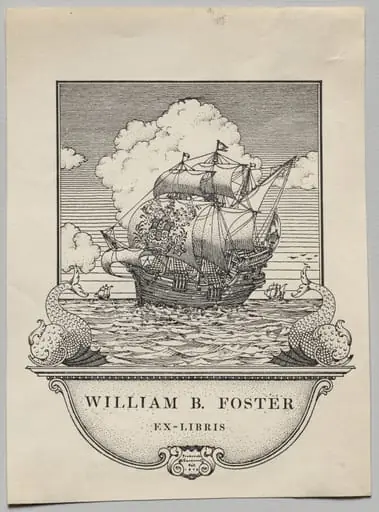 Bookplate: William B. Foster
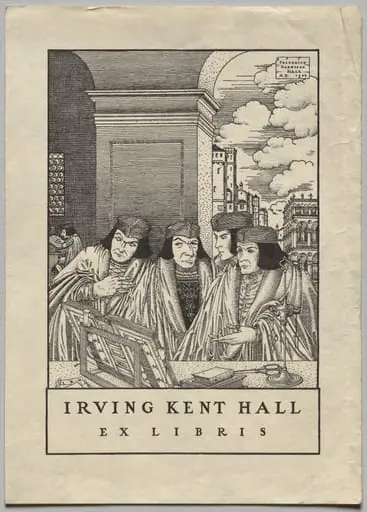 Bookplate: Irving Kent Hall, Ex Libris inscribed
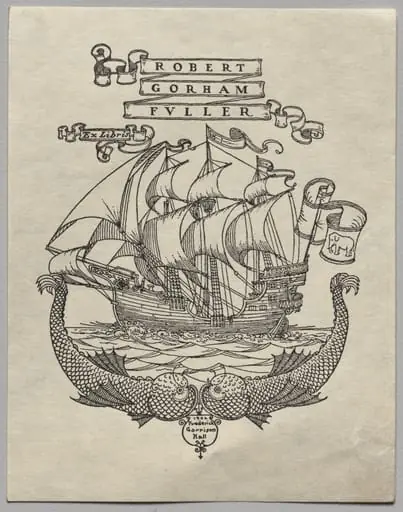 Bookplate: Robert Gorham Fuller, Ex Libris inscribed
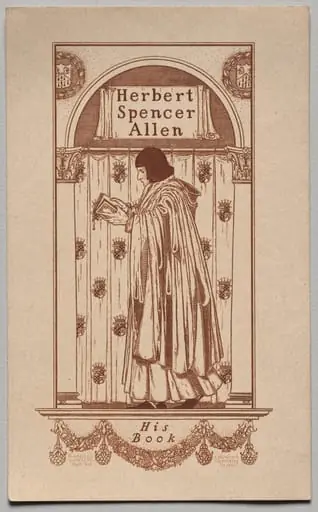 Bookplate: Herbert Spencer Allen, His Book inscribed
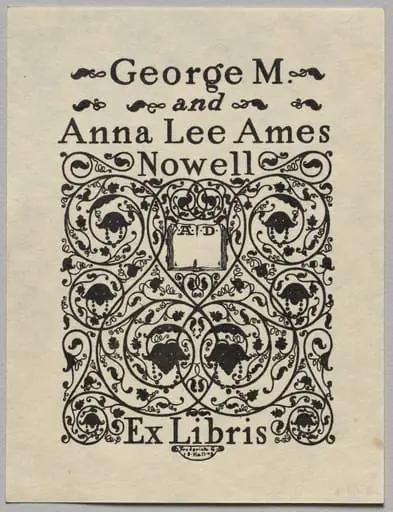 Bookplate: George M. and Anna Lee Ames Nowell, Ex Libris inscribed
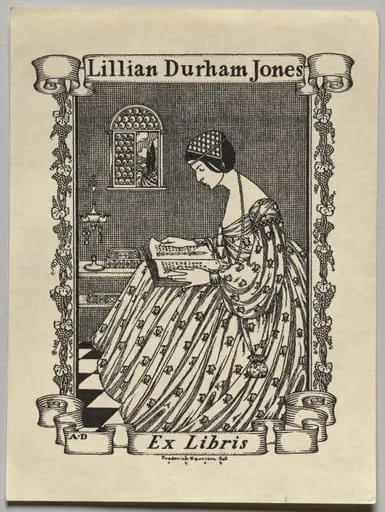 Bookplate: Lillian Durham Jones, Ex Libris inscribed
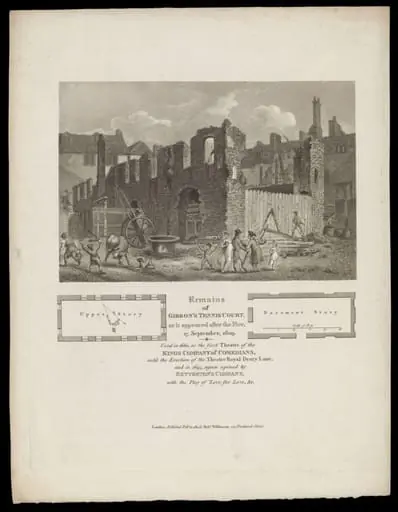 H Beard Print Collection
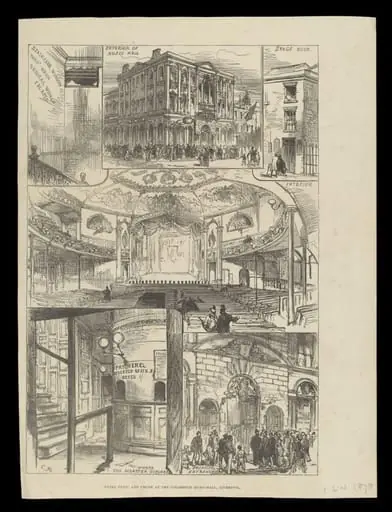 H Beard Print Collection
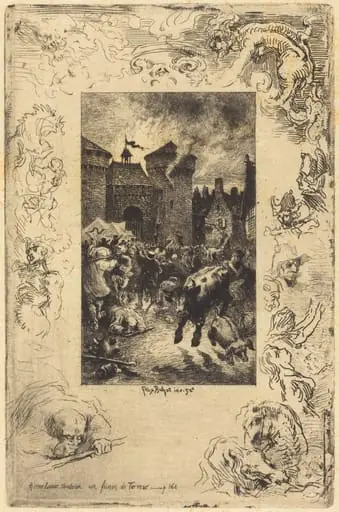 A cette lueur soudaine... (In the sudden gleam of light...)
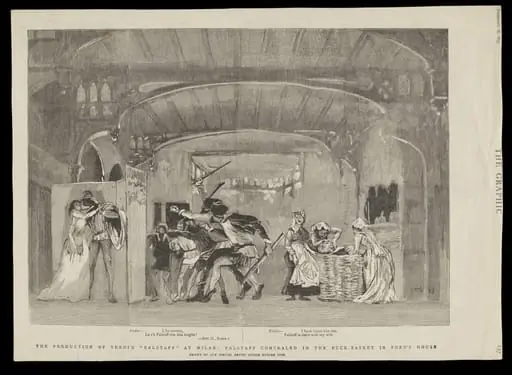 H Beard Print Collection
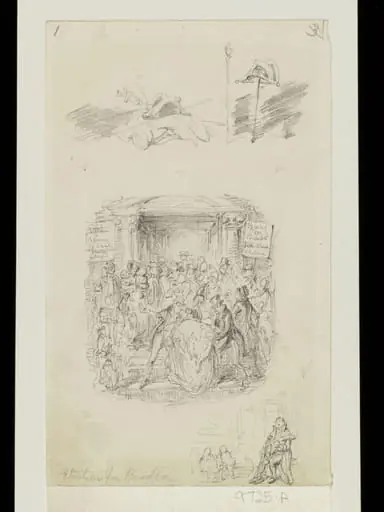 Election for Beadle
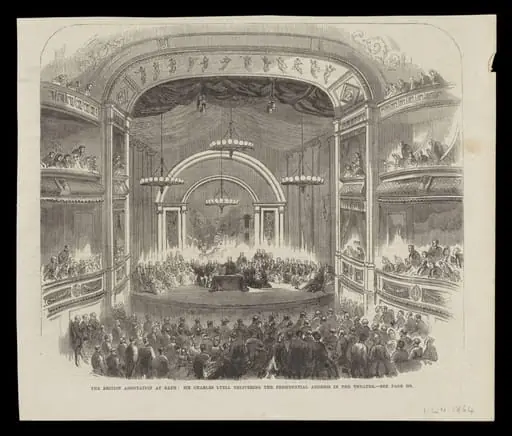 H Beard Print Collection
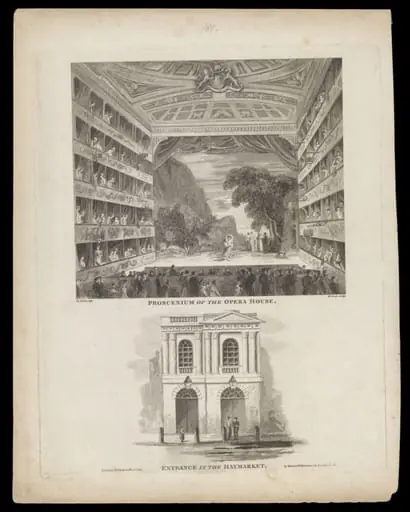 H Beard Print Collection
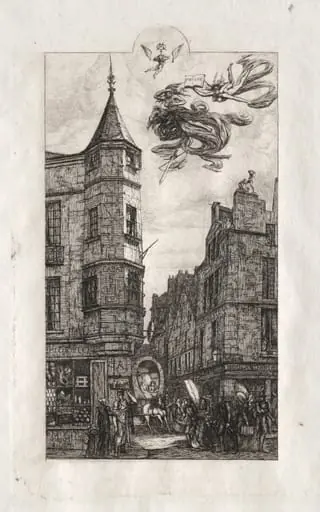 Etchings of Paris: Tourelle, rue de l'Ecole de Médicine
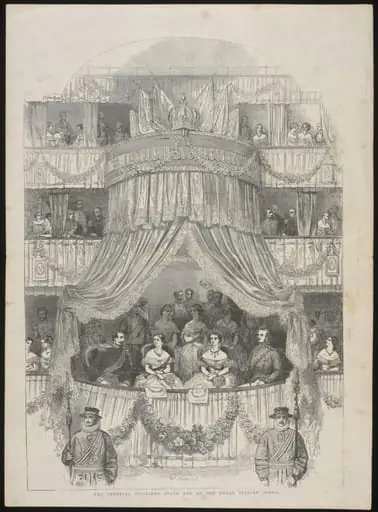 H Beard Print Collection
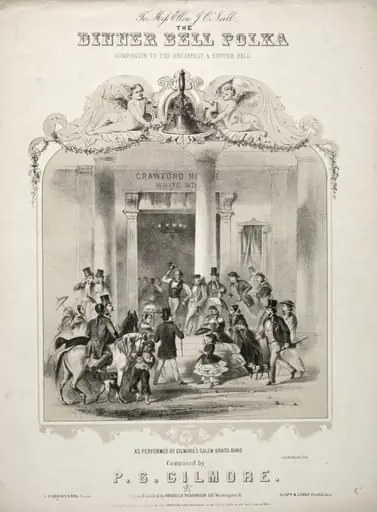 The Dinner Bell Polka - Sheet Music Cover