Artwork
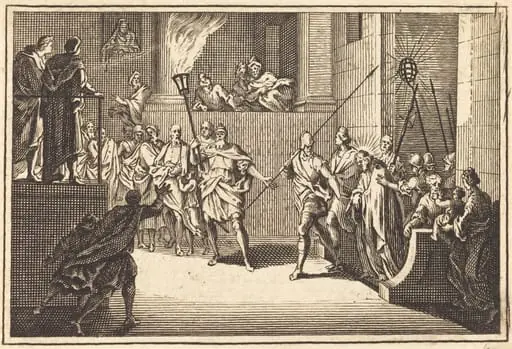
Betrayal of Judas
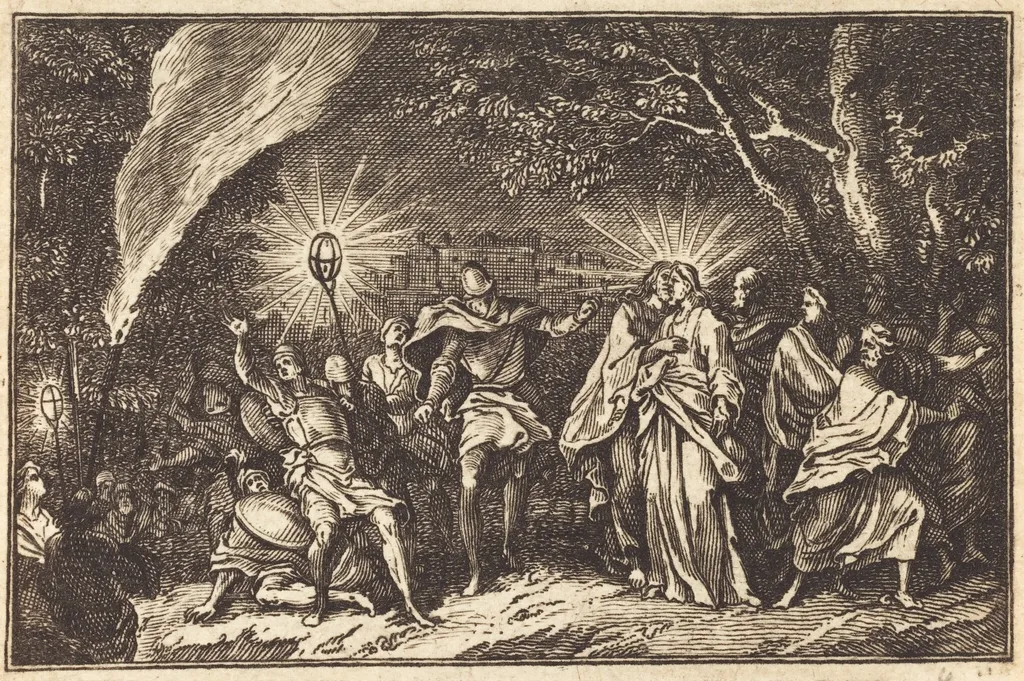
Betrayal of Judas is an ink print by the Baroque artist French 17th Century. It dates from 1650 and is held in the collection of the National Gallery of Art.
About this work
Overview
This engraving depicts a dramatic nocturnal scene featuring five men, with a central figure illuminated by a lantern, set against a turbulent background of dark trees and swirling clouds.
Subject & Meaning
The composition appears to illustrate a moment of high tension, possibly the Betrayal of Judas, as suggested by the title. The emotional states of the figures—tension, worry, and urgency—are conveyed through their postures and facial expressions.
Technique & Style
The engraving employs cross-hatching, a technique of layered parallel lines, to achieve deep shadows and highlights. This method imbues the scene with a sense of rough immediacy and emotional intensity.
History & Provenance
No specific historical or provenance details are provided for this engraving, including the artist's identity or date of creation.
Context
The use of cross-hatching suggests the work may align with 16th- to 18th-century European printmaking traditions, where this technique was commonly used to create detailed, high-contrast images.
Legacy
The engraving's impact or influence on subsequent art is not specified, though its demonstration of cross-hatching's expressive potential reflects a broader artistic legacy in printmaking.
Artist & collection

Artist
Seventeenth-century French printmakers turned ink into story. Their tools were burin and acid, paper their stage. Look at the Beggar Woman with Rosary (1622), etched on laid paper, her hands folded around faith, or The…

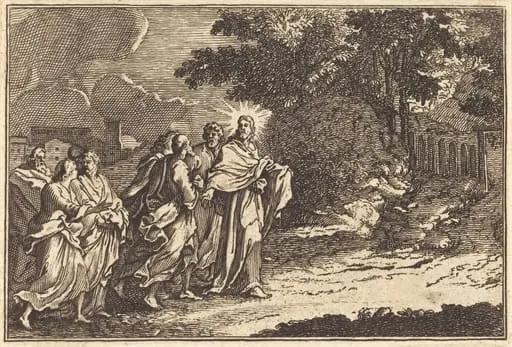 Christ Arrives on the Mount of Olives
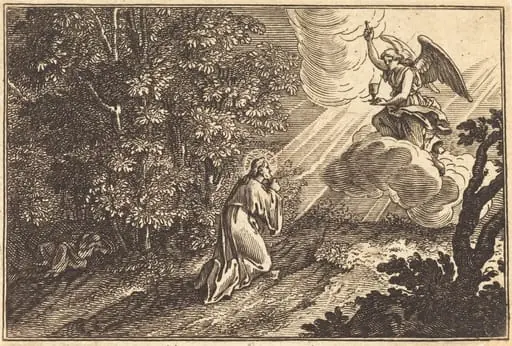 Christ Praying on the Mount of Olives
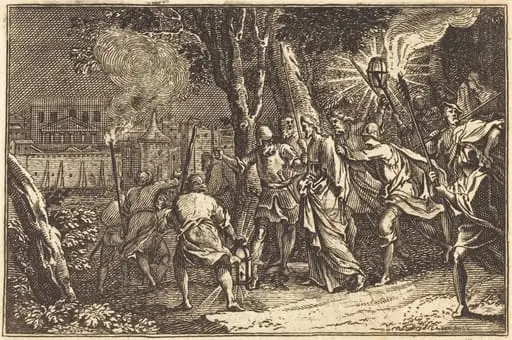 The Arrest of Christ
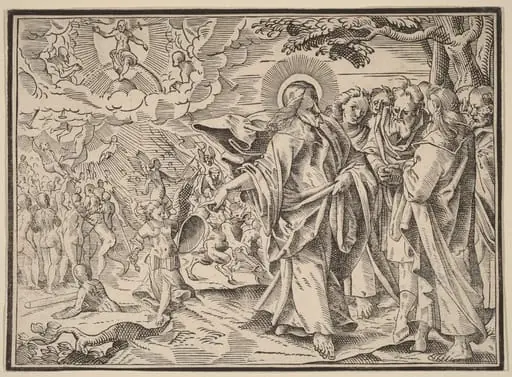 Christ Tells His Disciples of the Last Judgment
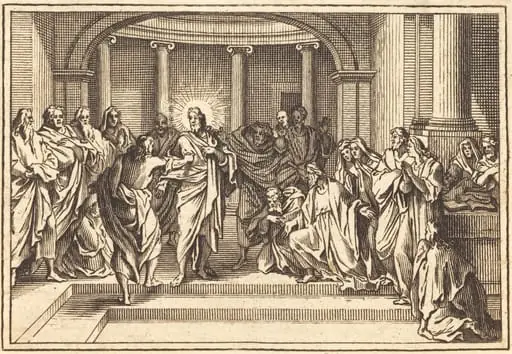 The Incredulity of Thomas
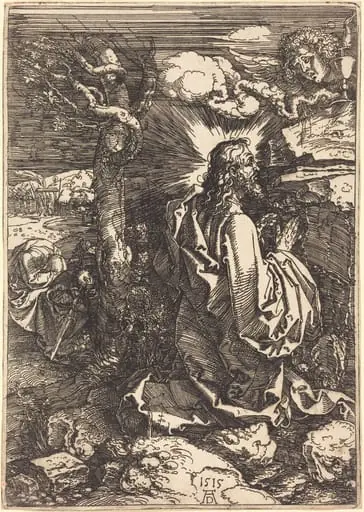 Christ on the Mount of Olives
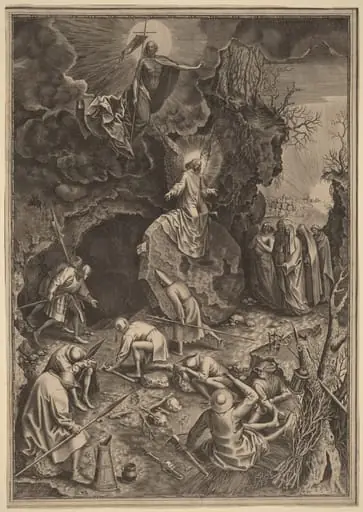 The Resurrection
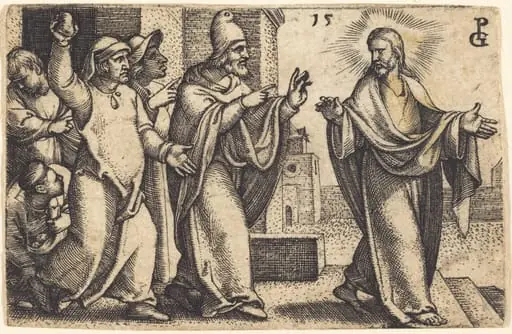 The Pharisees Wish to Stone Christ
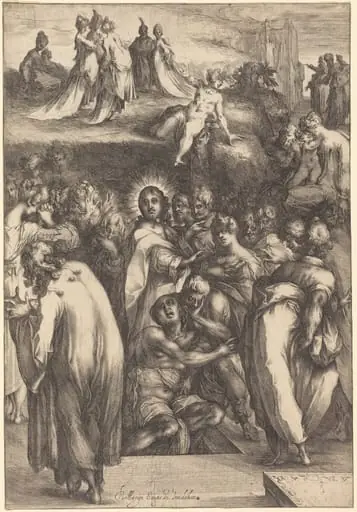 The Raising of Lazarus
![Christ Walking on the Water [first plate], by Jacques Callot](https://artifactworldgallery.com/img/jacques-callot--christ-walking-on-the-water-first-plate--9739bdd1ccf996c8-w320.webp) Christ Walking on the Water [first plate]
Christ Walking on the Water [first plate]