Artwork
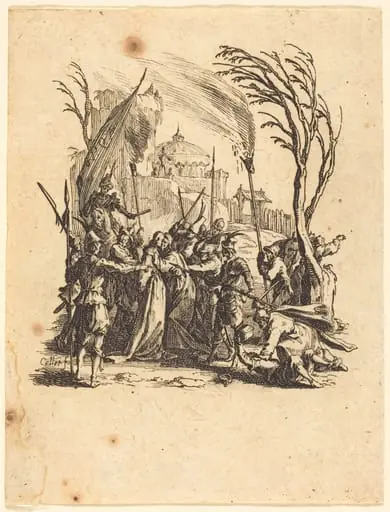
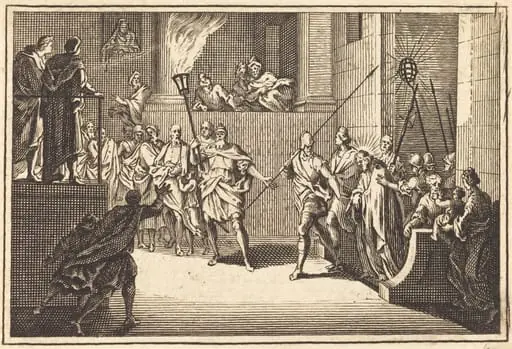
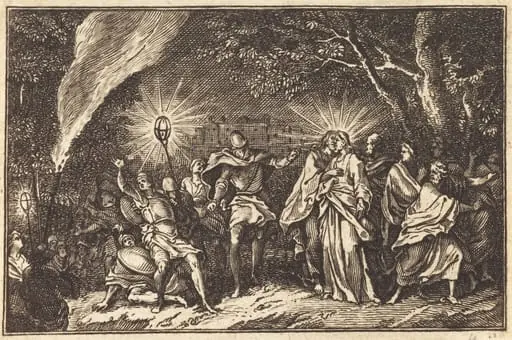
The Arrest of Christ
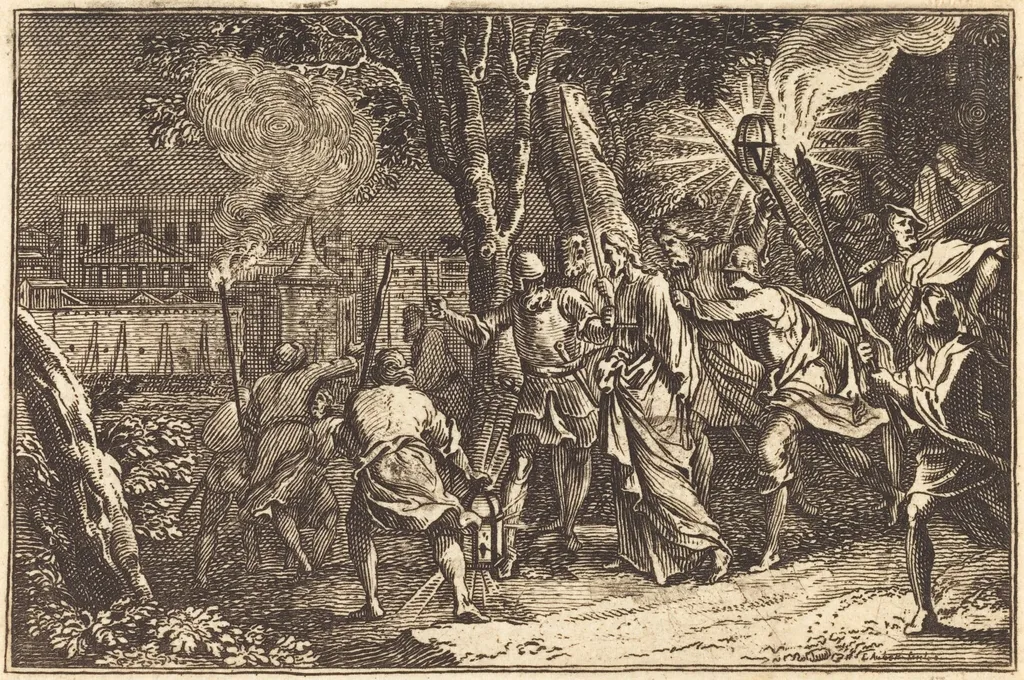
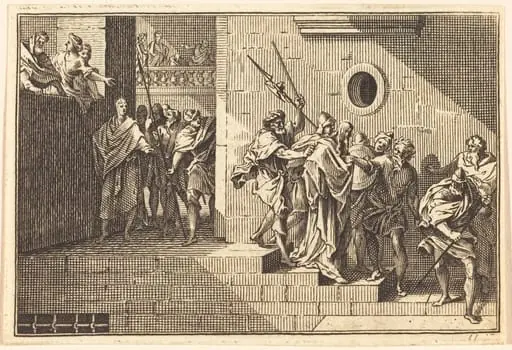
The Arrest of Christ is an ink print by the Baroque artist French 17th Century. It dates from 1650 and is held in the collection of the National Gallery of Art.
About this work
Overview
This engraving captures the moment of Christ’s arrest in the Garden of Gethsemane, rendered in fine linear detail characteristic of early modern printmaking.
This engraving captures the moment of Christ’s arrest in the Garden of Gethsemane, rendered in fine linear detail characteristic of early modern printmaking. The composition centers on Christ’s stillness amid chaotic figures, contrasting his calm demeanor with the urgency of his captors. The artist employs cross-hatching to model form and depth, creating a chiaroscuro effect that heightens the emotional tension without overt theatricality.
Subject & Meaning
The scene illustrates the biblical moment when Judas identifies Christ to Roman and temple guards with a kiss. Christ’s outstretched arms suggest acceptance rather than resistance, emphasizing spiritual composure amid violence. The lantern held by one figure symbolizes revelation and divine truth, while the surrounding darkness underscores the moral ambiguity of the betrayal. The quiet dignity of Christ contrasts with the agitated postures of his arresters.
Technique & Style
The artist uses precise engraving tools to carve fine lines into a metal plate, building tone through layered cross-hatching. Shadows are dense and controlled, while highlights remain minimal, directing focus to Christ’s face and hands. The background is rendered with looser, atmospheric strokes, suggesting distance and unease. This method aligns with Northern European print traditions that valued detail and tonal nuance over bold brushwork.
History & Provenance
The engraving likely dates to the late 16th or early 17th century, produced in a region with strong printmaking traditions such as the Netherlands or Germany. It was probably circulated among religious collectors or used as devotional imagery. No definitive record of the artist or original owner survives, but its style suggests influence from contemporaries like Rembrandt or his circle, who frequently explored biblical themes in print.
Context
Created during a period of religious upheaval, this image reflects the continued importance of biblical narratives in private devotion. While Baroque painting emphasized movement and emotion, this engraving channels similar intensity through restrained line and contrast. Its production aligns with the Protestant emphasis on personal scripture engagement, even as Catholic regions also embraced such imagery for meditation and instruction.
Legacy
Though not widely attributed to a major master, this engraving exemplifies how religious subjects were translated into intimate, reproducible formats for widespread use. Its technical precision and emotional restraint influenced later printmakers who sought to convey spiritual gravity through line alone. Surviving impressions are held in institutional collections, valued for their craftsmanship and quiet narrative power.
Artist & collection

Artist
Seventeenth-century French printmakers turned ink into story. Their tools were burin and acid, paper their stage. Look at the Beggar Woman with Rosary (1622), etched on laid paper, her hands folded around faith, or The…

![The Challenge [right], by Gabriel de Saint-Aubin](https://artifactworldgallery.com/img/gabriel-de-saint-aubin--the-challenge-right--75162e00e6876b27-w320.webp)