Artwork
Captain of the Barons
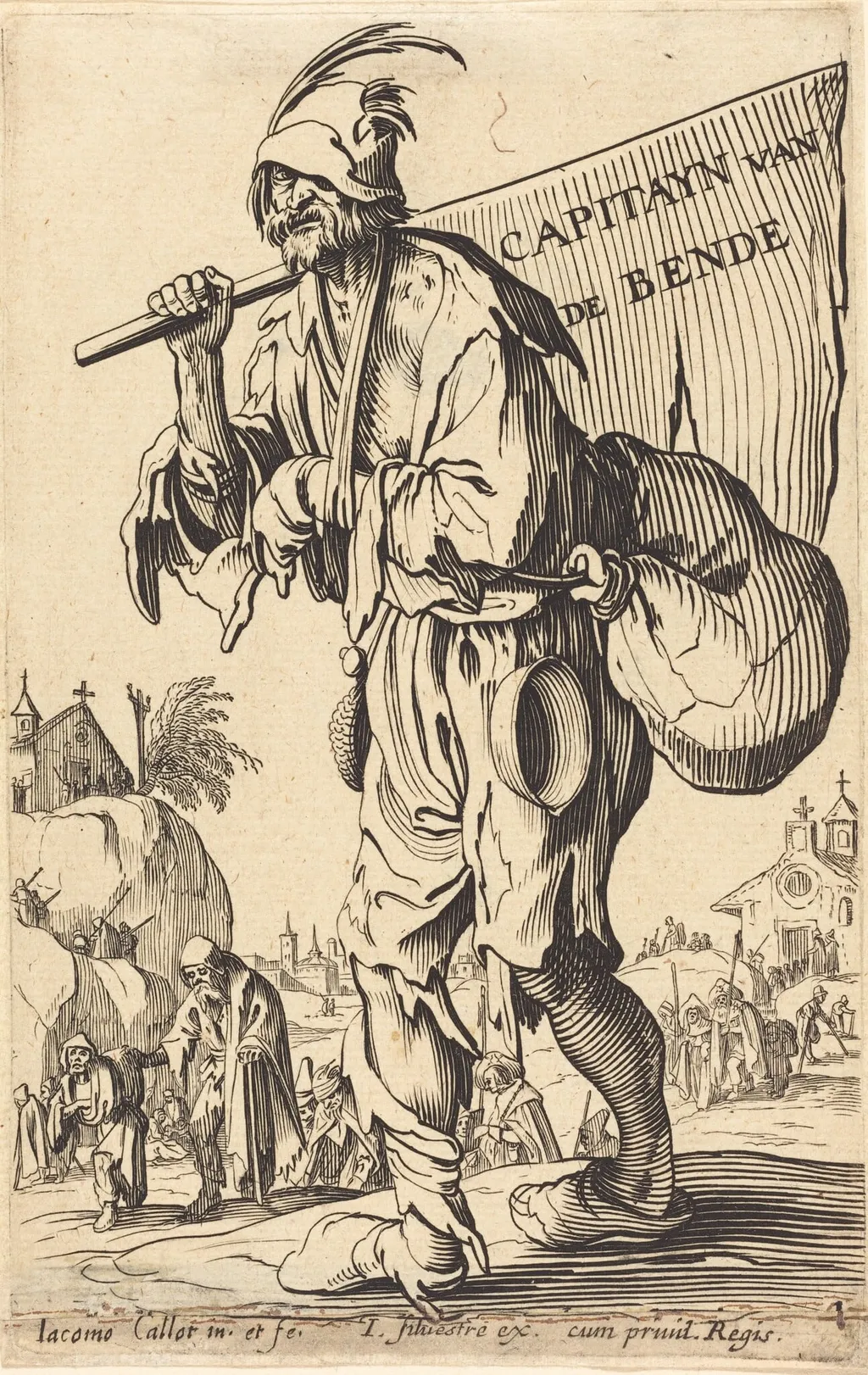
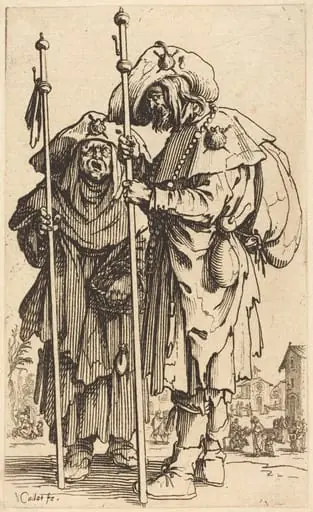
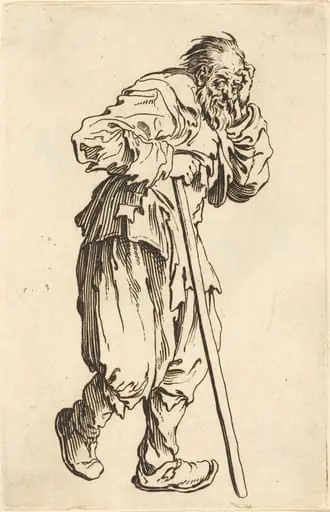
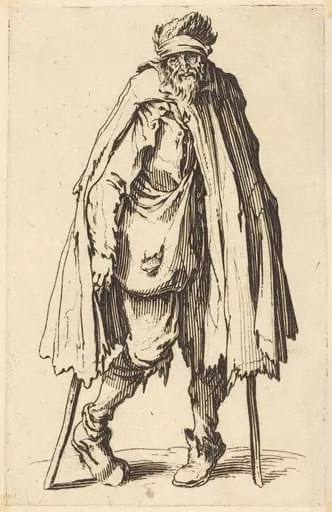
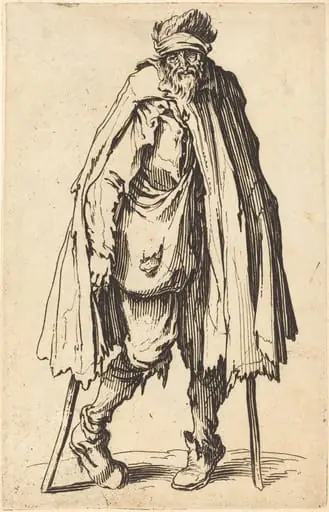
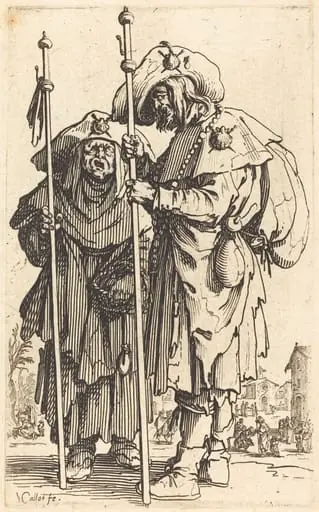
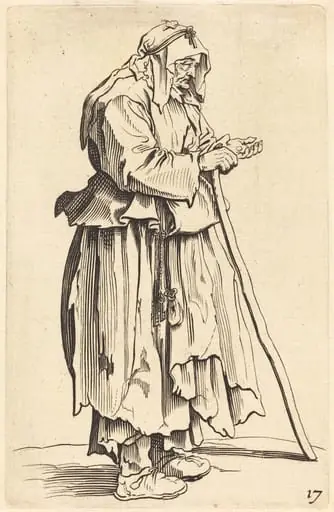
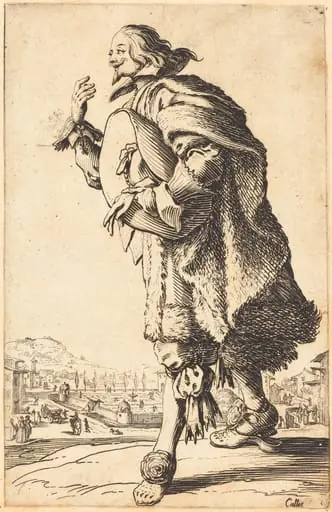
Captain of the Barons is an ink print by the Baroque artist French 17th Century. It dates from 1622 and is held in the collection of the National Gallery of Art. This etching depicts a commanding male figure, rendered in bold, textured lines on laid paper.
About this work
Overview
This etching depicts a commanding male figure, rendered in bold, textured lines on laid paper. The subject stands tall amid a crowd of smaller figures and distant architecture, suggesting a hierarchical or symbolic narrative. The medium—etching on paper—allows for sharp contrasts and expressive detail, emphasizing the figure’s presence through line and shadow rather than color or tone.
Subject & Meaning
The title suggests allegory—perhaps representing feudal authority, justice, or the tension between individual power and collective order.
The central figure, labeled 'Captain of the Barons,' appears as an authoritative, almost mythic leader. His muscular form, stern expression, and the scrolls he holds imply legal or administrative power. The surrounding figures, some in submission, reinforce a structure of command. The title suggests allegory—perhaps representing feudal authority, justice, or the tension between individual power and collective order.
Technique & Style
The artist employs etching to create dense, irregular lines that convey texture and movement. The figure’s twisted posture and heavy robes are rendered with forceful strokes, while the background is suggested through sparse, atmospheric marks. The contrast between the solid central form and the fragmented crowd enhances the sense of dominance, characteristic of expressive printmaking in the period.
History & Provenance
The work’s origin is undocumented in public records, but its style aligns with late Renaissance or early Baroque print traditions in Northern Europe. Etchings of this type were often produced for private collections or as studies of power dynamics. Its survival suggests it was valued for its symbolic depth, though its creator and early ownership remain unverified.
Context
In the 16th and 17th centuries, prints like this circulated among educated elites as visual commentaries on governance and social order. The figure’s attire and the presence of a church spire hint at the intertwining of secular and religious authority. Such imagery responded to contemporary debates about leadership, law, and hierarchy in fragmented political landscapes.
Legacy
Though not widely reproduced or attributed to a major artist, this etching exemplifies how printmakers used symbolic figures to explore themes of power. Its raw, unpolished aesthetic influenced later generations seeking emotional intensity over idealized form. It remains a quiet example of how printmaking could convey complex social narratives with minimal means.
Artist & collection

Artist
Seventeenth-century French printmakers turned ink into story. Their tools were burin and acid, paper their stage. Look at the Beggar Woman with Rosary (1622), etched on laid paper, her hands folded around faith, or The…