Artwork
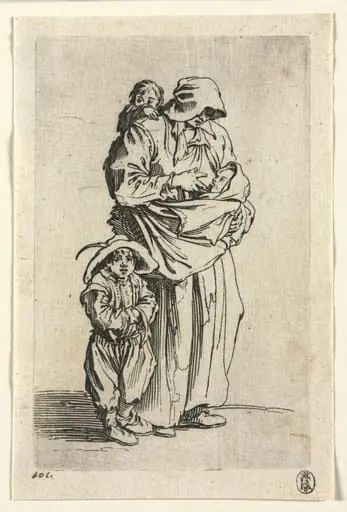
Mother and Three Children
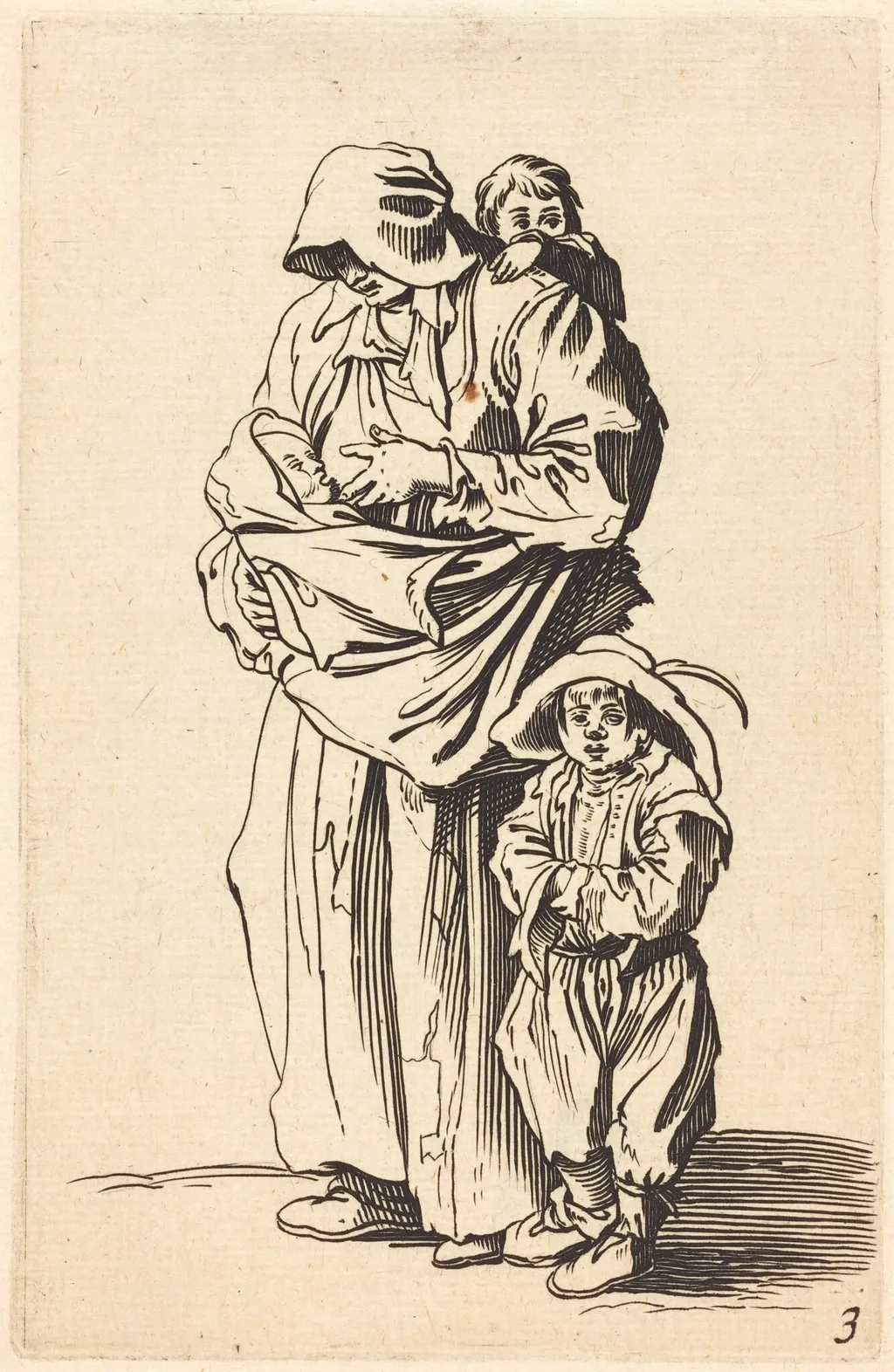
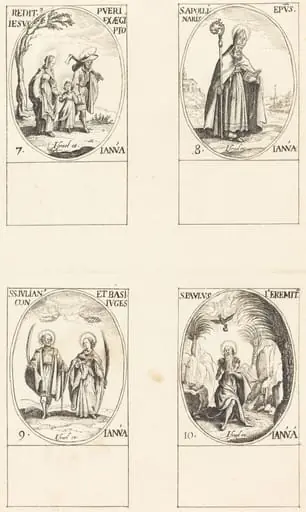
Mother and Three Children is an ink print by the Baroque artist French 17th Century. It dates from 1622 and is held in the collection of the National Gallery of Art. The work is an etching on laid paper depicting a mother cradling an infant while two older children stand nearby.
About this work
Overview
The work is an etching on laid paper depicting a mother cradling an infant while two older children stand nearby. The figures are rendered in loose, expressive lines, and the composition focuses on the intimate family grouping rather than detailed background.
Subject & Meaning
The scene presents a domestic moment: a woman in a simple dress and wide-brimmed hat holds her baby, while the two children, dressed in modest attire and caps, observe. The facial expressions are understated yet convey curiosity and tenderness, suggesting themes of maternal care and childhood wonder.
Technique & Style
Created through etching, the artist incised the image into a metal plate, producing dark, uneven marks that translate into a rough, scratchy line quality on the paper. The laid paper surface enhances the tactile feel of the marks, giving the print a hand‑drawn appearance despite its print medium.
History & Provenance
The piece is catalogued as a print, but specific details about its date of execution, exhibition history, or ownership trail are not provided in the source material.
Context
Etching was a common medium for artists seeking to explore line and texture in the 19th and early 20th centuries. This work aligns with that tradition, using the medium’s capacity for fine, expressive lines to convey a personal, everyday scene.
Artist & collection

Artist
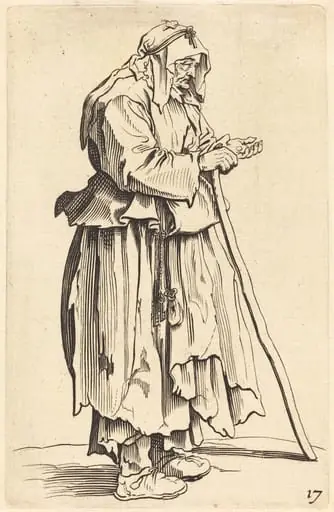
Seventeenth-century French printmakers turned ink into story. Their tools were burin and acid, paper their stage. Look at the Beggar Woman with Rosary (1622), etched on laid paper, her hands folded around faith, or The…