Artwork
Alix malade
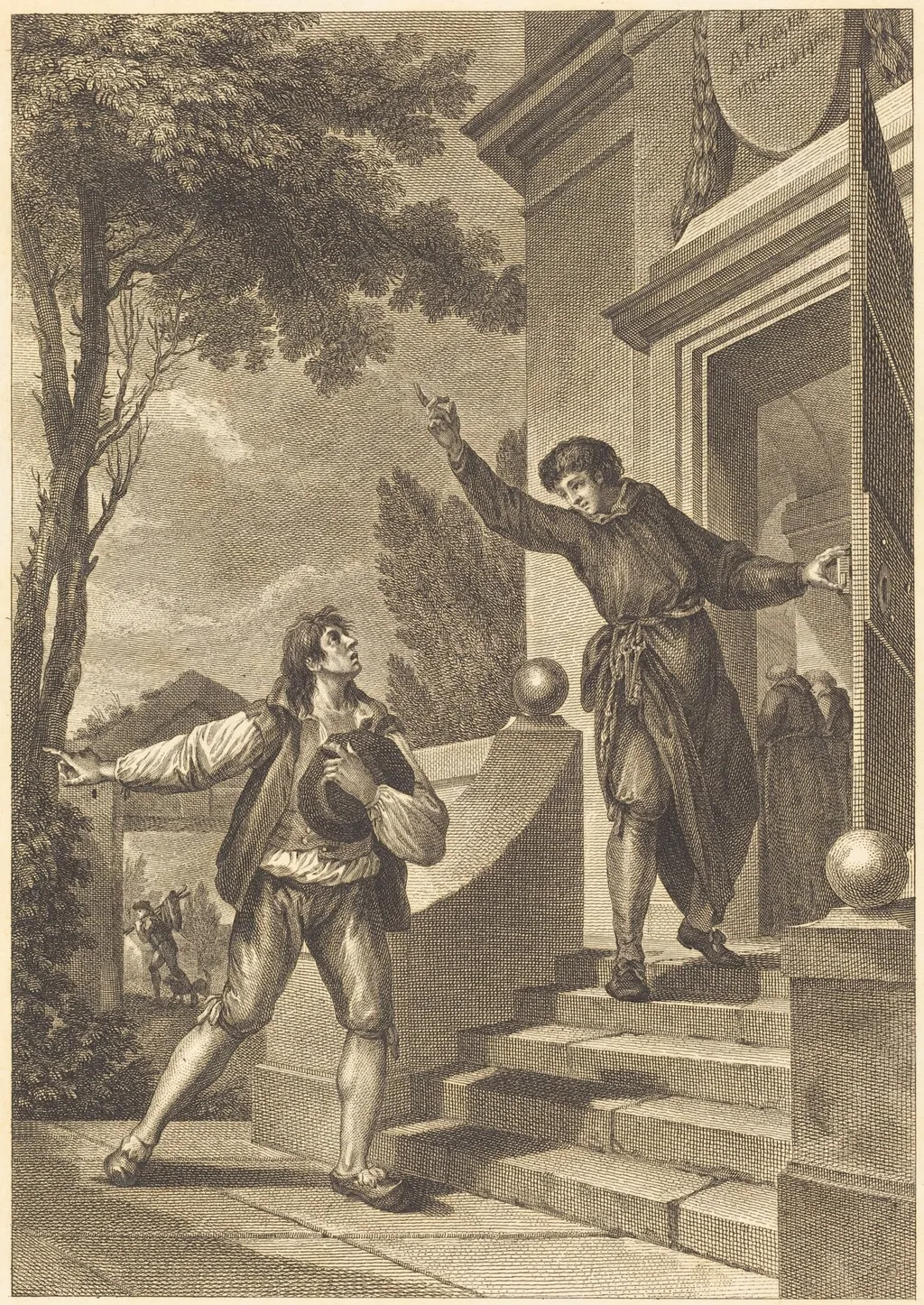
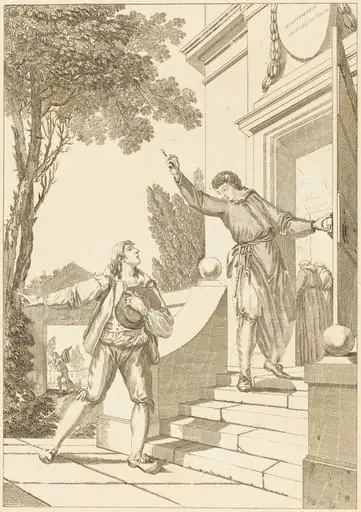
Alix malade is an ink print by the Baroque artist French 18th Century. It dates from 1750 and is held in the collection of the National Gallery of Art.
About this work
Overview
Alix malade is an etched and engraved print that portrays a woman reclining on a couch. She rests her head on her right hand, dressed in a flowing robe, her gaze directed downward. The composition is dominated by a dark, muted background that frames the figure with subtle texture and pattern.
Subject & Meaning
The seated woman appears absorbed in thought, her serene expression suggesting introspection. The downward cast of her eyes and the relaxed posture convey a moment of quiet contemplation, inviting viewers to consider themes of solitude and inner reflection.
Technique & Style
The work employs chiaroscuro through careful contrast of light and shadow, achieved by the interplay of etched lines and engraved details. A restrained palette of muted tones enhances the sense of depth, while the soft, gentle line work defines the figure with a calm, almost lyrical quality.
History & Provenance
Created as a print, Alix malade was produced using both etching and engraving processes, techniques common to the period’s graphic arts. The work’s title and medium indicate it was likely intended for limited distribution among collectors familiar with such intaglio methods.
Context
The piece reflects the broader Baroque interest in dramatic lighting and emotional nuance, yet its subdued mood distinguishes it from more theatrical contemporaries. The emphasis on personal interiority aligns with a shift toward more intimate, private subjects in early modern printmaking.
Artist & collection

Artist
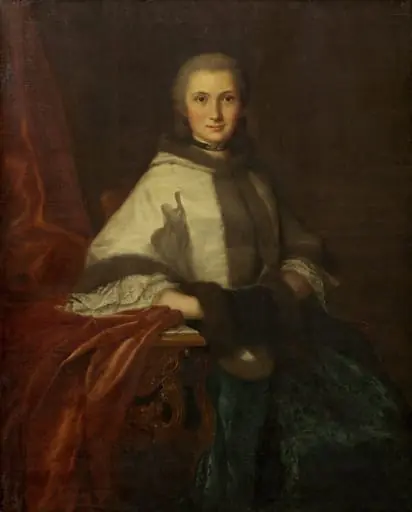
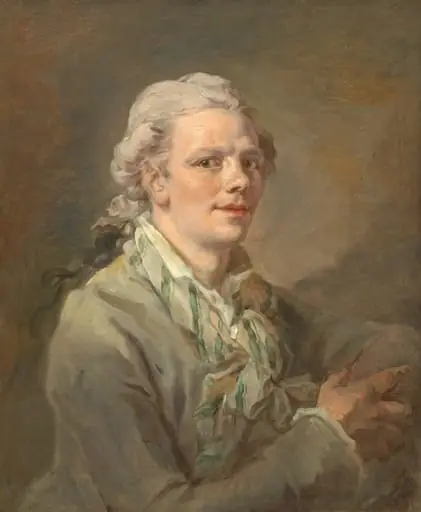
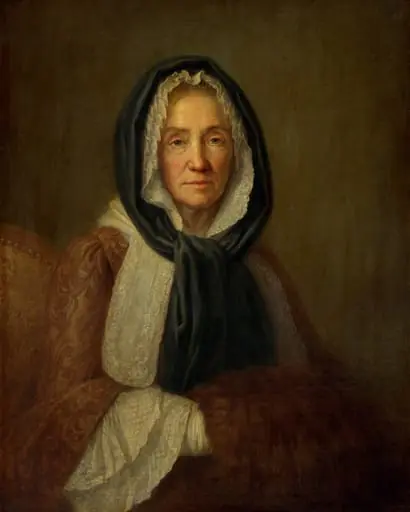
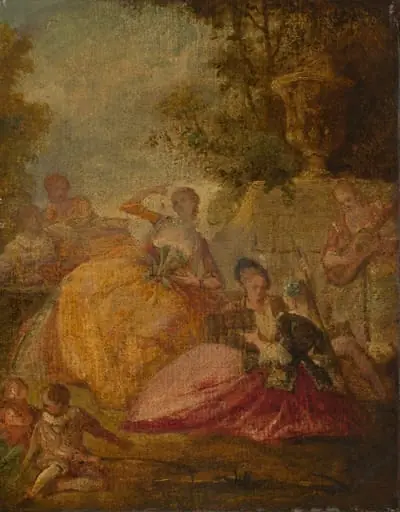
This artist worked in late 18th-century France, making portrait paintings and etched prints.

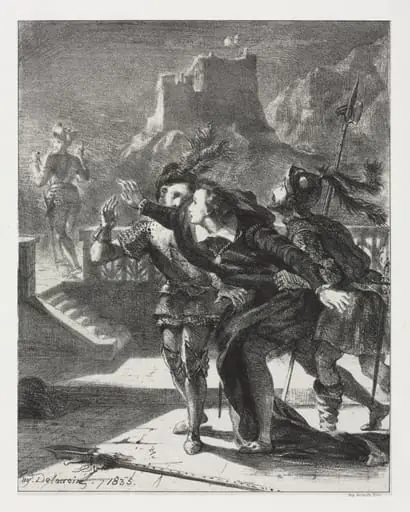 Hamlet: Hamlet Rushes to Follow the Ghost of His Father
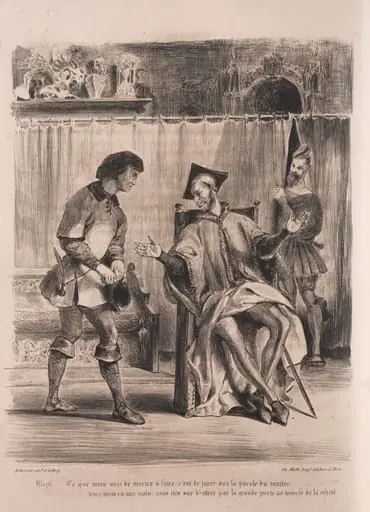 Illustrations for Faust: Méphistophélé receives the schoolboy
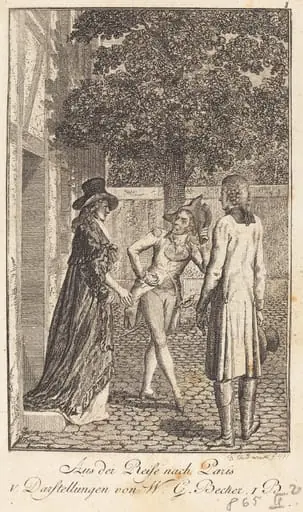 The Voyage to Paris
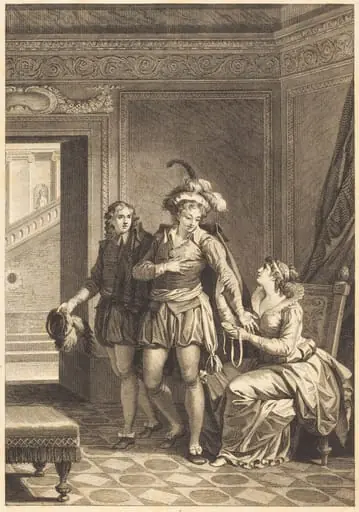 Joconde: Le depart
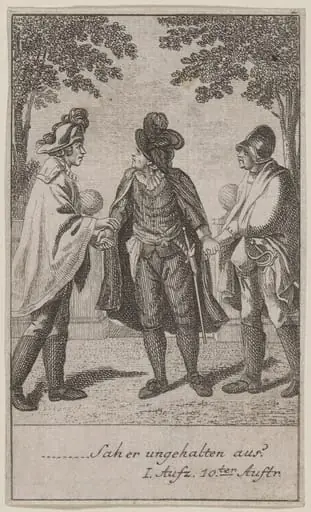 Sah er ungehalten aus? (What, look’d he frowningly?)
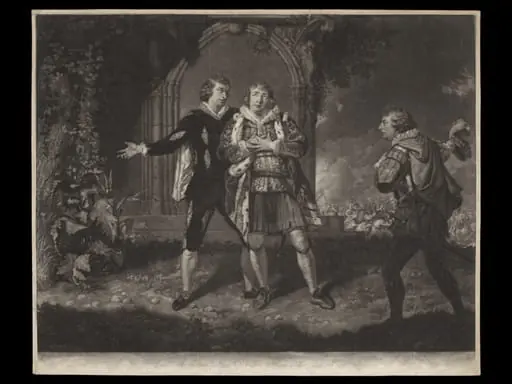 H Beard Print Collection
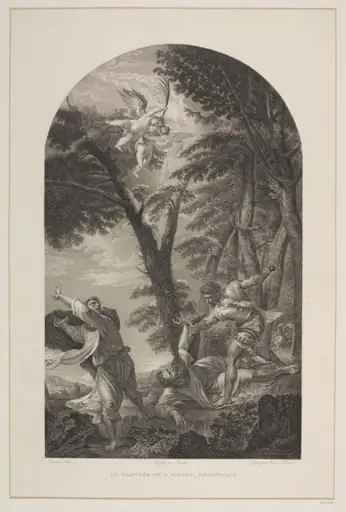 Martyrdom of St. Peter the Dominican
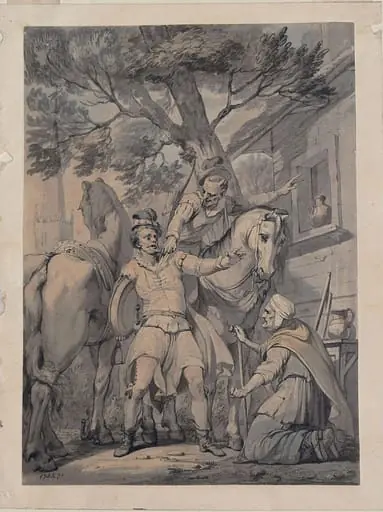 The Sompnour, the Devil, and the Widow
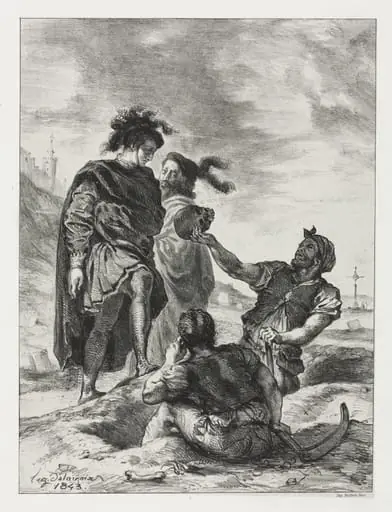 Hamlet: Hamlet and Horatio with the Grave Diggers
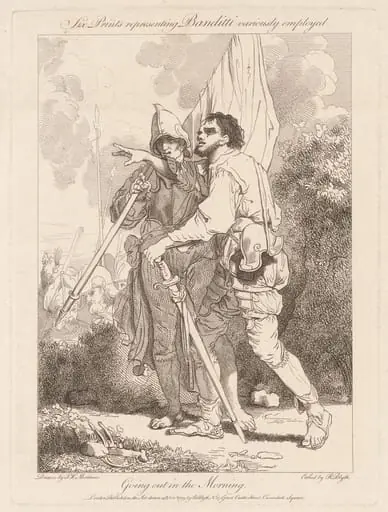 Going Out in the Morning
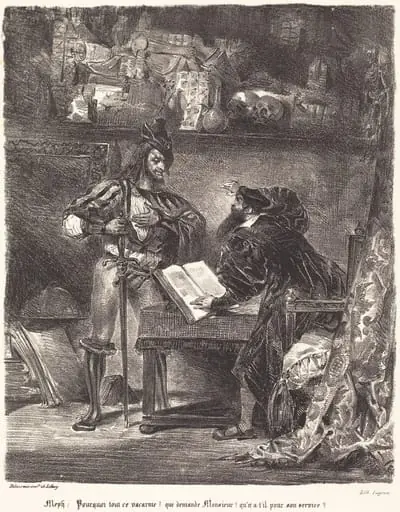 Mephisto Appears to Faust
 Alix malade