Artwork
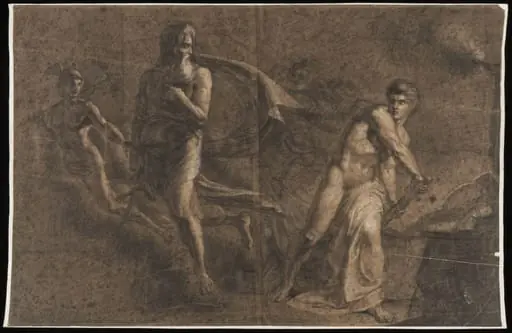
Jupiter and Semele
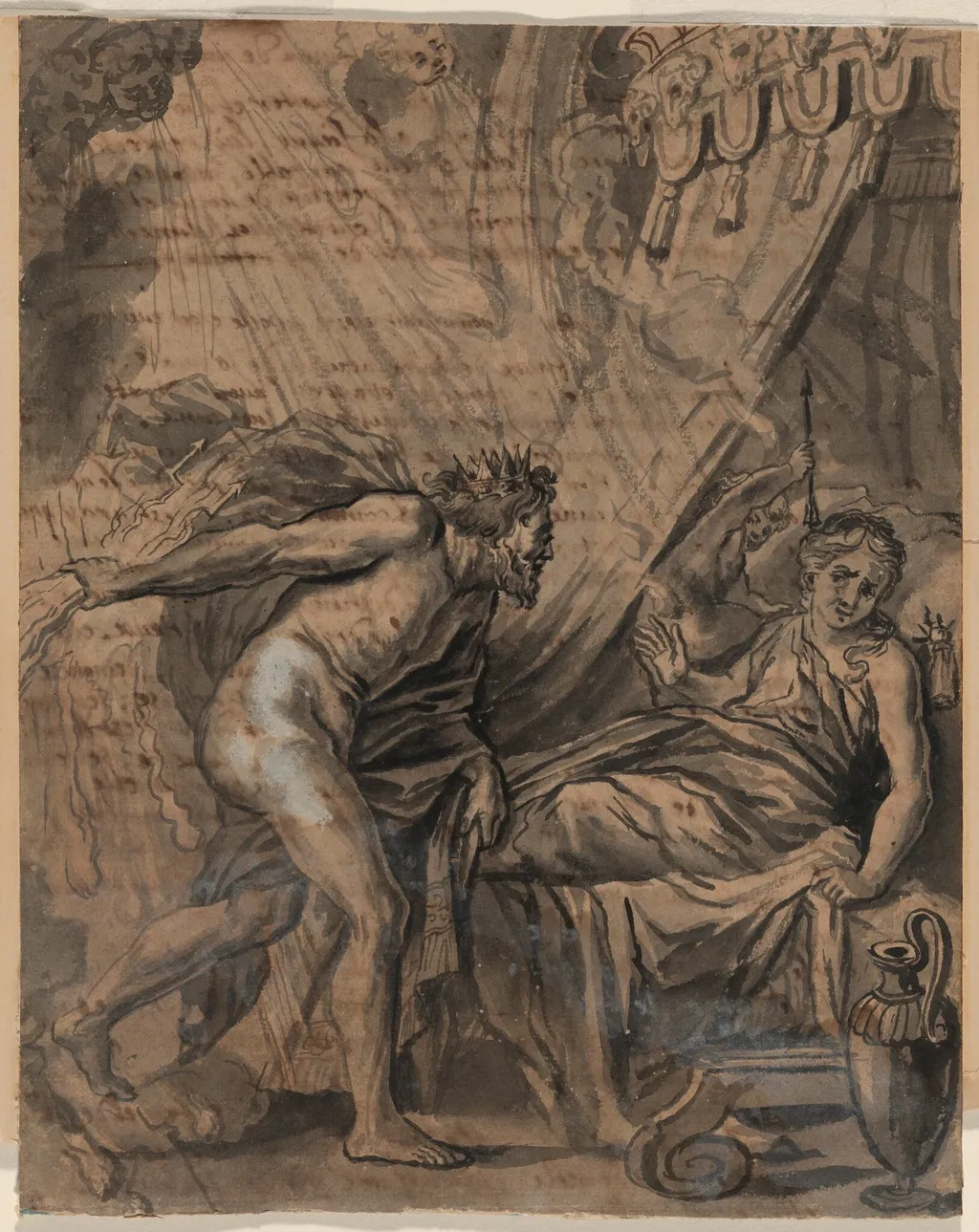
Jupiter and Semele is an ink drawing by the Baroque artist French 18th Century. It dates from 1750 and is held in the collection of the National Gallery of Art.
About this work
Overview
The sketch’s unfinished quality and dynamic line work reflect its function as a preparatory study rather than a finished piece.
This pen and ink drawing on laid paper captures a mythological encounter between Jupiter and Semele. Executed with gray wash and expressive, rapid strokes, the work conveys motion and emotional intensity. The composition is partially mounted on a backing, suggesting later conservation. The sketch’s unfinished quality and dynamic line work reflect its function as a preparatory study rather than a finished piece.
Subject & Meaning
The scene depicts Jupiter, god of the sky, kneeling before Semele, a mortal woman. He holds a thunderbolt, identifying him as the king of the gods, while she gazes downward, clutching a small object—possibly a symbol of her mortal vulnerability. The moment suggests the fateful encounter preceding her destruction by his divine radiance, a key episode in Ovid’s Metamorphoses that explores the peril of mortal contact with the divine.
Technique & Style
The artist employed swift, fluid lines to suggest movement and tension, contrasting with areas of dense gray wash that define shadow and volume. The rough texture of the pen strokes and the transparency of the washes create a sense of immediacy. Background elements like the chariot and clouds are rendered faintly, guiding focus to the central figures while maintaining atmospheric depth without detail.
History & Provenance
The drawing was likely made in the early 17th century, during a period when mythological themes were frequently explored in preparatory sketches. Its partial mounting on a support indicates it was preserved and possibly collected soon after creation. While its exact origin and early ownership remain undocumented, its style aligns with drawings produced in Italian and Northern European artistic circles of the Baroque era.
Context
This work emerged during a time when artists turned to classical mythology to explore human emotion and divine power. Baroque sensibilities favored dramatic gestures, chiaroscuro, and psychological tension—all evident here. The sketch reflects a broader trend of using rapid drawing to capture fleeting moments of narrative intensity, often as studies for larger paintings or frescoes.
Legacy
Though not widely published or exhibited in its time, the drawing exemplifies how Baroque draftsmen used minimal means to convey complex narratives. Its emphasis on emotional immediacy and gestural economy influenced later generations of artists seeking to capture mythic drama without elaborate finish. It remains a quiet testament to the power of the sketch as a vehicle for narrative and feeling.
Artist & collection

Artist
This artist worked in late 18th-century France, making portrait paintings and etched prints.

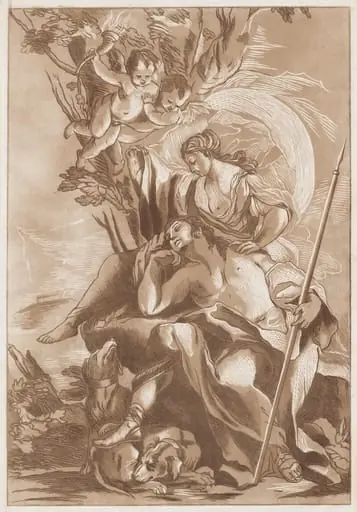 Diana and Endymion
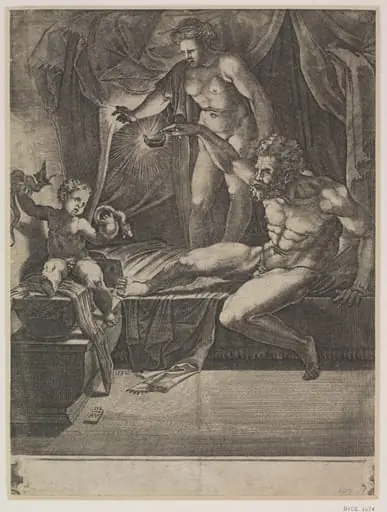 Untitled
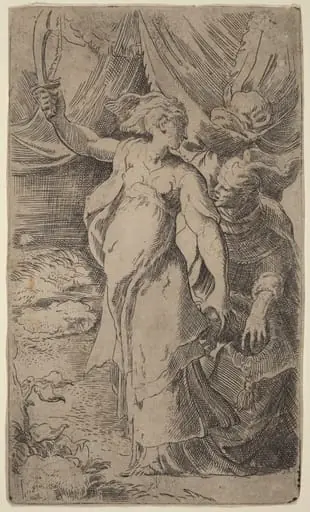 Judith
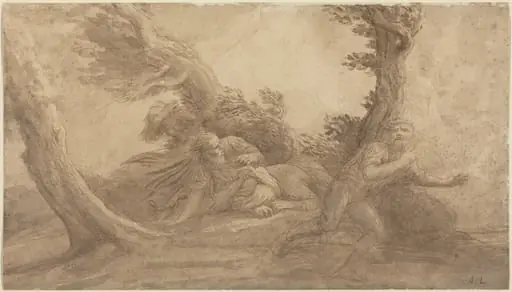 Clap of Thunder
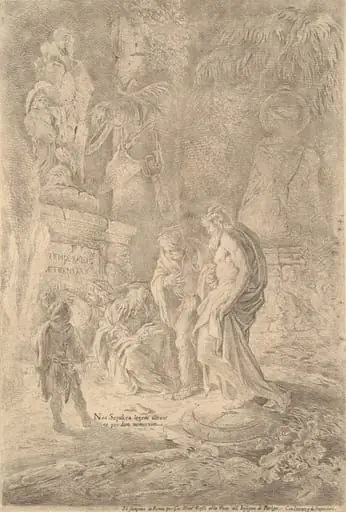 Temporalis Aeternitas
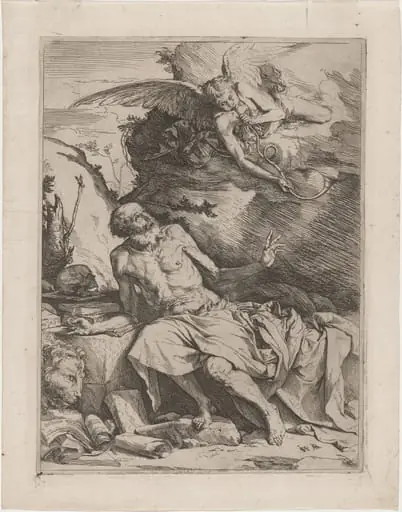 Saint Jerome Hearing the Trumpet of the Last Judgment
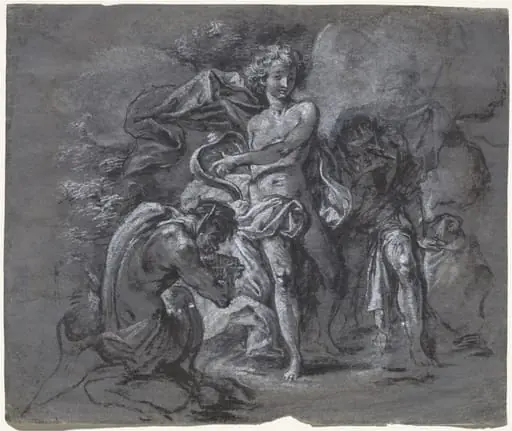 The Contest between Apollo and Pan before King Midas
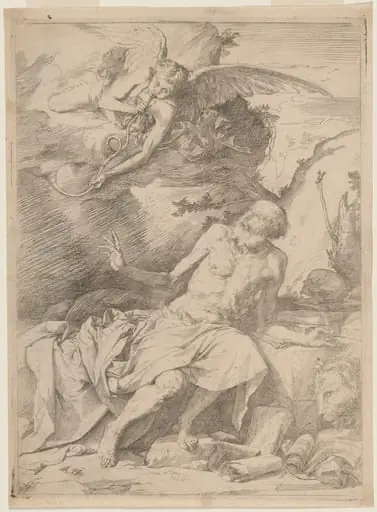 Saint Jerome Hearing the Trumpet of the Last Judgement
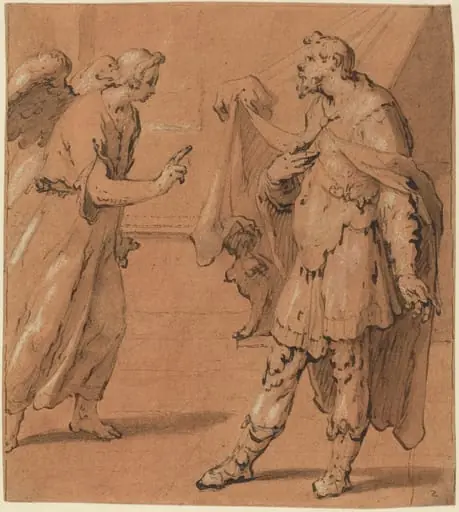 The Angel Appearing to the Centurion Cornelius
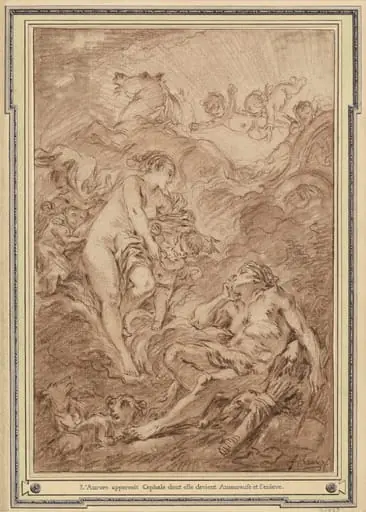 Aurora and Cephalus
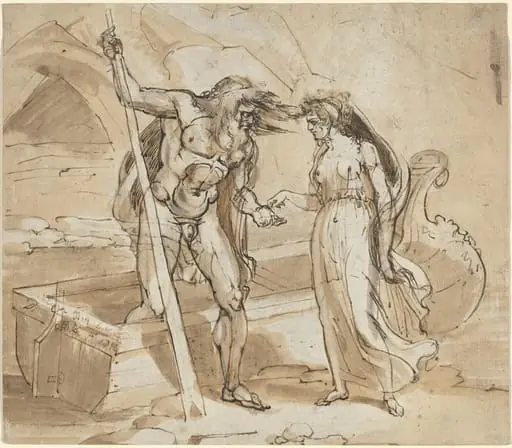 Psyche Giving Her Coin to Charon
 Drawing on Brown Paper