Artwork
Turkish sultans, sultanas and other historical figures
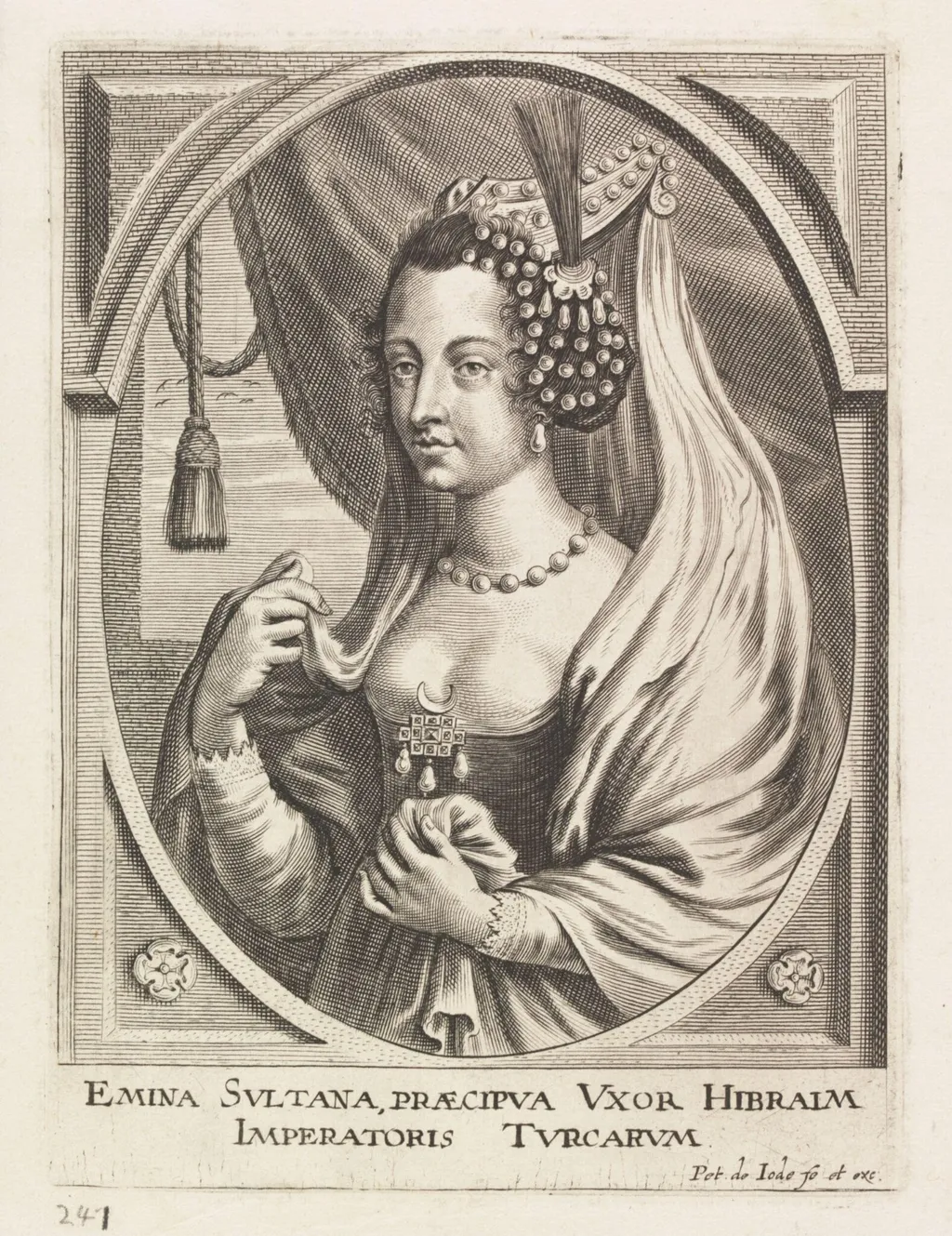
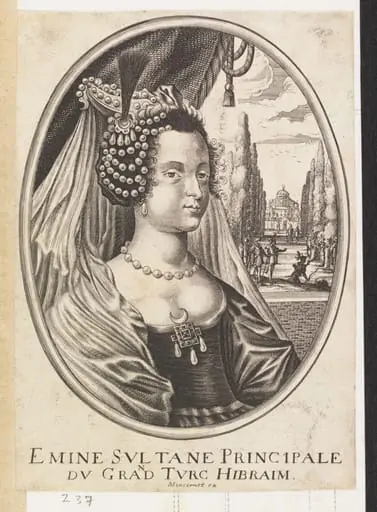
Turkish sultans, sultanas and other historical figures is a print by the Baroque artist Pieter de Jode. It dates from 1650 and is held in the collection of the Victoria and Albert Museum.
About this work
Overview
The work reflects European interest in Ottoman court life during the mid-seventeenth century, translating foreign figures into a familiar printmaking tradition.
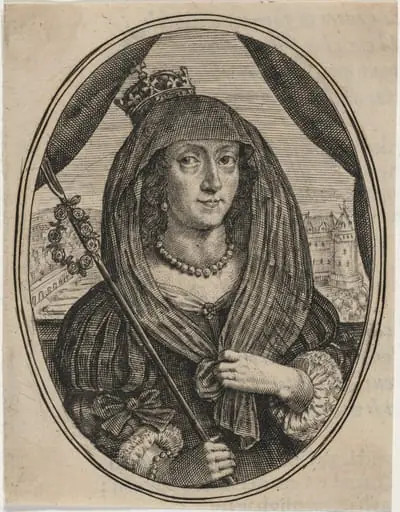
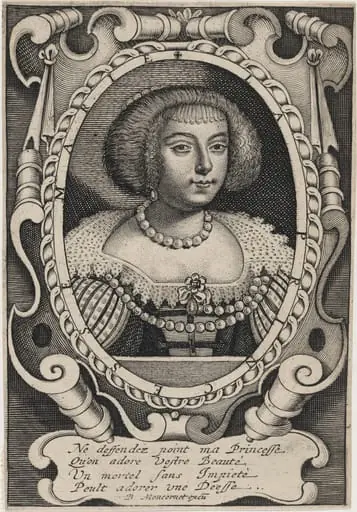
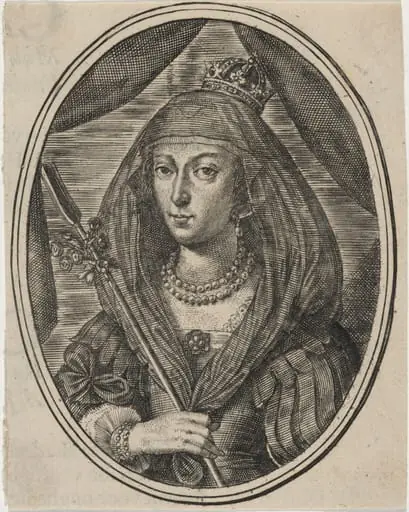
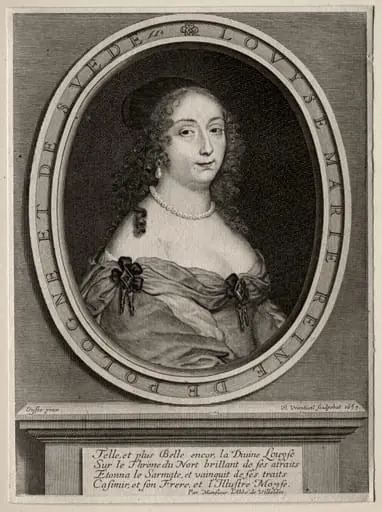
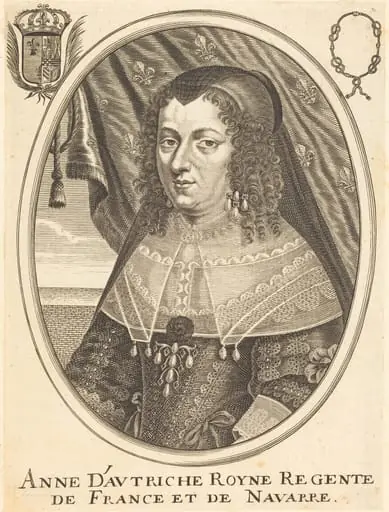
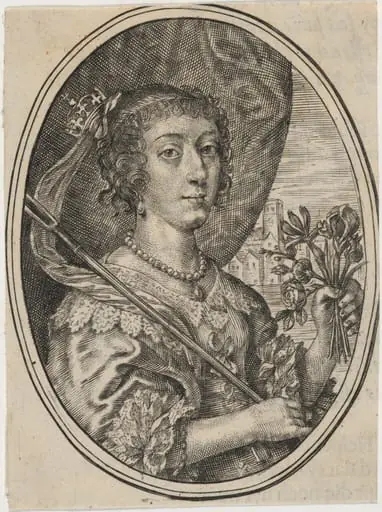
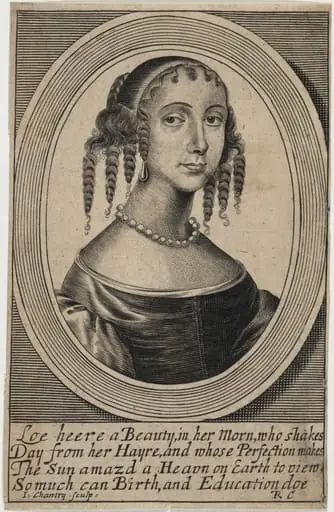
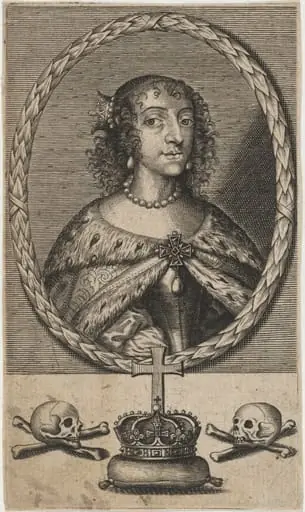
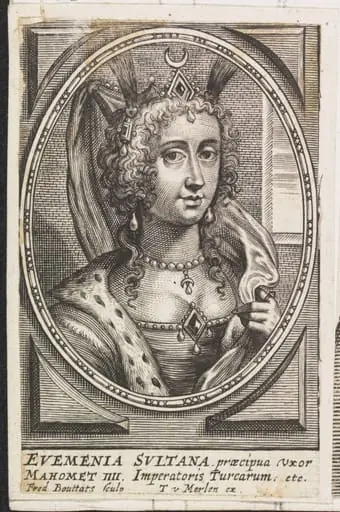
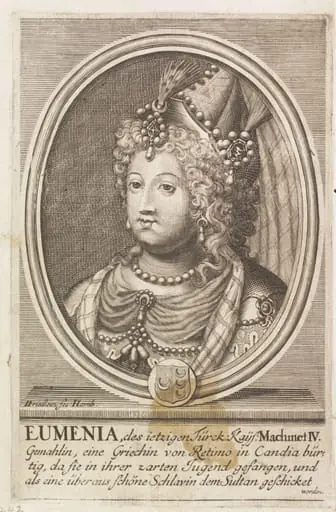
This 1650 engraving by Pieter de Jode portrays a group of Ottoman imperial figures, centered on a woman identified as Emina Sultana. Rendered in fine linear detail, the composition presents a formal assembly of dignitaries in period dress, arranged with deliberate symmetry. The work reflects European interest in Ottoman court life during the mid-seventeenth century, translating foreign figures into a familiar printmaking tradition.
Subject & Meaning
Emina Sultana, likely a prominent woman of the Ottoman harem or imperial family, is depicted with solemn dignity. Her gesture—adjusting a necklace while holding a fan—suggests poise and ritualized comportment. The crescent moon pendant reinforces her association with Ottoman symbolism. The inclusion of other sultans and sultanas implies a collective representation of imperial authority, possibly intended to convey hierarchy and lineage to a European audience.
Technique & Style
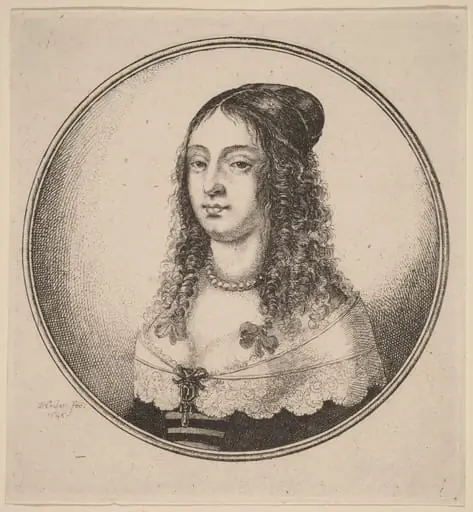
De Jode employed sharp, controlled etching lines to define textures of fabric, hair, and jewelry. Deep chiaroscuro contrasts enhance the three-dimensionality of the face and form, lending a sculptural gravity to the figure. The curved border framing her head mimics a halolike structure, subtly elevating her status. The meticulous rendering of ruffled sleeves and layered garments reflects the artist’s attention to ornamental detail common in Northern European portraiture of the time.
History & Provenance
Created in 1650, the print emerged during a period of heightened European curiosity about the Ottoman Empire. De Jode, a Flemish engraver, often reproduced images of foreign rulers for publication in illustrated collections. While the identity of Emina Sultana remains uncertain, the label suggests she was a recognized figure in Ottoman records. The print likely circulated among collectors and scholars interested in exoticized courtly imagery.
Context
In mid-seventeenth-century Europe, Ottoman figures were frequently depicted in prints as both objects of fascination and symbols of political power. This engraving aligns with a broader trend of visual documentation of non-European elites, often based on secondhand accounts or traveler sketches. The formal arrangement and stylized features reflect European conventions of portraiture, filtered through a lens of cultural curiosity rather than direct observation.
Legacy
De Jode’s engraving contributes to a visual archive of Ottoman royalty as interpreted by Western artists. Though not a documentary record, it preserves how European audiences imagined and represented imperial women of the East. The work remains a reference point for studies on cross-cultural representation, illustrating the intersection of artistic technique and colonial-era perceptions of the Ottoman court.
Artist & collection
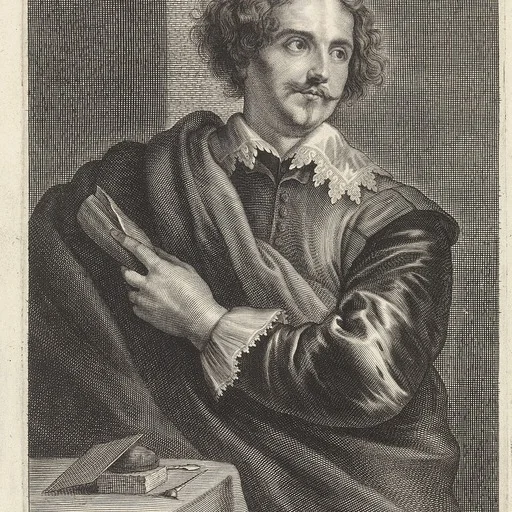
Artist
Pieter de Jode II or Pieter de Jode the Younger (1606–1674) was a Flemish Baroque printmaker, draughtsman, painter and art dealer.