Artwork
Turkish sultans, sultanas and other historical figures
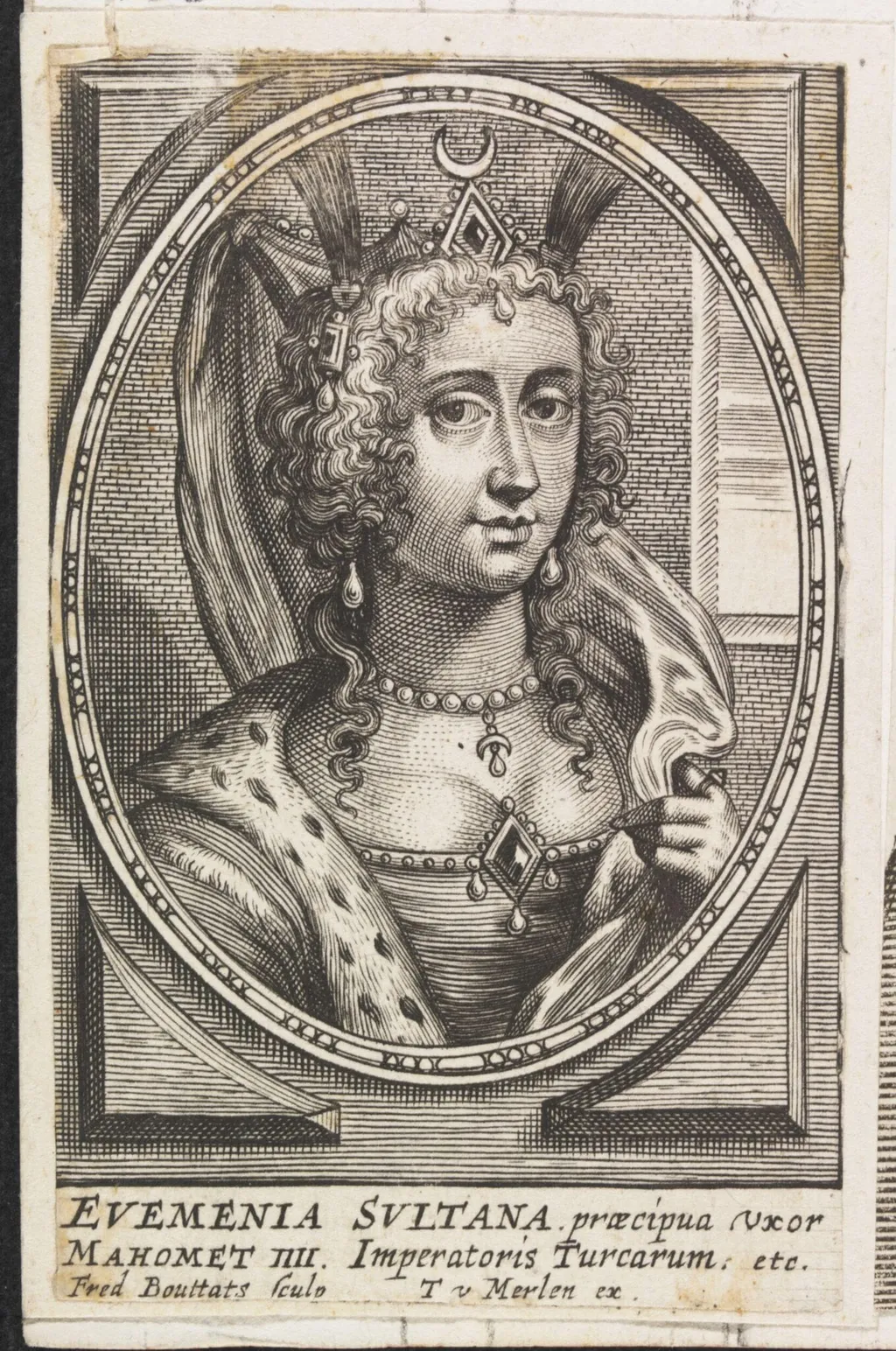
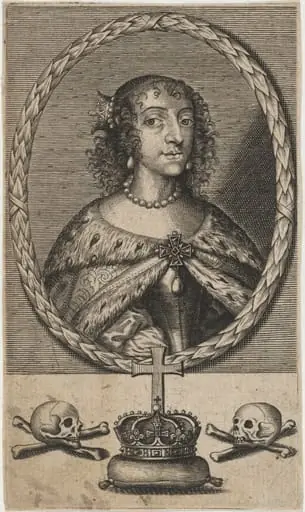
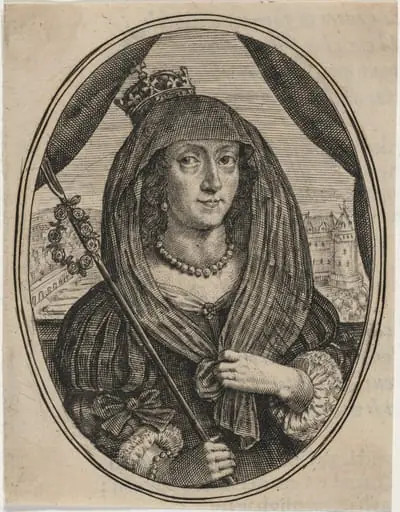
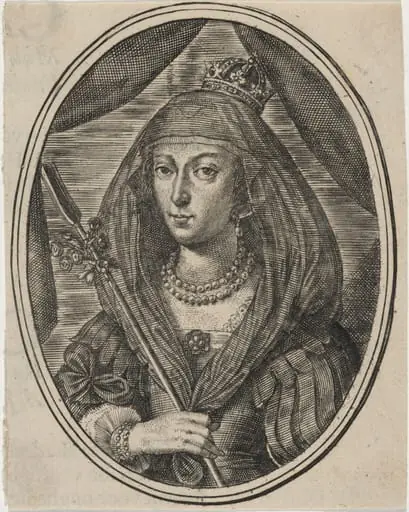
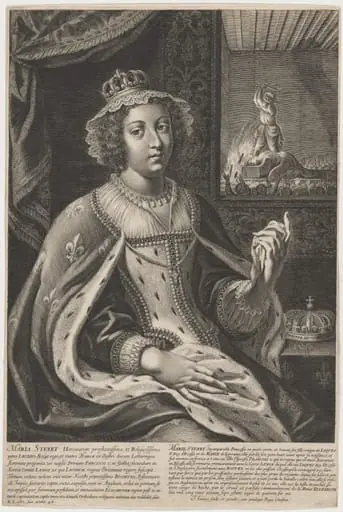
Turkish sultans, sultanas and other historical figures is a print by Theodoor van Merlen. It dates from 1650 and is held in the collection of the Victoria and Albert Museum.
About this work
Overview
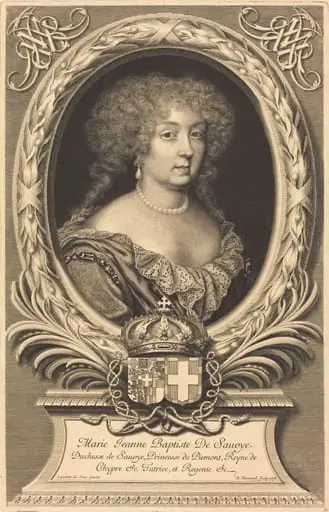
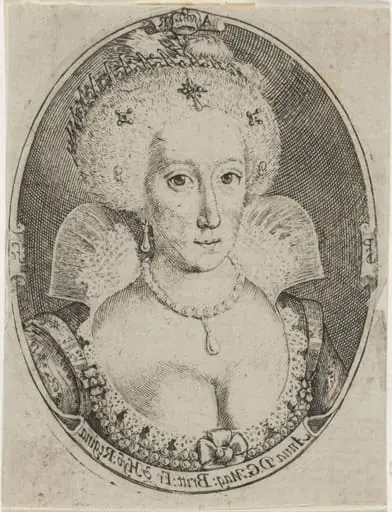
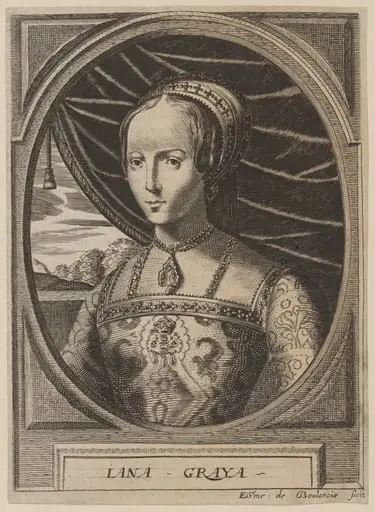
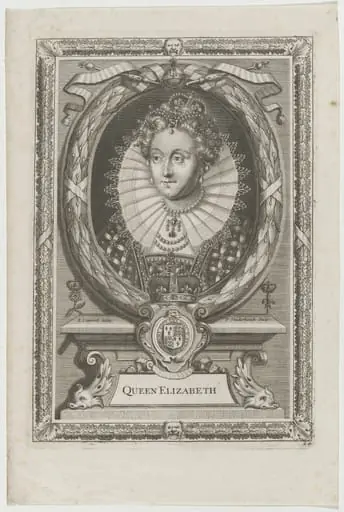
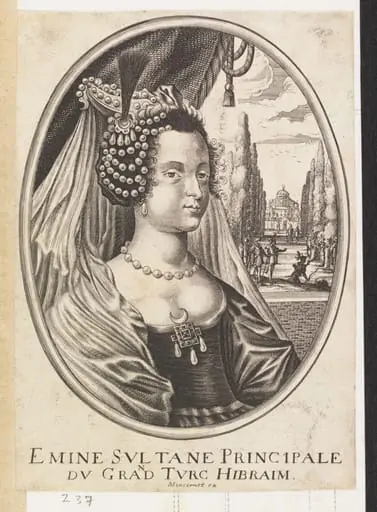
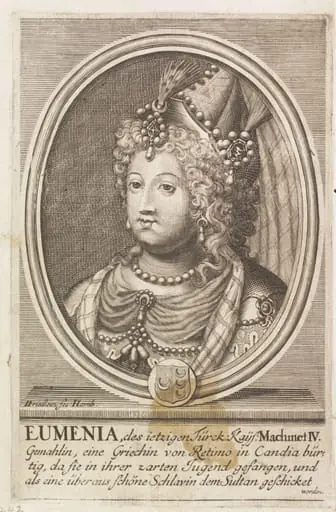
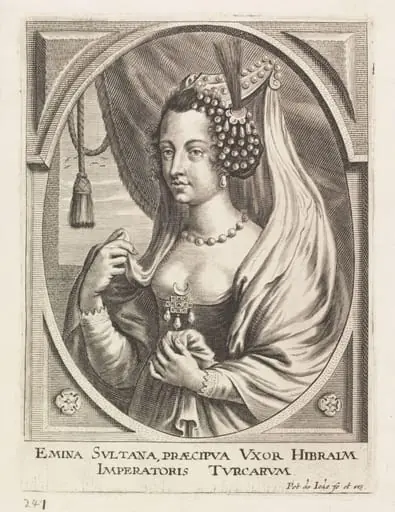
The composition centers on a single female subject, framed within an oval border, with accompanying inscriptions identifying the figures.
This 1650 print by Theodoor van Merlen features a portrait of Evemenia Sultana, positioned among other Ottoman royal figures. Created in the Dutch Republic, the work reflects European interest in Ottoman court life during the mid-seventeenth century. The composition centers on a single female subject, framed within an oval border, with accompanying inscriptions identifying the figures. Van Merlen, known for historical portraiture, here blends observation with conventionalized representation.
Subject & Meaning
Evemenia Sultana is depicted with regal attributes: a crown bearing a crescent moon, a jeweled necklace, and a fur-lined cape. Her serious expression and direct gaze convey authority, aligning with European conventions for portraying sovereigns. The inclusion of other Ottoman figures suggests an attempt to catalog or compare imperial lineages. The portrait likely served to satisfy European curiosity about the Ottoman court, blending factual reference with symbolic embellishment.
Technique & Style
Van Merlen employed fine linear detail to render facial features and textile textures, emphasizing the sultana’s dignity through precise rendering of her attire and jewelry. The brick wall and window behind her provide minimal context, directing focus to the figure. The oval frame, typical of portrait medallions, enhances the sense of formality. The print’s monochromatic tone and controlled shading reflect engraving techniques common in Dutch graphic arts of the period.
History & Provenance
Created in 1650, the print emerged during a time of diplomatic and commercial exchange between the Dutch Republic and the Ottoman Empire. Van Merlen, based in the Netherlands, likely relied on traveler accounts, engravings, or oral descriptions rather than direct observation. The work was probably circulated among collectors and scholars interested in foreign courts, contributing to the European genre of ethnographic portraiture.
Context
In mid-seventeenth-century Europe, images of Ottoman royalty were widely circulated as both curiosity and political commentary. Van Merlen’s print fits within a broader trend of depicting non-European rulers with stylized regalia, often conflating real figures with mythic or exoticized archetypes. The emphasis on crowns and ceremonial dress reflects European attempts to impose familiar hierarchies onto unfamiliar courts, shaping perceptions of Ottoman power.
Legacy
The print remains a document of early modern European engagement with Ottoman culture, illustrating how foreign rulers were visually interpreted through local artistic norms. While not historically precise, it reveals the mechanisms of cross-cultural representation in print media. Van Merlen’s work contributed to a visual lexicon of the 'Oriental sovereign' that persisted in European art and publishing for decades.
Artist & collection
Artist
Theodoor van Merlen never left his studio. He painted sultans in silk robes and turbans, their faces half in shadow, as if he’d lifted the scenes straight from travelers’ stories. His prints feel like overheard…