Artwork
Turkish sultans, sultanas and other historical figures
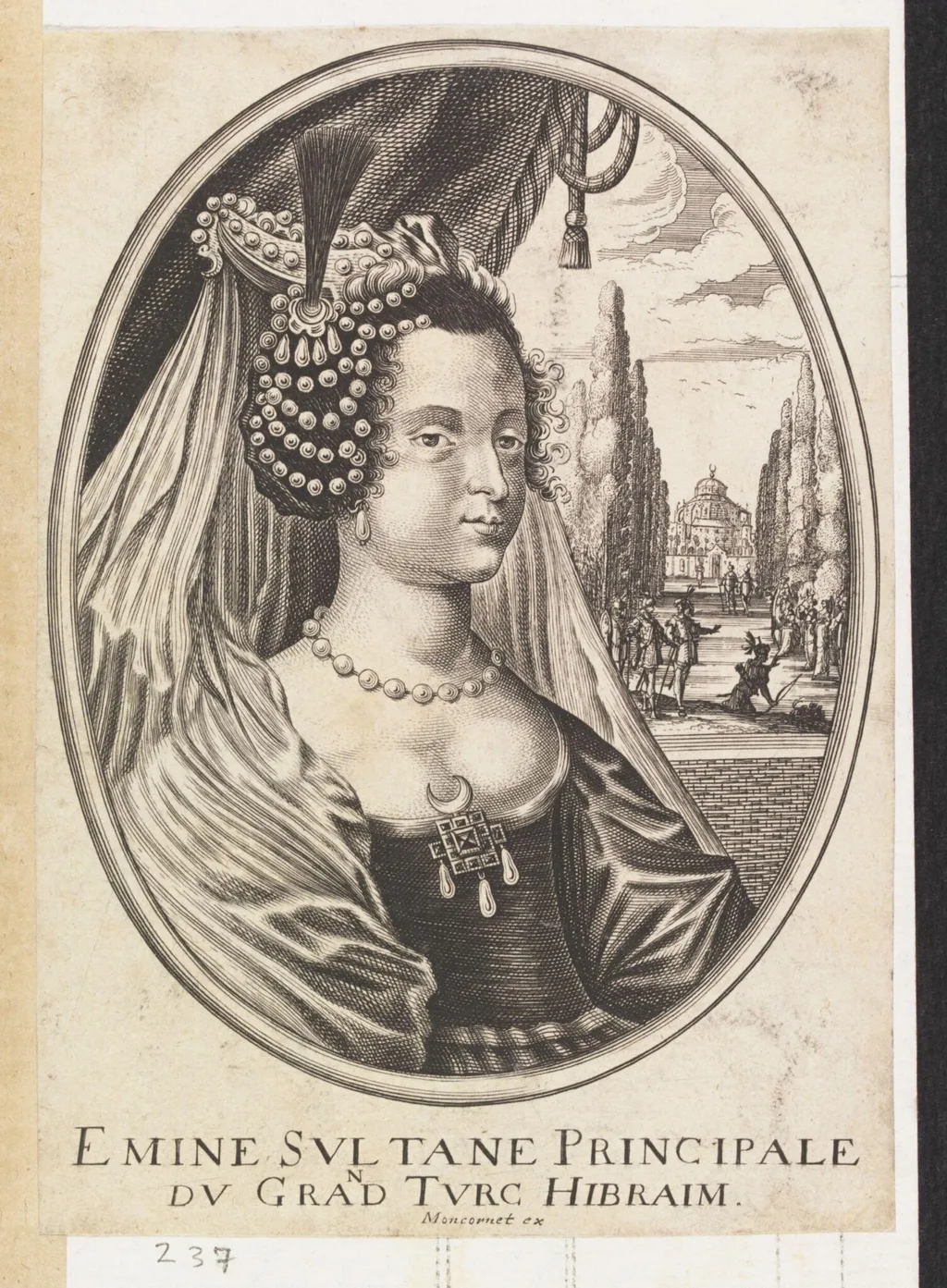
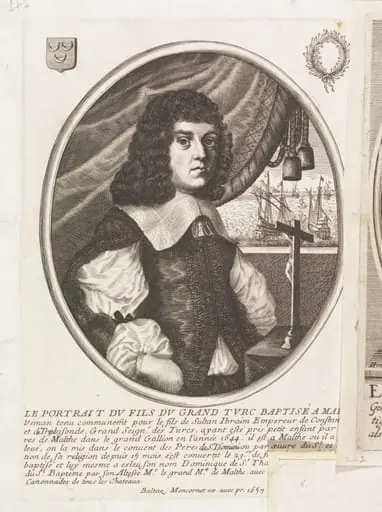
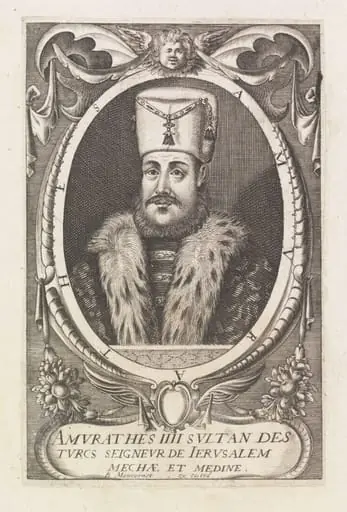
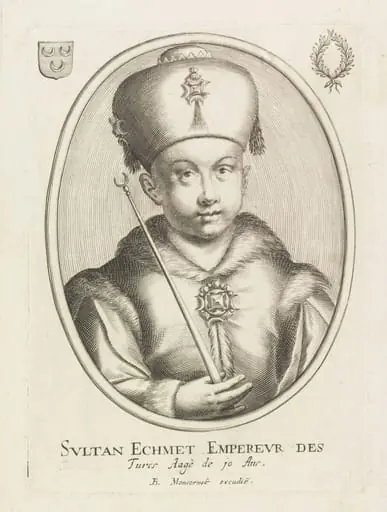
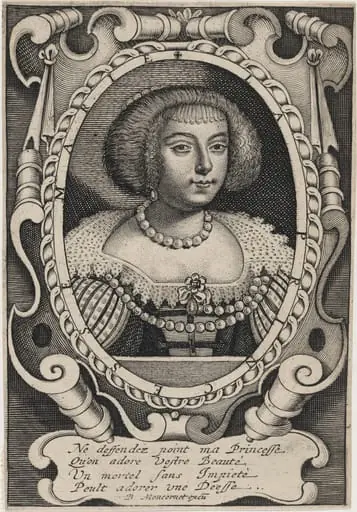
Turkish sultans, sultanas and other historical figures is a print by the Baroque artist Moncornet. It dates from 1650 and is held in the collection of the Victoria and Albert Museum.
About this work
Overview
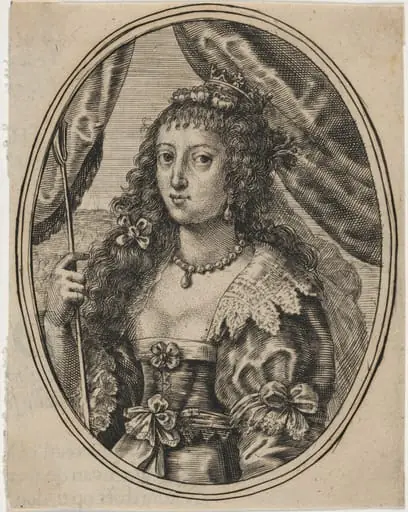
This 1650 print by French engraver François Moncornet presents a series of portraits of Ottoman royalty and notable figures, including a high-ranking woman identified as 'E Mine Svltane Principale.' Rendered in monochrome, the composition combines individual likenesses with subtle background elements, reflecting European interest in Ottoman court life during the mid-seventeenth century.
Subject & Meaning
The central figure is likely a prominent female member of the Ottoman imperial household, possibly a valide sultan or chief consort. Her title, 'Principale,' suggests elevated status within the harem hierarchy. The inclusion of her portrait among male rulers implies recognition of her political or ceremonial influence, challenging Western assumptions about women’s roles in Ottoman governance.
Technique & Style
Moncornet employed fine, precise engraving lines to model the sultana’s face with subtle gradations of light and shadow, achieving a sculptural depth characteristic of Baroque portraiture. The veil and jewelry are rendered with delicate detail, while the minimalist background—trees, a path, and distant architecture—anchors the figure in a symbolic, rather than literal, setting.
History & Provenance
Created in Paris during a period of increased diplomatic and cultural exchange between France and the Ottoman Empire, the print was likely produced for a European audience curious about Ottoman courtly life. Moncornet, known for his series of royal portraits, compiled these images from secondhand sources, as direct access to the Ottoman court was limited to foreign envoys.
Context
In mid-17th-century Europe, depictions of Ottoman elites were popular in printed form, blending factual observation with exoticized imagination. Moncornet’s work aligns with broader trends in illustrated biographies and courtly genealogies circulating among the educated classes, serving both informational and propagandistic purposes in shaping perceptions of the 'Orient.'
Legacy
The print contributes to a visual archive of Ottoman figures as interpreted through a European lens. While not always accurate, such images influenced Western artistic and literary portrayals of the Ottoman court for decades. Moncornet’s careful rendering of the sultana’s dignity helped preserve a nuanced, if filtered, record of her presence in imperial iconography.
Artist & collection
Artist