Artwork
The Waterfalls at Tivoli with the Ponte Lupo, Temple of Vesta, and Temple of Sibyl The Waterfalls at Tivoli with the Ponte Lupo, Temple of Vesta, and Temple of Sibyl
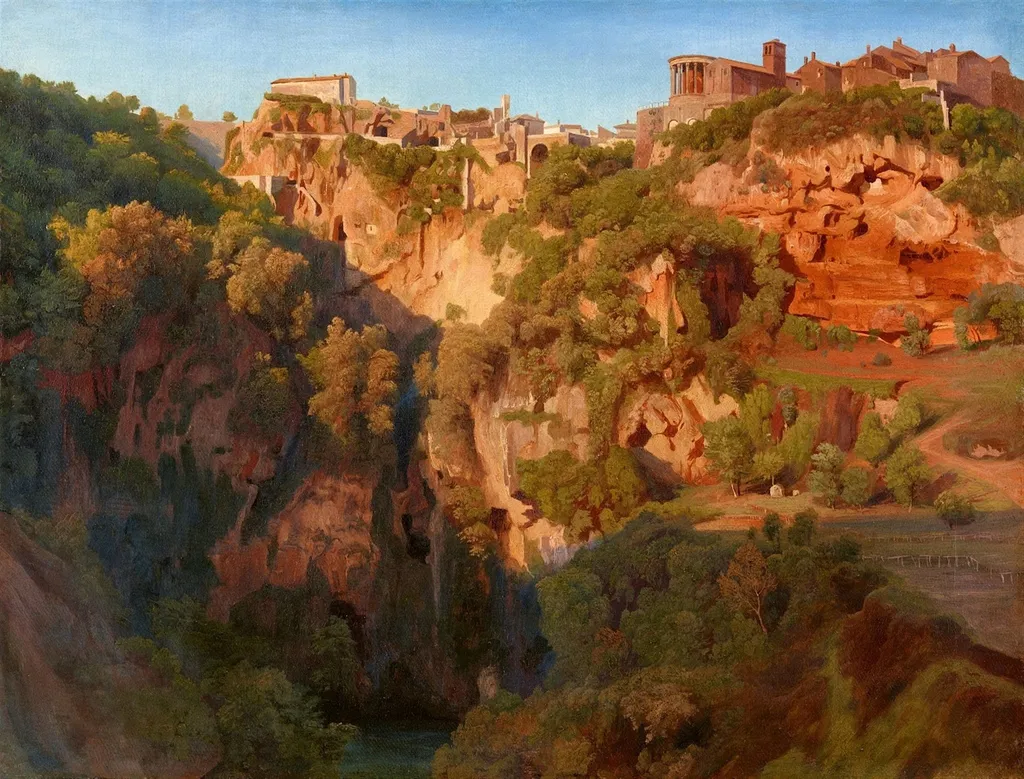
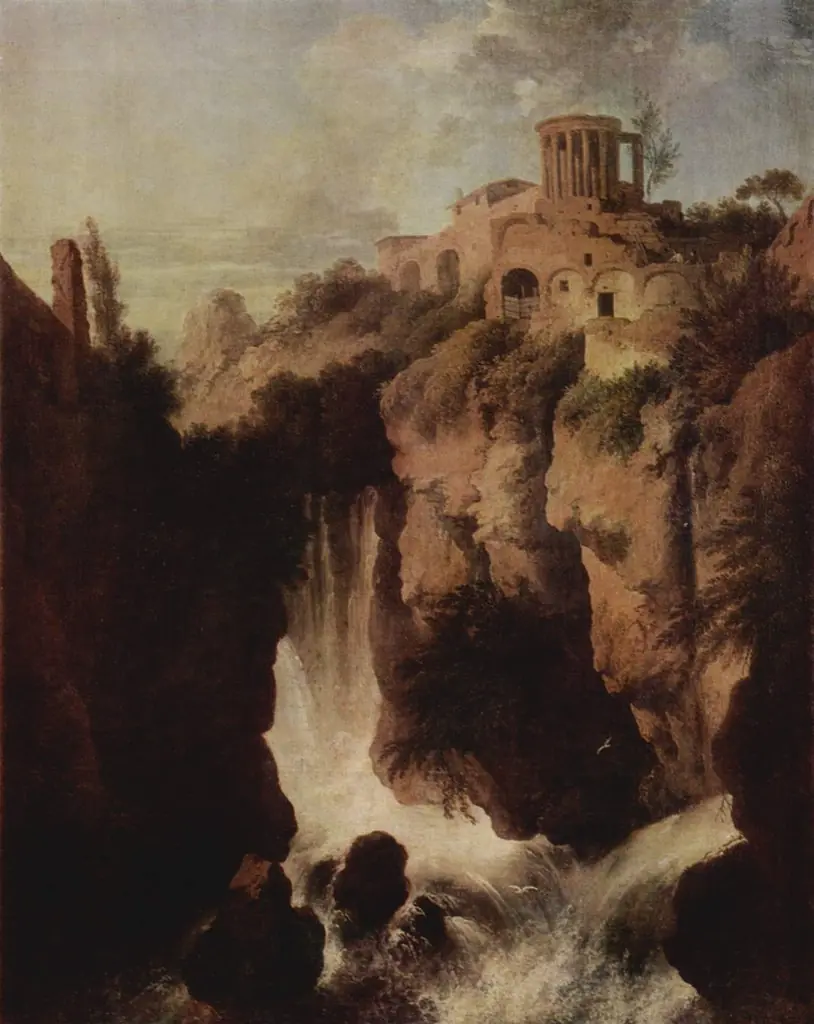
The Waterfalls at Tivoli with the Ponte Lupo, Temple of Vesta, and Temple of Sibyl The Waterfalls at Tivoli with the Ponte Lupo, Temple of Vesta, and Temple of Sibyl is an oil painting by Ernst Fries. It dates from 1826 and is held in the collection of the Nationalmuseum.
About this work
The painting is titled The Waterfalls at Tivoli with the Ponte Lupo, Temple of Vesta, and Temple of Sibyl.
It was created by Ernst Fries in 1826 using oil paint.
The artist's use of oil paint allowed for a range of effects and textures, which may have been important to the overall mood of the painting.
You can learn more about the artist's style and other works at the Nationalmuseum.
Overview
The Waterfalls at Tivoli with the Ponte Lupo, Temple of Vesta, and Temple of Sibyl is a landscape painting created by Ernst Fries in 1826 using oil paint.
Subject & Meaning
The painting depicts the waterfalls and ancient ruins at Tivoli, featuring the Ponte Lupo, Temple of Vesta, and Temple of Sibyl. The scene combines natural beauty with historical significance.
Technique & Style
Fries' use of oil paint allowed for varied textures and effects, contributing to the overall mood of the work. As an artist associated with Heidelberg Romanticism, Fries' style bridges Romanticism and Realism.
History & Provenance
The painting is part of the Nationalmuseum's collection. Fries was a versatile artist who worked in multiple mediums, and his work from this period reflects a transitional style.
Own this work as a print
Artist & collection
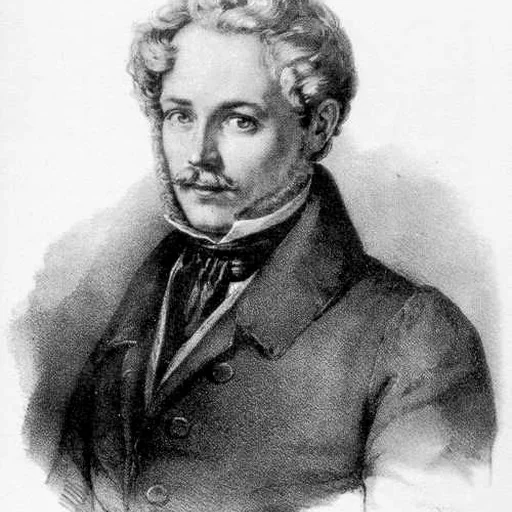
Artist
Ernst Fries (22 June 1801, Heidelberg – 11 October 1833, Karlsruhe) was a German painter, draftsman, watercolourist, etcher, printmaker, and lithograph.

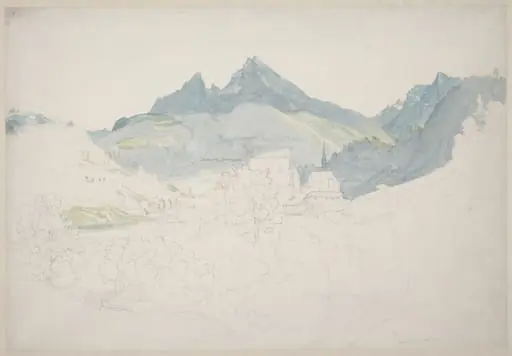 Berchtesgaden with the Watzmann Peak in the Distance
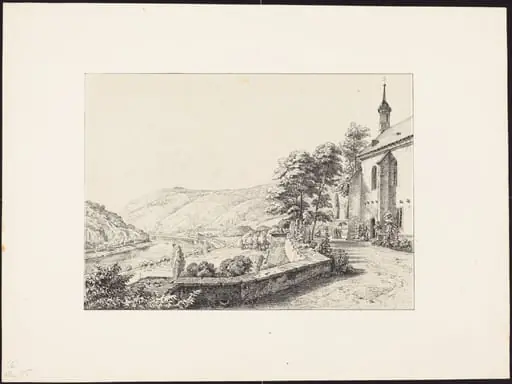 The Convent Terrace
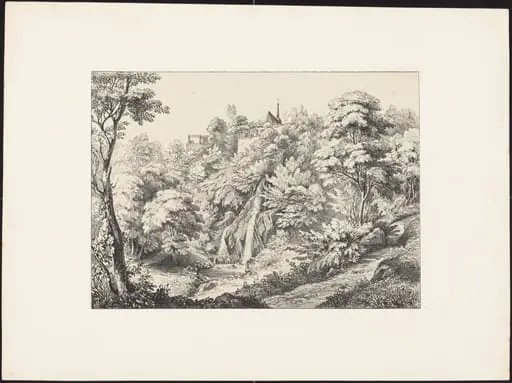 Rear View of the Convent with Waterfall
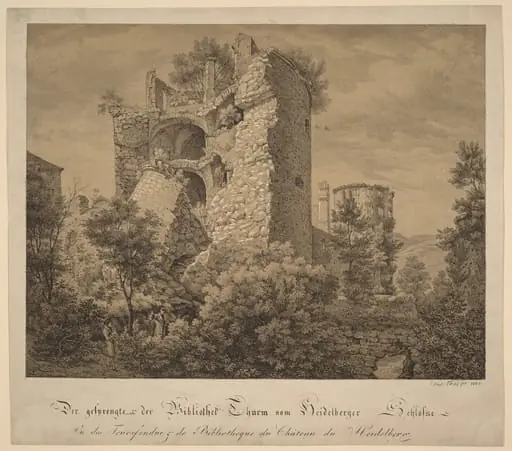 Der Gesprengte und der Bibliotheke Thurm von Heidelberger Schloß (The Exploded Tower and the Library of Heidelberg Castle)
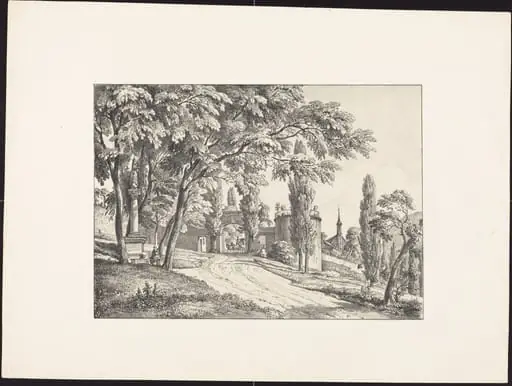 Entrance to the Convent Courtyard
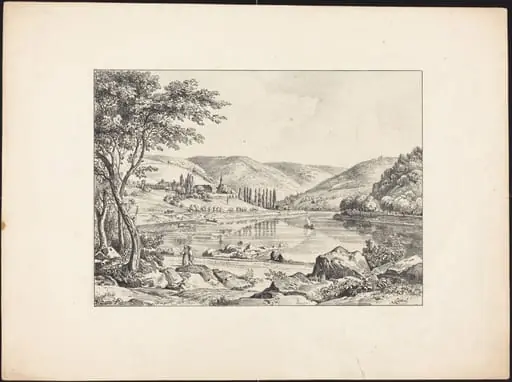 The Convent of Neuburg from Haarlass
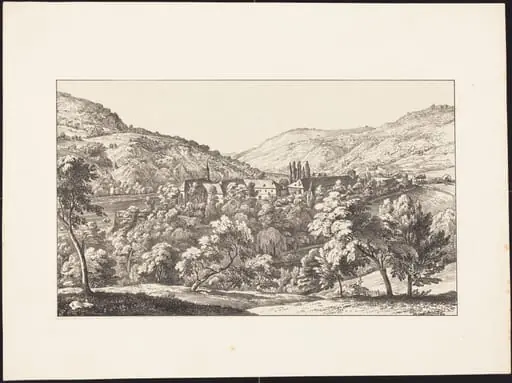 View of the Convent of Neuberg from the Summit
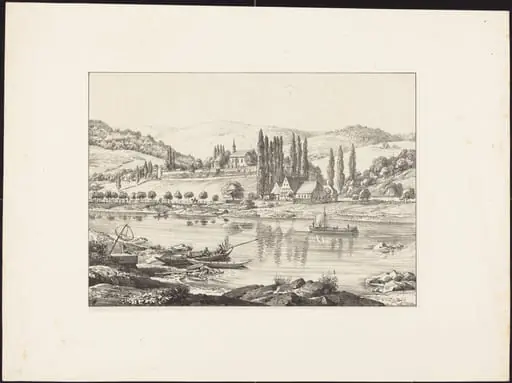 The Convent of Neuberg from Schlierbach