Artwork
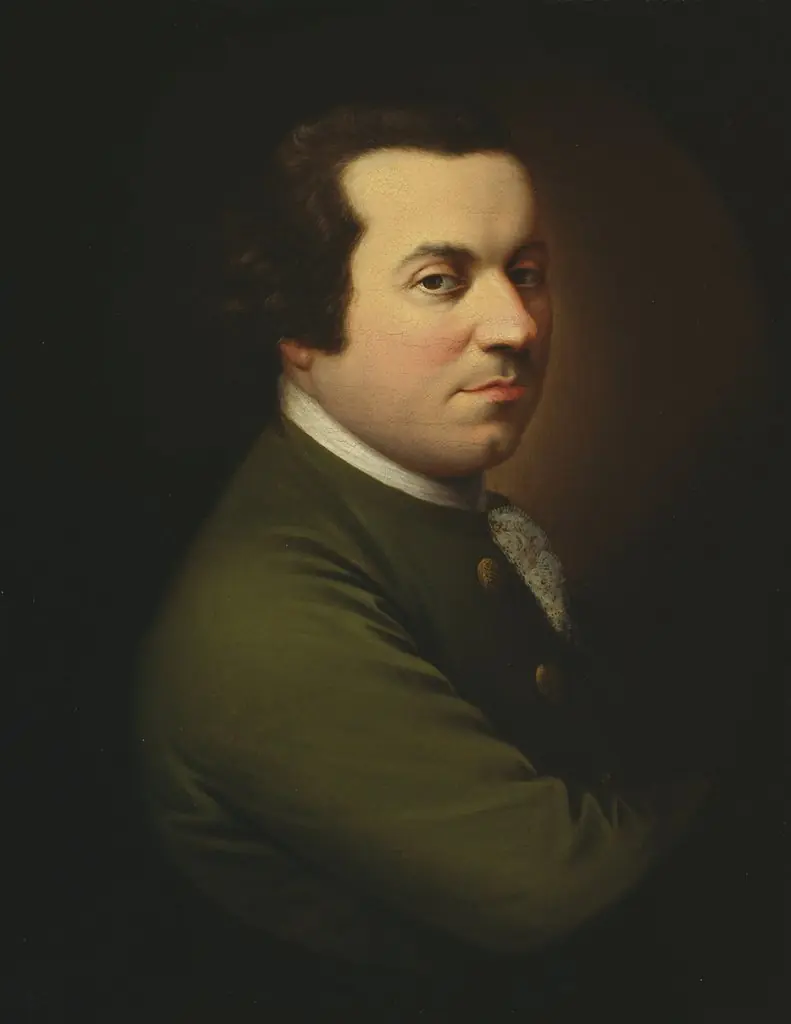
Imaginary Portrait of an English Gentleman
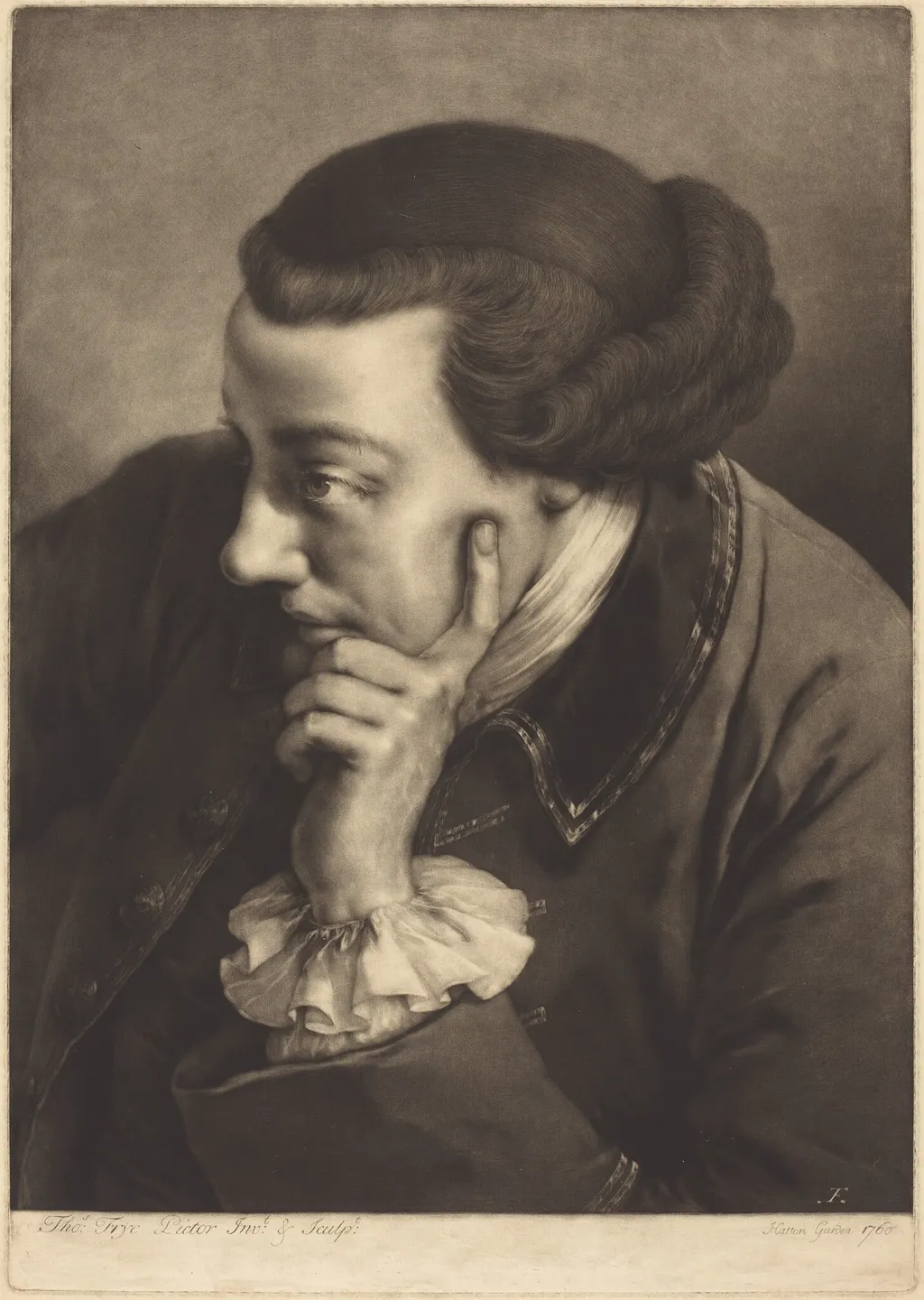
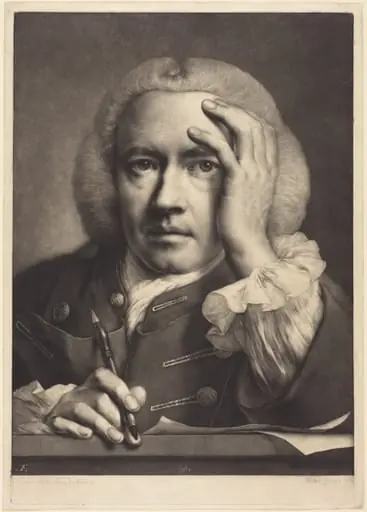
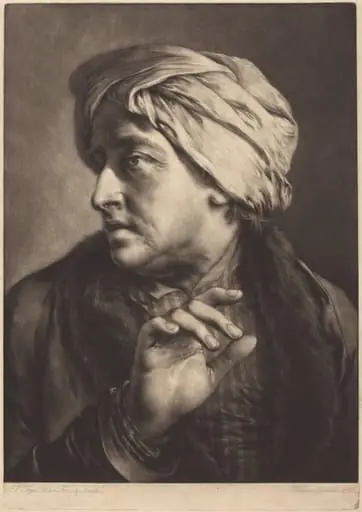
Imaginary Portrait of an English Gentleman is an ink print by the Romanticist artist Thomas Frye. It dates from 1760 and is held in the collection of the National Gallery of Art. Created in 1760, this mezzotint presents an unnamed English gentleman rendered in the tonal richness characteristic of the medium.
About this work
Overview
The work exemplifies mid‑ eighteenth‑century British portraiture, where the subject’s status is conveyed through dress and pose rather than narrative context.
Created in 1760, this mezzotint presents an unnamed English gentleman rendered in the tonal richness characteristic of the medium. The composition focuses on the sitter’s upper body, set against a muted, uniform background that emphasizes the figure’s attire and facial expression. The work exemplifies mid‑ eighteenth‑century British portraiture, where the subject’s status is conveyed through dress and pose rather than narrative context.
Subject & Meaning
The gentleman is shown wearing a dark coat trimmed with a white ruffled collar, his hair gathered in a low, orderly bun. His right hand rests lightly on his cheek, a gesture that suggests contemplation or poise. The attire and grooming signal refinement and social standing, while the lack of identifying attributes leaves the identity open to interpretation, inviting viewers to consider the archetype of the cultivated English male of the period.
Technique & Style
Executed in mezzotint, the image relies on a subtle gradation of tones achieved through a roughened copper plate and successive burnishing. This method allows for deep shadows and luminous highlights, creating a chiaroscuro effect that models the figure’s features and fabric. The smooth transitions and delicate rendering of the ruff demonstrate Frye’s command of the medium’s capacity for atmospheric depth and tonal nuance.
History & Provenance
Thomas Frye, an Anglo‑Irish artist active in London, produced the print while managing the Bow porcelain factory and pursuing a parallel career in painting and printmaking. The work reflects Frye’s engagement with the emerging market for affordable portrait reproductions. Though the sitter remains unidentified, the print circulated among collectors of the era, contributing to Frye’s reputation as a versatile practitioner of both oil and mezzotint media.
Context
In the 1760s, mezzotint was a favored technique for reproducing the tonal qualities of oil portraits, making images of fashionable gentlemen accessible to a broader audience. Frye’s print aligns with this trend, offering a refined yet economical alternative to painted likenesses. The piece also mirrors contemporary fashions in dress and hairstyle, providing visual documentation of mid‑century English gentlemanly attire.
Artist & collection
Artist
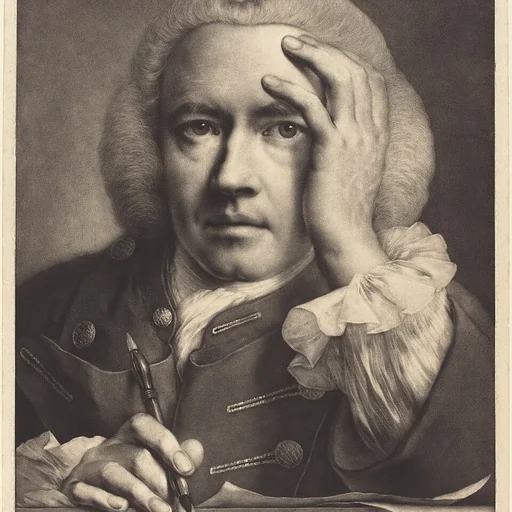
Thomas Frye (c. 1710 – 3 April 1762) was an Anglo-Irish artist, best known for his portraits in oil and pastel, including some miniatures and his early mezzotint engravings. He was also the patentee of the Bow porcelain…

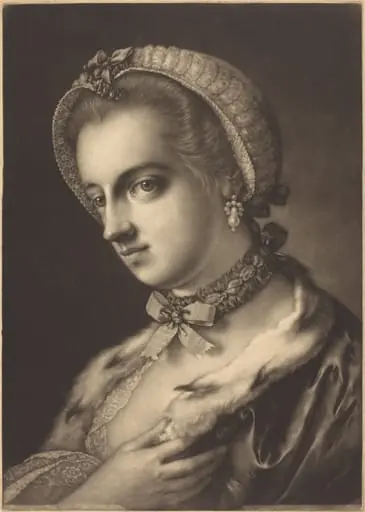
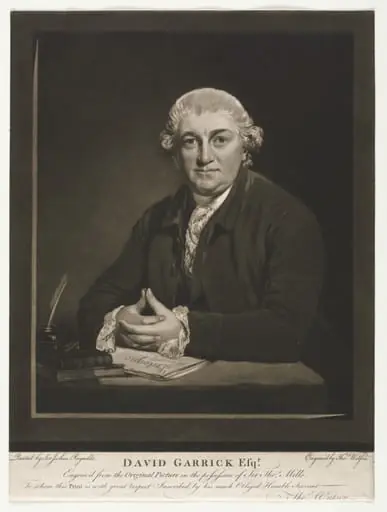 David Garrick
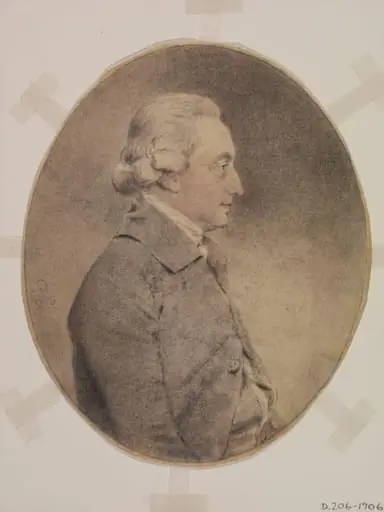 Mr. T. D. Walter
 Print Collection
 Portrait of Joseph Henry of Straffan
 H Beard Print Collection
 Dr. Jonathan Potts (1745-1781)
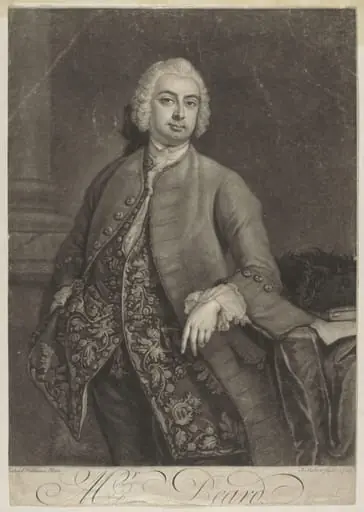 H Beard Print Collection
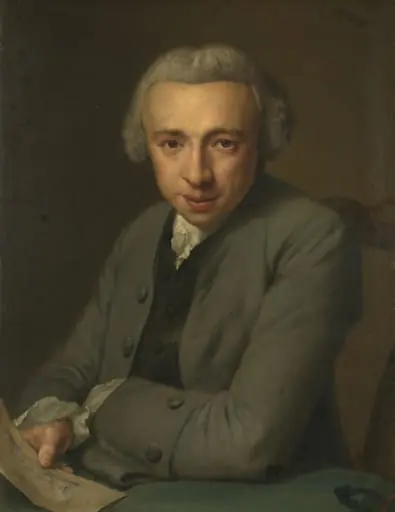 Portrait of Louis Métayer Phz., Goldsmith and Art Collector
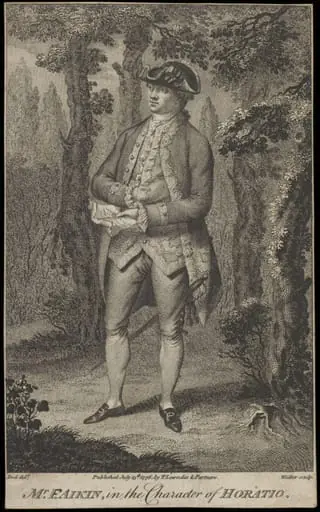 H Beard Print Collection
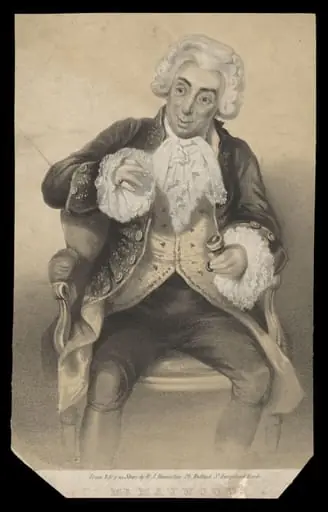 H Beard Print Collection
 Dr. Jonathan Potts (1745-1781)