Artwork
Dr. Jonathan Potts (1745-1781)
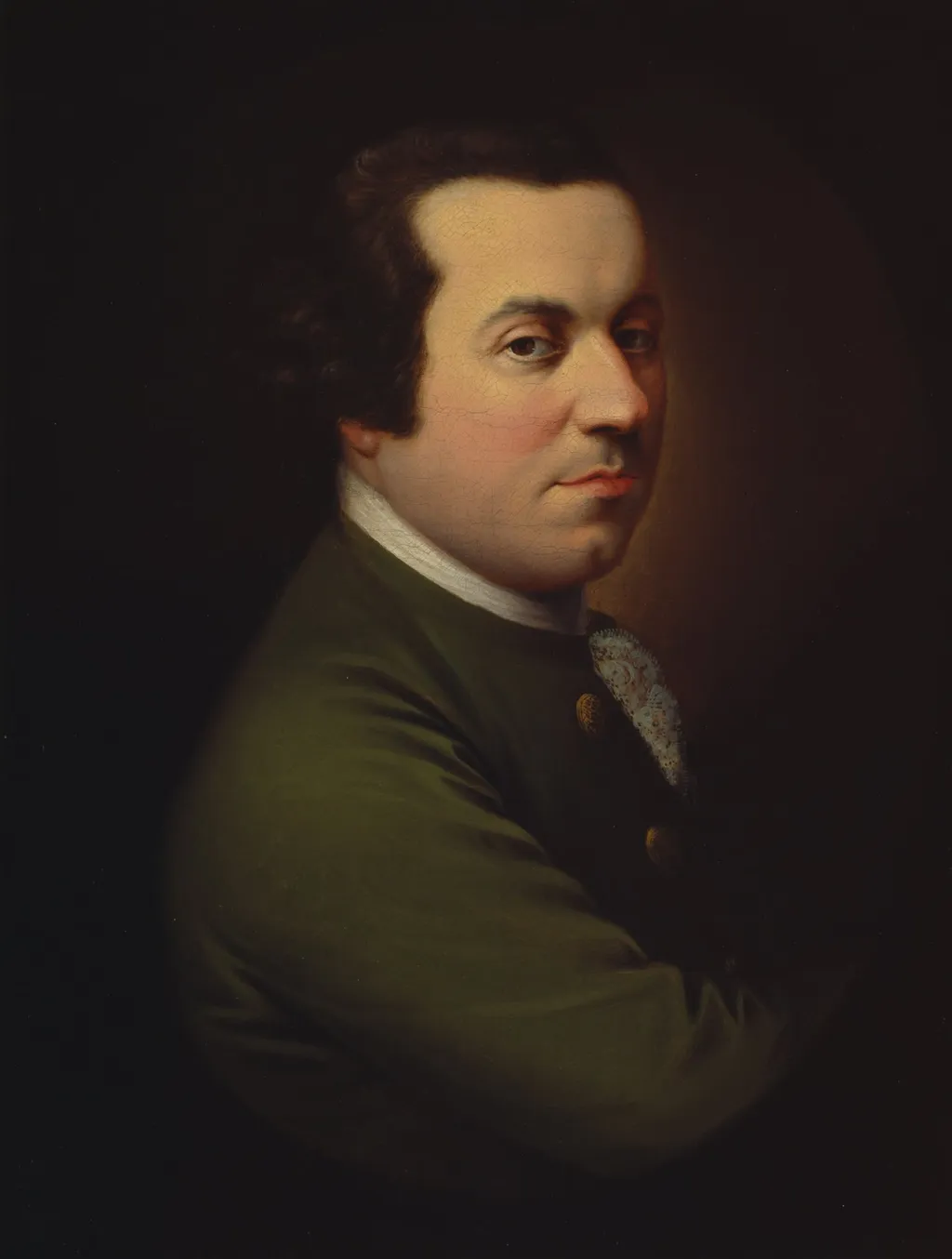
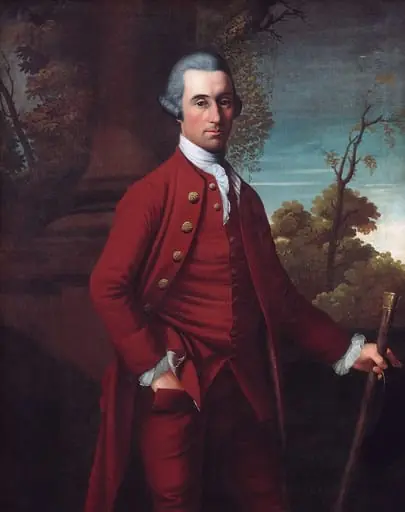
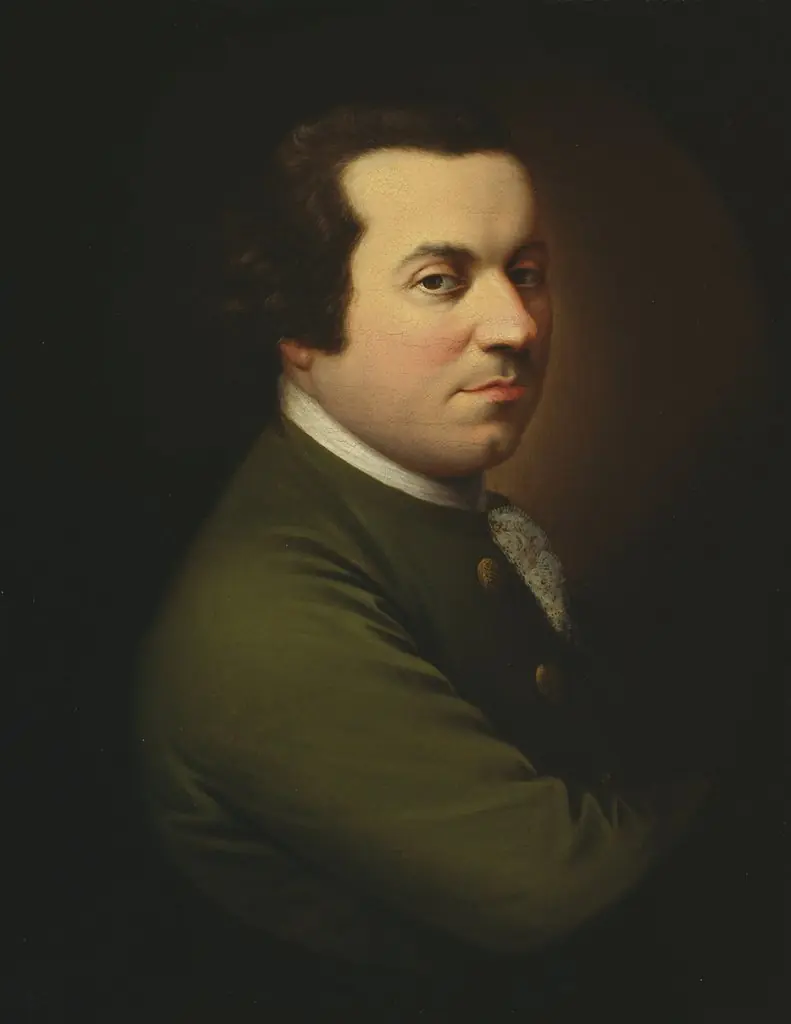
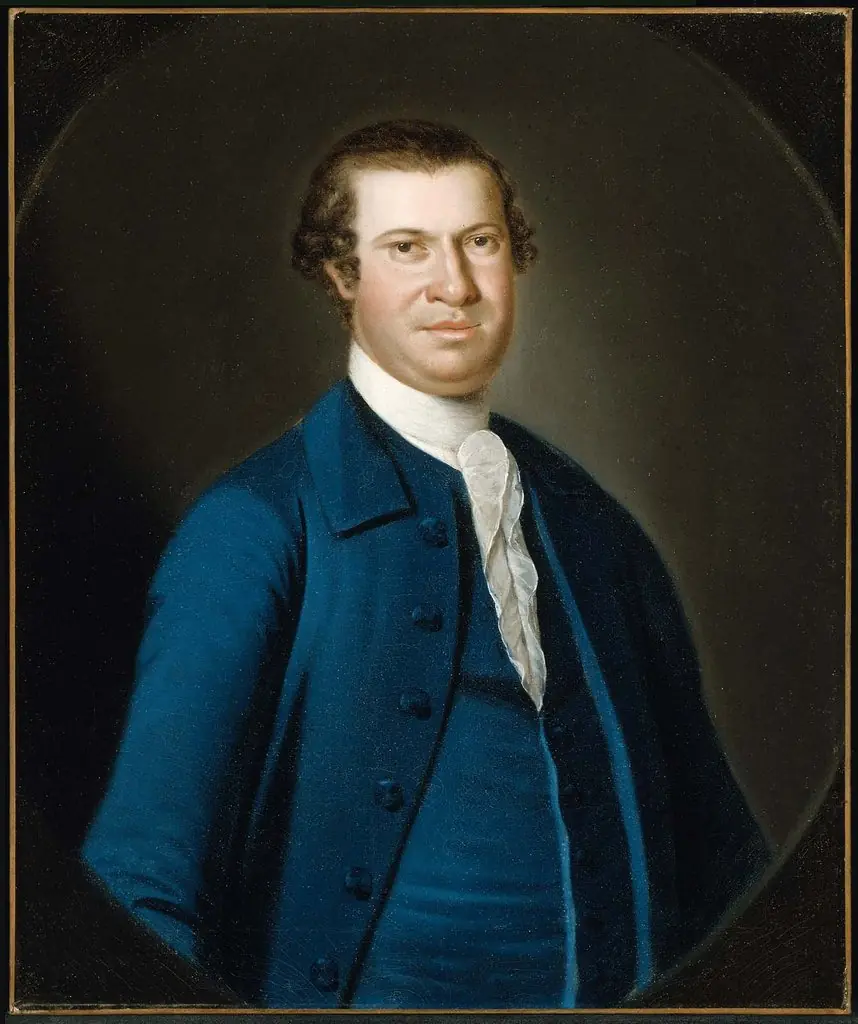
Dr. Jonathan Potts (1745-1781) is an oil painting by the Rococo painting artist Henry Benbridge. It dates from 1773 and is held in the collection of the Art Institute of Chicago.
About this work
Overview
The painting reflects the conventions of colonial American portraiture, grounded in observed presence rather than theatrical display.
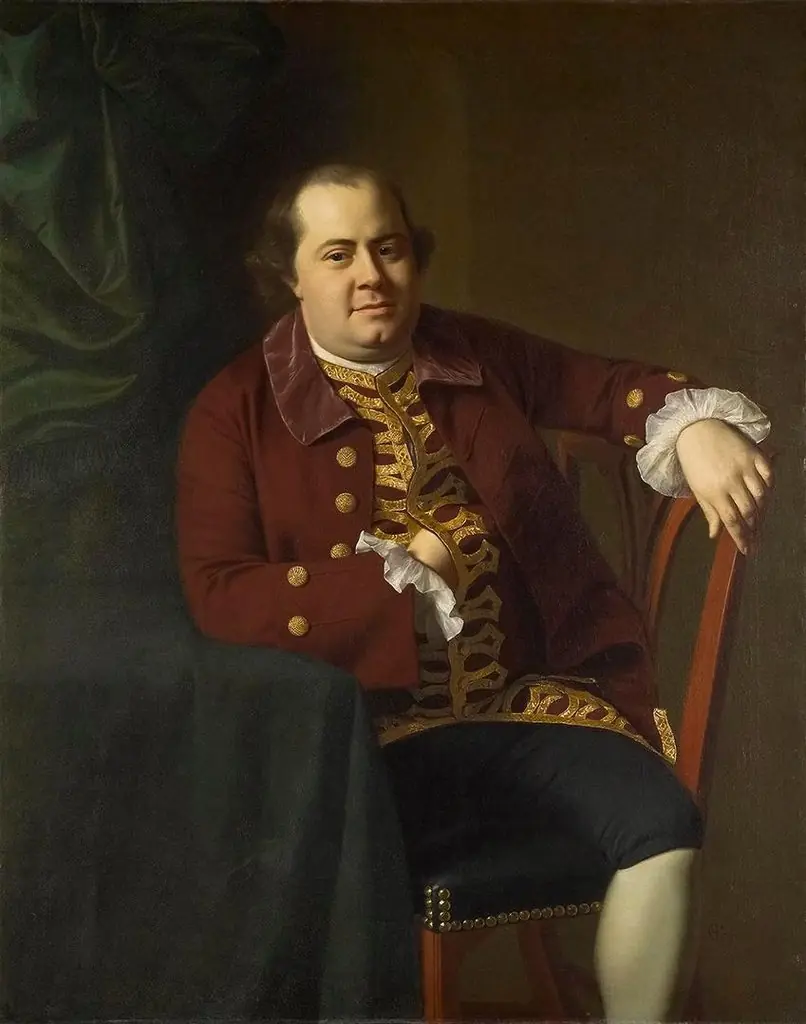
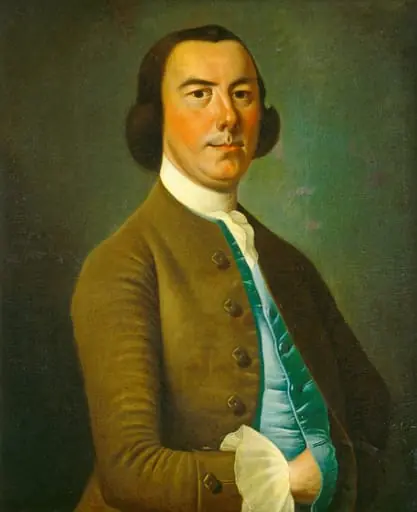
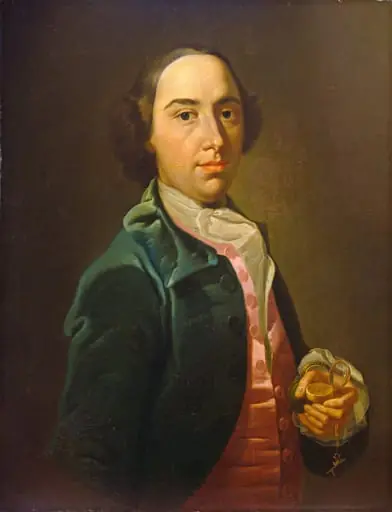
Painted in 1773 by Henry Benbridge, this oil on canvas portrait depicts Dr. Jonathan Potts, a Philadelphia surgeon active in the years preceding the American Revolution. The work resides in the collection of the Art Institute of Chicago. It captures Potts in a moment of quiet contemplation, seated at a desk with a quill poised, his gaze direct and composed. The painting reflects the conventions of colonial American portraiture, grounded in observed presence rather than theatrical display.
Subject & Meaning
Dr. Potts, a practicing surgeon during a time of growing political tension, is portrayed not in ceremonial attire but in everyday dress, suggesting his identity as a man of professional duty. His steady, unflinching gaze conveys alertness and resolve, possibly hinting at the burdens of his role in a society on the brink of conflict. The absence of symbolic props or grandeur emphasizes his humanity, inviting viewers to consider the quiet weight of responsibility carried by ordinary figures in turbulent times.
Technique & Style
Benbridge, trained in Italy, employed chiaroscuro to model Potts’s face with subtle gradations of light and shadow, lending depth and realism absent in flatter colonial portraits. The soft illumination falls across his features while the surrounding space dissolves into darkness, isolating the sitter and intensifying his presence. The brushwork is restrained, avoiding flourish; the texture of fabric and skin is rendered with quiet precision, reinforcing the portrait’s intimate, unadorned character.
History & Provenance
Commissioned during Potts’s lifetime, the portrait remained within his family until the early 20th century. It entered the Art Institute of Chicago’s collection in 1923, where it has been consistently exhibited as an example of early American portraiture. Its survival through the Revolution and subsequent generations speaks to its personal significance to the Potts family and its later recognition as a document of colonial professional life.
Context
Created just before the outbreak of the American Revolution, the portrait reflects a moment when colonial elites sought to assert identity through refined visual culture. Benbridge’s Italian training introduced European techniques to American patrons, yet the subject’s modest setting and demeanor align with the practical ethos of Philadelphia’s medical community. The painting stands as a quiet counterpoint to the grander narratives of revolution, focusing instead on the individual within the gathering storm.
Legacy
The portrait endures as a representative example of how American artists adapted European methods to depict local figures with psychological nuance. It contributes to scholarly understanding of colonial medical professionals and the visual language of self-presentation in pre-revolutionary America. While not widely known outside academic circles, it remains a touchstone for studies of portraiture that prioritize quiet dignity over public spectacle.
Own this work as a print
Artist & collection

Artist
Henry Benbridge was an American painter who specialized in portrait painting.