Artwork
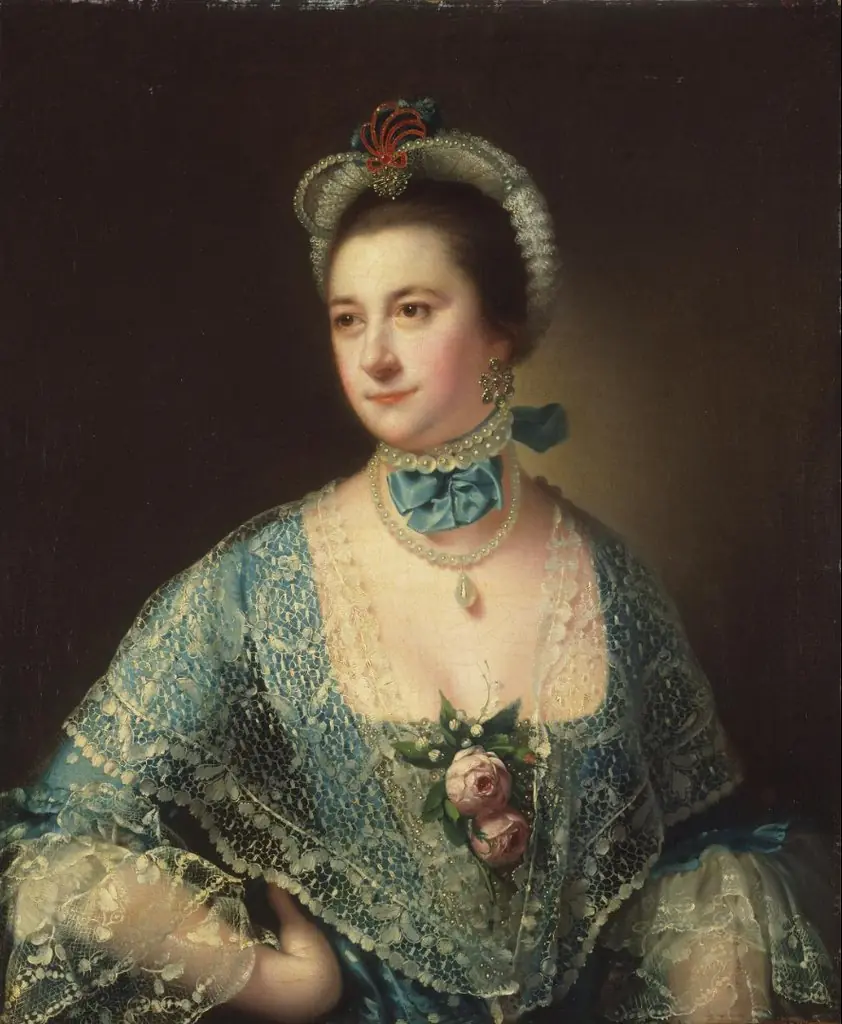
Portrait of Susannah Walker
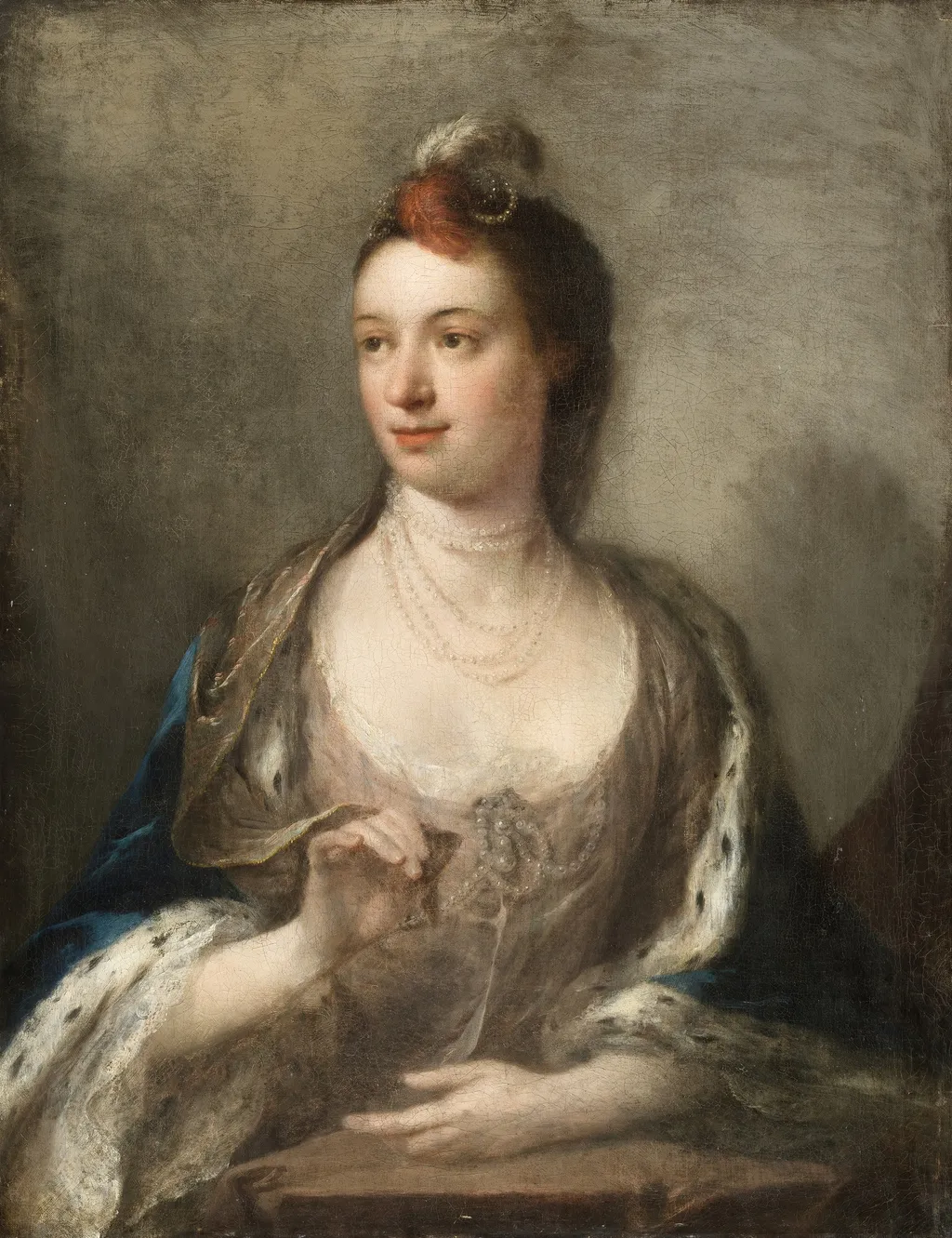
Portrait of Susannah Walker is an oil painting by the Rococo painting artist Thomas Frye. It dates from 1760 and is held in the collection of the National Gallery of Ireland.
About this work
Overview
Painted in 1760 by Thomas Frye, this oil portrait captures Susannah Walker in a composed, frontal pose. Frye, an Anglo-Irish artist known for portraiture and early mezzotints, also operated the Bow porcelain factory in London. The work resides in the National Gallery of Ireland, reflecting Frye’s dual role as both artist and industrialist during the mid-18th century.
Subject & Meaning
Susannah Walker is depicted with quiet dignity, her direct gaze and still posture conveying a sense of personal presence rather than theatrical display.
Susannah Walker is depicted with quiet dignity, her direct gaze and still posture conveying a sense of personal presence rather than theatrical display. Her attire—brown dress with lace, blue shawl, and pearl necklace—suggests middle- or upper-class status. The red streak in her hair and white feather add subtle individuality, hinting at personal style within the conventions of polite portraiture.
Technique & Style
Frye employs chiaroscuro to model the figure with soft transitions between light and shadow, lending volume to the face and fabric. The muted gray-brown background isolates the subject, focusing attention on her form. Brushwork is controlled yet fluid, particularly in the rendering of lace and hair, reflecting a refined approach aligned with Rococo sensibilities while avoiding excessive ornamentation.
History & Provenance
The painting has remained in institutional care since at least the 19th century, now held by the National Gallery of Ireland. Its provenance prior to institutional acquisition is not fully documented, but its preservation suggests it was valued within private collections before entering public ownership. Frye’s association with the Bow porcelain factory may have facilitated connections to patrons in London’s commercial elite.
Context
Created during the height of the Rococo era, the portrait reflects a shift toward intimate, individualized representation in British portraiture. While contemporaries like Reynolds emphasized grandeur, Frye’s approach is more restrained, possibly influenced by his work in ceramics, where precision and subtlety were paramount. The painting aligns with a growing market for domestic, non-noble portraiture in urban England.
Legacy
Though Frye is less widely known than his Royal Academy peers, this portrait exemplifies his skill in capturing character through quiet observation. It stands as a testament to the intersection of art and industry in 18th-century Britain, illustrating how artists outside the academic establishment contributed meaningfully to the visual culture of their time.
Own this work as a print
Artist & collection
Artist
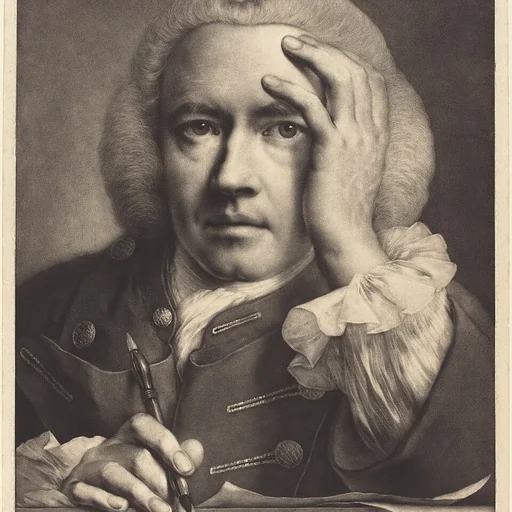
Thomas Frye (c. 1710 – 3 April 1762) was an Anglo-Irish artist, best known for his portraits in oil and pastel, including some miniatures and his early mezzotint engravings. He was also the patentee of the Bow porcelain…

 Portrait of Mrs. Charles Lindegren
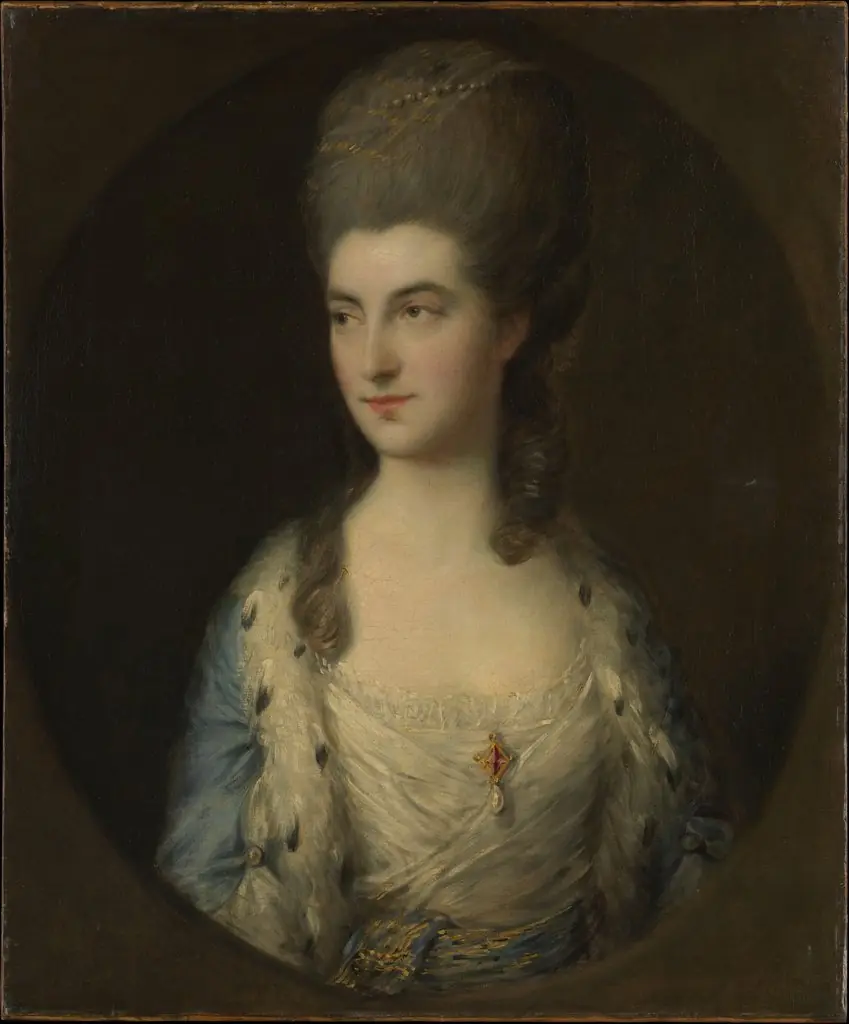 Portrait of a Young Woman, Called Miss Sparrow
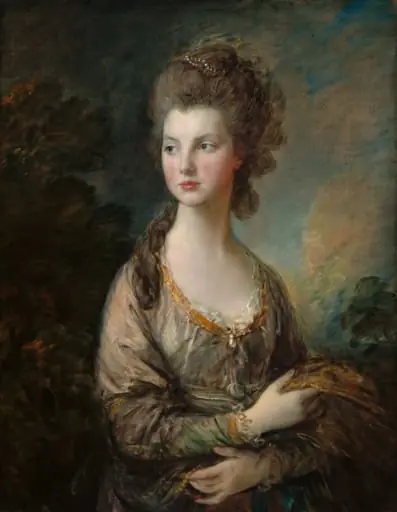 The Hon. Mrs. Thomas Graham
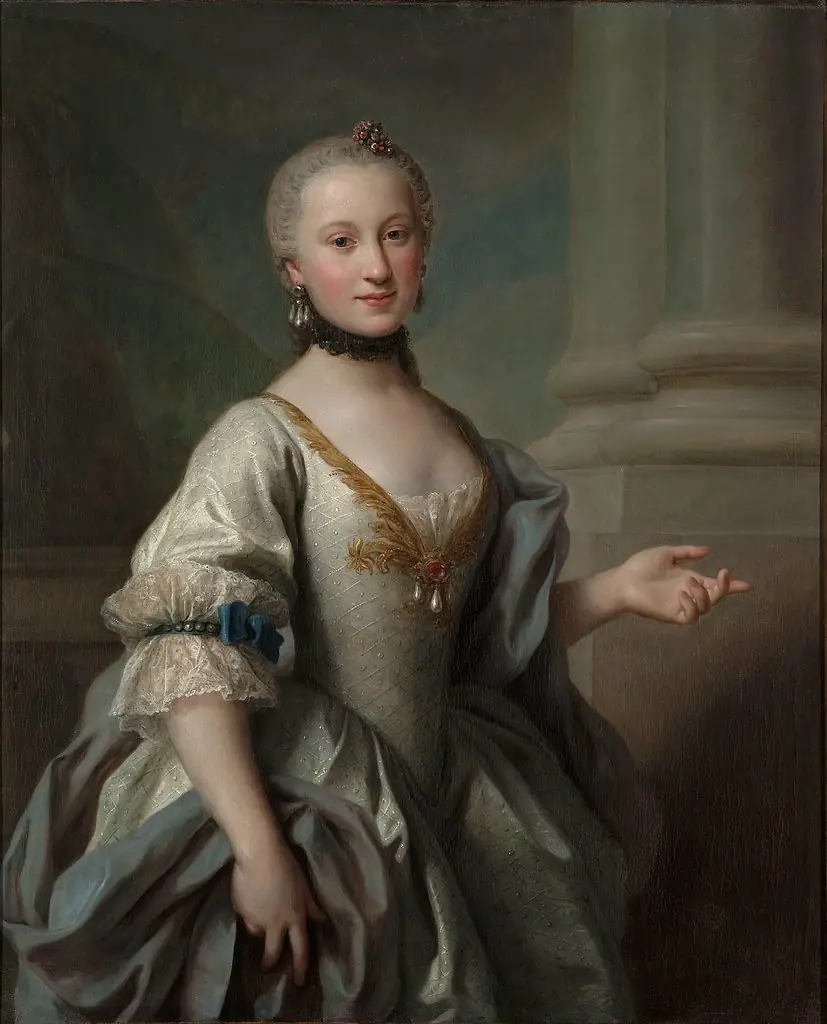 Portrait of Maria Amalia Fryderyka Mniszech née Brühl (1737–1772)
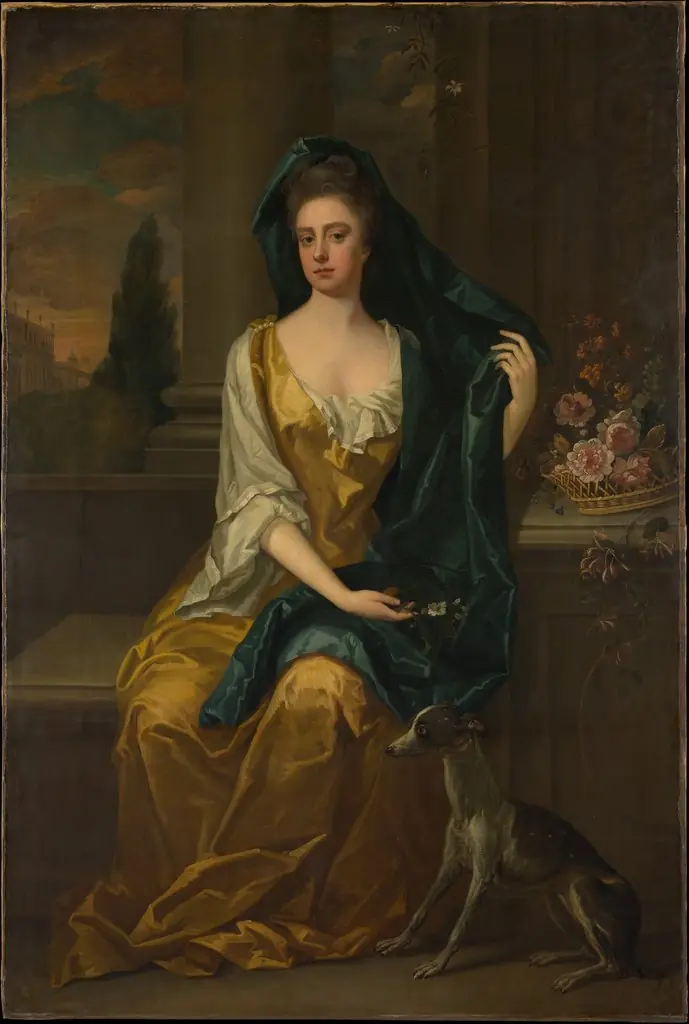 Portrait of a Woman
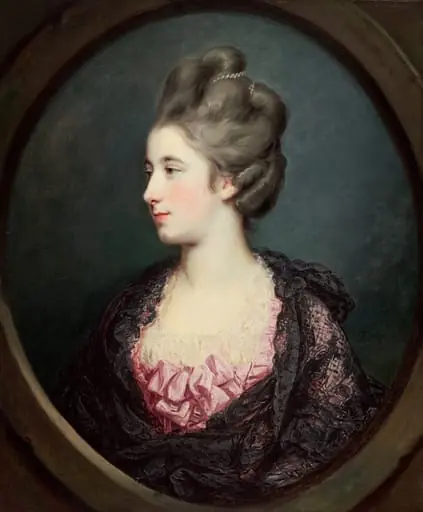 Mrs. Thomas Horne
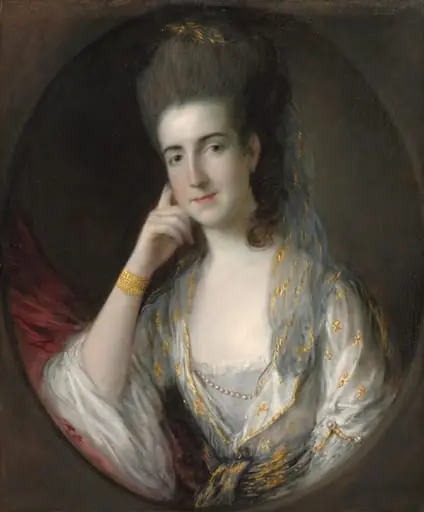 Portrait of Mary Wise
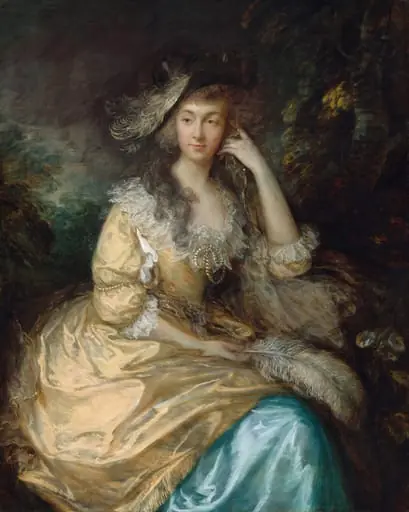 Frances Susanna, Lady de Dunstanville
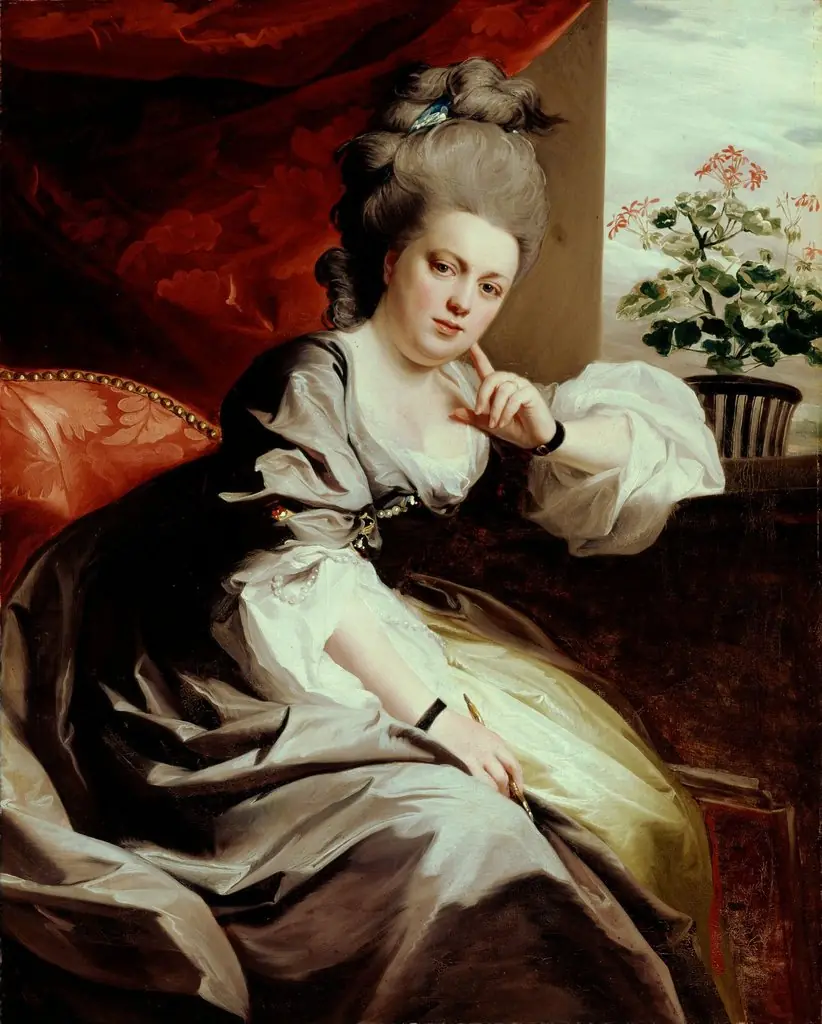 Mrs. Clark Gayton, 1779, née Elizabeth Legge
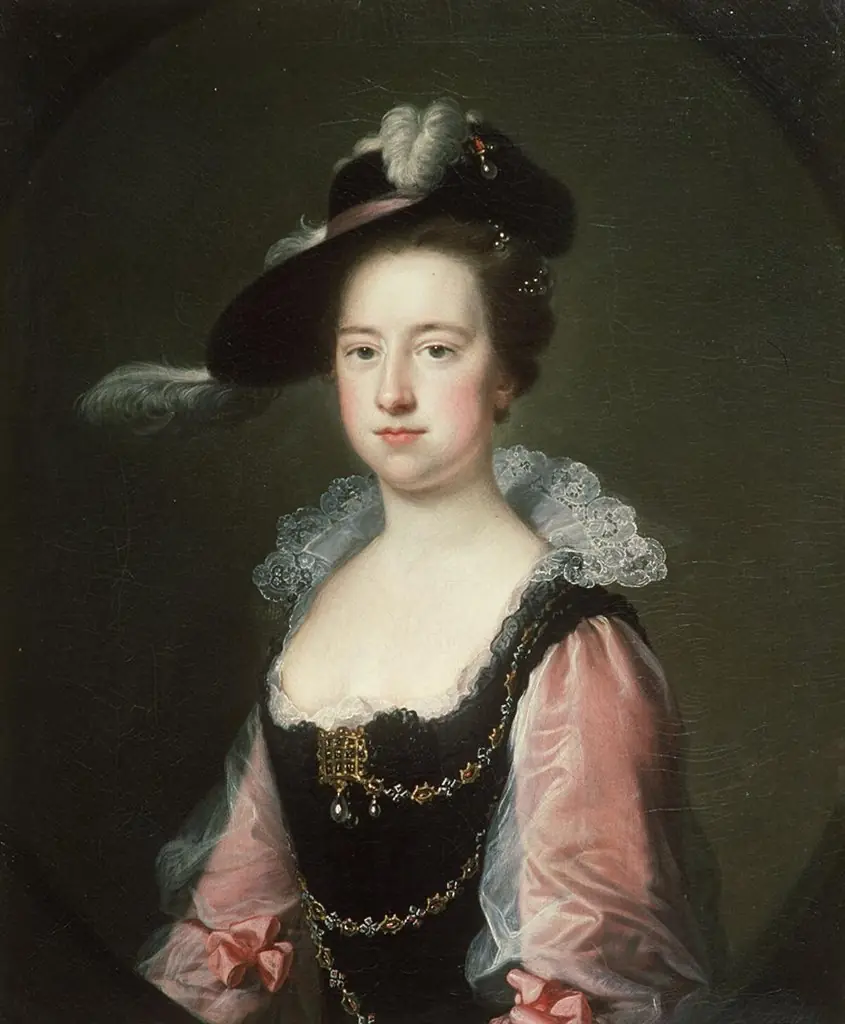 Bridget Williams
 Portrait of Mrs Helen (Dorothea Daniel) (d.1806)
 Elizabeth Stevens Carle